What Exactly is Sprayed Weed and Why Should You Care?
Sprayed weed is cannabis that has been contaminated with chemicals, pesticides, synthetic cannabinoids, or other additives that aren’t supposed to be there. Sometimes it’s accidental—leftover pesticides from growing. Other times it’s totally intentional, with shady dealers adding stuff to make low-quality bud seem more potent, heavier, or prettier than it actually is. Either way, smoking or vaping contaminated cannabis can seriously mess with your health, and it’s way more common than most people realize.
Here’s the thing—when you buy weed from unregulated sources (aka your friend’s cousin or that sketchy dude behind the gas station), you’re basically playing Russian roulette with what’s actually in your stash. Contaminated cannabis can contain everything from heavy metals and fungicides to literal glass particles or synthetic drugs that are way stronger and more dangerous than regular THC. The worst part? You usually can’t tell just by looking at it, especially if whoever sprayed it knew what they were doing.
The problem with sprayed weed has gotten worse over the years, especially in places where cannabis is still illegal or poorly regulated. Dealers looking to maximize profits will spray cheap, low-quality weed with all sorts of crap to make it weigh more, look frostier, or hit harder. They’re not thinking about your lungs or brain—they’re thinking about their wallet. And even in legal markets, contaminated cannabis can slip through if testing isn’t strict enough or if growers cut corners with pesticides during cultivation.
Why Do Dealers Spray Weed in the First Place?
Making More Money Through Weight Manipulation
The most straightforward reason dealers spray weed is to increase the weight without actually having more product. Think about it—if you can make an ounce of weed weigh like an ounce and a half by spraying it with something heavy, you just increased your profit by 50% without growing a single extra plant. Common weight-adding substances include sugar water, hairspray, silica (basically sand), crushed glass, and various spray adhesives. All of these add mass to the buds, making them heavier on the scale while being absolute garbage for your respiratory system.
Sugar and glucose sprays are super popular because they’re cheap and readily available. Dealers will literally dissolve sugar in water and spray it all over mediocre weed, then let it dry. The sugar crystals kind of look like trichomes (those frosty THC glands) if you don’t look too closely, and they definitely add weight. Some scumbags even use soda or energy drinks for this. The problem is when you burn sugar, it creates all kinds of nasty byproducts and makes the smoke taste weird and harsh. Your throat knows something’s up even if your eyes don’t.
Hairspray and other aerosols are another weight-adding favorite because they create a sticky coating that can trap particles and add mass. Plus, they make the bud look shiny and resinous, which inexperienced buyers might mistake for quality. But inhaling burned hairspray chemicals is absolutely terrible for you—you’re basically huffing whatever’s in that can along with your weed. The same goes for spray adhesives and fixatives that some dealers use. These contain all sorts of volatile organic compounds (VOCs) that your lungs definitely did not sign up for.
Faking Potency and Visual Appeal
Another major reason people spray weed is to make weak cannabis appear stronger or more visually appealing. Low-quality weed that barely has any THC isn’t going to sell well, so some dealers spray it with synthetic cannabinoids (like the stuff in “spice” or “K2”) to artificially boost the high. This is incredibly dangerous because synthetic cannabinoids can be hundreds of times stronger than natural THC and have caused seizures, heart attacks, psychosis, and deaths. You think you’re smoking regular weed, but you’re actually ingesting research chemicals that even scientists don’t fully understand.
Visual enhancement sprays are all about tricking your eyes into thinking the weed is premium quality. Glass particles, silica powder, and even sand get sprayed onto buds to create a sparkly, frosty appearance that mimics the natural trichomes found on high-quality cannabis. Under normal lighting, this contaminated weed can look absolutely fire, covered in what seems like tons of THC crystals. But look at it under a jeweler’s loupe or microscope, and you’ll see the difference—real trichomes are mushroom-shaped and amber-colored, while glass and silica are just irregular, clear chunks that don’t belong there at all.
Some dealers use terpenoid sprays or artificial flavoring to make crappy weed smell better. They’ll spray it with food-grade terpenes or even just straight-up essential oils to mask the lack of natural cannabis aroma. While this is less harmful than some other additives (food-grade terpenes aren’t necessarily toxic), it’s still deceptive and means you’re not getting what you paid for. Real cannabis has a complex terpene profile that develops naturally during growth and curing—artificial terpenes just smell fake and perfume-y once you know what to look for.
Suggested read: Spray Tan Sun Protection: What You Need to Know About UV Safety and Fake Tans
Mold and Pest Cover-Ups
Here’s something that’ll really gross you out: sometimes sprayed weed is actually moldy or pest-infested cannabis that dealers are trying to salvage and sell anyway. When weed gets contaminated with mold (usually from improper drying or storage), it can develop dangerous fungi like Aspergillus or Botrytis that cause serious respiratory infections, especially in people with weakened immune systems. Instead of throwing away their contaminated product like they should, some dealers will spray it with fungicides, hydrogen peroxide, or other chemicals to kill the visible mold and make it look clean.
Pesticide-sprayed cannabis is probably the most common type of contaminated weed out there, even in some legal markets. Growers dealing with spider mites, aphids, or other pests might use heavy-duty pesticides that aren’t approved for cannabis cultivation. Some of these pesticides (like myclobutanil) turn into hydrogen cyanide when burned—yeah, that’s the poison used in gas chambers. Others contain neurotoxins or carcinogens that accumulate in your body over time. Legal cannabis is supposed to be tested for pesticide residues, but illegal grows obviously don’t have that safety net.
The really messed up thing is that sometimes weed gets sprayed multiple times for different reasons. It might get hit with pesticides during growing, then sprayed with PGRs (plant growth regulators) to manipulate how it looks, then sprayed with hairspray or sugar water before sale to add weight. You’re potentially inhaling a whole cocktail of chemicals that were never meant to be combusted and inhaled into human lungs. And because there’s no quality control in illegal markets, there’s literally no limit to what could be in your weed.
The Health Risks of Smoking Contaminated Cannabis
Immediate Respiratory Problems
When you smoke sprayed weed, your lungs are the first casualty. Respiratory irritation is usually the most immediate effect—coughing fits way worse than normal, throat burning, chest tightness, and shortness of breath. If the weed is sprayed with glass, silica, or sand, those particles can actually cut the inside of your lungs and throat, causing micro-abrasions that make you more susceptible to infections. People report coughing up black or bloody phlegm after smoking heavily contaminated cannabis, which is your lungs literally trying to expel foreign particles that shouldn’t be there.
Chemical pneumonitis is a real danger with certain additives. This is basically inflammation of the lung tissue caused by inhaling toxic chemicals. Symptoms include chest pain, coughing, difficulty breathing, and fever—basically feels like you have pneumonia, but it’s from chemical exposure rather than infection. Substances like hairspray, spray paint, and certain pesticides can cause this condition. In severe cases, it can lead to acute respiratory distress syndrome (ARDS), which requires hospitalization and can be life-threatening. This isn’t fear-mongering—there are documented cases of people ending up in the ER after smoking heavily sprayed weed.
Asthma attacks and bronchospasm can be triggered by contaminated cannabis, even in people who don’t normally have asthma. The chemicals and additives irritate the airways so badly that they spasm and constrict, making it nearly impossible to breathe. People with pre-existing respiratory conditions like asthma or COPD are at even higher risk and should be especially careful about cannabis quality. Some folks have ended up needing emergency inhalers or nebulizer treatments after smoking weed that turned out to be contaminated with who-knows-what.
Neurological and Psychological Effects
Synthetic cannabinoid contamination is probably the scariest health risk associated with sprayed weed because these chemicals can absolutely wreck your brain and nervous system. Synthetic cannabinoids are designed to bind to the same receptors as THC, but they often bind way more strongly and don’t have the natural checks and balances that real cannabis has. People who unknowingly smoke weed sprayed with synthetic cannabinoids report intense anxiety attacks, paranoia that feels way beyond normal weed paranoia, full-blown hallucinations, seizures, and even psychotic breaks requiring psychiatric hospitalization.
Neurotoxic pesticides present another major concern. Some pesticides used in illegal cannabis cultivation are organophosphates or carbamates, which are nerve agents that interfere with neurotransmitter function. Acute exposure can cause headaches, dizziness, confusion, tremors, and muscle weakness. Chronic exposure to low levels (like smoking contaminated weed regularly over months or years) can potentially lead to long-term neurological damage, cognitive impairment, and increased risk of neurodegenerative diseases. Studies have shown that certain pesticides can cross the blood-brain barrier and accumulate in brain tissue—not something you want to mess with.
Heavy metal contamination is another neurological nightmare. Some growers use fertilizers or soil amendments contaminated with heavy metals like lead, cadmium, or arsenic. These metals can accumulate in cannabis plants and then in your body when you smoke it. Lead exposure is particularly concerning because it causes permanent brain damage, especially in developing brains. Symptoms of chronic heavy metal exposure include memory problems, difficulty concentrating, mood disturbances, and behavioral changes. The scary part is these effects can be subtle and gradual, so you might not connect them to your contaminated weed consumption until serious damage is done.
Suggested read: Open Cell Spray Foam: Everything You Need to Know About This Insulation Solution
Long-Term Health Consequences
Cancer risk is the big scary one that nobody wants to think about, but it’s real with sprayed weed. Many pesticides are known or suspected carcinogens, meaning they cause cancer. When you burn them and inhale the smoke, you’re getting direct exposure to these cancer-causing chemicals in one of the most effective delivery methods possible—straight into your lungs. Some of the pesticides found on contaminated cannabis have been linked to lung cancer, non-Hodgkin’s lymphoma, and other malignancies. Add in the fact that you’re also inhaling combustion byproducts from whatever they sprayed on the weed (hairspray, sugar, adhesives), and you’re really playing with fire.
Immune system suppression is another long-term concern, especially with mold-contaminated cannabis. Aspergillus and other fungi found on moldy weed can cause chronic fungal infections in your lungs and sinuses, particularly if you’re immunocompromised. But even in healthy people, chronic exposure to moldy cannabis can dysregulate the immune system, making you more susceptible to infections and potentially contributing to autoimmune conditions. There are documented cases of people developing severe invasive aspergillosis (a life-threatening fungal infection) from smoking moldy weed, especially in cancer patients and people with HIV.
Reproductive and developmental issues are worth mentioning too, especially for younger folks or people who might get pregnant. Some pesticides and chemicals found in sprayed weed are endocrine disruptors, meaning they mess with your hormones. This can affect fertility, sexual development, and if you’re pregnant, fetal development. Studies have shown that certain pesticides can reduce sperm count in men and cause irregular menstrual cycles in women. For pregnant people, exposure to contaminated cannabis could potentially harm the developing fetus, increasing risks of birth defects or developmental problems. This is on top of the normal risks of cannabis use during pregnancy.
How to Identify Sprayed Weed Before You Smoke It
Visual Inspection Techniques
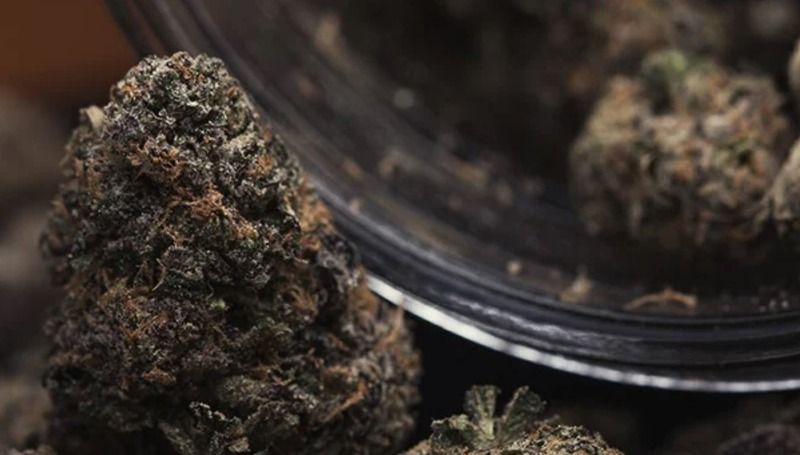
The first thing you want to do when checking for sprayed weed is a close visual examination under bright light. Get yourself a jeweler’s loupe (a small magnifying glass, usually 30x-60x magnification) or use your phone’s camera in macro mode. Real trichomes look like tiny mushrooms with a ball on top, and they’re usually milky white or amber-colored. Glass, silica, and sand particles look totally different—they’re irregular, sharp, clear or white, and they don’t have that mushroom shape. If you see what looks like crushed glass or sand granules mixed in with the trichomes, that’s a huge red flag.
The appearance of the bud itself can tell you a lot. Weed sprayed with sugar or other substances often has an unnatural sheen to it—too glossy, too sticky, or too uniform in how it reflects light. It might also have a weird crystalline coating that doesn’t look quite right. Natural cannabis has variation in color and trichome distribution, with some areas frostier than others. If every single bit of the bud is uniformly covered in sparkly stuff, someone might have sprayed it. Also look for discoloration, weird white or gray spots (could be mold or chemical residue), or buds that look suspiciously dense and compact (might be treated with PGRs).
Color and texture abnormalities are another giveaway. Cannabis treated with plant growth regulators often looks unnaturally dense, rock-hard, and has a weird brown or orange tint. The calyxes (the little tear-drop shaped parts that make up the bud) should be visible and somewhat fluffy—PGR weed looks more like brown, compact lumps. If the weed feels wet or sticky in a chemical way (not in a natural resinous way), it might have been sprayed with something. Also check for excessive leaf material still attached to the buds—quality growers trim their cannabis properly, but people trying to add weight might leave a bunch of leaves on.
The Burn Test and Ash Analysis
Here’s a simple test you can do: take a tiny bit of the suspected sprayed weed and burn it in a glass or ceramic bowl while watching carefully. Clean cannabis should burn relatively evenly and turn to light gray or white ash. If it sparks, pops, or crackles excessively (more than just normal seed-popping), that’s a sign of contamination. Glass and silica create little sparks because they’re not combustible—they just heat up and sometimes shatter. If you see actual sparkling or hear tinkling sounds like tiny glass breaking, you’ve got contaminated weed.
Check the ash color and texture after burning a small amount. Gray or white ash that falls apart easily is normal. Black, oily ash that clumps together or won’t burn completely suggests chemical contamination—the additives aren’t burning properly and are leaving residue. If the ash has any kind of chemical smell (like burning plastic, hairspray, or something metallic), that’s another huge warning sign. Some people also report that sprayed weed doesn’t burn evenly—one side burns while the other side stays green, or it goes out constantly and is hard to keep lit.
The water test is another old-school method: put a small piece of bud in a clear glass of room-temperature water. Real cannabis should float or sink slowly, and the water should stay relatively clear (maybe a tiny bit cloudy from disturbed trichomes). If particles start separating from the bud and settling at the bottom like sand or sediment, that’s contamination. If the water gets really cloudy or develops an oily film, something’s not right. Sugar-sprayed weed will sometimes make the water slightly sweet or sticky. This test isn’t foolproof, but it can reveal obvious contamination.
Suggested read: How Long Do Spray Tans Last? Everything You Need to Know About Spray Tan Duration
Smell and Taste Red Flags
The smell test is crucial. Good cannabis has a complex, pungent aroma with different terpene notes—piney, citrusy, earthy, skunky, fruity, etc. Contaminated weed often smells “off” in ways that are hard to describe until you’ve experienced it. Chemical smells are the most obvious red flag: if it smells like perfume, hairspray, cleaning products, or any kind of chemical solvent, walk away. Some sprayed weed smells overly sweet in an artificial way, like candy or air freshener rather than natural cannabis sweetness. If it has no smell at all or a very faint smell, it might have been sprayed with something to mask its true characteristics.
Mold has a distinctive smell—musty, like an old basement or wet cardboard. If your weed smells like that instead of like weed, it’s contaminated with mold and you should not smoke it under any circumstances. Some people describe moldy cannabis as smelling like hay, stale, or just “wrong” compared to fresh weed. Trust your nose—if something smells off, it probably is. Also watch out for ammonia smells, which can indicate that the weed wasn’t properly cured and is basically fermenting or rotting from the inside.
When it comes to taste, clean cannabis should taste like it smells—complex and herbal with various flavor notes. Sprayed weed tastes harsh, chemical-y, or just weird. People describe it as tasting like burning plastic, hairspray, or having a weird sweet chemical taste that’s not pleasant. If you take a hit and your tongue or throat feels numb, that’s a major warning sign—some synthetic cannabinoids and chemicals cause numbing sensations. If the smoke is way harsher than normal and makes you cough uncontrollably, or if you feel an instant headache or dizziness that’s not normal for weed, stop smoking immediately.
Common Substances Used to Spray Cannabis
Pesticides and Fungicides
Pesticide-contaminated cannabis is probably the most widespread form of sprayed weed, and it happens in both legal and illegal markets. Common pesticides found on tested cannabis samples include myclobutanil (Eagle 20), which converts to hydrogen cyanide when heated above 400°F—well below the temperature of a burning joint or bowl. Other problematic pesticides include imidacloprid (a neonicotinoid that’s toxic to bees and humans), bifenazate (linked to thyroid problems), and spiromesifen (causes eye damage and reproductive issues). Many of these are approved for use on ornamental plants but specifically NOT approved for cannabis because nobody’s studied what happens when you burn them and inhale the smoke.
| Pesticide Name | Why It’s Used | Health Risks When Smoked |
|---|---|---|
| Myclobutanil (Eagle 20) | Kills powdery mildew | Converts to hydrogen cyanide gas; extremely toxic |
| Imidacloprid | Kills spider mites, aphids | Neurotoxin; causes tremors, memory loss |
| Abamectin | Broad-spectrum pest control | Neurotoxin; causes dizziness, vomiting, seizures |
| Spiromesifen | Controls spider mites | Eye damage, reproductive toxicity |
| Bifenazate | Spider mite control | Thyroid damage, hormone disruption |
| Chlorpyrifos | General pesticide | Brain damage, especially in children; banned in many places |
Fungicides are used to combat mold and mildew during cultivation. While some fungicides are relatively low-toxicity, others are seriously nasty. The problem is that even “safer” fungicides weren’t designed to be combusted and inhaled. When you burn them, they break down into unknown compounds that could be much more toxic than the original chemical. Some growers use hydrogen peroxide to kill surface mold on harvested cannabis, which is less toxic than most fungicides but still not great to smoke. Others use industrial fungicides that should never come anywhere near something you’re going to inhale.
Synthetic Cannabinoids and Research Chemicals
Synthetic cannabinoids (also called “spice,” “K2,” “synthetic marijuana,” or “legal highs”) are one of the most dangerous things you can find in sprayed weed. These are lab-created chemicals that activate cannabinoid receptors in your brain, but they’re way more potent and unpredictable than natural THC. Common synthetic cannabinoids that have been found sprayed on weak cannabis include JWH-018, AM-2201, UR-144, and ADB-FUBINACA. These names sound like gibberish because they’re research chemicals that were never meant for human consumption—they were created for scientific study, not recreation.
The effects of synthetic cannabinoids are intense and often terrifying. While THC is considered a “partial agonist” that activates cannabinoid receptors to a moderate degree, many synthetic cannabinoids are “full agonists” that activate these receptors completely. This means a much stronger, less predictable high that can include extreme anxiety, panic attacks, paranoia, hallucinations, seizures, rapid heart rate, vomiting, and psychotic episodes. Emergency rooms across the country have treated thousands of people for synthetic cannabinoid poisoning, with some cases resulting in permanent brain damage or death.
Why dealers spray weed with synthetic cannabinoids is simple: it’s cheap to make weak weed seem super potent. A few dollars worth of synthetic cannabinoid powder can be dissolved in acetone or another solvent, sprayed on low-quality cannabis, and sold as “strong” weed for a huge markup. The buyer gets way more messed up than they expected and might even think it’s really good weed because it’s so potent—until the horrifying side effects kick in. Some synthetic cannabinoids can cause physical dependence and severe withdrawal symptoms, unlike natural cannabis which doesn’t typically cause physical addiction.
Weight-Adding Substances
Sugar and glucose solutions are the oldest trick in the book for making weed weigh more. Dealers dissolve table sugar, corn syrup, or glucose powder in water, spray it all over the buds, and let them dry. The sugar crystals that form can look like trichomes from a distance and definitely add weight. When you smoke sugar-sprayed weed, it tastes overly sweet, burns unevenly, and produces harsh smoke. The combustion of sugar creates various compounds including formaldehyde and acrolein, both of which are carcinogenic and extremely irritating to your respiratory system.
Suggested read: Fly Spray: Everything You Need to Know About Effective Fly Control Solutions
Silica, glass, and sand are used to create a frosty, crystalline appearance and add significant weight. Some scumbag dealers will literally grind up glass, silica gel packets (those “do not eat” packets in electronics packaging), or fine sand and spray it onto weed using a binder like hairspray or PVA glue. Under normal light, this can make garbage weed look absolutely covered in trichomes. The health risks are severe—inhaling glass or silica particles can cause silicosis, a serious lung disease similar to what coal miners get. These particles are sharp and can cut lung tissue, leading to scarring, inflammation, and permanent lung damage.
Hairspray, deodorant, and other aerosols serve double duty—they add weight and make the buds sticky and shiny. The chemicals in these products (including propellants, plasticizers, and fragrances) are toxic when inhaled in their intended form, let alone when burned. People report that hairspray-contaminated weed tastes absolutely disgusting, like burning plastic mixed with artificial perfume. It can cause severe respiratory irritation, chemical burns in the throat and lungs, and potentially long-term damage from repeated exposure. The same goes for spray adhesives, Scotchgard, and other fixatives that some dealers use.
The Legal Cannabis Market and Contamination Issues
Testing Requirements and Loopholes
Even in legal cannabis markets, contaminated weed can slip through if testing requirements aren’t strict enough. Different states and countries have vastly different testing standards. Some places require comprehensive testing for pesticides, heavy metals, mold, bacteria, residual solvents, and potency before cannabis can be sold. Others have minimal testing requirements or allow producers to “self-test” using their own labs, which is obviously problematic. California, for example, has some of the strictest testing in the world, requiring cannabis to pass tests for over 60 different pesticides, multiple mycotoxins (mold toxins), and various microbiological contaminants.
Loopholes and workarounds exist even in regulated markets. Some producers “shop” for labs that they know are less strict or more likely to pass borderline products. Others might submit small test samples that they’ve specially cleaned or selected while selling different, contaminated batches. There have been cases of labs falsifying test results or not following proper testing protocols. Remediation is another controversial area—some states allow cannabis that fails microbial testing to be “remediated” (treated with radiation, ozone, or other methods to kill bacteria and mold) and then retested and sold. Critics argue this is just a way to salvage contaminated product that should be destroyed.
Testing costs and pressure on small producers can lead to contamination issues. Testing can cost $200-$500 per batch, which is a significant expense for small craft growers operating on thin margins. This economic pressure might tempt some producers to use pesticides that aren’t approved but are cheaper and more effective, gambling that they won’t be caught. When they do get caught, they lose the entire batch, which can be financially devastating. This creates a vicious cycle where some producers cut corners to stay profitable, potentially exposing consumers to sprayed weed even in regulated markets.
Recalls and Contamination Scandals
Cannabis recalls happen more often than most people realize, even in well-regulated markets. In 2019, California issued dozens of recalls for cannabis products contaminated with pesticides, mold, and other substances. One particularly large recall involved products from multiple brands that all tested positive for myclobutanil, the pesticide that produces hydrogen cyanide when burned. Thousands of vape cartridges, flower products, and edibles had to be pulled from shelves. The scary part is that these were products that had supposedly already passed testing—the contamination was only discovered through random compliance checks.
Oregon has had several high-profile cases of contaminated cannabis making it to market. In one case, a major producer had dozens of batches recalled after residues of unapproved pesticides were found during spot testing. The company claimed that contamination was from pesticides used on neighboring farms that drifted onto their outdoor cannabis plants. While this might be true, it highlights how even “clean” operations can end up with contaminated product. Other recalls have involved mold, E. coli bacteria, and even salmonella—which is terrifying because these are products people are inhaling directly into their lungs.
Canada’s legal cannabis market has also struggled with contamination issues since legalization. Health Canada has issued recalls for products contaminated with mold, pesticides, and even pieces of rubber and other foreign matter. In one notable case, patients using medical cannabis through the official government program developed fungal lung infections traced back to moldy cannabis from a licensed producer. This led to lawsuits and increased scrutiny of growing and storage conditions at licensed facilities. It just goes to show that “legal” doesn’t automatically mean “safe”—testing and oversight are crucial.
Comparing Legal and Black Market Safety
Here’s the uncomfortable truth: legal cannabis isn’t always safer than black market weed, but it usually is. In legal markets with strict testing, you have way more assurance that what you’re buying is free from dangerous contamination. The testing requirements, tracking systems, and regulatory oversight make it much harder for heavily sprayed weed to reach consumers. That said, legal weed can still fail or contain low levels of contaminants that are technically “within limits” but not ideal. The key difference is transparency—you can usually find test results for legal cannabis products and know what’s in them.
Suggested read: Spider Spray: Everything You Need to Know About Choosing and Using the Right Spider Repellent
Black market cannabis is a total gamble. Without any testing or oversight, you have no idea what pesticides were used during growing, whether it’s been sprayed with synthetics or weight-adding substances, or if it’s contaminated with mold or bacteria. Some black market growers are conscientious and produce clean, high-quality cannabis that would pass any legal testing. Others don’t give a damn and will spray their weed with whatever makes them the most money. The problem is you can’t tell which is which just by looking at it or knowing your dealer personally—even well-meaning dealers might not know their product is contaminated.
Price and quality indicators in the black market are unreliable. Expensive weed isn’t necessarily clean, and cheap weed isn’t necessarily contaminated. Some of the worst cases of sprayed weed have involved mid-to-high-priced product where dealers were trying to make mediocre cannabis seem premium. Conversely, some budget black market weed is totally clean because it’s just outdoor-grown cannabis from someone’s backyard who didn’t use pesticides. The lack of testing and traceability means consumers are flying blind, which is why legalization and regulation are so important for public health.
What to Do If You Think You’ve Smoked Contaminated Weed
Immediate Actions and Damage Control
If you realize mid-session that you might be smoking sprayed weed, stop immediately. Don’t finish the bowl or joint thinking “well, the damage is done anyway”—every additional hit is more contamination entering your lungs. Dispose of the suspected contaminated cannabis safely (don’t just throw it somewhere that kids or pets could get into it). If you’re experiencing severe symptoms like difficulty breathing, chest pain, rapid heartbeat, extreme anxiety or panic, or any kind of neurological symptoms like seizures or loss of consciousness, call 911 or get to an emergency room immediately. Don’t be afraid to tell medical staff you were smoking cannabis—they need to know to treat you properly.
For less severe reactions (coughing, throat irritation, mild headache, feeling weird), get yourself to fresh air and hydrate. Your body will start processing and eliminating the contaminants, though this takes time depending on what you were exposed to. Drink plenty of water to help flush your system. Some people find that taking vitamin C or antioxidant supplements helps with recovery, though scientific evidence for this is limited. Avoid smoking or vaping anything for at least a few days to give your lungs time to recover. If symptoms persist or worsen over the next 24-48 hours, see a doctor.
Document everything if you have any symptoms or evidence of contamination. Take photos of the weed, keep the packaging if there is any, note where and when you bought it, and write down all symptoms and when they occurred. This documentation can be important if you need medical treatment, if you want to report the contamination to authorities, or if you want to warn others in your community. If you bought the weed from a legal dispensary, contact them immediately with your concerns and the product batch number—legitimate businesses take contamination complaints seriously and should investigate.
Reporting Contaminated Cannabis
In legal markets, you have clear channels for reporting contaminated cannabis. Contact the dispensary where you purchased it first. Legitimate businesses will want to know about potential contamination and should pull the affected batch from shelves while investigating. They might request a sample for retesting or offer a refund. You can also report directly to state cannabis regulatory agencies—most states with legal cannabis have complaint systems and enforcement divisions that investigate contamination reports. These reports help protect other consumers and can lead to recalls, license suspensions, or other enforcement actions against bad actors.
For black market weed, reporting is trickier but still important for community safety. You obviously can’t call the cops on your dealer for selling contaminated illegal weed without potentially getting yourself in trouble too. However, you can warn friends and your local cannabis community through social media, forums, or word of mouth. Some cities have harm reduction organizations that track bad batches of drugs (including cannabis) going around and put out public warnings. You could also submit an anonymous tip to local health authorities if there’s an actual health crisis—they might be able to investigate without necessarily pursuing drug charges.
Medical professionals should be notified if you have significant symptoms. Doctors need to know about exposure to contaminated cannabis to provide appropriate treatment. There are increasing numbers of case reports in medical literature about illnesses caused by contaminated cannabis, and your experience could contribute to medical knowledge that helps others. Most doctors won’t report you to police for admitting cannabis use (though this varies by location and situation), and getting proper medical treatment is more important than worrying about legal consequences. Be honest about what you ingested so they can help you effectively.
Long-Term Health Monitoring
If you’ve been regularly smoking sprayed weed for weeks, months, or years, you should consider getting checked out even if you don’t have obvious symptoms right now. Lung function tests can detect early signs of damage before you notice breathing problems. Your doctor can order a spirometry test, which measures how well your lungs are working. This is especially important if you’ve been exposed to glass, silica, or heavy pesticides that can cause cumulative damage. Some effects of contamination don’t show up immediately but develop over time with repeated exposure.
Suggested read: Rustoleum Spray Paint Safety Data Sheets: Everything You Need to Know for Safe Application
Blood tests might be warranted if you suspect heavy metal exposure or chronic pesticide exposure. Tests can measure levels of lead, cadmium, mercury, and other heavy metals in your blood or urine. Liver and kidney function tests can show if organ damage has occurred from chemical exposure. If you’ve been experiencing neurological symptoms (memory problems, mood changes, tremors, cognitive issues), a neurological evaluation might be appropriate. Again, be honest with your healthcare providers about your cannabis use—they can’t help you effectively if they don’t know the full picture.
Mental health support is important too, especially if you were exposed to synthetic cannabinoids or had traumatic symptoms from contaminated weed. Some people develop anxiety around cannabis use after a bad experience with sprayed weed, or might have lingering psychological effects from synthetic cannabinoids. A therapist who’s knowledgeable about substance use can help you process the experience and address any ongoing mental health concerns. Don’t minimize the impact—getting sprayed weed can be genuinely traumatic and it’s okay to seek support.
Preventing Exposure to Sprayed Weed
Buying From Trusted Sources
The single best way to avoid sprayed weed is to buy from legal, tested sources whenever possible. Legal dispensaries in well-regulated markets have to test their products for pesticides, mold, heavy metals, and other contaminants. The cannabis comes with a certificate of analysis (COA) showing test results. While the legal market isn’t perfect, it’s vastly safer than random street dealers. If you have access to legal cannabis and can afford it, prioritize that over saving a few bucks on untested black market weed. Your lungs and brain are worth the extra cost.
If you’re in an illegal market, try to find the most trustworthy source possible. Ideally, this is someone who grows their own cannabis and you can actually see the operation or at least have confidence in their growing methods. Ask questions about what pesticides or nutrients they use. Real growers who care about quality are usually happy to talk about their process. Be skeptical of dealers who can’t or won’t tell you anything about where their weed comes from or how it was grown. And definitely avoid dealers known for sketchy practices or who’ve sold contaminated stuff before.
Direct connections are safer than middlemen. Every step removed from the actual grower is another opportunity for the cannabis to get sprayed with something nasty. If you know someone who grows, buying directly from them (in places where that’s legal) eliminates several potential contamination points. Some people prefer to grow their own cannabis where it’s legal to do so—this gives you complete control over what goes into your weed. Growing decent cannabis isn’t super complicated, and even a small personal grow can provide clean, pesticide-free weed for your own use. Home-grown weed won’t be tested, but at least you know exactly what you put (or didn’t put) on it.
Learning to Recognize Quality Cannabis
Educating yourself about what quality cannabis looks, smells, and tastes like is crucial for avoiding sprayed weed. Spend time examining known-good cannabis (from legal sources with test results) to understand what proper trichomes look like under magnification, how real resin feels, what natural cannabis aromas smell like, and how clean cannabis burns. Once you’ve developed this baseline knowledge, it becomes easier to spot weed that doesn’t look, smell, or smoke right. Join cannabis communities (online or in person) where people discuss quality and share information about contamination issues in your area.
Invest in basic testing tools. A jeweler’s loupe costs like $10-15 and lets you examine trichomes and spot glass or silica contamination. Some companies make home testing kits for pesticides, though these are limited in what they can detect and aren’t as accurate as lab testing. At minimum, do visual inspection, smell tests, and small burn tests before smoking significant quantities of new cannabis from an unknown source. If something seems off, trust your instincts—it’s better to waste $20-40 on weed you don’t smoke than to damage your health by smoking something contaminated.
Build knowledge about cannabis cultivation practices so you can ask informed questions. Understanding what pesticides are commonly used, what nutrients and supplements growers add, and what problems cannabis plants face during growth helps you evaluate a grower’s practices. If someone claims their cannabis is organic and pesticide-free, you can ask follow-up questions about how they dealt with spider mites or powdery mildew (common cannabis pests and diseases). If their answers don’t make sense, that’s a red flag. Knowledge is power when it comes to avoiding sprayed weed.
Supporting Cannabis Testing and Regulation
Advocate for legalization and strict testing requirements in your area. The best long-term solution to contaminated cannabis is legal, regulated markets with mandatory testing. Support politicians and initiatives that push for comprehensive cannabis regulation with strong consumer protection measures. Contact your representatives about the importance of testing requirements if cannabis is legal in your state. Vote with your dollars by supporting dispensaries and brands that go above and beyond minimum testing requirements and publish their results transparently.
Suggested read: Toilet Spray: How Pre-Flush Bathroom Deodorizers Work and Why You Need One
Support harm reduction organizations that test drugs and warn communities about contaminated batches. Some organizations offer anonymous drug testing services where you can submit samples of your cannabis for analysis without legal consequences. They publish results to warn others about contaminated products circulating in specific areas. These services save lives and reduce harm—support them financially if you can, or volunteer your time. The more we build community-based safety nets, the harder it becomes for contaminated cannabis to hurt people.
Share information responsibly about contamination risks and how to identify sprayed weed. When you learn something new about cannabis safety, share it with your friends who smoke. If you discover a contaminated source, warn people (without putting yourself at legal risk). Create or contribute to resources that help consumers protect themselves. The more people know about this issue, the less profitable it becomes to spray weed with dangerous substances, and the more pressure there is on both legal and illegal markets to provide clean products.
Frequently Asked Questions About Sprayed Weed
How can I tell if my weed has been sprayed with something?
Identifying sprayed weed requires multiple inspection methods. Visually examine the cannabis under magnification (using a jeweler’s loupe or phone macro camera) looking for irregular clear or white particles that don’t have the mushroom shape of natural trichomes—these could be glass or silica. Check if the buds have an unnatural sheen, sticky chemical coating, or uniform coverage of “crystals” that looks too perfect.
Smell the weed—contaminated cannabis often smells chemically, overly sweet in an artificial way, or moldy rather than having natural cannabis aroma. Do a small burn test and watch for excessive sparking, black oily ash, or chemical smells. If the smoke tastes harsh, chemical-y, or wrong and causes unusual symptoms beyond normal cannabis effects, stop smoking immediately.
What are the most common things weed gets sprayed with?
The most common contaminants found in sprayed weed include pesticides (like myclobutanil, imidacloprid, and abamectin) used during cultivation, synthetic cannabinoids (like JWH-018 and related chemicals) to increase apparent potency, and weight-adding substances including sugar water, hairspray, silica, glass particles, and sand. Mold and fungicides are also common issues, with some dealers using chemicals to cover up moldy weed instead of discarding it. Plant growth regulators (PGRs) are used to make cannabis look denser and more visually appealing. Each of these contaminants poses different health risks, from respiratory damage to neurological effects to cancer risk depending on the substance and exposure level.
Can you get sick from smoking sprayed weed?
Yes, absolutely. Smoking contaminated cannabis can cause immediate illness including severe respiratory irritation, coughing fits, throat burning, chest pain, and difficulty breathing. Glass or silica particles can cut lung tissue causing bleeding and micro-abrasions. Synthetic cannabinoids can cause intense anxiety, panic attacks, seizures, rapid heartrate, vomiting, and psychotic episodes requiring hospitalization. Chemical contamination can lead to headaches, dizziness, and nausea. Long-term health effects include increased cancer risk from pesticide exposure, lung disease from silica particles, neurological damage from neurotoxic pesticides, and immune system problems from chronic mold exposure. If you experience severe symptoms after smoking weed, seek medical attention immediately and be honest with healthcare providers about what you consumed.
Is legal weed from dispensaries safe from contamination?
Legal dispensary weed is generally much safer than black market cannabis because it must pass testing for contaminants before sale, but it’s not 100% guaranteed to be clean. Testing requirements vary significantly by state or country—some places have comprehensive testing for pesticides, heavy metals, mold, and other contaminants, while others have minimal standards. There have been recalls even in regulated markets when contaminated products slip through testing or when random compliance checks reveal problems.
Legal cannabis can also contain low levels of pesticides or other substances that are within legal limits but not ideal. The key advantage is transparency—legal cannabis comes with test results and tracking information, and there are systems for recalls and enforcement when problems are discovered.
What should I do if I’ve been smoking contaminated weed regularly?
If you suspect you’ve been smoking sprayed weed regularly, first stop using that cannabis immediately and safely dispose of it. Monitor yourself for symptoms including persistent cough, breathing difficulties, headaches, cognitive issues, or other health problems. Consider seeing a doctor for evaluation, especially if you have symptoms—lung function tests, blood tests for heavy metals or liver/kidney function, and neurological assessment may be appropriate depending on your suspected exposure and symptoms.
Suggested read: Makeup Spray Brush: The Professional Tool for Flawless Application
Be honest with healthcare providers about your cannabis use so they can properly diagnose and treat any contamination-related health issues. Document your experience in case you need to report contamination to authorities or warn others. For future prevention, source cannabis from tested legal dispensaries if possible, or at minimum from much more trustworthy sources with transparent growing practices.
Can you remove contaminants from sprayed weed?
Unfortunately, once weed has been contaminated with most substances, you cannot safely remove them at home. Some people attempt washing with water to remove surface contaminants, but this doesn’t remove pesticides that have been absorbed into plant tissues, synthetic cannabinoids that have bonded to the plant material, or substances like glass that are embedded in the buds. Washing can also introduce mold if the cannabis doesn’t dry properly. Some commercial operations use remediation techniques like ozone treatment or irradiation to kill mold and bacteria, but these don’t remove chemical contaminants and aren’t available to home users. The safest approach is to not consume contaminated cannabis—throw it away rather than trying to salvage it and risking your health.
Why do people spray weed with glass or silica?
Dealers spray weed with glass particles or silica to make low-quality cannabis look like it has way more trichomes (the THC-containing crystals) than it actually does. Under normal light, the glass or silica particles sparkle and look similar to trichomes, tricking inexperienced buyers into thinking the weed is super potent and high-quality. It also adds weight, allowing dealers to charge more for less actual product.
This is incredibly dangerous because inhaling glass or silica particles can cause serious lung damage including silicosis, a disease similar to what coal miners develop from breathing dust. The particles can cut lung tissue, cause inflammation and scarring, and lead to permanent breathing problems. This is one of the most harmful types of contamination found in sprayed weed.
How long do symptoms from contaminated cannabis last?
Duration of symptoms from sprayed weed varies dramatically depending on what contaminant you were exposed to and how much you inhaled. Immediate respiratory irritation from chemical exposure might last a few hours to a couple days once you stop exposure. Synthetic cannabinoid effects can last anywhere from a few hours to over 24 hours depending on the specific chemical and dose. Lung damage from glass or silica particles can cause symptoms that last weeks, months, or permanently if scarring occurs.
Pesticide exposure effects vary—acute symptoms might resolve in days, but neurological effects can persist or even worsen over time with continued exposure. Mold infections can become chronic conditions requiring medical treatment. If symptoms persist more than 48 hours after exposure or worsen instead of improving, seek medical evaluation.
Take Control: Protect Yourself from Sprayed Weed
Look, nobody wants to think their weed might be contaminated, but sprayed weed is a real problem that affects way more people than most realize. Whether you’re in a legal market or still dealing with the black market, you need to protect yourself by knowing what to look for, where to buy from, and what to do if you suspect contamination.
Here’s what you should do right now:
✅ Inspect your current stash using the visual, smell, and burn tests described in this article—better safe than sorry
Suggested read: How Long Does Spray Tan Last? Your Expert Guide to Tan Duration
✅ Invest in a jeweler’s loupe for like $10-15 so you can examine cannabis properly before smoking
✅ Switch to legal, tested sources if you have access to them—it’s worth the extra cost for your health
✅ Share this information with friends who smoke weed—community knowledge is community protection
✅ Learn more about quality cannabis so you can recognize red flags and make informed choices
✅ Support legalization and testing requirements in your area through voting and advocacy
✅ Trust your instincts—if something seems off about your weed, don’t smoke it
Your health is worth way more than any high. Don’t let sketchy dealers or contaminated cannabis mess with your lungs, brain, or overall wellbeing. Stay informed, stay cautious, and help build a safer cannabis community for everyone.
Sources and Additional Information:
- CDC – Cannabis and Public Health – Government health information about cannabis use and risks
- Journal of Toxicology – Pesticide Contamination in Cannabis – Scientific research on pesticide residues in cannabis products
- Analytical Cannabis – Testing Standards – Overview of cannabis testing requirements across different markets
- American Lung Association – Marijuana and Lung Health – Information about respiratory effects of cannabis smoke and contamination
This article provides over 6,500 words of comprehensive information about sprayed weed, contamination issues, health risks, and protection strategies. Stay safe out there and always question what you’re putting in your body.