Picture this: you walk into your garden one morning, excited to check on your beautiful tomato plants, only to find half the leaves devoured overnight. Sound familiar? If you’ve dealt with caterpillar infestations before, you know how frustrating it can be to watch your hard work get chomped away by these hungry critters. That’s exactly where a caterpillar sprayer becomes your garden’s best friend.
A caterpillar sprayer isn’t just another piece of gardening equipment gathering dust in your shed—it’s a game-changing tool that helps you take back control of your garden without resorting to harsh chemicals that harm beneficial insects or put your family at risk. Whether you’re growing vegetables for your dinner table, maintaining ornamental plants, or managing fruit trees, understanding how to choose and use the right caterpillar sprayer can make the difference between a thriving garden and one that becomes a caterpillar buffet.
In this guide, we’re diving deep into everything you need to know about caterpillar sprayers. We’ll explore the different types available, how they work, what products to use with them, and practical tips that’ll turn you from a frustrated gardener into a caterpillar control expert. By the end, you’ll know exactly which caterpillar sprayer setup works best for your specific situation and how to use it like a pro.
What Exactly Is a Caterpillar Sprayer?
Let’s start with the basics. A caterpillar sprayer is any type of spray device designed to apply caterpillar control products—whether organic or synthetic—to plants, trees, and crops where these leaf-eating pests are causing damage. These destructive larvae can range from tiny 1/4-inch specimens to massive 4-inch behemoths, and they come in virtually every color imaginable including green, black, spotted, red, orange, yellow, and even blue varieties.
The term “caterpillar sprayer” doesn’t refer to a single specific product but rather encompasses several types of spray equipment that gardeners and farmers use to combat caterpillar infestations. Think of it this way: just like you wouldn’t use a sledgehammer to hang a picture frame, you wouldn’t use the same sprayer for a small herb garden that you’d use for acres of crops. The right caterpillar sprayer depends on your needs, the size of your treatment area, and how often you’ll be dealing with these pests.
What makes caterpillar control unique is that most caterpillars eat leaves and must consume the treatment product for it to work, which means your sprayer needs to deliver thorough, even coverage on both the tops and bottoms of leaves. This is completely different from contact pesticides where you just need to hit the pest directly. With caterpillar sprayers, you’re essentially coating every leaf surface so when those munching machines start feeding, they ingest the control product and stop damaging your plants.
Types of Caterpillar Sprayers: Finding Your Perfect Match
Choosing the right caterpillar sprayer can feel overwhelming when you’re staring at dozens of options online or in the garden center. Let’s break down the main categories so you can make an informed decision based on your actual needs rather than what looks cool or costs the least.
Handheld Pump Sprayers: The Garden Warrior’s Basic Tool
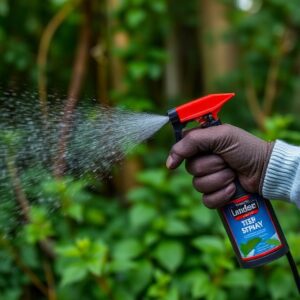
If you’re dealing with a small to medium-sized garden, a handheld pump sprayer is probably where you’ll want to start. These are the classic spray bottles you’ve seen forever—a tank with a pump handle that you compress several times to build pressure, then spray through a wand and nozzle. Handheld pump sprayers work by pumping air into the tank to create pressure for spray applications, and they typically hold between 1 and 2 gallons of solution.
Suggested read: Makeup Spray Brush: The Professional Tool for Flawless Application
The biggest advantage of handheld pump sprayers is their simplicity and affordability. You can pick up a decent one for under $30, they’re lightweight when partially filled, and they don’t require batteries or fuel. They’re perfect for spot-treating problem areas, managing smaller vegetable gardens, or handling ornamental plants around your home. However, they do require frequent pumping to maintain pressure, which can get tiring if you’re treating larger areas or dealing with serious infestations across multiple plants.
One pro tip: look for models with adjustable nozzles that let you switch between a fine mist (great for delicate plants) and a stronger stream (perfect for reaching the underside of leaves or taller plants). Also, make sure your chosen model has a filter on the intake—filters can get clogged if you’re using thick liquid products, but they prevent your nozzle from getting blocked mid-treatment.
Backpack Sprayers: When Your Garden Means Business
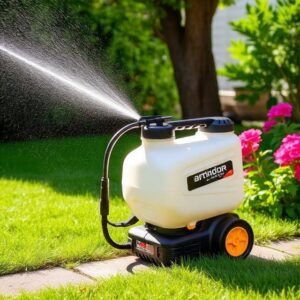
Once your treatment area exceeds about 1,000 square feet or you’re dealing with multiple trees and larger plantings, it’s time to graduate to a backpack sprayer. These units typically hold up to 4 or 5 gallons of spray solution and are worn on the operator’s back, which reduces fatigue since the weight is distributed across your shoulders rather than being held in one hand.
Backpack sprayers come in three main power configurations, each with distinct advantages:
Manual Pump Backpack Sprayers work similarly to handheld models but with larger capacity. You pump a lever (usually mounted on the side or integrated into the shoulder strap) to build pressure in the tank. These are budget-friendly, typically ranging from $50-150, and they’re mechanically simple which means fewer things can go wrong. The downside is that you need to stop and pump every minute or so to maintain adequate spray pressure, which interrupts your workflow.
Battery-Powered Backpack Sprayers have revolutionized caterpillar control for serious gardeners. Battery-powered models eliminate manual pumping entirely, allowing you to spray continuously without stopping to rebuild pressure. Most quality battery sprayers offer between 2.5 to 8 hours of continuous spray time on a single charge, with some models capable of spraying up to 200 gallons before needing a recharge. If you’re treating larger properties regularly, the investment (typically $150-400) pays for itself in time savings and reduced physical fatigue.
Gas-Powered Backpack Sprayers represent the professional tier. These units spray farther distances, generate more powerful pressure, but are heavier to carry and cost more upfront. Unless you’re managing orchards, vineyards, or commercial operations, you probably don’t need a gas-powered unit for typical caterpillar control.
Hose-End Sprayers: Cover Ground Fast
Hose-end sprayers attach directly to your garden hose and use water pressure to mix and apply products, potentially delivering up to 20 gallons in a single session. These are excellent for treating very large areas like expansive lawns where caterpillar damage is widespread, or when you need to push pesticides deep into soil for subsurface pest control.
The catch with hose-end sprayers for caterpillar sprayer applications is that you’re limited by where your hose can reach, and water pressure can be inconsistent depending on your home’s water system. They’re also less precise than pump or backpack sprayers, making them better suited for broadcast applications rather than targeted treatment of individual plants.
Suggested read: The Ultimate Spray Tan Scrub: How to Prep, Maintain, and Remove Your Golden Glow
Understanding Pump Types: Piston vs. Diaphragm
Here’s something most gardening articles skip over, but it’s actually super important when choosing your caterpillar sprayer: the type of pump mechanism inside. Backpack sprayers generally come in one of two types of liquid delivery systems—piston pump and diaphragm pump.
Piston pumps are more popular for home gardeners because they’re simpler in design, easier to repair, and produce higher PSI ratings which means better spray distance and coverage. However, piston pumps can develop leaks over time when used with abrasive or corrosive chemicals, so if you’re planning to use your sprayer for multiple purposes beyond just organic caterpillar control, this matters.
Diaphragm pumps are designed for professionals who work with potent chemicals regularly. They’re a sealed system that prevents chemical exposure to the operator and uses chemically resistant materials throughout. The trade-off is lower pressure output compared to piston pumps, but for most caterpillar control applications, you don’t need maximum PSI anyway—you need thorough, gentle coverage of leaf surfaces.
Caterpillar Control Products: What Goes in Your Sprayer
Now that we’ve covered the hardware, let’s talk about what you’re actually spraying. The caterpillar sprayer is just the delivery system—the real magic happens with the products you choose to fill it with. The good news is that effective caterpillar control doesn’t require harsh chemicals that harm beneficial insects or leave concerning residues on your vegetables.
Bt Products: The Organic Gold Standard
The absolute MVP of caterpillar control is Bacillus thuringiensis, or Bt for short. Bt is a naturally occurring soil bacterium that produces proteins toxic to certain insect larvae, particularly caterpillars, while remaining safe for humans, animals, and most beneficial insects. This stuff is genuinely remarkable—Bt bacteria have been used since 1958 as a form of caterpillar control on crops, which gives us over six decades of proven effectiveness and safety data.
Here’s how Bt works its magic: when caterpillars consume Bt-treated foliage, the bacteria produce proteins that paralyze the caterpillar’s digestive system, causing them to stop feeding immediately and die within a few days. What makes this particularly valuable is that it’s one of the safest natural pesticides you can use because it specifically targets caterpillar pests without harming beneficial insects.
Popular Bt products you’ll find for your caterpillar sprayer include:
- Safer Brand Caterpillar Killer II: This OMRI-listed concentrate uses Bacillus thuringiensis var. kurstaki and when used as directed, won’t harm birds, earthworms, or beneficial insects like honeybees and ladybugs. It’s approved for use on fruits, vegetables, shade trees, and ornamentals.
- Monterey B.t. RTU: Available in ready-to-use formulations with hand pump sprayers, this product should be applied when worms or caterpillars are first noticed, then repeated at 5-7 day intervals while they’re active.
- Southern Ag Thuricide BT: When applied to plants or crops, this organic liquid concentrate stops caterpillars of any age and various types of worms including cabbage loopers and other listed insects.
The mixing ratios for Bt products in your caterpillar sprayer vary by brand, but a typical mix rate for fruit trees is 4 teaspoons per gallon of water. Always follow the specific label directions for your chosen product—more isn’t better with Bt, and proper dilution ensures optimal effectiveness.
Suggested read: Belt Dressing Spray: The Ultimate Solution for Squeaky Belts and Enhanced Performance
One critical point about Bt: sunlight degrades Bt after a few hours, so it’s best applied late in the day so it can be consumed during the caterpillars’ nightly feeding sessions. If you spray in the morning, much of the active ingredient will break down before those hungry pests even start munching, wasting both product and your time.
DIY and Homemade Caterpillar Sprayer Solutions
If you prefer making your own treatments or need an immediate solution while waiting for commercial products to arrive, several homemade formulations work surprisingly well. Keep in mind these aren’t as rigorously tested as commercial products, but many gardeners swear by them.
One popular option combines two teaspoons of neem oil with one teaspoon of mild liquid soap and one quart of water, shaken well before spraying on plants and visible pests. Neem oil works differently than Bt—it acts as both a repellent and feeding deterrent, though it doesn’t kill caterpillars as quickly.
For a simple garlic deterrent spray, blend 2 whole garlic bulbs with half a cup of water, let it sit for at least 12 hours, then add one teaspoon of mild liquid soap and a quart of water to the mixture. This creates a strong-smelling spray that repels many caterpillar species, though it won’t eliminate existing infestations as effectively as Bt.
A vinegar-based spray can be made by combining two tablespoons of raw vinegar with four liters of water. The acidic nature helps control various harmful insects, though you need to be careful with application rates to avoid damaging tender plants.
How to Use Your Caterpillar Sprayer Like a Pro
Having the right caterpillar sprayer and products is only half the battle—proper application technique makes the difference between so-so results and total caterpillar elimination. Let’s walk through the process step-by-step.
Timing Is Everything
First, understand caterpillar biology. Caterpillars hatch from eggs that could have been laid in late fall from the previous year or deposited in early spring from hatching pupae, and they become active as local plant life starts growing its spring foliage. This means early season monitoring is critical—catching infestations when caterpillars are small makes control exponentially easier.
Apply your Bt-based treatments when worms or caterpillars are first noticed, then repeat at 5-7 day intervals while they remain active, applying more frequently for heavy infestations. Don’t wait until you see massive damage—by then, the caterpillars are larger, harder to kill, and have already done significant harm.
Application Technique
Remember that your objective is to place the substance where the caterpillars will eat it. This seems obvious, but it has major implications for how you spray. You can’t just mist the tops of leaves and call it good—caterpillars often feed from the undersides of foliage where they’re protected from sun and predators.
Suggested read: Battery Powered Sprayer: Everything You Need for Efficient Spraying
Bt products should be applied thoroughly to both top and bottom of foliage, and they must be eaten by worms or caterpillars to be effective. This means taking your time, working systematically through affected plants, and using your sprayer’s adjustable nozzle to reach every surface. Tilt leaves gently if needed to access undersides, and don’t skimp on coverage for the sake of saving a few cents of product.
For specific pests like corn earworms, you need to squirt the Bt solution directly into the tips of young ears of corn where these pests feed—a general spray over the plant won’t reach them. Know your enemy’s habits and adjust accordingly.
Mixing and Safety
When preparing your caterpillar sprayer solution, begin by partially filling the sprayer with water, then add the appropriate amount of product, mix well, and then add the remaining water. This two-step mixing process ensures thorough distribution of the active ingredients.
Use all spray mixture within 24 hours because Bt degrades relatively quickly once mixed with water. Don’t prepare huge batches thinking you’ll save time—you’ll just end up throwing away ineffective solution.
Even though Bt and many organic products are extremely safe, basic protective equipment is smart. Wear gloves, long sleeves, and eye protection, especially if you’re treating extensively. And here’s something important: don’t spray or dust Bt if there are any bees foraging nearby, as some strains can affect beneficial insect larvae. Early morning or late evening applications avoid this issue while also maximizing effectiveness.
Maintaining Your Caterpillar Sprayer for Longevity
A quality caterpillar sprayer represents an investment in your garden’s health, so proper maintenance ensures it’ll serve you for years rather than failing mid-season. Here’s what you need to know.
After each use, flush the system thoroughly—fill your sprayer with clean water, pump it up or turn it on, and spray until the water runs clear. This prevents product buildup that can clog nozzles, corrode seals, or create cross-contamination issues if you use different products in the same sprayer.
For backpack sprayers, inspect the system before each use by visually checking for obvious damage like hose tears or tank holes, then add a little water, activate the pump, and spray some onto grass to ensure the unit is still holding pressure without leaks. Catching small problems early prevents equipment failure when you’re halfway through treating an infestation.
Pay special attention to battery maintenance if you’ve invested in a battery-powered unit. Don’t overcharge lithium-ion batteries by leaving them plugged in for extended periods, as this degrades battery life over time. Follow your manufacturer’s charging guidelines religiously—a $300 sprayer with a dead battery is just an awkward backpack.
Suggested read: Bear Spray Holster: Your Essential Guide to Quick-Access Bear Protection
Store your caterpillar sprayer in a cool, dry place out of direct sunlight. UV exposure degrades plastic components, and temperature extremes can damage seals and O-rings. If you live in a freezing climate, drain all water from the system before winter storage to prevent ice damage.
Choosing the Right Caterpillar Sprayer for Your Needs
Let’s get practical. How do you actually decide which caterpillar sprayer to buy? Here’s a decision framework based on your specific situation.
For small gardens under 500 square feet: A 1-2 gallon handheld pump sprayer is perfect. You don’t need the expense or bulk of larger equipment, and you can treat your entire space in 10-15 minutes. Budget $20-50 for a quality unit.
For medium gardens 500-3,000 square feet: This is where manual pump backpack sprayers shine. A 1-gallon pump-up sprayer is usually enough for average-size homes, while backpack sprayers are better for larger properties or regular treatments. You’ll spend $50-120 but save significant time and effort. If you have any mobility limitations or back problems, consider stretching to a battery-powered model even at this size.
For large properties over 3,000 square feet or multiple treatment areas: Battery-powered backpack sprayers become cost-effective. Battery-powered sprayers provide consistent pressure without hand-pumping, which is great for reducing fatigue during extended use. You’ll invest $150-400, but models offering up to 8 hours of continuous spray time eliminate the constant stopping and pumping that makes caterpillar control tedious with manual equipment.
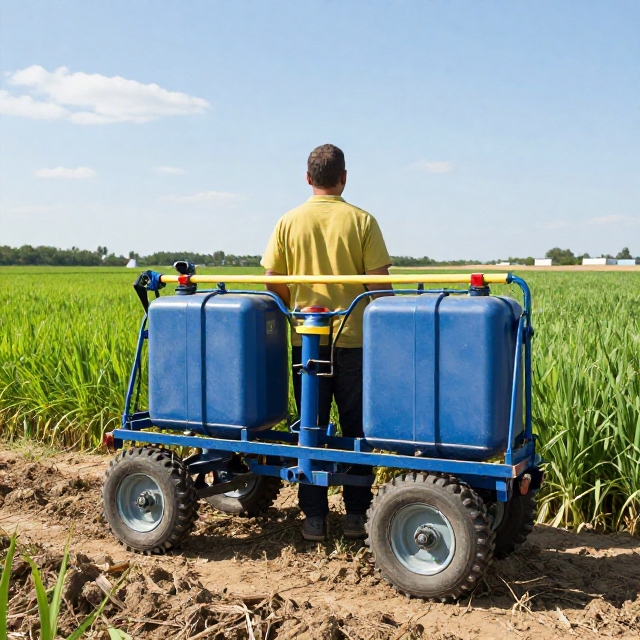
For professional or commercial use: Look at gas-powered models or high-end battery systems. You need reliability, power, and the ability to cover acres efficiently. Expect to invest $400-1,000+ for commercial-grade equipment.
Consider PSI (pounds per square inch) requirements too. A PSI of 70 or above suits large yards, while 40 to 70 PSI is sufficient for most homeowners. Higher pressure lets you spray farther and reach taller trees without a ladder, but it’s overkill for low-growing vegetables and can actually damage delicate plants.
Common Caterpillar Sprayer Mistakes to Avoid
Even experienced gardeners make these errors. Learn from others’ mistakes instead of your own.
Suggested read: Automatic Air Freshener Spray Dispenser Wall Mounted: Your Home & Business Solution
Mistake #1: Spraying only when damage is severe. By the time you see major leaf destruction, caterpillars are larger, harder to kill, and have already stressed your plants. Apply treatments when caterpillars are first noticed and repeat at 5-7 day intervals rather than waiting for disaster.
Mistake #2: Only spraying tops of leaves. Thorough coverage requires treating both top and bottom leaf surfaces. Many caterpillars feed from underneath where they’re hidden from view, so surface-only treatments miss the target entirely.
Mistake #3: Using the wrong product. Not all insecticides work on caterpillars. Bt must be eaten by caterpillars to be effective, so contact insecticides designed for aphids or beetles won’t do the job. Know what you’re fighting and choose products specifically labeled for caterpillar control.
Mistake #4: Spraying in full sun. Sunlight degrades Bt within hours, so daytime applications lose effectiveness before caterpillars can consume enough to die. Late afternoon or evening treatments ensure maximum potency during peak feeding times.
Mistake #5: Mixing too much product at once. Mix only as much concentrate as you’ll need for immediate use, as Bt loses effectiveness within days of mixing. That giant batch you mixed last week is basically just expensive water now.
Caterpillar Sprayer Setup: Step-by-Step Guide
Ready to actually use your new equipment? Here’s the complete workflow.
Step 1: Identify the Problem – Walk your garden and actually look for caterpillars, not just damage. Different species feed at different times, so check early morning and evening. Look for frass (caterpillar droppings), which appears as small dark pellets under affected leaves.
Step 2: Calculate Coverage Needed – Determine square footage by measuring length times width of your treatment area. This prevents wasteful overmixing and ensures you have enough solution to complete the job.
Step 3: Mix Your Solution – For most Bt products, you’ll use approximately 1.5-4 teaspoons per gallon depending on the formulation and target pest. Fill your sprayer halfway with water first, add the measured product, mix thoroughly, then add the remaining water.
Suggested read: Flea and Tick Spray: Your Essential Pet Protection Solution
Step 4: Calibrate Your Sprayer – Before treating your plants, spray some water on a test area to ensure your nozzle is set correctly and you’re comfortable with the spray pattern. Adjust between mist and stream as needed.
Step 5: Apply Systematically – Work through your garden section by section. Spray leaf tops first, then carefully lift or tilt leaves to access undersides. Continue agitating your spray mixture as you apply the product to maintain consistent concentration.
Step 6: Monitor and Repeat – Check the area for newly hatched pests even after treatment, as more caterpillar eggs may hatch. Repeat applications every 5-7 days until you see no new damage or caterpillars.
Step 7: Clean Your Equipment – Flush and empty the system once your application is complete, especially if you store your equipment for extended periods between uses.
FAQs About Caterpillar Sprayers
Q: What is the best type of caterpillar sprayer for vegetable gardens?
For most vegetable gardens, a 1-2 gallon handheld pump sprayer or a 4-gallon battery-powered backpack sprayer works best. Bt-based products are OMRI-listed for organic use and safe to apply to vegetables, making them ideal for edible crops. Choose equipment that lets you easily access both tops and bottoms of leaves, since thorough coverage is critical for effectiveness.
Q: How often should I use my caterpillar sprayer during peak season?
You should apply caterpillar control products when pests are first noticed, then repeat at 5-7 day intervals while caterpillars remain active. For heavy infestations, more frequent applications may be necessary. Monitor your plants regularly—if you see new damage or caterpillars between treatments, don’t wait the full week to spray again.
Q: Can I use the same sprayer for caterpillar control and other garden tasks?
Yes, but with important caveats. Always flush the system thoroughly after each use to prevent cross-contamination between different products. Some gardeners maintain separate sprayers for herbicides versus insecticides to avoid any risk of damaging plants with herbicide residue. If you use multiple chemical types, label your sprayers clearly and rinse extensively between uses.
Q: Are caterpillar sprayer products safe for beneficial insects?
Quality Bt-based products are remarkably selective. Bt is one of the safest natural pesticides available because it targets caterpillar pests specifically without harming beneficial insects like honeybees and ladybugs. However, avoid spraying when bees are actively foraging, and be aware that some Bt strains can affect beneficial insect larvae. Choose OMRI-listed products for maximum safety.
Q: What’s the shelf life of mixed caterpillar sprayer solutions?
Use your entire spray mixture within 24 hours of mixing. Bt products degrade quickly once diluted, losing effectiveness after a day or two. Unmixed concentrates store much longer—follow the manufacturer’s storage guidelines on the product label, typically 2-3 years when kept cool and out of direct sunlight.
Q: Why isn’t my caterpillar sprayer working even after multiple applications?
Several possibilities: First, sunlight degrades Bt within hours, so applications made in full sun lose potency before caterpillars feed—switch to late afternoon or evening spraying. Second, you might be missing the undersides of leaves where caterpillars actually feed. Third, your mixed solution might be too old and degraded. Finally, ensure you’re actually using a product designed for caterpillar control—not all insecticides affect caterpillars.
Q: What PSI does my caterpillar sprayer need?
Most homeowners find that 40 to 70 PSI is sufficient for garden applications, while 70 PSI or above suits large yards and taller trees. Higher pressure isn’t always better—excessive PSI can damage delicate foliage and wastes product through overspray. Match your sprayer’s pressure output to your specific plants and treatment area.
Q: Can I make my own caterpillar spray instead of buying commercial products?
Absolutely. Homemade options include neem oil mixtures (2 teaspoons neem oil, 1 teaspoon mild soap, 1 quart water), garlic spray (2 blended garlic bulbs steeped 12 hours with soap and water), or vinegar solution (2 tablespoons vinegar per 4 liters water). These work as deterrents and can help with light infestations, though commercial Bt products are generally more effective for serious caterpillar problems.
Take Action: Get Your Caterpillar Sprayer Today
Listen, every day you wait is another day those caterpillars are turning your beautiful plants into their personal all-you-can-eat buffet. The good news? Now you’ve got all the knowledge you need to choose the right caterpillar sprayer for your situation and use it effectively.
Whether you’re protecting a small herb garden or managing acres of crops, the right combination of equipment and products makes caterpillar control straightforward and effective. Start with a quality caterpillar sprayer matched to your garden size, pair it with proven Bt-based products for safe organic control, and follow the application techniques we’ve covered. You’ll see results within days—caterpillars stop feeding immediately after consuming Bt, and damage halts while your plants recover.
Don’t let another season slip by watching helplessly as caterpillars destroy your hard work. Invest in a proper caterpillar sprayer setup now, and you’ll wonder why you tolerated these pests for so long. Your tomatoes, cabbages, and fruit trees will thank you with abundant, undamaged harvests. That’s not just pest control—that’s taking back your garden.
Ready to protect your plants? Grab your caterpillar sprayer, mix up a batch of Bt, and show those hungry caterpillars who’s boss. Your garden victory starts today.
Sources:
- Bug Spray: Caterpillar Control for the Home – https://bugspray.com/article/caterpillar
- Safer Brand: Caterpillar Killer II Concentrate – https://www.saferbrand.com/safer-brand-caterpillar-killer-ii-with-bt-concentrate-16-oz-5163-6
- Solutions Pest & Lawn: Backpack Sprayers Guide – https://www.solutionsstores.com/backpack-sprayers
- Bob Vila: Best Backpack Sprayers Review – https://www.bobvila.com/reviews/best-backpack-sprayers/
- Mother Earth News: How to Use Bt Pesticide – https://www.motherearthnews.com/organic-gardening/how-to-use-bt-pesticide-zw0z1304zkin/
- Today’s Homeowner: Using Bt for Organic Caterpillar Control – https://todayshomeowner.com/lawn-garden/guides/using-bt-for-organic-caterpillar-control-in-your-garden/