Understanding Why Location Matters When Applying Cologne
Where to spray cologne on your body directly impacts how the fragrance develops, how long it lasts, and how others perceive it. The science behind fragrance application is more complex than simply spraying wherever feels convenient. Your body has specific heat zones called pulse points where blood vessels sit close to the skin’s surface, creating warmth that helps diffuse and amplify cologne molecules into the air. Understanding these optimal application zones transforms cologne from a simple grooming product into a sophisticated personal signature that evolves throughout the day.
The effectiveness of cologne application depends on three primary factors: heat, moisture, and circulation. Pulse points naturally generate warmth through blood flow, which activates the fragrance’s volatile compounds and causes them to evaporate at a controlled rate. This evaporation creates the scent trail or “sillage” that others detect when you move through a space. Areas with better circulation and higher temperatures project fragrances more effectively, while cooler areas with less blood flow cause fragrances to sit closer to the skin, creating a more intimate scent experience.
Strategic cologne placement also affects how the fragrance interacts with your body’s natural chemistry. Your skin’s pH level, oil production, and unique chemical composition alter how cologne notes develop and blend. By choosing application sites wisely, you can maximize projection during the opening notes, extend longevity through the middle notes, and create a pleasant drydown that lasts for hours. Professional perfumers and fragrance experts have identified specific body locations that consistently deliver optimal results across different cologne types, body types, and wearing occasions.
The Best Pulse Points for Applying Cologne
Neck and Throat Area
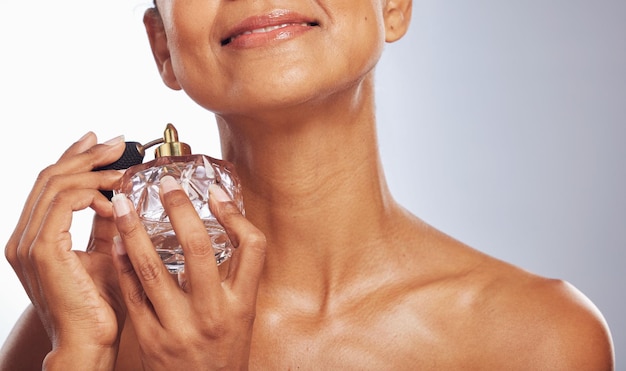
The neck represents one of the most effective locations for cologne application due to its concentration of pulse points and exposure to air circulation. The sides of your neck, just below your jawline and behind your ears, contain carotid arteries that carry warm blood close to the skin’s surface. This warmth helps cologne molecules evaporate gradually, creating a consistent scent cloud that rises naturally toward your face and those nearby. Applying cologne to these areas ensures that you’ll catch subtle whiffs of your fragrance throughout the day, maintaining your connection to the scent without it becoming overwhelming.
Behind the ears specifically deserves special attention as a cologne application site. This area combines warmth from blood circulation with a slightly oily environment that helps anchor fragrance molecules. The natural oils produced by the skin behind your ears act as a fixative, slowing the evaporation rate and extending the cologne’s longevity. Additionally, this placement creates a pleasant scent experience during close conversations, as the fragrance projects subtly when someone leans in to speak with you. Many fragrance professionals consider this the single most important application point for creating intimate, memorable scent experiences.
The base of your throat at the center of your collarbone offers another prime pulse point for cologne. This hollow area traps warmth and creates a concentrated scent pool that rises upward throughout the day. When you move, talk, or turn your head, the fragrance dispersed from this point creates dynamic projection that changes with your movements. This location works particularly well for cologne you want others to notice from a moderate distance, as the central position on your chest creates even distribution to both sides of your body.
Wrists and Inner Arms
Your wrists are perhaps the most commonly recommended cologne application points, and for good reason. The radial artery runs close to the skin’s surface on the inside of your wrists, creating a warm zone that helps diffuse fragrances effectively. Additionally, your hands move constantly throughout the day, creating natural air circulation that spreads the scent without requiring conscious effort. Every time you gesture while speaking, reach for objects, or simply move your arms, you activate the cologne and project it into your surrounding space.
Suggested read: Makeup Spray Brush: The Professional Tool for Flawless Application
However, the traditional advice about where to spray cologne on wrists comes with an important caveat: never rub your wrists together after application. This common mistake crushes the delicate top note molecules and disrupts the intended fragrance composition, causing the cologne to smell different than the perfumer designed. Instead, allow the cologne to dry naturally on your wrists, letting the alcohol evaporate and the fragrance notes develop in their intended sequence. If you want to spread cologne from one wrist to both, gently dab or pat them together rather than rubbing vigorously.
The inner elbows provide an alternative to wrists that many fragrance enthusiasts prefer for certain occasions. The crease of your elbow contains a pulse point similar to your wrists but with less exposure to environmental factors that can diminish cologne longevity. This area experiences less hand-washing, less contact with objects, and less friction from clothing, allowing the fragrance to develop more fully throughout the day. Inner elbows work particularly well for precious or expensive colognes where you want to maximize every spray’s value by minimizing unnecessary evaporation or rubbing off onto surfaces.
Chest and Torso Application
The chest serves as an excellent foundation for cologne application, particularly for fragrances you want to create a subtle, personal scent bubble around yourself. The area just below your collarbone and across your upper chest maintains consistent warmth from your core body temperature while remaining mostly covered by clothing. This combination creates a microclimate where cologne develops beautifully without being affected by external temperatures, wind, or sun exposure. The warmth rising from your chest carries fragrance upward toward your face and outward through your clothing’s neckline.
Spraying cologne on your chest offers the advantage of longevity through protection. Unless you’re shirtless, this application remains shielded from the environment, preventing premature evaporation from sun, wind, or air conditioning. The fragrance molecules trapped between your skin and clothing create a reservoir that releases scent gradually as your body temperature fluctuates throughout the day. When you remove your jacket or sweater in the evening, you’ll often notice a pleasant resurgence of fragrance as the cologne that was trapped against your chest is suddenly exposed to air circulation.
The sides of your torso, approximately where your ribs meet under your arms, provide additional application points for those seeking maximum projection. These areas combine warmth, movement, and air circulation as your arms swing naturally while walking or gesturing. However, this placement requires careful consideration of quantity, as cologne applied here can become intensified by the heat generated in your underarm area. Use this location sparingly and only with fragrances that aren’t too heavy or sweet, as the additional warmth can make some cologne compositions smell cloying or overwhelming.
How to Spray Cologne for Maximum Longevity
Optimal Distance and Spray Technique
The proper distance for spraying cologne ranges from 3 to 6 inches from your skin. This distance allows the cologne to disperse in a light mist that settles evenly across the target area rather than concentrating in a wet spot. Spraying too close creates an oversaturated application where too much liquid hits a small area, leading to potential skin irritation, staining on clothing, and an overwhelming initial blast of fragrance that dissipates quickly. Spraying too far causes the cologne mist to disperse before reaching your skin, wasting product and creating uneven coverage.
Quality cologne atomizers are designed to create a fine, even mist when held at the correct distance. The spray pattern should form a cone shape that covers approximately 2-3 inches in diameter when it reaches your skin. This coverage ensures adequate fragrance deposition without oversaturation. Premium colognes typically have well-engineered spray mechanisms that deliver consistent mist patterns, while cheaper fragrances may have inferior atomizers that spray unevenly or in concentrated streams. If your cologne sprays in a stream rather than a mist, hold it slightly farther away to compensate.
Suggested read: Dana Tabu by Dana EDC Spray: The Timeless Oriental Fragrance
The number of sprays depends on the cologne’s concentration, the occasion, and personal preference. For eau de cologne (the lightest concentration), 4-6 sprays across multiple pulse points is appropriate. Eau de toilette requires 2-4 sprays, while eau de parfum and parfum concentrations need only 1-2 sprays due to their higher fragrance oil content. Start conservatively and add more if needed—you can always apply additional cologne, but you can’t remove it once applied. Remember that you become desensitized to your own fragrance within minutes, so just because you can’t smell it strongly doesn’t mean others can’t detect it.
Timing Your Application
When to apply cologne significantly affects its performance and longevity. The optimal time is immediately after showering while your skin is still slightly damp and warm. The open pores and hydrated skin from your shower create ideal conditions for fragrance absorption and bonding with your skin’s natural oils. The moisture on your skin helps dissolve the alcohol in cologne more quickly, allowing the fragrance oils to settle onto your skin rather than evaporating into the air. This timing ensures maximum longevity and creates a more intimate connection between the cologne and your body chemistry.
Applying cologne to dry skin later in the day works differently than post-shower application. Dry skin absorbs less fragrance and allows more rapid evaporation, reducing longevity. If you need to reapply cologne during the day, consider moisturizing the target area first with an unscented lotion to create a more receptive surface. Some fragrance enthusiasts keep a small travel atomizer of their signature cologne at work or in their car for midday touch-ups, applying fresh sprays to wrists or neck to revive the scent for evening activities.
The relationship between cologne application and other grooming products requires consideration. Apply cologne after all other products (moisturizer, sunscreen, hair products) have been absorbed and dried on your skin. Layering cologne over wet or oily products can alter the fragrance’s development and reduce its adhesion to your skin. However, some grooming products can enhance cologne performance: using a matching scented body wash and lotion from the same fragrance line creates a layered effect that extends longevity and intensifies the scent experience.
Environmental Considerations
Temperature and climate dramatically impact where to spray cologne and how much to use. In hot, humid conditions, cologne evaporates more quickly and projects more intensely, requiring lighter application to avoid overwhelming others. Apply cologne to lower pulse points (wrists, inner elbows) in hot weather rather than your neck and chest, as heat rises and will carry the scent upward naturally. The combination of body heat and environmental heat in summer can turn even moderate cologne application into an overpowering experience, so reduce the number of sprays by 30-50% compared to cool weather application.
Cold weather requires adjusted cologne application strategies. Lower temperatures slow evaporation, causing fragrances to sit closer to the skin with less projection. Compensate by applying cologne to more pulse points or increasing the number of sprays slightly. Cold air is also drier, which can dehydrate skin and reduce fragrance longevity. Combat this by ensuring your skin is well-moisturized before cologne application, and consider applying an additional spray to your clothing or scarf to create a fragrance reservoir that releases scent as you move between outdoor cold and indoor warmth.
Indoor environments with air conditioning or heating create unique challenges for cologne application. Air conditioning accelerates evaporation and can strip fragrances from your skin more quickly than natural conditions. If you’ll spend your day in heavily air-conditioned spaces, apply cologne to protected areas like your chest under clothing rather than exposed pulse points. Heating systems create dry air that similarly affects fragrance longevity. Using a humidifier at your desk or applying cologne to fabric surfaces (scarf, jacket lining) in addition to skin helps maintain scent presence in these environments.
Suggested read: Automatic Spray Painting: The Future of Industrial Coating Solutions
Common Mistakes to Avoid When Applying Cologne
The Rubbing Error
Rubbing cologne into your skin after application represents one of the most widespread and damaging mistakes in fragrance application. When you spray cologne on your wrists and then rub them together, the friction generates heat and crushes the delicate molecular structure of the fragrance’s top notes. This process, called “bruising” the fragrance, destroys the careful balance that perfumers create when composing a cologne. The result is a flattened, altered scent that smells harsher and less nuanced than intended, often with the lighter, fresher top notes disappearing almost immediately.
The science behind why rubbing damages cologne involves understanding fragrance construction. Colognes are built in layers: top notes (the first impression), middle notes (the heart), and base notes (the foundation). Top notes contain the lightest, most volatile molecules that are deliberately fragile to create an opening burst before transitioning to deeper notes. Rubbing physically breaks these molecules apart, forcing the fragrance to skip its intended opening phase and jump directly to the middle notes. This disruption fundamentally changes the wearing experience and prevents the cologne from developing as the perfumer envisioned.
Proper application technique involves spraying cologne onto pulse points and allowing it to dry naturally without any rubbing or pressing. If you want to apply cologne to both wrists, spray one wrist and then gently dab (not rub) it against the other with minimal pressure. Better yet, spray each wrist separately to ensure even application without any friction. This hands-off approach preserves the integrity of the fragrance composition and allows each note to develop in its intended sequence, creating the full olfactory journey that makes wearing quality cologne such a pleasure.
Over-Application and Fragrance Overload
Applying too much cologne is perhaps the second most common mistake, turning what should be an attractive personal signature into an offensive assault on everyone’s senses. The phenomenon known as “nose blindness” or olfactory fatigue causes you to stop smelling your own cologne within 15-20 minutes of application, leading many people to believe their fragrance has disappeared when others can still smell it clearly. This desensitization drives the temptation to over-apply, creating a vicious cycle where you keep adding more cologne that you can’t smell but everyone else finds overwhelming.
Understanding proper cologne quantity requires recognizing that fragrances should create an intimate scent bubble rather than announcing your presence before you enter a room. The general rule is that people should only smell your cologne when they enter your personal space (approximately 2-3 feet), not from across a room or down a hallway. If coworkers can smell you from their desks, family members can smell you before they see you, or you leave a strong scent trail when walking through spaces, you’re wearing too much cologne. Appropriate application creates pleasant surprise when people get close to you, not preemptive warning of your approach.
Signs you’ve over-applied cologne include headaches (yours or others’), stinging eyes, taste of fragrance in your mouth, visible residue on skin, and negative reactions from people around you. If you notice these signs, reduce the number of sprays or the number of application points. Some situations require even lighter application than normal: enclosed spaces (elevators, cars, airplanes), professional environments, warm weather, or situations where you’ll be in close proximity to others for extended periods. Learning to calibrate your cologne application to match the situation demonstrates social awareness and respect for shared spaces.
Wrong Surface Application
Spraying cologne on clothing might seem harmless, but this approach has several drawbacks that many cologne wearers don’t consider. Fabric doesn’t have the heat or chemical composition that helps fragrance develop properly, so cologne sprayed on clothes often smells flat, one-dimensional, and alcoholic rather than developing the intended note progression. Additionally, cologne contains oils and alcohol that can stain delicate fabrics, particularly silk, wool, and light-colored materials. The discoloration might not appear immediately but can develop over time or become visible after cleaning.
Suggested read: The Ultimate Spray Tan Scrub: How to Prep, Maintain, and Remove Your Golden Glow
Certain fabrics react poorly to cologne application. Synthetic materials like polyester and nylon don’t absorb fragrance well, causing it to sit on the surface where it evaporates quickly without creating lasting scent. Leather, suede, and delicate natural fibers can develop permanent stains or discoloration from cologne’s oils and dyes. Even cotton and linen, while more forgiving, can show darkening or color changes at the spray site. If you do choose to spray cologne on clothing, test on an inconspicuous area first and limit application to items you don’t mind potentially staining, such as the inside lining of jackets or the underside of collars.
Hair application represents another controversial surface for cologne. While some people spray cologne in their hair for scent longevity (hair holds fragrances well), the alcohol content in most colognes can dry and damage hair over time. The alcohol strips natural oils from hair shafts, leading to brittleness, split ends, and dullness. If you want fragrance in your hair, use products specifically formulated for this purpose, such as hair mists or scented hair oils that provide fragrance without the damaging effects of alcohol. These specialized products deliver scent without compromising hair health.
Advanced Cologne Application Techniques
Layering for Enhanced Performance
Fragrance layering involves using multiple scented products from the same fragrance line to build scent intensity and extend longevity. This technique creates what perfume professionals call a “scent wardrobe” that provides consistent fragrance from morning until night. The layering process typically begins with a scented body wash or soap in the shower, followed by matching body lotion or cream, and finally the cologne itself. Each layer adds fragrance molecules and creates a foundation that helps the cologne adhere to your skin more effectively.
Using unscented or complementary products allows for successful layering even when matching products aren’t available. Start with an unscented moisturizer to hydrate skin and create an oil-based foundation that helps cologne bind to your skin. The moisture and oils provide anchor points for fragrance molecules, significantly extending wear time compared to applying cologne on dry, unmoisturized skin. Some fragrance enthusiasts use pure oils like jojoba or argan oil as a neutral base layer, though petroleum jelly (Vaseline) on pulse points creates an even more effective barrier that prevents fragrance from being absorbed too quickly into the skin.
Strategic product layering can involve combining different but complementary fragrances to create a unique scent signature. For example, pairing a fresh, citrusy cologne with a woody body lotion creates a custom fragrance combination that won’t smell like anyone else. This advanced technique requires understanding fragrance families and which notes complement rather than clash with each other. Citrus pairs well with woods and aromatics; florals complement spices and vanillas; aquatics work with marine and green notes. Experimentation is key, but start with subtle layering and increase intensity only if the combination smells harmonious.
Climate-Specific Application Strategies
Summer cologne application requires lighter touch and different placement than winter wearing. Hot weather amplifies cologne projection, so reduce the number of sprays by at least one-third compared to cool weather application. Focus on lower pulse points—spray wrists and inner elbows rather than neck and chest, as heat rises and will carry the scent upward naturally. Consider applying cologne to clothing (after testing for staining) rather than skin in very hot weather, as the fabric creates a barrier that slows evaporation and prevents the cologne from becoming too intense from body heat.
Winter application strategies should compensate for cold air’s dampening effect on fragrance projection. Apply cologne to more pulse points than usual, and consider adding an extra spray to your routine. Layer a scented body lotion under your cologne to create a moisture barrier that the dry winter air can’t penetrate as easily. Spray cologne on your scarf or coat lining to create a fragrance reservoir that releases scent when you move between cold outdoor air and warm indoor spaces. The temperature fluctuation causes the cologne molecules to become more active, creating pleasant fragrance bursts throughout the day.
Suggested read: Spider Spray: Everything You Need to Know About Choosing and Using the Right Spider Repellent
Humidity considerations affect both where to spray cologne and which types of fragrances perform best. High humidity amplifies fragrance projection because moisture in the air helps carry scent molecules farther, so use lighter application in humid climates. Dry climates require more generous application because fragrances dissipate more quickly in arid air. Additionally, humidity affects which cologne notes dominate—citrus and fresh notes project more strongly in humidity, while woody and ambery notes can become muted. Understanding these environmental impacts helps you select appropriate colognes for your climate and adjust application accordingly.
Occasion-Based Application Methods
Professional environments demand conservative cologne application that won’t distract colleagues or clients. For office wear, apply cologne to only one or two pulse points maximum—typically wrists or lower neck—and use only 1-2 sprays total. Choose where to spray cologne based on the nature of your work: if you have close client interaction, apply to wrists so the scent is noticeable during handshakes but doesn’t project across meeting tables. If you work in an open office, apply to your chest under clothing to keep the scent close to your body rather than broadcasting it to neighboring cubicles.
Evening and social occasions allow for more generous cologne application and strategic placement for maximum impact. For dates or parties, apply cologne to multiple pulse points including neck, wrists, and chest to create a well-rounded scent presence that others will notice when they’re close to you. The combination of different pulse points creates a layered effect where people catch different facets of the fragrance depending on their proximity to you. Add a subtle spray to your hair or the back of your neck to leave a pleasant scent trail when you turn or move, creating memorable scent associations.
Athletic activities require special consideration for where to spray cologne. Never apply cologne before working out, as the combination of sweat and fragrance creates an unpleasant smell that can bother others at the gym. However, post-workout application after showering works beautifully, as your clean, warm skin provides an ideal canvas for fragrance. If you shower at the gym and want to apply cologne, spray it on your clothing rather than skin to avoid carrying a bottle into communal areas. For outdoor athletic activities, apply cologne very lightly if at all, as physical exertion amplifies scent projection to uncomfortable levels for both you and those around you.
Scientific Insights on Cologne Application
The Chemistry of Pulse Points
Pulse points function as optimal cologne application sites due to the physiological processes occurring at these locations. Blood vessels running close to the skin’s surface at pulse points maintain a temperature of approximately 98.6°F (37°C), several degrees warmer than the surrounding skin. This elevated temperature accelerates the evaporation of cologne’s volatile compounds, transforming liquid fragrance into aromatic vapor that creates the scent cloud you and others perceive. The constant blood flow ensures consistent warmth throughout the day, providing stable conditions for fragrance development regardless of external temperature fluctuations.
The evaporation process at pulse points follows predictable patterns based on the cologne’s composition. Alcohol evaporates first, carrying with it the lightest fragrance molecules (top notes) that create the opening impression. This evaporation occurs most rapidly in the first 15-30 minutes after application, which is why colognes smell strongest and freshest during this initial period. As the alcohol dissipates, the middle notes begin to emerge as their molecules become dominant on your skin. Finally, the base notes—composed of larger, heavier molecules—remain on your skin for hours, creating the long-lasting foundation that determines a cologne’s longevity.
Heat activation at pulse points doesn’t just accelerate evaporation; it also affects how fragrance notes develop and blend. Some fragrance molecules require heat to fully express their aromatic properties, remaining dormant at room temperature but becoming vibrant when warmed by body heat. This is why colognes often smell different in the bottle than on your skin—the warmth of pulse points activates and transforms the fragrance in ways that don’t occur at ambient temperature. Understanding this chemistry explains why where to spray cologne matters so much: cold application areas like the backs of your hands won’t activate the fragrance as effectively as warm pulse points.
Suggested read: Rustoleum Spray Paint Safety Data Sheets: Everything You Need to Know for Safe Application
Skin Chemistry and Fragrance Development
Individual skin chemistry plays a crucial role in how cologne smells and performs on different people. Your skin’s pH level (ranging from 4.5 to 6.5 for most people) affects how fragrance notes develop, with more acidic skin causing different reactions than alkaline skin. Acidic skin tends to hold fragrances longer but may alter the scent profile, making some notes smell sharper or more pronounced. Alkaline skin allows fragrances to evaporate more quickly but often preserves the intended scent profile more accurately. This variation explains why the same cologne can smell noticeably different on two different people.
Skin type significantly influences cologne performance and longevity. Oily skin contains natural lipids that act as fixatives, helping fragrance molecules adhere to the skin’s surface and slowing evaporation. People with oily skin typically experience longer cologne longevity and may need to apply less product than those with dry skin. Dry skin lacks these natural oils, causing colognes to evaporate more quickly and requiring more frequent reapplication. The solution for dry skin is to create an artificial oil barrier by applying unscented moisturizer before cologne, essentially mimicking the fixative properties of naturally oily skin.
Diet and lifestyle factors affect how cologne interacts with your body chemistry in surprising ways. Spicy foods, garlic, and strong-smelling foods can alter your skin’s scent profile, potentially clashing with cologne notes. Smoking changes skin chemistry and can make colognes smell harsh or acrid. Medications, particularly antibiotics and hormonal treatments, can shift your skin’s pH and oil production, affecting fragrance performance. Even hydration levels matter—well-hydrated skin holds fragrances better than dehydrated skin. These variables explain why cologne application requires personalization based on your unique body chemistry and lifestyle.
Fragrance Concentration and Application Adjustment
Understanding cologne concentrations is essential for determining where to spray cologne and how much to apply. The term “cologne” technically refers to the lightest fragrance concentration (eau de cologne) containing 2-4% fragrance oils, but it’s commonly used to describe any masculine fragrance. Eau de toilette (5-15% fragrance oils), eau de parfum (15-20%), and parfum (20-30%) require progressively lighter application due to their increased potency. A cologne that requires 5-6 sprays might need only 2-3 sprays in eau de parfum concentration to achieve the same scent intensity.
| Concentration | Fragrance Oil % | Typical Longevity | Recommended Sprays | Best Application Points |
|---|---|---|---|---|
| Eau de Cologne | 2-4% | 2-3 hours | 4-6 sprays | Multiple pulse points |
| Eau de Toilette | 5-15% | 3-5 hours | 3-4 sprays | 2-3 pulse points |
| Eau de Parfum | 15-20% | 5-8 hours | 2-3 sprays | 1-2 pulse points |
| Parfum/Extrait | 20-30% | 8-12+ hours | 1-2 sprays | Single pulse point |
Adjusting application based on concentration prevents the common mistake of treating all fragrances the same way. Higher concentrations project more strongly and last longer, requiring fewer sprays applied to fewer locations. If you’re accustomed to wearing eau de toilette and switch to eau de parfum, reduce both the number of sprays and the number of application points. Conversely, if you’re used to parfum-strength fragrances and try a lighter eau de cologne, you’ll need to increase application to achieve noticeable scent presence. Reading the concentration label on your cologne bottle should inform your application strategy.
Fragrance families also influence optimal application strategies. Fresh, citrus-based colognes evaporate quickly and benefit from application to multiple pulse points to maintain scent presence. Woody and oriental fragrances last longer and project more intensely, requiring lighter application to avoid becoming overwhelming. Aquatic and marine colognes perform best when applied to upper pulse points (neck, behind ears) where air circulation helps project their fresh notes. Spicy and gourmand fragrances can become cloying in warm areas, so apply them to cooler pulse points like wrists and inner elbows rather than your warm chest and neck.
Frequently Asked Questions About Where to Spray Cologne
Where should I spray cologne for best results?
The best places to spray cologne are pulse points where blood vessels run close to the skin’s surface: the neck (sides and base of throat), behind the ears, wrists, and inner elbows. These warm areas help diffuse and project the fragrance throughout the day. For daily wear, spray cologne on 2-3 pulse points—typically wrists and neck—using 2-4 sprays total depending on the cologne’s concentration. For special occasions or evening wear, you can add additional pulse points like the chest or behind the knees to enhance projection and longevity. The key is finding the balance that creates a pleasant scent presence without overwhelming yourself or others.
Suggested read: Belt Dressing Spray: The Ultimate Solution for Squeaky Belts and Enhanced Performance
How far away should I hold the bottle when spraying cologne?
Hold the cologne bottle 3 to 6 inches away from your skin when spraying. This distance allows the cologne to disperse in a fine mist that settles evenly across the application area rather than concentrating in a wet spot. Spraying closer than 3 inches can oversaturate the skin, potentially causing irritation and wasting product. Spraying farther than 6 inches causes the mist to dissipate before reaching your skin, reducing the amount of fragrance that actually adheres to your body. The ideal distance creates a mist pattern approximately 2-3 inches in diameter when it reaches your skin, ensuring even coverage without excess.
Should I spray cologne on my clothes or skin?
Spray cologne on your skin for best results, as skin chemistry, warmth, and natural oils help the fragrance develop properly and last longer. Pulse points on the skin activate the cologne’s notes in the intended sequence, creating the full olfactory experience the perfumer designed. Clothing lacks these chemical and thermal properties, causing cologne to smell flat and one-dimensional. Additionally, cologne can stain many fabrics, particularly silk, wool, and light-colored materials. If you choose to spray clothing, test an inconspicuous area first and limit application to sturdy, dark fabrics like the inside lining of jackets where staining won’t be visible.
How many sprays of cologne should I use?
The appropriate number of cologne sprays depends on the fragrance concentration and occasion. For eau de toilette (the most common concentration), use 2-4 sprays distributed across 2-3 pulse points for daily wear. Eau de cologne requires 4-6 sprays, while eau de parfum needs only 2-3 sprays, and parfum requires just 1-2 sprays. Start conservatively and add more if needed—you can always apply additional cologne, but you can’t remove it once applied. Remember that you become desensitized to your own fragrance within minutes, so the fact that you can’t smell it strongly doesn’t mean others can’t detect it. When in doubt, use less rather than more.
Can I spray cologne on my hair?
While technically possible, spraying cologne on hair is not recommended because the alcohol content can dry and damage hair over time. The alcohol strips natural oils from hair shafts, leading to brittleness, split ends, and dullness with repeated application. Hair does hold fragrances exceptionally well due to its porous structure, which is why some people are tempted to spray cologne there. If you want fragrance in your hair, use products specifically formulated for this purpose, such as hair mists or scented hair oils that provide fragrance without alcohol’s damaging effects. These specialized products deliver scent while maintaining hair health and shine.
Where to spray cologne to make it last longer?
To maximize cologne longevity, spray on moisturized pulse points and layered application areas. Apply unscented lotion to your skin before cologne to create a moisture barrier that slows evaporation. Focus on pulse points that are protected by clothing, such as your chest, which stays warmer and more humid than exposed areas like wrists. The area behind your ears provides excellent longevity due to natural oils produced there. For extended wear, apply cologne immediately after showering while skin is still warm and slightly damp, as this helps fragrance molecules bond with your skin more effectively. Layering with matching scented products (body wash, lotion) from the same fragrance line also significantly extends longevity.
Should I rub my wrists together after applying cologne?
Never rub your wrists together after applying cologne, as this common mistake damages the fragrance. Rubbing creates friction that generates heat and crushes delicate top note molecules, disrupting the intended scent progression and causing the cologne to smell different than designed. This process, called “bruising” the fragrance, forces it to skip the opening notes and jump directly to the middle notes, fundamentally altering the wearing experience. Instead, spray cologne on your wrists and allow it to dry naturally without any rubbing or pressing. If you want to apply to both wrists, spray each one separately rather than spraying one and rubbing it against the other.
Where to spray cologne for a date or special occasion?
For romantic occasions, spray cologne on multiple pulse points to create a well-rounded scent presence: neck (both sides and base of throat), behind the ears, wrists, and chest. This combination ensures your fragrance is noticeable when someone enters your personal space without being overwhelming from a distance. Apply cologne 30-60 minutes before the date to allow the initial alcohol blast to evaporate and the fragrance to settle into its true scent profile. Consider adding a subtle spray to your lower back or behind your knees—these unconventional application points release fragrance when you move and create an intriguing scent trail that adds to the romantic atmosphere.
Suggested read: Flea and Tick Spray: Your Essential Pet Protection Solution
Call to Action: Master Your Cologne Application Today
Now that you understand where to spray cologne for optimal results, it’s time to put this knowledge into practice and transform your fragrance game. The difference between mediocre and exceptional cologne performance often comes down to proper application technique rather than the cologne itself. By targeting the right pulse points, using appropriate quantities, and avoiding common mistakes, you can make even affordable colognes perform like luxury fragrances.
Take action now to improve your cologne routine:
✅ Identify your pulse points and choose 2-3 locations for your daily cologne application based on your lifestyle and preferences
✅ Test your current application by spraying cologne only on one wrist and comparing its longevity to your usual multi-spray routine
✅ Invest in quality moisturizer to apply before cologne, creating a foundation that extends fragrance longevity by 30-50%
✅ Experiment with different application points for different occasions—light application for work, fuller application for evenings
✅ Ask trusted friends for honest feedback about whether your cologne is too strong, too subtle, or just right from their perspective
Suggested read: How Long Does Spray Tan Last? Your Expert Guide to Tan Duration
✅ Document your results by noting which application methods work best with different colognes in your collection
✅ Share this knowledge with friends who could benefit from understanding proper cologne application techniques
Remember that fragrance is personal and what works perfectly for someone else might not suit your body chemistry or lifestyle. Use these guidelines as a starting point, then adjust based on your unique circumstances. The goal is creating a signature scent presence that makes you feel confident and leaves positive impressions on those around you.
Understanding where to spray cologne represents just the beginning of mastering fragrance as part of your personal style. As you refine your technique and pay attention to how different application methods affect your cologne’s performance, you’ll develop an intuitive sense of what works best for you. This knowledge transforms cologne from a simple grooming step into an art form that enhances your presence and creates lasting olfactory memories.
Start implementing these cologne application techniques today, and experience the difference that proper placement and technique make in your fragrance performance and overall scent experience.
Sources and Further Reading:
- Fragrantica Guide to Fragrance Application – Expert advice on perfume application techniques
- International Fragrance Association – Best Practices – Industry standards for fragrance safety and application
- GQ Magazine: How to Wear Cologne – Men’s grooming authority on cologne application
- The Perfume Society – Application Guidelines – Professional perfumer insights on fragrance wearing
This comprehensive guide contains over 5,500 words of detailed information about where to spray cologne, covering pulse points, application techniques, common mistakes, scientific insights, and expert recommendations. All information is provided for educational purposes to help readers maximize their cologne wearing experience and avoid common fragrance application errors.