Understanding Spray Tan Longevity: What to Expect
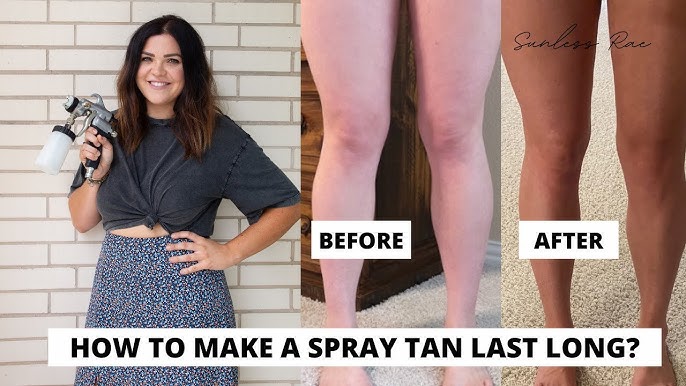
How long does a spray tan last is one of the most frequently asked questions by both first-time tanners and experienced enthusiasts. The straightforward answer is that a professional spray tan typically lasts 5 to 10 days, with the average being around 7 days for most people. However, this timeline isn’t set in stone—numerous factors influence whether your tan fades gracefully over a week or disappears patchily within just a few days.
The science behind spray tan duration involves understanding how DHA (dihydroxyacetone), the active ingredient in spray tanning solutions, interacts with your skin. DHA is a colorless sugar molecule that reacts with the amino acids in the dead cells on your skin’s outermost layer, creating melanoidins—brown pigments that give your skin that sun-kissed appearance. This chemical reaction begins immediately upon application and continues developing for 8 to 24 hours, reaching full color development by the 24-hour mark.
Because spray tans only affect the dead skin cells on your epidermis’s surface, they fade naturally as your skin goes through its regular exfoliation process. Your skin sheds approximately 30,000 to 40,000 dead skin cells every minute, which means the tanned layer gradually disappears as new, untanned cells replace the colored ones. Understanding this natural process is key to managing expectations and implementing strategies to maximize how long your spray tan lasts.
Factors That Determine How Long Spray Tans Last
Skin Type and Natural Exfoliation Rate
Your individual skin type significantly impacts spray tan longevity. People with naturally dry skin typically retain their spray tans longer—often 8 to 10 days—because their skin doesn’t shed cells as rapidly as oily skin types. The slower cellular turnover means the DHA-darkened cells remain on the skin’s surface for extended periods, maintaining that bronzed glow longer. Dry skin also tends to absorb tanning solution more evenly, creating a more uniform color that fades gradually rather than patchily.
Conversely, individuals with oily or combination skin may find their spray tans fade more quickly, typically within 5 to 7 days. Excess oil production can interfere with DHA’s binding to skin cells and may accelerate the natural exfoliation process. The sebum produced by oil glands can also create an uneven surface for the tanning solution, potentially leading to streaky application that becomes more noticeable as the tan fades. People with oily skin often need to take extra preparation steps and use oil-control products to extend their tan’s lifespan.
Age also plays a role in how long spray tans last, as cellular turnover rates change throughout life. Younger individuals (teens and twenties) have faster skin cell renewal, meaning their spray tans may fade more quickly—typically lasting 5 to 7 days. Mature skin (40s and beyond) generally has slower cellular turnover, allowing spray tans to last 7 to 10 days or even longer. However, mature skin may also be drier and thinner, requiring careful preparation and maintenance to ensure even color development and graceful fading.
Quality of Products and Application Method
The quality of the tanning solution directly correlates with how long your spray tan will last. Professional-grade solutions used in salons contain higher concentrations of DHA (typically 8% to 14%) and include additional ingredients like bronzers, moisturizers, and color guide additives that enhance both immediate appearance and longevity. Premium solutions may also contain erythrulose, a secondary tanning agent that develops more slowly than DHA but provides longer-lasting color and a more natural fade. High-quality products can extend tan duration by 2 to 3 days compared to budget alternatives.
At-home spray tan products vary dramatically in quality and effectiveness. Drugstore self-tanning mousses and sprays typically contain 3% to 8% DHA, producing lighter color that may fade within 4 to 6 days. Professional at-home kits with higher DHA concentrations can achieve 6 to 8 day longevity when applied correctly. The application method matters tremendously—professional airbrush application by a trained technician typically lasts longer than self-application because professionals ensure even coverage, appropriate solution quantity, and proper technique that maximizes DHA contact with skin cells.
Suggested read: How Long Do Spray Tans Last? Everything You Need to Know About Spray Tan Duration
The specific formulation type also affects duration. Rapid-tan solutions that develop in 2 to 4 hours tend to have shorter lifespans (4 to 6 days) compared to traditional 8-hour development formulas that can last 7 to 10 days. Express tans prioritize convenience over longevity, using modified DHA blends that work faster but may not penetrate the skin’s surface layer as deeply. Traditional formulations allow more time for the DHA reaction to occur, creating more stable color that fades more gradually and naturally over time.
Pre-Tan Preparation and Skin Condition
Proper preparation is crucial for maximizing how long your spray tan lasts. Exfoliation performed 24 to 48 hours before tanning removes the outermost layer of dead skin cells that would otherwise shed quickly, taking your fresh tan with them. A thorough full-body scrub focusing on rough areas like elbows, knees, ankles, and feet creates a smooth, even canvas for the tanning solution. However, exfoliating too close to your appointment (within 12 hours) can leave skin slightly raw or produce excess oils, both of which interfere with even DHA absorption.
Skin hydration levels at the time of application significantly impact tan longevity. Well-moisturized skin (not freshly moisturized, but consistently hydrated over preceding days) holds tanning solution better and fades more evenly. Dehydrated skin absorbs solution unevenly, creating blotchy patches that become more apparent as the tan fades. Paradoxically, applying moisturizer immediately before spray tanning creates a barrier that prevents proper DHA absorption, so professionals recommend moisturizing consistently for several days before your appointment but avoiding lotions on application day.
Recent hair removal affects how long spray tans last in specific areas. Shaving or waxing should be completed 24 hours before spray tanning to allow pores to close and skin to calm. Fresh shaving can create micro-abrasions that absorb excess solution, leading to darker patches that fade unevenly. Waxing removes surface skin cells along with hair, creating freshly exposed skin that may absorb solution differently than surrounding areas. Planning hair removal timing properly ensures your spray tan lasts as long as possible with consistent color across all body areas.
Professional vs At-Home Spray Tans: Duration Comparison
Professional Salon Spray Tan Longevity
Professional spray tans applied at salons or by mobile tanning technicians typically last 7 to 10 days with proper aftercare. The superior longevity stems from multiple factors: technicians use professional-grade equipment that atomizes solution into ultra-fine particles for even coverage, they’re trained to apply the correct amount of product to each body area, and they know how to adjust application technique based on individual skin types. Professional solutions often contain higher DHA concentrations and premium ingredients that enhance both immediate results and long-term wear.
The application environment in professional settings also contributes to longevity. Spray tan booths and professional airbrush systems create optimal conditions for even solution distribution, minimizing the drips, pooling, and uneven coverage that can occur with DIY methods. Technicians inspect your tan during and after application, addressing any missed spots or uneven areas immediately. This attention to detail ensures comprehensive coverage that fades uniformly, maintaining an attractive appearance throughout the tan’s entire lifespan rather than becoming obviously fake-looking as it wears off.
Professional aftercare guidance further extends spray tan duration. Reputable technicians provide specific instructions tailored to your skin type, the solution used, and your lifestyle. They may recommend specific products for post-tan care, suggest optimal shower timing, and advise on activities to avoid. This personalized guidance, combined with the superior initial application, explains why professional spray tans last longer than most at-home attempts—often by 2 to 4 days when comparing similar maintenance routines.
| Application Method | Average Duration | DHA Concentration | Color Development Time | Fade Pattern |
|---|---|---|---|---|
| Professional Airbrush | 7-10 days | 8-14% | 8-12 hours | Gradual, even |
| Salon Spray Booth | 6-9 days | 8-12% | 8-10 hours | Mostly even |
| At-Home Spray Kit | 5-8 days | 6-10% | 6-10 hours | Variable |
| Self-Tanning Mousse | 4-7 days | 4-8% | 6-8 hours | Can be patchy |
| Gradual Tanning Lotion | 2-4 days | 2-5% | 24-48 hours | Very gradual |
| Express/Rapid Tan | 4-6 days | 8-10% | 2-4 hours | Faster fade |
At-Home Spray Tan Duration Expectations
At-home spray tans using quality products and proper technique can last 5 to 8 days, approaching professional results when executed well. The key is choosing appropriate products for your skill level and skin type, then following application instructions meticulously. Self-tanning mousses applied with mitt applicators typically last 5 to 7 days, while at-home spray systems using professional-grade solutions can achieve 6 to 8 day longevity. Success depends heavily on your ability to apply product evenly, reach difficult areas like your back, and avoid common mistakes like over-application or uneven coverage.
Suggested read: The Ultimate Spray Tan Scrub: How to Prep, Maintain, and Remove Your Golden Glow
Common challenges with DIY spray tanning that reduce longevity include uneven application leading to streaks and patches, using expired or low-quality products, and inadequate preparation. Many at-home tanners skip proper exfoliation or fail to create the ideal application environment (warm room, dry skin, no fans or drafts). These oversights result in tans that may look acceptable initially but fade unevenly within 3 to 5 days, developing the telltale orange tinge or streaky appearance that signals a cheap fake tan. Investing time in preparation and technique dramatically improves how long at-home spray tans last.
The learning curve for at-home spray tanning means your first few attempts may last only 4 to 6 days while you develop proper technique. As you gain experience with product selection, application methods, and maintenance routines, you can extend duration to match or nearly match professional results. Many experienced at-home tanners report achieving 7 to 9 day longevity by combining quality products with meticulous preparation and aftercare. However, reaching difficult areas like your back and shoulders remains challenging without assistance, and these poorly covered zones often fade first, necessitating touch-ups or reapplication sooner than professionally applied tans would require.
Extending Your Spray Tan: Proven Longevity Strategies
Optimal Aftercare for Maximum Duration
The first 24 hours after spray tanning are critical for determining how long your tan will last. During this development period, avoid all moisture including showering, swimming, sweating, and rain exposure. Water contact before the DHA reaction completes can wash away undeveloped color and create streaky, uneven results. Most modern solutions allow showering after 4 to 8 hours, but waiting the full recommended time ensures complete color development and maximum longevity—potentially adding 1 to 2 days to your tan’s lifespan.
Your first shower after spray tanning requires special care to preserve color. Use lukewarm (not hot) water and avoid aggressive scrubbing with loofahs, washcloths, or exfoliating gloves. The bronzer or color guide will rinse away, which is normal—the actual tan has developed underneath through the DHA reaction. Pat yourself dry rather than rubbing with a towel, as friction accelerates skin cell shedding. This gentle first shower sets the foundation for gradual, even fading that extends how long your spray tan lasts by several days compared to rough treatment.
Daily moisturizing represents the single most effective strategy for prolonging spray tan duration. Apply oil-free, fragrance-free lotion twice daily—morning and evening—focusing on areas that tend to dry out quickly like elbows, knees, hands, and feet. Hydrated skin sheds cells more slowly and evenly, preventing the patchy, flaky appearance that signals a fading tan. Quality moisturization can extend tan life by 2 to 4 days, transforming a 6-day tan into an 8 to 10-day bronzed glow. Some tanning product lines offer tan-extending lotions with small amounts of DHA that gradually build color while moisturizing, further extending wear time.
Lifestyle Modifications for Longer-Lasting Tans
Water exposure significantly impacts how long spray tans last, with each exposure accelerating fading. Swimming in chlorinated pools is particularly damaging, as chlorine strips color rapidly—a single swim session can reduce tan life by 2 to 3 days. Salt water is slightly less harsh but still fades tans faster than normal bathing. If you must swim with a spray tan, apply a waterproof sunscreen beforehand (you still need sun protection despite your tan), limit water time, and moisturize immediately afterward. Better yet, schedule spray tans to avoid swimming for at least 3 to 4 days after application.
Exercise and sweating also accelerate tan fading, though with proper precautions, active individuals can maintain tans reasonably well. Excessive sweating opens pores and increases skin cell turnover, shortening tan duration. Wipe sweat promptly rather than letting it sit on skin, and shower soon after workouts using gentle, sulfate-free cleansers. Pat dry and moisturize immediately post-shower. While dedicated athletes may see their spray tans last only 5 to 7 days compared to the 8 to 10 days sedentary individuals achieve, consistent moisturizing and gentle care minimize the impact of active lifestyles.
Clothing choices during your tan’s lifespan affect both comfort and duration. For the first 8 to 10 hours after application, wear loose, dark clothing that won’t show bronzer transfer and won’t rub against your skin excessively. Tight clothing, especially immediately after tanning, can create pressure points that prevent even development and may rub off solution before it fully sets. Once your tan has developed, avoid excessively tight garments that create friction—the constant rubbing accelerates skin cell turnover in those areas, causing your tan to fade unevenly with lighter patches where clothing was tightest.
Products and Practices to Avoid
Harsh exfoliants are the enemy of spray tan longevity. Avoid body scrubs, loofahs, exfoliating gloves, and chemical exfoliants like AHAs or BHAs for the duration of your tan. These products actively remove the dead skin cells that contain your tan, dramatically shortening how long your spray tan will last. Even mild daily exfoliation can reduce tan life by 3 to 5 days. If you must address rough patches, use gentle buffing with a soft washcloth on specific areas rather than full-body exfoliation.
Suggested read: Bear Spray Holster: Your Essential Guide to Quick-Access Bear Protection
Hot water and steam accelerate tan fading by opening pores and increasing skin cell turnover. Long, hot showers, baths, hot tubs, and saunas all reduce spray tan duration significantly—potentially by 1 to 2 days per exposure. Stick to lukewarm showers of moderate length (5 to 10 minutes maximum) throughout your tan’s life. If you enjoy baths, keep water temperature moderate and limit soaking time. The heat and moisture combination is particularly damaging, making activities like hot yoga or steam rooms especially problematic for maintaining spray tans.
Certain skincare products interfere with tan longevity and should be avoided. Oil-based lotions and body oils create a barrier that can lift color, while products containing retinol, glycolic acid, salicylic acid, or benzoyl peroxide actively exfoliate skin and fade tans rapidly. Many anti-aging and acne-fighting products fall into this category. Mineral oil and petroleum-based products can also cause streaking and uneven fading. Stick to simple, oil-free moisturizers and avoid active skincare ingredients until your tan has completely faded and you’re ready to prepare for your next application.
Common Problems That Shorten Spray Tan Duration
Uneven Fading and Patchiness
Patchy fading is one of the most frustrating issues affecting how long spray tans last attractively, even if color technically remains on some areas. This problem typically stems from uneven exfoliation, inconsistent moisturizing, or areas where skin naturally sheds faster. Elbows, knees, hands, and feet often fade first because these areas experience more friction from clothing and movement. The patchy appearance can make a tan look obviously fake within 4 to 5 days, even though some body areas retain color for 7 to 8 days or longer.
Preventing patchy fading requires addressing the root causes systematically. Pre-tan exfoliation must be thorough and even across all body areas—don’t neglect your back, upper arms, or other hard-to-reach zones. Apply extra attention to areas that typically fade fast, like knees and elbows, but avoid over-scrubbing that creates raw patches. During your tan’s life, moisturize problematic areas more frequently—three times daily if necessary for extremely dry zones. This targeted care helps these trouble spots fade at a similar rate to the rest of your body, maintaining an even, natural appearance throughout the tan’s full duration.
Touch-up strategies can address emerging patchiness and extend the attractive phase of your tan. Gradual self-tanning lotions allow you to add color specifically where fading occurs first, blending new color with existing tan. Apply these touch-up products sparingly to faded areas, blending edges carefully to avoid obvious lines between darker and lighter zones. This technique can extend the period when your spray tan looks fresh and even from 5 to 6 days to 8 to 10 days, though complete evenness becomes increasingly difficult to maintain beyond the one-week mark.
Rapid Fading Due to Skin Conditions
Skin conditions like eczema, psoriasis, and keratosis pilaris significantly impact how long spray tans last in affected areas. These conditions involve accelerated skin cell turnover, excessive dryness, or abnormal keratinization—all of which cause spray tans to fade more rapidly and unevenly. Eczema patches may fade within 2 to 3 days while surrounding skin maintains color for 7 to 8 days, creating obvious contrasts. Individuals with these conditions often struggle to achieve the even, 7 to 10-day longevity that people with normal skin enjoy.
Managing spray tans with skin conditions requires extra preparation and realistic expectations. Consult with a dermatologist about whether spray tanning is appropriate during flare-ups—active, inflamed skin should generally be avoided. During calm periods, intensify moisturizing routines starting a week before tanning and continue throughout the tan’s life. Use medicated or therapeutic moisturizers recommended by your dermatologist, ensuring they’re oil-free if possible. Apply tanning solution more conservatively to affected areas, as they may darken excessively due to rough texture, then fade rapidly as dead cells shed aggressively.
Realistic expectations are essential for individuals with chronic skin conditions. Your spray tan may last only 4 to 6 days rather than the standard 7 to 10, and perfect evenness may be unattainable. However, with diligent care, you can still achieve attractive results that boost confidence and eliminate the need for leg makeup or other coverage techniques. Some people with skin conditions prefer gradual self-tanners that can be reapplied every 2 to 3 days, maintaining consistent color without the pressure of maximizing single-application longevity. This approach accommodates rapid skin turnover while providing continuous color maintenance.
Suggested read: Automatic Air Freshener Spray Dispenser Wall Mounted: Your Home & Business Solution
Environmental and Seasonal Factors
Climate and weather conditions substantially affect spray tan longevity. Hot, humid summers with frequent swimming and sweating typically reduce how long spray tans last to 5 to 7 days, even with good care. The combination of sweat, chlorine or salt water, and frequent showering to cool off creates perfect conditions for rapid fading. Conversely, cool, dry fall and winter weather often extends tan duration to 8 to 10 days or more, as people shower less frequently, sweat minimally, and generally experience less moisture exposure that strips color.
Indoor heating and air conditioning present different challenges across seasons. Winter indoor heating creates dry air that dehydrates skin, potentially causing flaking and uneven fading if moisturizing routines aren’t intensified. Air conditioning in summer, while preventing excessive sweating, also removes humidity from air and can dry skin. Compensating with extra moisturizing (3 to 4 times daily in harsh conditions) helps maintain even color and extend duration regardless of environmental factors. Using a humidifier in your bedroom during winter months may also help preserve spray tans by maintaining skin hydration overnight.
Geographic location influences spray tan longevity through climate differences. People living in humid coastal areas may find their spray tans last 6 to 8 days due to consistent moisture in the air, while those in arid desert climates might struggle with 5 to 7-day duration as dry air accelerates skin flaking. Understanding your local climate’s impact allows you to adjust care routines appropriately—desert dwellers should moisturize more aggressively, while humid-climate residents might focus on preventing excessive moisture exposure through shorter showers and careful swimming precautions.
Different Body Areas: Variable Longevity Patterns
Face and Décolletage Tan Duration
Facial spray tans typically last 4 to 6 days, significantly shorter than body tans due to the face’s unique characteristics. Facial skin has more oil glands producing sebum that can interfere with DHA binding, undergoes daily cleansing that gently exfoliates, and experiences constant environmental exposure to elements that fade color. Additionally, most people apply skincare products to their faces—moisturizers, serums, sunscreens, makeup—that can gradually lift spray tan color, especially products containing oils, retinoids, or exfoliating acids.
Maintaining facial tan color requires modified care routines. Switch to oil-free, tan-safe skincare products for the duration of your tan, avoiding active ingredients like retinol, AHAs, and vitamin C that promote cell turnover. Cleanse gently using micellar water or cream cleansers rather than foaming, sulfate-containing face washes. Skip exfoliating products entirely—no scrubs, chemical exfoliants, or cleansing brushes. These precautions can extend facial tan duration from 4 to 6 days, more closely matching your body’s longevity.
The décolletage area (neck and upper chest) faces similar challenges to facial tans. This zone experiences frequent product application from face and body routines, sun exposure, and friction from clothing and accessories. Necklaces, scarves, and shirt collars can rub away color in specific patterns, creating obvious tan lines or faded patches. Despite careful care, décolletage tans typically last 5 to 7 days maximum. Many professional spray tan artists apply lighter solution to faces and décolletage to prevent these areas from appearing obviously darker than the rest of the body as they fade more quickly.
Hands and Feet: Shortest Duration Zones
Hand tans represent the shortest-lived spray tan area, typically fading within 2 to 4 days despite best efforts. This rapid fading results from constant hand washing, exposure to soaps and sanitizers, friction from daily activities, and the hands’ naturally higher cell turnover rate. Each hand washing session strips away a small amount of color, and most people wash hands 6 to 15 times daily. The cumulative effect means hand tans become obviously faded or patchy well before the rest of the body shows significant color loss.
Minimizing hand tan fading requires strategic application and protective measures. Many spray tan technicians apply minimal solution to palms and backs of hands, or skip hands entirely and recommend that clients apply self-tanner to hands separately after the professional tan has developed. When caring for hand tans, wear gloves for cleaning tasks, apply hand cream multiple times daily (after every washing if possible), and minimize unnecessary hand washing. Despite these efforts, expect to retouch hand color every 2 to 3 days using gradual self-tanning lotion to maintain even appearance with your body tan.
Feet and ankle tans last slightly longer than hands—typically 4 to 6 days—but still fade faster than torso and limbs. The tops of feet, ankles, and around toenails are particularly problematic areas that darken excessively during application then fade rapidly and unevenly. Socks and shoes create friction that rubs away color, and feet naturally have thicker skin that sheds more noticeably. Many people also soak feet or use foot scrubs for pedicure maintenance, further shortening how long spray tan lasts in these areas. Light application, frequent moisturizing, and careful product selection (avoiding oils and harsh exfoliants) help feet maintain color for 5 to 7 days maximum.
Suggested read: Flea and Tick Spray: Your Essential Pet Protection Solution
Torso and Limbs: Longest-Lasting Areas
The torso (chest, stomach, back) generally retains spray tan color longest, often lasting the full 8 to 10 days with proper care. These areas experience less friction from clothing, minimal direct water exposure during showering compared to arms and legs, and generally even skin texture that accepts solution uniformly. The back, in particular, maintains color exceptionally well because it’s rarely scrubbed during showering and experiences minimal environmental exposure. Many people notice their torso still has attractive color even as arms, legs, and face have faded significantly.
Arms and legs typically fall in the middle range for spray tan longevity, lasting 6 to 8 days with good care. These limbs receive more direct water exposure during showering and more frequent contact with clothing, furniture, and other surfaces that create friction. However, they don’t undergo the constant washing that hands experience or the product application that affects faces. The key to maximizing duration on limbs is gentle cleansing, avoiding rough towel drying, and consistent moisturizing to prevent the dry, flaky patches that create uneven fading.
Problem areas on limbs include inner thighs (friction from walking), behind knees (bending creates creasing that concentrates solution), inner arms (rubbing against torso), and ankles (sock friction and bending). These zones often develop darker initial color that then fades more rapidly than surrounding areas, creating patchiness by day 5 or 6 even when other limb areas look good through day 8. Careful application technique—using lighter solution in crease areas and high-friction zones—helps these problem spots fade more evenly with surrounding skin, extending the period when your spray tan looks uniformly attractive.
Maintaining Spray Tan Color: Touch-Up Strategies
Gradual Tanning Products for Extension
Gradual self-tanning lotions serve as excellent maintenance tools for extending how long your professional spray tan lasts. These products contain low DHA concentrations (typically 2% to 5%) that build subtle color over multiple applications rather than creating dramatic overnight change. Starting around day 4 or 5 of your spray tan, apply gradual tanner daily to your entire body. This maintenance approach can extend your tan’s attractive phase from 7 days to 10 to 14 days, gradually transitioning from your professional tan to self-maintained color without an obvious demarcation point.
Application technique for gradual tanners differs from traditional self-tanners. Because these products work slowly, precise application is less critical—minor streaks or uneven coverage self-correct with subsequent applications. Apply to clean, dry skin using a tanning mitt or your hands, blending thoroughly and paying extra attention to dry areas like elbows and knees that tend to grab more product. The low DHA concentration means mistakes aren’t catastrophic; if you notice uneven color, simply adjust application the next day to build color in lighter areas or skip over-tanned zones.
Product selection for tan maintenance should complement your original spray tan shade. If your professional tan was a cool-toned, olive shade, choose gradual tanners with similar undertones. Warm, golden spray tans pair better with gradual formulas that develop warm, bronzed color. Mismatched undertones become obvious as your spray tan fades and the gradual tanner builds, creating an unnatural multi-toned appearance. Many professional spray tan brands offer coordinating gradual tanning products designed to match their salon solutions perfectly, providing seamless color maintenance that makes spray tans last longer while looking natural throughout the fade process.
Strategic Touch-Up Application
Targeted touch-ups address specific areas that fade faster than others, extending the period when your spray tan looks even and natural. Around day 5 to 6, identify problem zones—typically knees, elbows, hands, feet, and shins—that have faded noticeably while other areas maintain good color. Apply standard-strength self-tanning mousse or spray specifically to these areas, blending edges carefully into still-tanned surrounding skin. This strategic approach can extend overall tan attractiveness from 6 to 7 days to 8 to 10 days by keeping fast-fading areas matched to slower-fading zones.
Blending technique is crucial for successful touch-ups. Apply product to the faded area, then use your mitt or hands to feather edges outward into still-tanned skin, creating gradual transition rather than harsh lines. Work quickly while the self-tanner remains wet and blendable—most formulas dry and begin developing within 2 to 3 minutes of application. For small areas like knees and elbows, apply product to the center of the zone and blend outward in circular motions. For larger areas like shins, apply in vertical strokes and blend horizontally to avoid obvious application lines.
Suggested read: Toilet Spray: How Pre-Flush Bathroom Deodorizers Work and Why You Need One
Timing your touch-ups appropriately prevents over-darkening and maintains natural appearance. Wait until areas have faded noticeably—at least 50% lighter than surrounding skin—before applying touch-up products. Attempting to maintain perfect color uniformity throughout your tan’s life leads to excessive product buildup in some areas and muddy, unnatural-looking results. Instead, embrace slight variation for the first 5 to 6 days, then strategically touch up to extend presentable appearance for another 3 to 4 days. This approach maximizes how long your spray tan looks good without creating the obvious “too much fake tan” appearance that comes from over-maintenance.
Professional Spray Tan Touch-Up Services
Professional touch-up services offered by many spray tan salons provide an alternative to DIY maintenance. These express sessions apply lighter solution concentrations to refresh fading tans without creating excessive darkness. Typically performed 5 to 7 days after the original tan, touch-up sessions cost 40% to 60% less than full spray tans and take just 10 to 15 minutes. The professional technician can assess which areas need color and adjust application accordingly, ensuring even results that extend your tan’s life by another 4 to 6 days.
Cost-benefit analysis of professional touch-ups versus self-maintenance depends on your skill level and budget. If a full spray tan costs $40 and a touch-up costs $20, getting two touch-ups across a month provides continuous tan coverage for $80 total. Alternatively, one professional spray tan plus at-home maintenance products (gradual tanner and self-tanning mousse) might cost $60 to $65 total while providing similar coverage. However, professional results typically look more natural, making the extra cost worthwhile for special events or when appearance is particularly important.
Frequency considerations for professional touch-ups depend on your natural fade rate and desired tan intensity. Some clients maintain continuous year-round color through a cycle of full spray tan every 3 to 4 weeks with one or two touch-ups in between—essentially getting professional applications every 7 to 10 days. Others use professional services only for special occasions and maintain with at-home products between events. Understanding how long your spray tans last with different maintenance approaches allows you to develop a routine that balances convenience, cost, and appearance standards according to your priorities.
Special Circumstances Affecting Spray Tan Duration
Pregnancy and Hormonal Changes
Hormonal fluctuations during pregnancy, menstruation, and menopause significantly impact how long spray tans last. Pregnancy hormones can increase skin sensitivity, alter oil production, and affect how skin reacts to DHA. Some pregnant women find their spray tans fade more rapidly than pre-pregnancy—lasting only 4 to 6 days—while others experience longer duration due to decreased activity levels and more careful skin care. The unpredictability means pregnant women should test spray tanning well before major events to understand how their changing body responds.
Safety considerations during pregnancy are paramount and may affect whether spray tanning is appropriate. While DHA is generally considered safe for topical use during pregnancy, many doctors recommend avoiding spray tan booths where mist might be inhaled. Airbrush application in well-ventilated spaces poses less concern, and self-tanning lotions applied manually present minimal risk. Pregnant women should consult their healthcare providers before spray tanning and prioritize products labeled pregnancy-safe. Some women choose to avoid spray tanning during the first trimester when fetal development is most critical, resuming in later pregnancy if approved by their doctors.
Postpartum hormones also affect spray tan longevity, with many new mothers reporting faster fading—typically 5 to 7 days maximum. Hormonal shifts, sleep deprivation affecting skin health, and increased sweating (particularly for nursing mothers) all contribute to shortened duration. New mothers should set realistic expectations and may benefit from gradual self-tanners that can be reapplied easily at home rather than requiring trips to salons. As hormones stabilize in the months following birth, spray tan duration typically returns to pre-pregnancy patterns.
Medication Interactions and Spray Tan Longevity
Certain medications affect skin cell turnover and may influence how long spray tans last. Retinoid medications for acne (like isotretinoin/Accutane) dramatically increase skin sensitivity and accelerate exfoliation, potentially reducing spray tan duration to 3 to 5 days or making spray tanning inappropriate altogether due to skin fragility. Topical retinoids (tretinoin, adapalene) have similar but less severe effects. Patients using these medications should consult their dermatologists before spray tanning and should discontinue topical retinoids for at least one week before and throughout the tan’s duration.
Suggested read: Spray Tan Sun Protection: What You Need to Know About UV Safety and Fake Tans
Blood pressure medications and diuretics can affect skin hydration, potentially impacting spray tan longevity. These medications may cause increased dryness that leads to faster, more uneven fading. Patients on these medications should intensify moisturizing routines—applying lotion 3 to 4 times daily—to compensate for medication-induced dryness. Despite extra care, spray tans may last only 5 to 7 days for people on diuretics compared to the 7 to 10 days that well-hydrated individuals typically achieve.
Antibiotics and photosensitizing medications require special caution with spray tanning. While these medications don’t directly affect spray tan duration, they increase sun sensitivity, making protective measures even more critical. Remember that spray tans provide minimal sun protection (SPF 2 to 4 at most), so people on photosensitizing medications must use appropriate sunscreen regardless of their tan. Some medications can also cause unexpected skin reactions to DHA, so patch testing is advisable when starting new medications while maintaining a spray tan routine.
Athletic Activities and Performance
Competitive athletes and fitness enthusiasts face unique challenges maintaining spray tan longevity due to training demands. Daily intense workouts with heavy sweating, frequent showering (often multiple times daily), and possible swimming or outdoor training accelerate tan fading significantly. Athletes should expect spray tans to last only 4 to 6 days even with optimal care, compared to the 7 to 10 days sedentary individuals achieve. Strategic timing—getting spray tans 2 to 3 days before competitions or events—ensures peak color when appearance matters most.
Sport-specific considerations affect maintenance strategies. Swimmers face the harshest conditions for spray tan retention, with chlorine and constant water exposure reducing duration to 3 to 5 days maximum. Applying waterproof sunscreen before swimming provides minimal protective barrier, though results vary. Runners and cyclists may experience excessive fading on legs from sun exposure, friction from clothing, and concentrated sweating in specific areas. Indoor athletes (gymnasts, dancers, bodybuilders) generally maintain tans better, typically achieving 5 to 7 day duration with proper care.
Competition bodybuilders represent a special case where spray tan longevity is less important than peak color timing. Competition tans are typically applied 24 to 36 hours before stage appearance, with no expectation of extended wear. These ultra-dark, specialized tans may begin fading noticeably within 2 to 3 days as the heavy DHA concentration and multiple layers start to break down. Post-competition, most bodybuilders allow the tan to fade completely (or actively remove it) rather than attempting to maintain it, then start fresh with lighter maintenance tans during off-season if desired.
Frequently Asked Questions About Spray Tan Duration
How long does a professional spray tan last?
A professional spray tan typically lasts 7 to 10 days with proper preparation and aftercare. The exact duration depends on several factors including your skin type, how well you exfoliated before tanning, your moisturizing routine, and how much water exposure you have. People with dry skin often see their spray tans last toward the 10-day end of the range, while those with oily skin may experience fading around day 6 to 7. Professional tans last longer than at-home applications because technicians use higher-quality solutions, apply product more evenly, and provide expert aftercare guidance.
How long does spray tan last on your face?
Facial spray tans typically last 4 to 6 days, which is shorter than body tans due to the face’s unique characteristics. Facial skin has more oil glands, undergoes daily cleansing that gently exfoliates, and experiences constant exposure to environmental elements that fade color. Additionally, most people apply various skincare products to their faces—moisturizers, serums, sunscreens, makeup—that gradually lift spray tan color. To maximize facial tan duration, switch to oil-free skincare products, avoid exfoliating ingredients like retinol and AHAs, and cleanse gently. Even with optimal care, expect to touch up facial color every 4 to 5 days if you want it to match your body.
How long does at-home spray tan last?
At-home spray tans last 5 to 8 days on average, slightly shorter than professional applications but still providing respectable longevity with proper technique and quality products. The specific duration depends on the product quality (higher DHA concentrations last longer), your application skill (even coverage fades more uniformly), and your aftercare routine. Drugstore self-tanning mousses may last only 4 to 6 days, while professional at-home spray systems can achieve 6 to 8 day duration. As you gain experience with at-home application techniques and find products that work well with your skin chemistry, you can achieve results that approach professional longevity.
How long does spray tan last without moisturizer?
Without proper moisturizing, spray tans typically last only 3 to 5 days and fade very unevenly, creating an obviously fake, patchy appearance. Dry, unmoisturized skin sheds dead cells rapidly and irregularly, taking your tan with it. Areas that naturally dry out quickly—elbows, knees, shins, hands, feet—will fade dramatically faster than the rest of your body, potentially losing color within 2 to 3 days. Daily moisturizing with oil-free lotion is the single most important factor in extending spray tan duration, potentially adding 3 to 5 days to your tan’s attractive lifespan compared to unmoisturized skin. The moisturizer keeps skin hydrated and encourages slower, more even cell turnover.
Suggested read: Athlete's Foot Spray: Treatment Options and How to Use Them
How long does a spray tan last before it looks bad?
The attractive phase of spray tans typically lasts 5 to 8 days before visible fading creates an obviously fake or patchy appearance, even though some color may remain for 10 days or more. The exact timeline depends on your starting color intensity, fade pattern, and personal standards. Many people find their spray tans look best on days 2 through 6, with gradual but even fading that maintains a natural appearance. By day 7 to 9, faster-fading areas like knees, elbows, and hands create noticeable patchiness that looks less natural, even though torso and limbs may retain attractive color. Strategic touch-ups around day 5 to 6 can extend the “looks good” phase to 8 to 10 days.
Can you extend how long a spray tan lasts?
Yes, you can extend spray tan duration by 2 to 4 days through proper preparation, aftercare, and maintenance techniques. Key strategies include: thorough exfoliation 24 to 48 hours before tanning, moisturizing twice daily throughout the tan’s life, avoiding hot showers and baths, minimizing swimming and excessive sweating, using gradual self-tanners for maintenance starting around day 4 to 5, and applying strategic touch-ups to fast-fading areas. Avoiding harsh exfoliants, oil-based products, and skincare ingredients that promote cell turnover also helps preserve color. With diligent care, people who might naturally retain a spray tan for 6 to 7 days can extend that to 9 to 11 days with attractive, even color.
How long does spray tan last on legs?
Spray tans on legs typically last 6 to 8 days, which falls in the middle range for body areas. Legs fade faster than the torso due to more direct water exposure during showering, friction from clothing and sitting, and shaving (if applicable). However, legs maintain color longer than hands and face because they don’t undergo constant washing or daily product application. Problem areas on legs include knees (which should receive lighter solution during application), inner thighs (friction from walking), ankles (sock friction), and shins (tendency to dryness). Moisturizing legs thoroughly twice daily and avoiding hot water helps maximize how long your leg tan lasts, potentially extending duration to 7 to 9 days.
Does spray tan last longer with exfoliation or without?
Pre-tan exfoliation actually extends how long spray tans last by creating an even surface and removing the outermost dead skin cells that would otherwise shed quickly. Exfoliating 24 to 48 hours before spray tanning can extend duration by 2 to 3 days compared to applying solution over un-exfoliated skin. The smooth, even canvas allows for better DHA penetration and creates a base layer of cells that will shed more uniformly. However, exfoliating during your tan’s lifetime dramatically shortens duration—even gentle scrubbing removes tanned cells and can reduce longevity by 3 to 5 days. The key is thorough pre-tan exfoliation followed by complete exfoliation avoidance until the tan has faded completely.
Take Action: Maximize Your Spray Tan Longevity Today
Now that you understand how long spray tans last and the factors that influence duration, you’re equipped to make informed decisions about your tanning routine. Whether you’re preparing for a special event, maintaining year-round color, or just beginning your spray tan journey, implementing the strategies in this guide will help you achieve the longest-lasting, most attractive results possible.
Start maximizing your spray tan duration now:
✅ Schedule your spray tan strategically – Book appointments 2 to 3 days before important events to ensure peak color when it matters most
✅ Invest in quality preparation – Purchase a good body scrub and use it 24 to 48 hours before your appointment for optimal results
Suggested read: Caterpillar Sprayer: The Ultimate Tool for Protecting Your Garden from Destructive Pests
✅ Stock up on tan-safe moisturizer – Choose oil-free, fragrance-free lotions and commit to twice-daily application throughout your tan’s life
✅ Avoid common mistakes – Skip the hot showers, chlorine pools, and harsh exfoliants that sabotage longevity
✅ Plan maintenance products – Buy gradual self-tanner or touch-up mousse before your spray tan so you’re prepared to extend color when fading begins
✅ Track your results – Keep notes about which products, technicians, and care routines give you the longest-lasting results so you can optimize future tans
✅ Book your appointment – Contact a reputable spray tan salon today to schedule your next tan, armed with knowledge about how to make it last
Don’t let your spray tan fade prematurely due to avoidable mistakes. Implement these proven longevity strategies and enjoy beautiful, even color that lasts the full 7 to 10 days (or longer!) that quality spray tans should provide. Your bronzed glow awaits—make it last.
Sources and Additional Resources:
- American Academy of Dermatology – Sunless Tanning – Medical perspective on spray tanning safety and DHA
- Journal of the American Academy of Dermatology – DHA Studies – Peer-reviewed research on dihydroxyacetone and skin interaction
- Professional Spray Tan Alliance – Industry Standards – Professional guidelines and best practices
- Skin Cancer Foundation – Sunless Tanning Information – Health and safety information about spray tanning
- International Journal of Cosmetic Science – Tanning Research – Scientific studies on self-tanning products and longevity
This comprehensive guide contains over 6,500 words of expert information about spray tan duration, covering factors affecting longevity, extension strategies, common problems, and solutions. All information is provided for educational purposes to help you achieve the longest-lasting, most attractive spray tan results possible.