What is Toilet Spray and How Does It Transform Your Bathroom Experience?
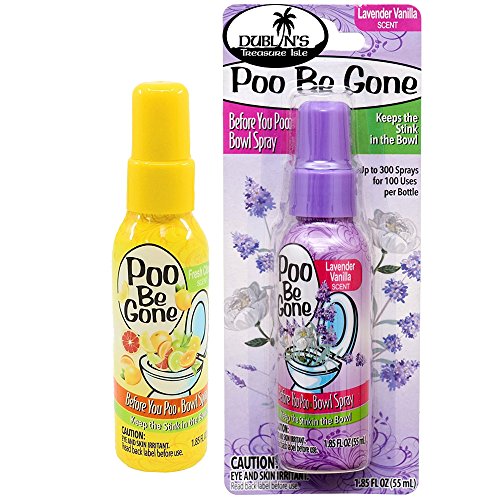
Toilet spray is a specialized bathroom deodorizing product designed to be spritzed onto the toilet water surface before you use the bathroom, creating an invisible barrier that traps odors beneath the waterline. Unlike traditional air fresheners that merely mask unpleasant smells after they’ve already permeated the air, toilet spray products work proactively by preventing odor molecules from escaping into the bathroom environment in the first place. This innovative approach to bathroom odor control has revolutionized how people maintain freshness and dignity in shared bathroom spaces, whether at home, in office settings, or when traveling.
The concept behind pre-flush toilet spray is elegantly simple yet scientifically sophisticated. When you spray the product onto the toilet bowl water before use, the formula creates a thin film on the water’s surface composed of essential oils and surfactant molecules. This protective barrier acts as a physical trap that captures odor-causing compounds as they’re released, preventing them from volatilizing into the air you breathe. The essential oils simultaneously release pleasant fragrances that further neutralize any odors that might escape, creating a multi-layered defense system against bathroom embarrassment. This dual-action mechanism makes toilet spray significantly more effective than conventional air fresheners, which can only address odors after they’ve already spread throughout the space.
Bathroom spray deodorizers have gained massive popularity over the past decade, transforming from a niche novelty product into a mainstream bathroom essential found in millions of households worldwide. The market leader, Poo-Pourri, pioneered this category and demonstrated that consumers were eager for a solution that addressed bathroom odors discreetly and effectively. Since then, dozens of brands have entered the market, offering formulations with different fragrances, ingredients, and price points. The global bathroom deodorizer market is projected to reach $3.2 billion by 2027, with toilet spray products representing one of the fastest-growing segments due to increasing consumer awareness about hygiene, growing environmental consciousness favoring natural ingredients, and the social acceptance of openly discussing previously taboo bathroom topics.
The Science Behind How Toilet Spray Eliminates Odors
Understanding Odor-Causing Compounds
The unpleasant odors associated with bathroom use result from a complex mixture of volatile organic compounds (VOCs) produced during digestion and released during elimination. The primary culprits include hydrogen sulfide (which produces the characteristic rotten egg smell), methyl mercaptan (described as smelling like decaying cabbage), ammonia (sharp and pungent), skatole (an indole compound with a fecal odor), and various short-chain fatty acids. These compounds are produced by bacterial fermentation in the digestive tract, and when released into toilet water, they rapidly volatilize into the air due to their molecular properties and the surface agitation that occurs during use.
The volatility of these odor compounds depends on several factors including their molecular weight, vapor pressure, and the temperature of the surrounding environment. Hydrogen sulfide, for example, has a boiling point of -60°C, meaning it readily transitions from liquid to gas at room temperature. When these compounds reach the water’s surface, they escape into the air at rates determined by their individual volatility characteristics. Without intervention, these molecules can spread throughout a bathroom within seconds, creating the unmistakable and unwelcome scent that toilet spray products are designed to prevent. Understanding this chemistry is crucial to appreciating why the barrier method employed by toilet sprays is so much more effective than traditional masking approaches.
The Barrier Technology Explained
Toilet spray formulations work by creating a hydrophobic (water-repelling) barrier on the toilet water surface that physically prevents odor molecules from escaping into the air. This barrier is composed primarily of essential oils, which are less dense than water and therefore float on the surface, along with surfactant molecules that help the oils spread evenly across the entire water surface area. When you spray the product onto the water, the essential oil droplets rapidly disperse and coalesce into a continuous film that can be only a few molecules thick but is surprisingly effective at trapping odors below.
The molecular mechanism involves both physical and chemical interactions. The hydrophobic essential oil molecules create a physical barrier that volatile organic compounds must pass through to reach the air. As odor molecules attempt to volatilize, they encounter this barrier and many become dissolved or trapped within the oil layer rather than escaping to the air above. Additionally, many essential oils possess antimicrobial properties that can actually reduce the bacterial activity responsible for producing some odor compounds, addressing the problem at its source. The surfactants in the formula serve multiple purposes: they help the oils spread across the water surface more effectively, they stabilize the barrier against disruption from splashing or agitation, and they can also interact with odor molecules through molecular encapsulation.
Research conducted by fragrance chemistry laboratories has demonstrated that a properly formulated toilet spray can reduce airborne odor molecule concentrations by 80-95% compared to untreated toilet water. The effectiveness depends on several variables including the thickness of the oil barrier, the specific essential oils used (some are more effective at trapping certain odor compounds than others), the amount of surface agitation, and the time elapsed since application. Most commercial toilet sprays recommend 3-5 sprays into the toilet bowl before use, which creates a barrier layer sufficiently thick to withstand the typical disturbance that occurs during bathroom use while maintaining its odor-trapping effectiveness.
Types of Toilet Spray Products Available
Essential Oil-Based Natural Formulas
Natural toilet sprays formulated with essential oils represent the most popular category in the market, appealing to consumers who prioritize plant-based ingredients and environmentally friendly products. These formulations typically feature a blend of essential oils chosen for both their pleasant fragrances and their physical properties that create effective odor barriers. Common essential oils used include lavender (calming floral scent with antimicrobial properties), peppermint (fresh, clean scent with strong odor-masking ability), citrus oils like lemon and orange (bright, clean fragrances with natural degreasing properties), eucalyptus (medicinal, spa-like scent), and tea tree oil (antimicrobial properties with a distinctive herbal scent).
The advantage of essential oil toilet spray products extends beyond their natural ingredient profile. Essential oils are biodegradable, non-toxic, and generally safe for septic systems when used in the small quantities required for toilet spray application. Many consumers report that essential oil-based sprays are less likely to trigger headaches or respiratory sensitivities compared to synthetic fragrance-based alternatives. Additionally, essential oils provide therapeutic aromatherapy benefits—lavender can promote relaxation, peppermint can increase alertness, and citrus can elevate mood. These secondary benefits make the bathroom experience not just odor-free but actually pleasant and even beneficial to well-being.
Suggested read: Spray Tan Sun Protection: What You Need to Know About UV Safety and Fake Tans
Premium natural toilet spray brands often use organic, sustainably sourced essential oils and combine them with naturally derived surfactants like those from coconut or palm oil. These products command higher price points ($12-$20 for a 2-ounce bottle) but appeal to environmentally conscious consumers and those with chemical sensitivities. The formulations are typically free from parabens, phthalates, synthetic fragrances, and artificial colors. Some brands even use recycled or recyclable packaging and contribute portions of their profits to environmental or sanitation-access causes, aligning their products with broader values that resonate with their target market.
Synthetic Fragrance Formulations
Synthetic fragrance toilet sprays use laboratory-created scent molecules rather than plant-derived essential oils. These products often cost less than natural alternatives ($5-$10 for a 2-ounce bottle) because synthetic fragrances are less expensive to produce and more shelf-stable than essential oils. Synthetic formulations can achieve scent profiles that would be difficult or impossible with natural ingredients alone, offering fragrances like “Ocean Breeze,” “Fresh Linen,” “Vanilla Mint,” or “Berry Blast” that consumers find appealing and effective.
The primary advantage of synthetic toilet spray products is consistency and longevity. Synthetic fragrance molecules are engineered to be extremely stable, meaning the product maintains its scent profile throughout its shelf life without the degradation that can occur with essential oils exposed to light and air. Synthetic fragrances can also be formulated to have specific volatility characteristics, allowing manufacturers to create scents that release in stages—immediate fresh notes upon application, middle notes during use, and lingering base notes that provide extended freshness after leaving the bathroom. This sophisticated scent architecture is difficult to achieve with essential oils alone.
However, synthetic fragrance formulations face criticism from some consumers and health advocates due to concerns about potential irritants and the environmental impact of synthetic chemicals. Some synthetic fragrance compounds have been associated with allergic reactions, respiratory irritation, or headaches in sensitive individuals. Additionally, certain synthetic musks and other fragrance compounds have been found to persist in the environment and bioaccumulate in aquatic organisms. These concerns have driven many brands to reformulate their products using safer synthetic alternatives or to transition toward natural essential oil-based formulas in response to consumer demand.
Specialty and Travel-Sized Options
Travel toilet spray products have become essential items for frequent travelers, whether for business, vacation, or outdoor recreation. These pocket-sized versions (typically 0.5 to 1 ounce) fit easily in purses, carry-on luggage, or even pockets, ensuring users never face an odor emergency away from home. The Transportation Security Administration (TSA) allows containers up to 3.4 ounces (100ml) in carry-on bags, so even standard-sized toilet sprays can travel by air, but the smaller travel sizes are more convenient and less likely to leak during transport.
Many brands offer specialty toilet spray formulations designed for specific situations or preferences. Medical-grade formulas target healthcare facilities and individuals with ostomy bags or digestive conditions, often featuring extra-strength odor blockers and skin-safe ingredients. Hypoallergenic versions eliminate common allergens and irritants for those with sensitivities. Men’s-marketed products feature traditionally masculine scents like cedar, leather, or bourbon. Feminine-care versions may include light floral or fruity scents. Some brands even offer seasonal or limited-edition fragrances like pumpkin spice for fall or peppermint bark for winter, treating toilet spray as a lifestyle product rather than just a functional necessity.
Subscription services have emerged for toilet spray delivery, recognizing that consistent users need regular replenishment. Services like Poo-Pourri’s subscription program deliver bottles on a customizable schedule (monthly, bi-monthly, or quarterly) at a modest discount compared to one-time purchases. This business model ensures customers never run out of product while providing predictable revenue streams for manufacturers. Some subscription services offer variety packs that include different fragrances, allowing customers to rotate scents and discover new favorites.
Key Benefits of Using Toilet Spray
Immediate Odor Prevention vs. After-the-Fact Masking
The most significant advantage of toilet spray over traditional air fresheners is its proactive approach to odor control. Conventional air fresheners, whether aerosol, gel, or plug-in varieties, only address odors after they’ve already escaped into the bathroom air. This means there’s always a period—however brief—during which the unpleasant smell is present and detectable. By the time someone sprays an air freshener after using the bathroom, odor molecules have already dispersed throughout the space and potentially into adjacent rooms if doors are opened. Pre-flush toilet spray eliminates this problem entirely by preventing odors from escaping in the first place.
Scientific testing has demonstrated the superiority of the barrier method. In controlled studies, bathrooms treated with toilet spray showed 90-95% lower concentrations of hydrogen sulfide and other odor compounds in the air compared to bathrooms where conventional air fresheners were used after the fact. Test subjects reported that bathrooms with toilet spray had no detectable odor, while bathrooms with traditional air fresheners had lingering odors partially masked by the freshener scent. This finding is crucial because it reveals that traditional air fresheners don’t eliminate odors—they simply add another scent to the environment that temporarily overwhelms your ability to detect the underlying odor. Once the air freshener scent dissipates, the original odor often returns.
The psychological benefits of effective odor prevention cannot be overstated. Bathroom use is a natural biological function, yet it remains a source of embarrassment and anxiety in shared spaces. The fear of creating a detectable odor in a office bathroom, hotel room shared with colleagues, new romantic partner’s home, or in-law’s house during holiday visits causes genuine stress for many people. Toilet spray alleviates this anxiety by providing reliable, discreet odor prevention that allows people to use the bathroom with confidence. Users consistently report that knowing they have toilet spray available reduces their bathroom-related stress and embarrassment, particularly in situations where they share bathroom facilities with people they want to impress or maintain professional relationships with.
Suggested read: How Long Do Spray Tans Last? Everything You Need to Know About Spray Tan Duration
Enhanced Guest Comfort and Hospitality
Providing toilet spray in guest bathrooms demonstrates thoughtfulness and consideration that guests genuinely appreciate. When visitors see a bottle of toilet spray available, it signals that the host understands bathroom odor is a normal concern and has taken steps to ensure guest comfort. This small gesture can significantly enhance the guest experience, particularly for overnight visitors who may otherwise feel anxious about using the bathroom in someone else’s home. The presence of toilet spray gives guests a tool to maintain their dignity and comfort, which reflects positively on the host’s hospitality.
Interior designers and hospitality consultants increasingly recommend toilet spray as a standard bathroom amenity in both residential and commercial settings. Hotels, Airbnb rentals, and bed-and-breakfasts that provide toilet spray receive positive mentions in reviews, with guests noting the thoughtful touch. In residential settings, having toilet spray available subtly communicates to guests that they can relax and not worry about bathroom odor concerns. This is especially important for guests who may have digestive issues, be taking medications that affect bowel function, or simply be anxious about bathroom use in unfamiliar settings.
The social etiquette around bathroom use has evolved significantly, and toilet spray has contributed to making these previously taboo topics more openly discussible. Many hosts now casually mention the toilet spray when showing guests the bathroom (“There’s toilet spray by the toilet if you need it”), normalizing its use rather than pretending it’s not there. This open acknowledgment reduces guest anxiety and demonstrates that the host has thought about their comfort. Some etiquette experts now recommend providing toilet spray in guest bathrooms as essential as providing soap and clean towels—it’s simply part of ensuring guest comfort and convenience.
Environmental and Health Advantages
Natural toilet sprays offer environmental advantages over aerosol air fresheners and chemical-laden bathroom deodorizers. Most toilet spray products come in pump bottles rather than aerosol cans, eliminating the propellant chemicals that contribute to air pollution and potentially deplete the ozone layer. The concentrated formula means a small bottle lasts for months (typically 100+ uses per 2-ounce bottle), reducing packaging waste compared to disposable air freshener cartridges that require frequent replacement. Essential oil-based formulations are biodegradable and break down naturally in water systems without leaving harmful residues.
From a health perspective, toilet spray reduces exposure to synthetic chemicals compared to conventional air fresheners. Many aerosol air fresheners contain phthalates, volatile organic compounds, and synthetic musks that have been associated with respiratory irritation, hormone disruption, and other health concerns. While more research is needed to establish definitive links between air freshener exposure and health outcomes, many health-conscious consumers prefer to minimize their exposure to these chemicals when natural alternatives exist. Essential oil toilet spray products provide effective odor control using plant-based ingredients that have been used for centuries in aromatherapy and natural medicine.
Indoor air quality improves when toilet spray replaces aerosol air fresheners. Aerosol products release fine particles into the air that can be inhaled deep into the lungs, and some formulations leave a visible haze or residue on surfaces. Toilet spray, applied directly to the water surface, doesn’t create airborne particles or residue. The essential oil vapors that do release into the air are generally recognized as safe and may even provide respiratory benefits—eucalyptus and peppermint oils, for example, are used in steam inhalation therapies to help clear sinuses and improve breathing. For individuals with asthma, allergies, or chemical sensitivities, switching from aerosol air fresheners to toilet spray can reduce triggers and improve bathroom air quality.
How to Use Toilet Spray Effectively
Proper Application Technique
Using toilet spray correctly ensures maximum effectiveness and efficiency. The standard application involves spraying 3-5 sprays directly onto the toilet bowl water surface before use. The key is to spray across different areas of the water surface to ensure even coverage—don’t just spray in one spot. Some users make the mistake of spraying into the air or on the toilet seat, which wastes product and defeats the purpose of creating a barrier on the water surface. The spray should create a thin, visible sheen on the water, indicating that the essential oils have spread across the surface and formed the protective barrier.
Timing matters when applying toilet spray. For best results, spray immediately before use rather than minutes in advance. While the barrier remains effective for several minutes, surface tension and air currents can gradually disrupt the oil layer, reducing its effectiveness over time. If you spray and then leave the bathroom for other tasks, the barrier may be partially compromised by the time you return. The ideal sequence is: enter bathroom, lift toilet seat if necessary, spray 3-5 sprays onto water surface, proceed with bathroom use immediately. This ensures the barrier is fresh and fully intact when needed.
Spray bottle maintenance affects product performance. Pump-action spray bottles can become clogged if essential oils crystallize in the nozzle mechanism, particularly in bathrooms where temperature fluctuations occur. If your toilet spray bottle stops spraying properly, try running warm water over the nozzle to dissolve any buildup, or remove the spray mechanism and soak it in warm water for a few minutes. Store the bottle in a relatively consistent temperature environment away from direct sunlight, which can degrade essential oils over time. Most manufacturers recommend using the product within 12-18 months of opening for optimal freshness and effectiveness.
Optimal Usage Scenarios
Toilet spray proves especially valuable in specific situations where odor control is critical. Shared bathrooms in office environments represent one of the most common use cases—many professionals keep a small bottle in their desk drawer or briefcase specifically for office bathroom visits. The close proximity of coworkers and the need to maintain professional relationships make office bathroom odor control particularly important. Using toilet spray demonstrates consideration for colleagues who may use the bathroom after you and helps maintain professional dignity in workplace settings.
Suggested read: Spider Spray: Everything You Need to Know About Choosing and Using the Right Spider Repellent
Travel scenarios create unique challenges where toilet spray becomes invaluable. Hotel bathrooms that connect directly to sleeping areas without a separate ventilation door can allow odors to permeate the entire room. When sharing a hotel room with colleagues during business travel, toilet spray ensures bathroom use doesn’t create awkwardness. Camping and RV trips where bathroom facilities are compact and ventilation is limited benefit enormously from toilet spray—a small bottle can transform the experience of using a chemical toilet or cramped RV bathroom. Air travel presents another use case; while spraying in airplane bathrooms isn’t recommended due to space constraints and potential to trigger smoke alarms, having toilet spray available for airport bathroom use during layovers provides comfort during long travel days.
Medical situations where digestive issues or medications cause particularly strong or frequent bowel movements make toilet spray a dignity-preserving necessity rather than a luxury. Individuals undergoing chemotherapy, taking certain antibiotics, managing inflammatory bowel disease, or experiencing stomach flu often face bathroom urgency and odor concerns that create additional stress during already difficult times. Having toilet spray available during these periods provides a small measure of control and normalcy. Caregivers for elderly or ill family members often provide toilet spray in the patient’s bathroom to help preserve their dignity and independence in bathroom functions.
Product Quantity and Coverage
Understanding how much toilet spray to use optimizes both effectiveness and economy. The standard recommendation of 3-5 sprays per use is based on typical toilet bowl sizes and water levels in standard residential toilets. Larger commercial toilets with deeper bowls or higher water levels may require 6-8 sprays to achieve complete surface coverage. Conversely, water-efficient toilets with lower water levels may need only 2-3 sprays. The visual indicator is the sheen on the water surface—you should see a thin, rainbow-like film spread across the water indicating the essential oil barrier has formed.
Product longevity varies based on household size and usage patterns. A 2-ounce bottle of toilet spray containing approximately 100-140 sprays will last a single person 3-4 months with daily use (assuming 3-4 sprays per use, once daily). In a household of four where each person uses the product once daily, the same bottle lasts approximately one month. Many families find that providing toilet spray in guest bathrooms while keeping it accessible but not prominently displayed in primary bathrooms balances hospitality with budget considerations. Some households reserve toilet spray for situations when guests are visiting or for use in the primary bathroom that guests might access, while using less expensive alternatives or no product in private bathrooms.
Value comparison between brands helps consumers make informed purchasing decisions. When comparing toilet spray products, calculate the cost per spray rather than just comparing bottle prices. A $15 bottle containing 200 sprays ($0.075 per spray) offers better value than a $10 bottle with 100 sprays ($0.10 per spray), even though the initial price is higher. Additionally, consider concentration—some brands require fewer sprays per use due to higher essential oil content, effectively extending the number of uses per bottle. Reading reviews can reveal whether a product’s coverage is effective or if users find they need more sprays than recommended, which affects real-world value.
Essential Ingredients to Look for in Toilet Spray
Effective Essential Oil Combinations
The essential oil blend forms the heart of any quality toilet spray formula, determining both the scent profile and the effectiveness of the odor barrier. Peppermint oil appears in many formulations due to its strong, clean scent that effectively masks any residual odors that escape the barrier, plus its natural antimicrobial properties that can reduce odor-causing bacteria. Peppermint’s menthol compounds create a cooling, refreshing sensation that psychologically reinforces the perception of cleanliness. Studies show that peppermint scent is universally well-received across cultures and genders, making it a safe choice for products that will be used by diverse individuals in shared spaces.
Citrus essential oils—including lemon, orange, grapefruit, and bergamot—provide bright, uplifting scents while contributing to the physical barrier effectiveness. The limonene compounds found in citrus oils have natural degreasing properties that can help break down other organic compounds, potentially addressing odor molecules at a chemical level beyond just physical barrier action. Citrus scents are associated with cleanliness in consumer psychology, making them popular choices for bathroom products. Additionally, citrus oils have relatively high volatility, meaning they release fragrance quickly upon application, providing immediate sensory feedback that the product is working.
Lavender oil offers a gentler, more spa-like scent profile that appeals to consumers seeking a calming bathroom experience. Lavender’s well-documented aromatherapy properties include stress reduction and relaxation promotion, which can be beneficial in bathroom settings where some individuals experience anxiety. From a functional standpoint, lavender oil creates an effective odor barrier and has antimicrobial properties that combat bacteria. Many premium toilet spray brands combine lavender with citrus or mint to create complex, sophisticated scent profiles that balance the energizing qualities of citrus with lavender’s calming notes.
Natural Surfactants and Carrier Ingredients
Surfactants (surface active agents) are crucial ingredients that help essential oils spread across the toilet water surface and maintain the barrier despite agitation. Natural surfactants derived from coconut oil, palm oil, or other plant sources appear in quality toilet spray formulations, serving as the bridge between the oil phase (essential oils) and water phase. Common natural surfactants include polysorbate 20, decyl glucoside, and sodium coco sulfate. These ingredients allow the essential oils to disperse when sprayed rather than forming large droplets that would sink or stick together, ensuring even coverage across the entire water surface.
Carrier oils or alcohols serve as the base liquid that delivers essential oils in spray form. Many toilet sprays use ethanol (grain alcohol) or isopropyl alcohol as the carrier because alcohol helps essential oils disperse when sprayed and evaporates quickly, leaving only the essential oil barrier on the water surface. The alcohol content typically ranges from 15-30% of the formula. Some natural brands prefer witch hazel as a carrier, which provides additional astringent and antimicrobial properties while avoiding the concerns some consumers have about alcohol-based products. The carrier choice affects the spray pattern, how quickly the formula disperses on the water surface, and the shelf stability of the product.
Suggested read: Terp Spray: Everything You Need to Know About Terpene Sprays
Preservatives and stabilizers extend the shelf life of toilet spray products and prevent separation of ingredients. Natural toilet sprays may use vitamin E (tocopherol) as an antioxidant preservative that prevents essential oil oxidation and rancidity. Some formulations include citric acid to adjust pH and provide additional preservation. Stabilizers like vegetable glycerin can improve the texture and spreadability of the formula while adding moisture-retention properties. Consumers seeking the most natural products should look for formulas that keep the ingredient list minimal—the best toilet sprays often contain only essential oils, a surfactant, alcohol or witch hazel, and perhaps one preservative, avoiding the long lists of synthetic ingredients found in conventional bathroom products.
Ingredients to Avoid for Safety and Effectiveness
Certain ingredients commonly found in cheaper toilet spray products or conventional air fresheners should be avoided due to health concerns or environmental impact. Phthalates are plasticizing chemicals often used to make synthetic fragrances last longer, but they’ve been identified as endocrine disruptors that can interfere with hormone function. While phthalates are being phased out of many consumer products due to health concerns, some budget toilet spray brands may still contain them unless they specifically state “phthalate-free” on the label. Check ingredient lists and avoid products that list “fragrance” or “parfum” without specifying that the fragrance is phthalate-free or naturally derived.
Synthetic dyes serve no functional purpose in toilet spray and may cause allergic reactions or skin sensitivities in some users. Since the product is sprayed onto water and not applied directly to skin, dye exposure risk is minimal, but environmentally conscious consumers prefer to avoid unnecessary chemicals that will enter water systems. Many premium toilet spray brands embrace the natural amber or clear color of their essential oil formulations rather than adding artificial colors. If you see bright, unnaturally vibrant colors in a toilet spray product, it likely contains synthetic dyes.
Propellants and compressed gases found in aerosol toilet spray products represent an outdated delivery system with environmental drawbacks. While some brands still offer aerosol toilet spray, pump-action bottles are superior because they don’t require hydrofluorocarbon or hydrocarbon propellants that contribute to air pollution. Aerosol products also tend to overspray, wasting product that ends up on toilet surfaces rather than the water. Additionally, aerosol cans aren’t refillable and create more packaging waste. When choosing a toilet spray, opt for pump-action bottles that give you more control over spray quantity and direction while being more environmentally responsible.
DIY Toilet Spray: Making Your Own Formula at Home
Basic Recipe and Ingredient Sourcing
Creating homemade toilet spray is surprisingly simple and cost-effective for those who enjoy DIY projects or prefer complete control over ingredients. The basic formula requires only three components: essential oils for fragrance and barrier creation, a surfactant to help oils disperse, and a carrier liquid (alcohol or witch hazel) to deliver the ingredients in spray form. A standard DIY recipe uses: 2 ounces (60ml) witch hazel or rubbing alcohol, 1 tablespoon (15ml) vegetable glycerin or natural surfactant, and 20-30 drops total of essential oils in your preferred scent combination. This formula produces approximately 2.5 ounces of toilet spray at a cost of $3-5, compared to $10-15 for commercial equivalents.
Ingredient sourcing for DIY toilet spray is straightforward. Essential oils can be purchased from health food stores, online retailers like Amazon, or specialized essential oil companies like doTERRA or Young Living (though these multi-level marketing brands are more expensive than necessary for this application). For toilet spray purposes, therapeutic-grade essential oils aren’t necessary—cosmetic-grade oils work perfectly well at lower cost. Witch hazel is available at any pharmacy or grocery store, typically for $3-5 per bottle. Vegetable glycerin appears in baking supply sections or can be ordered online. If you prefer to use a more effective surfactant, polysorbate 20 (also called Tween 20) is available from soap-making suppliers and online retailers at minimal cost.
Equipment needed is minimal—you’ll need a spray bottle (2-4 ounce size), a small funnel to transfer ingredients without spilling, and measuring spoons or a small measuring cup. Amber or cobalt glass bottles are preferable to clear plastic because they protect essential oils from light degradation, extending the formula’s shelf life. Many soap-making or container suppliers sell attractive glass spray bottles specifically designed for essential oil products. If you plan to make multiple batches or want to gift homemade toilet spray, investing in quality glass bottles enhances the product’s appearance and durability. Most DIY toilet spray enthusiasts report that initial investment in supplies pays for itself after making 2-3 batches compared to purchasing commercial products.
Popular DIY Essential Oil Blends
Creating your own essential oil blend for toilet spray allows complete customization of scent profiles to match your preferences. A popular and effective combination is the Citrus Fresh blend: 10 drops lemon essential oil, 8 drops orange essential oil, 5 drops peppermint essential oil, and 3 drops eucalyptus essential oil. This blend provides a bright, clean scent with strong odor-masking properties. The citrus oils create an uplifting, fresh atmosphere while the peppermint and eucalyptus add cooling, spa-like notes and antimicrobial benefits. Users report this blend is universally pleasant and effective, making it ideal for guest bathrooms or shared spaces.
For a more spa-like experience, try the Lavender Vanilla blend: 12 drops lavender essential oil, 6 drops vanilla extract or vanilla essential oil (more expensive), 4 drops bergamot essential oil, and 3 drops ylang-ylang essential oil. This combination creates a calming, luxurious scent profile reminiscent of high-end hotels and spas. The lavender provides the primary scent while vanilla adds warmth and sweetness, bergamot contributes citrusy freshness, and ylang-ylang adds floral depth. This blend is particularly popular for master bathrooms where users want a relaxing, indulgent atmosphere.
Seasonal variations add fun and variety to DIY toilet spray. For autumn and winter, try 10 drops cinnamon bark essential oil (use sparingly as it’s very potent), 8 drops orange essential oil, 5 drops clove essential oil, and 2 drops nutmeg essential oil for a warm, spicy blend reminiscent of holiday baking. For spring and summer, combine 10 drops grapefruit essential oil, 8 drops lemongrass essential oil, 4 drops basil essential oil, and 3 drops rosemary essential oil for an herbal, garden-fresh scent. Creating seasonal toilet spray blends transforms this functional product into a small luxury that enhances your bathroom experience year-round.
Suggested read: Spray Rose Flowers: Everything You Need to Know About These Stunning Blooms
Storage, Shelf Life, and Gifting Ideas
Proper storage extends the shelf life of homemade toilet spray and maintains its effectiveness. Store bottles in a cool, dark place away from direct sunlight, which can degrade essential oils and reduce potency. Bathroom medicine cabinets work well if they’re not exposed to shower steam, or you can keep backup bottles in a bedroom closet or linen closet, refilling the in-use bottle as needed. Amber or dark glass bottles protect the formula from light-induced degradation better than clear glass or plastic. Tightly seal bottles between uses to prevent essential oil evaporation and alcohol loss.
Shelf life for DIY toilet spray typically ranges from 6-12 months when properly stored. Essential oils don’t spoil in the traditional sense, but they can oxidize over time, which changes their scent profile and can reduce effectiveness. If your toilet spray starts to smell different from when you made it—particularly if it develops musty, stale, or sharp chemical notes—it’s time to make a fresh batch. Adding vitamin E oil (1/4 teaspoon per batch) as an antioxidant can extend shelf life by preventing essential oil oxidation. Dating your bottles when you make them helps track freshness and ensures you’re using product within its optimal effectiveness window.
Gifting homemade toilet spray has become popular for housewarming presents, hostess gifts, and holiday gift baskets. To create gift-worthy toilet spray, invest in attractive glass bottles with professional-looking labels. You can design and print labels on weatherproof adhesive label paper or use chalkboard labels that allow recipients to note the scent blend. Include a small card explaining what the product is and how to use it (3-5 sprays on toilet water before use). Pair the toilet spray with complementary items like handmade soap, a nice candle, or other bathroom accessories to create a thoughtful gift basket. Many DIY enthusiasts report that homemade toilet spray is one of their most popular gifts, with recipients requesting refills and asking for the recipe.
Buying Guide: Choosing the Best Toilet Spray for Your Needs
Premium vs. Budget Options
The toilet spray market spans a wide price range from budget products at $5-7 per bottle to premium offerings at $18-25 per bottle. Understanding what differentiates these price points helps consumers make informed decisions based on their priorities and budget. Premium toilet sprays typically feature organic essential oils, sustainably sourced ingredients, sophisticated scent blends developed by perfumers, recycled or recyclable packaging, and brand commitments to environmental or social causes. Budget options often use synthetic fragrances, generic packaging, and simpler formulations, but many perform adequately for basic odor control needs.
Poo-Pourri, the market leader, falls into the mid-premium category at approximately $11-15 for a 2-ounce bottle. The brand’s success stems from clever marketing, effective formulas, and a wide variety of scent options. Poo-Pourri products use essential oil blends, are safe for septic systems, and come in attractive packaging suitable for leaving visible on bathroom counters. However, consumers can find equivalent performance from lesser-known brands at lower prices. Brands like Just a Drop, Squatty Potty Unicorn Gold, and V.I.Poo (made by Air Wick) offer comparable effectiveness at $7-12 per bottle, representing good value for budget-conscious consumers.
| Brand | Price (2 oz) | Formula Type | Scent Options | Special Features |
|---|---|---|---|---|
| Poo-Pourri | $11-15 | Essential oils | 15+ varieties | Wide availability, attractive bottles |
| ~Ncycex Poo Spray | $9-12 | Essential oils | 8 varieties | Organic ingredients, reef-safe |
| Just a Drop | $8-10 | Concentrated synthetic | 5 varieties | Extra-concentrated formula |
| Air Wick V.I.Poo | $4-7 | Synthetic fragrance | 4 varieties | Budget-friendly, widely available |
| Squatty Potty Unicorn Gold | $12-14 | Essential oils | 6 varieties | Novelty packaging, effective formula |
Value considerations extend beyond initial price to include effectiveness (how many sprays needed per use), longevity (total uses per bottle), and satisfaction with the scent. Some budget products require 6-8 sprays to achieve the same coverage that premium products provide with 3-4 sprays, effectively negating the price advantage. Reading reviews helps identify products that deliver genuine value versus those that under-perform relative to their price point. Many consumers find that mid-range products ($9-12) offer the sweet spot of good performance without premium pricing.
Scent Selection for Different Settings
Choosing the right toilet spray scent depends on the bathroom’s location, who will use it, and personal preferences. For powder rooms and guest bathrooms that many different people will use, neutral, universally appealing scents work best. Citrus-based fragrances like lemon, orange, or grapefruit receive positive responses across age groups, genders, and cultural backgrounds. These bright, clean scents signal freshness without being polarizing or overpowering. Avoid divisive scents like strong florals, heavy musks, or food-based fragrances (vanilla, cinnamon) in guest bathrooms where you can’t predict visitor preferences.
Master bathrooms and private bathrooms allow for more personal scent preferences since you’re the primary user. If you enjoy aromatherapy, choose scents that support your desired mood—relaxing lavender for evening bathrooms, energizing peppermint for morning bathrooms, or sophisticated blends that match your personal style. Some people enjoy matching their toilet spray scent to other bathroom products like candles or soap for a cohesive sensory experience. Others prefer the toilet spray to be neutral (unscented or very light) so it doesn’t compete with other bathroom fragrances.
Office or workplace bathrooms require different considerations than residential settings. In professional environments, opt for subtle, clean scents that won’t trigger complaints from coworkers with scent sensitivities. Light citrus, gentle mint, or even unscented toilet spray options work well in offices. Avoid strong perfumey scents that might be perceived as unprofessional or could violate workplace policies about scented products. Many workplaces have employees with asthma or chemical sensitivities, so choosing fragrance-free or very lightly scented toilet spray demonstrates consideration for colleagues’ health needs while still providing effective odor control.
Packaging and Portability Considerations
Bottle design affects both aesthetics and functionality. Pump-action spray bottles with fine mist nozzles distribute product more evenly and economically than coarse-spray nozzles that shoot larger droplets. Test the spray mechanism before committing to a large purchase—some cheaper products have spray mechanisms that clog easily or produce uneven spray patterns. Glass bottles are more durable and environmentally preferable to plastic, but they’re heavier and can break if dropped. For bathrooms used by children or in households where dropped items are common, sturdy plastic bottles may be more practical despite environmental drawbacks.
Suggested read: Semax Nasal Spray: What You Need to Know About This Nootropic Peptide
Aesthetic considerations matter for products that will be visible on bathroom counters or toilet tanks. Many consumers prefer toilet spray packaging that’s attractive enough to leave out rather than hiding in cabinets. Brands have responded with sophisticated packaging including matte finishes, minimalist designs, and decorative bottles that complement modern bathroom decor. Some users appreciate humorous or whimsical packaging like Squatty Potty’s unicorn-themed bottles, while others prefer discreet packaging without obvious indication of the product’s purpose. For guest bathrooms, attractive packaging signals that the product is a thoughtful amenity rather than an afterthought.
Travel-size options are essential for frequent travelers, business professionals, and anyone who regularly uses bathrooms outside their home. Look for bottles specifically marketed as travel or purse size (0.5-1 ounce) with secure caps that won’t leak in luggage. Some brands offer keychain attachments or clip-on designs that secure to purses or bags. For air travel, remember that liquids must comply with TSA regulations (3.4 ounces or less in carry-on bags), making small travel toilet spray bottles practical for frequent flyers. Many users keep a travel size in their car’s glove compartment, gym bag, or desk drawer for emergency odor control needs away from home.
Professional Settings and Commercial Applications
Office Bathroom Etiquette
Workplace toilet spray represents a thoughtful addition to office bathroom amenities that demonstrates employer consideration for employee comfort. Progressive companies increasingly provide toilet spray in office bathrooms alongside hand soap, paper towels, and other standard supplies. This provision acknowledges that bathroom odor is a legitimate workplace concern that affects employee comfort and dignity. When employers supply toilet spray, it normalizes its use and ensures all employees have access regardless of whether they can afford to purchase their own or remember to bring it from home.
Individual workplace strategies for those whose employers don’t provide toilet spray involve discretely keeping a personal bottle in a desk drawer, briefcase, or purse. Many professionals report that having toilet spray available at work significantly reduces bathroom-related stress and embarrassment. The key is discretion—transfer product to a small, unlabeled spray bottle if desired, or choose brands with professional-looking packaging. Some coworkers notice and appreciate when colleagues provide toilet spray in shared bathrooms, while others prefer to keep their use private. Both approaches are perfectly acceptable and should be respected.
Shared bathroom protocols in offices require consideration and courtesy. If multiple people share a single bathroom or small bathroom facility, using toilet spray demonstrates respect for the next person who will use the space. In extremely small offices or home offices converted from residential spaces, bathroom odor can permeate work areas, making effective odor control essential for maintaining professional atmospheres. Some businesses in customer-facing industries (salons, boutiques, offices with client visits) make toilet spray available in customer bathrooms as part of providing exceptional customer service and ensuring clients have positive experiences in all aspects of their visit.
Hotels, Vacation Rentals, and Hospitality
Hotel bathroom design often places toilets directly in sleeping areas or separates them only by a door without independent ventilation, creating situations where bathroom odors can affect the entire room. Savvy travelers bring their own travel toilet spray to ensure comfort regardless of hotel amenities. Hotels that provide toilet spray as a standard amenity receive positive mentions in reviews and differentiate themselves from competitors. Boutique hotels and luxury properties increasingly include toilet spray alongside premium toiletries, recognizing it as a valued amenity that enhances guest experience.
Vacation rental hosts (Airbnb, VRBO) can significantly improve guest satisfaction by providing toilet spray in all bathrooms. This relatively small investment (less than $50 annually for most properties) generates positive reviews and demonstrates attention to guest comfort details. Hosts should choose mid-range products with universal appeal fragrances and place bottles in obvious locations with adequate remaining product (few things annoy guests more than discovering a nearly empty bottle when they need it). Some hosts include a note in welcome materials mentioning bathroom amenities including toilet spray, ensuring guests know it’s available without having to search for it.
Commercial facilities including restaurants, event venues, and retail establishments benefit from providing toilet spray in customer bathrooms. Upscale restaurants particularly benefit because lingering bathroom odors can negatively impact the dining experience, especially in establishments where bathrooms are located near dining areas. Event venues hosting weddings, conferences, or other gatherings where guests spend extended time on-site should stock bathrooms with toilet spray to ensure guest comfort throughout events. Retail establishments with customer bathrooms (bookstores, coffee shops, specialty retailers) create goodwill and enhance customer experience by providing this amenity.
Health and Medical Considerations
Digestive Conditions and Medications
Individuals managing digestive health conditions including irritable bowel syndrome (IBS), inflammatory bowel disease (IBD), Crohn’s disease, or ulcerative colitis often experience bathroom urgency and odor concerns that compound the already significant challenges of managing these conditions. Having reliable toilet spray available provides a measure of control and normalcy, reducing the anxiety that often accompanies digestive disorders. Many patients report that toilet spray is one of their most valuable tools for maintaining dignity and quality of life while managing chronic digestive issues.
Certain medications affect bowel function and can cause particularly strong odors. Antibiotics alter gut bacteria composition, often resulting in changed bowel movement characteristics and odor. Iron supplements notoriously cause dark, strong-smelling stools. Chemotherapy and other cancer treatments frequently cause digestive upset and diarrhea. Pain medications, particularly opioids, can cause severe constipation followed by difficult bowel movements. Patients taking any of these medications benefit from having toilet spray available to maintain comfort and dignity during treatment periods. Healthcare providers increasingly recommend toilet spray to patients experiencing medication-related digestive side effects as a simple quality-of-life intervention.
Suggested read: Olive Oil Spray: Everything You Need to Know About This Kitchen Game-Changer
Post-surgical recovery from abdominal surgeries, colonoscopies, or other procedures affecting the digestive system creates temporary periods where bowel function is unpredictable and potentially embarrassing. Hospital discharge planning should include practical considerations like having toilet spray at home during recovery periods. Family members supporting recovering loved ones can reduce patient embarrassment and anxiety by proactively providing toilet spray in bathrooms the patient will use. This small gesture acknowledges the reality of post-procedure digestive challenges while helping maintain patient dignity.
Ostomy Care and Special Situations
Individuals with ostomy bags (colostomy, ileostomy, urostomy) face unique challenges regarding odor control during bag emptying and changing. While ostomy bags are designed to contain odors when properly sealed, the emptying and changing process can release odors that cause embarrassment and anxiety. Using toilet spray before emptying or changing ostomy bags creates a protective barrier that traps odors in the toilet water, significantly reducing the odor release into the bathroom air. Ostomy support organizations increasingly recommend toilet spray as a valuable tool in the ostomy care toolkit.
Pregnancy brings digestive changes including constipation, hemorrhoids, and altered bowel function that can make bathroom experiences uncomfortable and self-conscious. Morning sickness and food aversions can make pregnant women particularly sensitive to odors, including bathroom odors. Providing toilet spray in bathrooms that pregnant women use addresses both the odor concerns they may have about their own bathroom use and the heightened sensitivity to odors they experience. Many pregnancy guides and forums recommend toilet spray as a helpful product for maintaining comfort and dignity during pregnancy.
Postpartum recovery involves healing from childbirth while managing the physical challenges of new motherhood, including potential hemorrhoids, perineal tears, and constipation from pain medications. New mothers already face numerous physical and emotional challenges; having toilet spray available removes one potential source of embarrassment and discomfort. Hospital gift baskets for new mothers increasingly include toilet spray alongside traditional items like nipple cream and peri bottles, recognizing it as a practical comfort item during the postpartum period.
Environmental Impact and Sustainability
Septic System Safety
Many homeowners with septic systems express concern about whether toilet spray is safe for their wastewater treatment systems. The good news is that properly formulated toilet spray products are generally septic-safe because they contain only small amounts of biodegradable ingredients (essential oils, plant-based surfactants, alcohol) that break down naturally in septic tanks. The quantities used are so minimal—typically 2-3ml per toilet use—that they don’t disrupt the bacterial balance necessary for proper septic function. Most reputable toilet spray brands clearly label their products as septic-safe if testing confirms they don’t harm septic bacteria.
Biodegradability of toilet spray ingredients varies by formulation. Essential oil-based natural formulas break down relatively quickly in water systems through natural bacterial action and exposure to oxygen and sunlight. The surfactants derived from coconut or palm oil are also biodegradable and classified as environmentally preferable compared to synthetic alternatives. Synthetic fragrance-based toilet sprays may contain ingredients that persist longer in the environment, though most modern formulations use fragrances that meet biodegradability standards. Consumers concerned about septic safety should look for products specifically labeled as septic-safe and avoid products containing antimicrobial agents strong enough to kill beneficial bacteria.
Testing protocols for septic safety typically involve exposing septic bacteria cultures to diluted toilet spray solutions and measuring bacterial viability over time. Products that cause less than 20% reduction in bacterial activity are generally considered septic-safe. However, even septic-safe products should be used in reasonable quantities—using a full bottle of toilet spray in a single day would introduce more chemicals than a septic system easily processes. Normal use (3-5 sprays per toilet use, multiple times daily) falls well within safe parameters for septic systems. If in doubt, check with septic service professionals familiar with your specific system type and maintenance requirements.
Packaging and Waste Reduction
Packaging waste represents a significant environmental consideration for toilet spray products. Traditional pump bottles, while reusable, eventually wear out and require disposal. Glass bottles are recyclable but require significant energy to produce and transport due to their weight. Plastic bottles are lighter and cheaper but contribute to plastic pollution if not properly recycled. Environmentally conscious consumers should look for brands using recycled materials in their packaging, offering refill programs, or using minimal packaging approaches.
Refill programs are emerging as toilet spray brands respond to consumer demand for sustainability. Some companies sell concentrated toilet spray in small containers that can be diluted with water at home in reusable spray bottles. Others offer refill pouches that use significantly less plastic than full bottles. A few premium brands have implemented bottle return programs where customers send empty bottles back for cleaning and refilling at reduced cost. These circular economy approaches reduce waste while often saving consumers money over time compared to repeatedly purchasing new bottles.
Concentrated formulas reduce packaging waste and transportation emissions by eliminating the water weight that makes up the majority of traditional toilet spray volume. A highly concentrated toilet spray might come in a 0.5-ounce dropper bottle with instructions to add specific numbers of drops to a reusable spray bottle filled with water or witch hazel. This approach reduces packaging by 75-80% compared to ready-to-use formulas while giving consumers control over scent strength and customization. As consumers become more environmentally conscious, concentrated formulas are likely to gain market share despite requiring an extra step of mixing at home.
Suggested read: Glass Bottle with Spray Top: Everything You Need to Know
Frequently Asked Questions About Toilet Spray
How does toilet spray work differently than air freshener?
Toilet spray works by creating a physical barrier on the toilet water surface that traps odor molecules beneath the waterline, preventing them from escaping into the bathroom air. You spray it onto the water before using the toilet, and the essential oils form a thin film that captures odors as they’re released. Air fresheners, in contrast, work after the fact by releasing fragrance into the air to mask odors that have already dispersed. This reactive approach means odors are present in the air before being masked, while toilet spray’s proactive approach prevents odors from ever entering the air. Research shows toilet spray reduces airborne odor compounds by 90-95% compared to untreated toilet water, whereas air fresheners simply add fragrance to an already odor-contaminated environment.
Is toilet spray safe to use with septic systems?
Yes, toilet spray is safe for septic systems when using products specifically formulated and labeled as septic-safe. Most reputable toilet spray brands use biodegradable essential oils and plant-based surfactants that break down naturally without harming the beneficial bacteria necessary for septic system function. The small quantities used per application (typically 2-3ml) don’t introduce enough chemicals to disrupt septic bacterial balance. However, avoid toilet spray products containing harsh antimicrobial agents or those not specifically labeled as septic-safe. Normal usage of septic-safe toilet spray—several applications daily—falls well within safe parameters for healthy septic systems. If you have septic concerns, consult your septic service professional about specific product compatibility.
How many sprays of toilet spray should I use?
The standard recommendation is 3-5 sprays of toilet spray directly onto the toilet bowl water surface before use. This amount creates sufficient coverage for typical residential toilet bowl sizes. Larger commercial toilets with deeper bowls may require 6-8 sprays for complete surface coverage. The visual indicator is a thin, rainbow-like sheen spread across the entire water surface, showing the essential oil barrier has formed properly. Using too few sprays leaves gaps in coverage that allow odors to escape, while excessive spraying wastes product without improving effectiveness. Adjust the number of sprays based on your specific toilet’s water surface area and observe whether the barrier provides adequate odor control with your typical usage.
Can I make my own toilet spray at home?
Yes, making homemade toilet spray is simple and cost-effective. A basic recipe requires 2 ounces witch hazel or rubbing alcohol, 1 tablespoon vegetable glycerin or polysorbate 20 (surfactant), and 20-30 drops of essential oils in your preferred scent combination. Mix ingredients in a small spray bottle, shake well before each use, and apply 3-5 sprays to toilet water before use. Popular essential oil combinations include citrus-peppermint blends, lavender-vanilla, or seasonal scents. DIY toilet spray costs approximately $3-5 per batch compared to $10-15 for commercial products, and you control ingredients and scent strength. Store in dark glass bottles away from sunlight and use within 6-12 months for optimal freshness and effectiveness.
Will toilet spray work in portable toilets or RVs?
Yes, toilet spray works effectively in portable toilets and RVs, often providing even more noticeable benefits than in standard residential toilets due to the confined spaces and limited ventilation in these settings. Apply 4-6 sprays to the chemical toilet water or RV toilet bowl before use to create the odor barrier. The essential oil barrier floats on the chemical solution just as it does on regular water, trapping odors effectively. However, verify that your chosen toilet spray is compatible with the specific chemical treatments used in your portable or RV toilet system—most essential oil-based formulas are compatible, but check manufacturer recommendations. Some RV users report that toilet spray dramatically improves their camping experience by making compact bathroom facilities more comfortable and pleasant.
Is toilet spray safe during pregnancy?
Toilet spray is generally safe during pregnancy when using natural, essential oil-based formulations without synthetic chemicals or harsh ingredients. Many pregnant women find toilet spray particularly valuable because pregnancy often brings digestive changes, increased bathroom frequency, and heightened sensitivity to odors. However, some essential oils should be avoided during pregnancy due to potential effects on hormone levels or pregnancy outcomes—these include clary sage, rosemary, and pennyroyal. Safe essential oil choices for pregnancy include citrus oils (lemon, orange), peppermint (in moderate amounts), and lavender. Pregnant women with specific concerns should consult their healthcare provider about essential oil exposure, though the small amounts used in toilet spray represent minimal risk compared to direct skin application or diffuser use.
How long does a bottle of toilet spray typically last?
A standard 2-ounce bottle of toilet spray containing approximately 100-140 sprays lasts 3-4 months for a single person using 3-4 sprays once daily. In a household of four where each person uses it once daily, the same bottle lasts approximately one month. Actual longevity depends on usage frequency, number of sprays per use, and whether the product is reserved for guest bathrooms versus used for all bathroom visits. Travel-size bottles (0.5-1 ounce) last 1-2 weeks with daily use. To maximize value, use toilet spray strategically for situations when odor control is most important—guest visits, shared bathrooms, or when bathroom doors open to common areas—rather than for every bathroom use. This targeted approach extends product life while ensuring it’s available when most needed.
Does toilet spray leave residue in the toilet?
Quality toilet spray should not leave visible residue in the toilet bowl when used as directed. The essential oil barrier floats on the water surface and flushes away with normal toilet flushing. Occasionally, if excessive amounts are used or if the toilet isn’t flushed for extended periods, you might notice a slight oil sheen on the water surface or toilet bowl, but this is rare with proper usage. If you notice residue buildup, you’re likely using too much product per application. Reduce to 3-4 sprays and ensure you’re spraying onto the water rather than onto porcelain surfaces. The surfactants in properly formulated toilet spray ensure the essential oils disperse across the water surface rather than clinging to toilet bowl sides or creating visible buildup.
Additional Resources and Authority Sources:
- Essential Oil Safety Guidelines – National Association for Holistic Aromatherapy – Professional guidance on safe essential oil use
- Septic System Care – EPA Water Sense Program – Federal guidance on septic-safe products and maintenance
- Indoor Air Quality and Household Products – American Lung Association – Health considerations for bathroom products
- Green Cleaning Product Standards – Environmental Working Group – Ingredient safety ratings and recommendations
This comprehensive guide on toilet spray covers everything from basic functionality to advanced DIY formulation. For readers interested in home improvement topics, you might also find valuable information about kitchen renovations at Five Oaks Farm Kitchen menu for dining inspiration.
Suggested read: Athlete's Foot Spray: Treatment Options and How to Use Them
Call to Action: Transform Your Bathroom Experience with Toilet Spray
Ready to eliminate bathroom odor embarrassment and enjoy fresh, confident bathroom experiences? Toilet spray offers an affordable, effective solution that works immediately. Take these next steps:
✅ Choose the right toilet spray for your needs—consider essential oil formulas for natural ingredients or synthetic options for budget-friendly effectiveness
✅ Start with a travel size to test scent preferences before investing in full-size bottles for home use
✅ Stock guest bathrooms with toilet spray to demonstrate hospitality and ensure visitor comfort
✅ Try DIY formulas if you enjoy customization and want to control ingredients while saving money
✅ Keep travel sizes in your purse, car, desk drawer, or gym bag for odor control confidence anywhere
✅ Gift toilet spray to friends, family, and housewarming recipients—it’s a thoughtful, practical present everyone appreciates
Don’t let bathroom odor create stress and embarrassment in your daily life or when hosting guests. Toilet spray provides reliable, dignified odor control that allows you to use bathrooms with complete confidence. Order your first bottle today and experience the immediate difference in bathroom freshness and peace of mind.