Understanding Spray Tans and Sun Protection: The Critical Facts
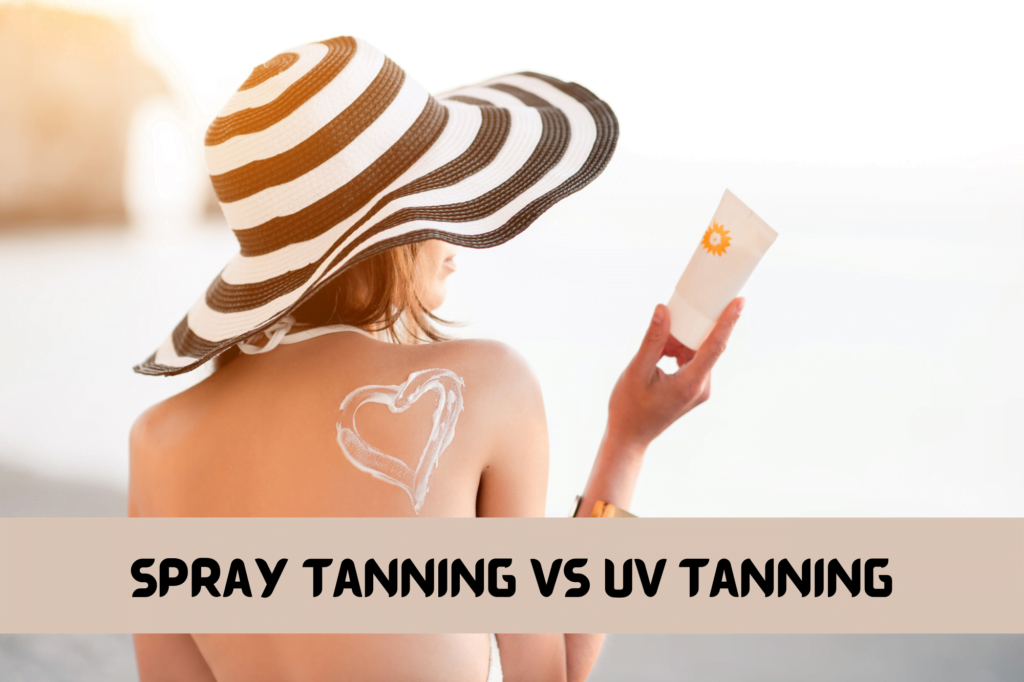
The relationship between spray tan sun protection and UV safety is one of the most misunderstood topics in the tanning and skincare industry. Many people believe that having a spray tan means they have some level of protection from the sun’s harmful rays, leading to dangerous sun exposure without adequate protection. The truth is far more nuanced and critically important for anyone who uses spray tanning as a cosmetic choice. While a spray tan creates the appearance of sun-kissed skin without UV exposure, it provides minimal to no meaningful protection against sunburn, skin damage, or the long-term risks associated with ultraviolet radiation.
Spray tans work by applying dihydroxyacetone (DHA), a colorless sugar that reacts with amino acids in the dead skin cells on your skin’s surface to create a brown pigment. This chemical reaction produces the tan color within 4-8 hours of application and can last 5-10 days depending on skin type and aftercare. The process is entirely superficial, affecting only the outermost layer of dead skin cells, which is fundamentally different from a natural tan produced by melanin in response to UV exposure. This distinction is crucial because melanin provides some degree of natural sun protection, while the DHA-induced color change does not trigger the skin’s protective mechanisms.
The misconception about spray tan sun protection has led to a concerning trend where people feel emboldened to spend more time in the sun without proper protection because they believe their spray tan offers a protective barrier. Research has shown that individuals with spray tans may engage in riskier sun behavior, staying out longer and applying sunscreen less frequently than they would with pale skin. This false sense of security can actually increase the risk of sunburn, premature aging, and skin cancer—the very outcomes that people often try to avoid by choosing spray tanning over UV tanning beds or sun exposure in the first place.
The Science Behind DHA and UV Protection
How Spray Tans Work at the Molecular Level
To understand spray tan sun protection capabilities, we must first understand the chemical process that creates the tan color. Dihydroxyacetone (DHA) is an FDA-approved color additive derived from sugar cane or sugar beets. When applied to the skin, DHA penetrates the stratum corneum (the outermost layer of dead skin cells) and undergoes a Maillard reaction with the amino acids in these cells. This is the same type of reaction that causes bread to brown when toasted or meat to develop a crust when seared. The resulting melanoidins are brown pigments that give skin the appearance of a tan.
The Maillard reaction that produces spray tan color takes several hours to complete, which is why spray tan instructions always include a development period before showering. During this time, the DHA molecules are binding with proteins in the dead skin cells, creating increasingly darker pigments as the reaction progresses. The depth of color depends on several factors including DHA concentration (typically 5-15% in professional solutions), the thickness of your stratum corneum, your skin’s natural pH, and how long you allow the solution to develop before washing.
Critically, this coloring process occurs only in dead skin cells that are already scheduled to slough off naturally within days or weeks. The pigmentation does not involve melanocytes (the cells that produce melanin) and does not trigger any of the skin’s natural protective responses to UV radiation. Natural tanning involves melanocytes producing more melanin and distributing it to surrounding skin cells as a protective response to UV damage. This melanin then absorbs and scatters UV radiation, providing an estimated SPF of 2-4 in individuals who tan easily. Spray tan pigment, conversely, does not absorb UV radiation in any meaningful protective way.
Measuring the SPF Value of Spray Tans
The sun protection factor (SPF) of spray tans has been the subject of limited but revealing research. Studies conducted by dermatology researchers have found that spray tans provide an SPF of approximately 2-4 at most, and some research suggests the protection may be even lower at SPF 1-2. To put this in context, dermatologists recommend using sunscreen with a minimum SPF of 30 for daily use and SPF 50+ for extended sun exposure. An SPF of 2-4 means that spray tanned skin might withstand UV exposure for twice as long before burning compared to completely unprotected skin—but this is an extremely minimal level of protection that offers virtually no meaningful defense against sun damage.
| Protection Type | SPF Value | Protection Level | UV Blocking % |
|---|---|---|---|
| No Protection | SPF 0-1 | None | 0-50% |
| Spray Tan | SPF 2-4 | Minimal | 50-75% |
| Natural Tan (Type III-IV Skin) | SPF 2-4 | Minimal | 50-75% |
| Daily Sunscreen (Minimum) | SPF 30 | Adequate | 96.7% |
| High Protection Sunscreen | SPF 50+ | High | 98%+ |
| Zinc Oxide Physical Barrier | SPF 50+ | Very High | 98%+ |
The minimal protection offered by spray tans becomes even more concerning when you consider that many people apply their spray tan specifically before vacations, beach trips, or outdoor events where sun exposure will be prolonged and intense. The false confidence inspired by having tanned-looking skin can lead to inadequate sun protection practices precisely when protection is most needed. Dermatologists emphasize that the cosmetic appearance of a tan should never be confused with actual sun protection, and that spray tan sun protection is insufficient for any meaningful UV defense.
Why Spray Tan Color Doesn’t Equal Sun Protection
The fundamental reason spray tans don’t provide sun protection relates to how UV radiation interacts with skin and what actually blocks or absorbs these harmful rays. Ultraviolet radiation comes in two primary types that reach Earth’s surface: UVA (320-400 nm wavelength) and UVB (290-320 nm). UVB rays cause sunburn and directly damage DNA in skin cells, while UVA rays penetrate more deeply, causing aging, wrinkles, and contributing to skin cancer risk. Effective sun protection must block or absorb both types of radiation.
Suggested read: Spray Can Mastery: Types, Techniques, and Professional Applications
Natural melanin provides some protection because it’s a biological pigment specifically produced by the body in response to UV exposure, and it has molecular properties that allow it to absorb UV radiation and convert it to harmless heat. Melanin also scavenges free radicals produced by UV exposure, providing an additional protective mechanism. The spray tan pigment created by the DHA-amino acid reaction, however, lacks these protective properties. The melanoidins produced in the Maillard reaction are chemically different from melanin and do not effectively absorb UV radiation or neutralize free radicals.
Research published in dermatology journals has demonstrated that while DHA-tanned skin may appear darker to the naked eye, spectroscopic analysis shows that it doesn’t significantly alter the skin’s UV absorption characteristics. A study published in the British Journal of Dermatology found that skin treated with DHA showed minimal changes in UV transmission compared to untreated skin, confirming that the cosmetic darkening doesn’t translate to meaningful photoprotection. This scientific evidence definitively shows that spray tan sun protection is negligible and should never be relied upon as a substitute for proper sun safety measures.
Common Myths About Spray Tan Sun Protection
Myth 1: Darker Spray Tan Equals More Protection
One of the most dangerous misconceptions is that a darker spray tan provides better sun protection. People often reason that if natural dark skin has more melanin and therefore more sun protection than fair skin, then a darker spray tan must offer similar benefits. This logic is fundamentally flawed because the darkness of a spray tan comes from concentration of DHA and the extent of the Maillard reaction in dead skin cells, not from actual melanin production or any UV-protective mechanism.
Professional spray tan solutions typically range from light (6-8% DHA) to dark (12-15% DHA) concentrations. While higher DHA concentrations produce darker colors, research shows this doesn’t proportionally increase UV protection. A very dark spray tan with 15% DHA might provide an SPF of 3-4, while a lighter tan with 8% DHA might provide SPF 2-3—a negligible difference that offers no practical protection in either case. The color intensity is purely cosmetic and has no bearing on the skin’s ability to defend against UV damage.
Case Study: Beach Vacation Sun Damage
A 28-year-old woman scheduled a spray tan before a Caribbean vacation, specifically requesting the darkest color available because she believed it would help prevent sunburn. Confident in her dark spray tan, she spent six hours at the beach on her first day, applying sunscreen only once in the morning with SPF 15. By evening, she had developed a severe sunburn across her shoulders, chest, and legs despite the spray tan being visibly dark. The spray tan color began fading unevenly as her skin peeled from the sunburn, creating an even more undesirable appearance. This case, typical of many seen by dermatologists, illustrates the dangerous false confidence that spray tan sun protection myths can create.
Myth 2: Spray Tans “Prepare” Skin for Sun Exposure
Another common myth suggests that getting a spray tan before sun exposure helps prepare the skin for UV radiation, similar to how some people believe a “base tan” from UV tanning beds protects against future sunburn. This myth is completely false on multiple levels. First, as established, spray tans don’t provide meaningful UV protection. Second, the concept of a “base tan” providing protection is itself largely a myth—even a natural tan from UV exposure provides minimal protection (SPF 2-4) and comes at the cost of DNA damage that increases skin cancer risk.
The spray tan preparation myth may stem from the observation that people with spray tans sometimes seem to burn less severely during sun exposure. However, this is typically due to the spray tan making it harder to see the early signs of sunburn (redness) rather than actually preventing burning. The DHA pigmentation can mask the pink or red coloration that signals developing sunburn, causing people to stay in the sun longer than they would if they could see their skin reddening. By the time the burn becomes painful, the damage is already extensive.
Dermatologists emphasize that there is no safe way to “prepare” skin for sun exposure other than gradually building tolerance over weeks (which still involves UV damage) and, most importantly, using proper sun protection including sunscreen, protective clothing, and shade. The idea that spray tan sun protection can prime or prepare skin for UV exposure is not supported by any scientific evidence and can lead to dangerous sun exposure practices that increase the risk of both acute sunburn and long-term damage including premature aging and melanoma.
Suggested read: Automatic Spray Painting: The Future of Industrial Coating Solutions
Myth 3: Spray Tans Reduce Sunscreen Need
Perhaps the most dangerous myth is that having a spray tan means you need less sunscreen or can use a lower SPF than you would with pale skin. This misconception leads people to under-apply sunscreen, skip reapplication, or choose inadequate SPF levels, all of which dramatically increase sun damage risk. The truth is that spray tanned skin requires exactly the same sun protection as untanned skin—and arguably needs even more vigilant protection because the spray tan color can mask the visual warning signs of burning.
Sunscreen application guidelines remain the same regardless of whether you have a spray tan: apply a broad-spectrum SPF 30 minimum (SPF 50+ for extended exposure), use approximately one ounce (shot glass full) for full body coverage, apply 15-30 minutes before sun exposure, and reapply every two hours or immediately after swimming or sweating. These guidelines don’t change because you have a spray tan. In fact, some dermatologists recommend being even more vigilant about sun protection when you have a spray tan because you won’t notice early redness that would normally prompt you to seek shade or apply more sunscreen.
Research on sun protection behavior has shown that people with spray tans or self-tanning products often exhibit riskier sun behavior compared to when they have pale skin. A study published in the Journal of the American Academy of Dermatology found that individuals who used self-tanning products were more likely to spend extended time in the sun and less likely to seek shade or wear protective clothing. This behavioral risk compounds the already minimal spray tan sun protection, creating a perfect storm for sun damage. Education about the lack of UV protection from spray tans is crucial for preventing this risky behavior pattern.
Proper Sun Protection When You Have a Spray Tan
Sunscreen Selection and Application
When you have a spray tan, choosing the right sunscreen becomes even more important because you need protection that won’t compromise your tan’s appearance while providing maximum UV defense. The primary concern is selecting sunscreens that won’t cause streaking, fading, or uneven color removal. Broad-spectrum sunscreens that protect against both UVA and UVB radiation are essential, with dermatologists recommending minimum SPF 30 for daily use and SPF 50+ for beach, pool, or extended outdoor exposure.
Chemical sunscreens (containing ingredients like avobenzone, oxybenzone, or octinoxate) absorb UV radiation and convert it to heat, while physical sunscreens (containing zinc oxide or titanium dioxide) create a physical barrier that reflects UV rays. Both types work effectively for spray tan sun protection, though some spray tan enthusiasts prefer physical sunscreens because they’re less likely to interact with the DHA pigmentation. However, the most important factor is choosing a sunscreen you’ll actually use correctly and consistently, as perfect application of any broad-spectrum sunscreen matters more than the specific type.
Application technique for sunscreen over spray tans requires some special considerations:
- Apply sunscreen 15-30 minutes before sun exposure to allow it to bond with skin and become effective
- Use generous amounts: Most people apply only 25-50% of the recommended amount, dramatically reducing effectiveness
- Pay attention to commonly missed areas: ears, back of neck, tops of feet, hands, and hairline
- Reapply every two hours without exception, and immediately after swimming or heavy sweating
- Layer sunscreen over spray tan gently without rubbing aggressively, which can remove tan color
- Allow sunscreen to dry completely before putting on clothing to prevent transfer and tan streaking
Some spray tan-safe sunscreens are specifically marketed as compatible with self-tanning products, formulated to minimize interaction with DHA pigmentation. These products typically avoid ingredients known to cause oxidation or chemical reactions with spray tan pigments, such as certain types of alcohol or hydrogen peroxide. However, any broad-spectrum sunscreen properly applied will provide the UV protection you need, even if it slightly affects tan longevity—protecting your skin from cancer and aging should always take priority over maintaining cosmetic tan color.
Protective Clothing and Accessories
Sun-protective clothing provides reliable UV defense that doesn’t wash off, wear off, or require reapplication, making it an excellent complement to sunscreen when you have a spray tan. Clothing with Ultraviolet Protection Factor (UPF) ratings indicates how much UV radiation the fabric blocks. UPF 50 clothing blocks 98% of UV rays, providing significantly better protection than even the minimal spray tan sun protection you might have. Unlike sunscreen, protective clothing won’t affect your spray tan color or require any special application techniques.
Effective sun-protective wardrobe choices include:
Suggested read: Athlete's Foot Spray: Treatment Options and How to Use Them
- UPF-rated clothing: Look for shirts, pants, and dresses specifically designed for sun protection
- Wide-brimmed hats: Choose hats with at least 3-inch brims all around to protect face, ears, and neck
- UV-blocking sunglasses: Protect eyes and the delicate skin around them with sunglasses offering 100% UV protection
- Swim shirts (rashguards): Essential for water activities where sunscreen washes off quickly
- Lightweight long sleeves: Choose breathable fabrics that cover arms without causing overheating
- UV-protective swimwear: Full-coverage suits or swim leggings for extended water exposure
The color and weave of fabric affect UV protection levels. Darker colors generally provide better UV protection than lighter colors, and tightly woven fabrics block more radiation than loosely woven materials. Wet fabric loses some protective ability, so having dry cover-ups available at the beach or pool is important. The beauty of protective clothing is that it works regardless of whether you have a spray tan, natural tan, or pale skin, and it won’t compromise your spray tan’s appearance the way some sunscreens might if they cause slight fading.
Timing and Behavior Modifications
When you have a spray tan, modifying your sun exposure timing and behavior is crucial for maintaining both skin health and tan appearance. The hours between 10 AM and 4 PM represent peak UV intensity, when the sun’s rays are most direct and damaging. During these hours, UV radiation is 2-3 times stronger than in early morning or late afternoon. Limiting sun exposure during peak hours provides dual benefits: it reduces UV damage risk and helps your spray tan last longer since sun exposure accelerates the exfoliation process that causes tans to fade.
Strategic sun exposure planning should include:
- Seek shade whenever possible: Use umbrellas, canopies, trees, or buildings to create UV barriers
- Take regular breaks from direct sun: Spend 10-15 minutes in shade for every 30-45 minutes in sun
- Plan outdoor activities for early morning or late afternoon: Schedule beach time, sports, or outdoor dining when UV is less intense
- Use sun-protective structures: Pop-up tents, beach umbrellas with UV-protective fabric, covered patios
- Monitor UV index: Use weather apps or forecasts to check daily UV levels and plan accordingly
- Recognize that cloud cover doesn’t equal safety: Up to 80% of UV rays penetrate clouds
The behavioral aspect of spray tan sun protection extends to being aware of how your spray tan might mask sunburn warning signs. Because the tan color can hide the early redness of developing sunburn, you need to be more vigilant about monitoring time in the sun, following a timer for reapplication schedules, and paying attention to skin feeling hot or tight rather than relying solely on visual cues. Some people find it helpful to set phone alarms for sunscreen reapplication and sun break reminders when they have a spray tan, since they can’t trust their skin’s appearance to signal when they’ve had too much sun.
The Relationship Between Spray Tans and Vitamin D
Understanding Vitamin D Synthesis
An important consideration in the spray tan sun protection discussion involves vitamin D production. The body produces vitamin D when UVB radiation hits skin and converts 7-dehydrocholesterol to previtamin D3, which then becomes vitamin D3. This process requires actual UV exposure—spray tans don’t trigger vitamin D synthesis because they don’t involve UV radiation. Additionally, once you have a spray tan, there’s a question about whether the DHA pigmentation affects the skin’s ability to produce vitamin D from subsequent sun exposure.
Research on spray tans and vitamin D has yielded mixed results, but the general consensus is that spray tans don’t significantly interfere with vitamin D synthesis. The DHA pigmentation occurs in the dead outer layer of skin (stratum corneum), while vitamin D production happens in the living epidermis beneath this layer. UVB rays penetrate through the spray tan pigmentation to reach the living skin cells where the vitamin D conversion process occurs. Therefore, having a spray tan doesn’t prevent vitamin D production the way that sunscreen does, since sunscreen blocks or absorbs UV radiation before it penetrates the skin.
However, this doesn’t mean you should rely on sun exposure for vitamin D when you have a spray tan or at any other time. Dermatologists and health organizations increasingly recommend obtaining vitamin D through diet and supplements rather than UV exposure because the amount of sun needed for adequate vitamin D production also increases skin cancer risk. Foods rich in vitamin D include fatty fish (salmon, mackerel, sardines), fortified milk and cereals, egg yolks, and mushrooms. Vitamin D3 supplements (typically 1,000-2,000 IU daily for adults) provide adequate vitamin D without any UV exposure risk.
Balancing Vitamin D Needs and Skin Protection
The vitamin D dilemma becomes relevant when discussing spray tan sun protection because some people justify unprotected sun exposure by claiming they need vitamin D, and may feel that their spray tan provides enough protection for this limited sun exposure to be safe. This reasoning is flawed for multiple reasons. First, as established, spray tans provide minimal UV protection (SPF 2-4 at most). Second, the amount of unprotected sun exposure needed for vitamin D production is quite small—typically 10-30 minutes of midday sun on arms and legs twice weekly for fair-skinned individuals, more for darker skin tones.
Dermatologists recommend a more sensible approach: obtain vitamin D through diet and supplements, and if you do choose to get some vitamin D from sun exposure, do so strategically with limited, controlled exposure (such as 10-15 minutes of morning sun on arms and legs before applying sunscreen) rather than extended unprotected time that significantly increases skin damage risk. Having a spray tan doesn’t change these recommendations—you should still protect your skin properly regardless of cosmetic tanning.
Suggested read: Open Cell Spray Foam: Everything You Need to Know About This Insulation Solution
The long-term health calculus clearly favors sun protection over sun exposure for vitamin D. Skin cancer is one of the most common cancers, with more cases diagnosed annually than all other cancers combined. Melanoma, the deadliest form of skin cancer, has a lifetime risk of about 1 in 27 for men and 1 in 40 for women. These risks are directly increased by UV exposure. Conversely, vitamin D deficiency is easily correctable through supplementation without any cancer risk. When you have a spray tan, the minimal UV protection it provides doesn’t tip this balance—you still need comprehensive sun protection to minimize skin cancer risk.
Spray Tan Maintenance and Sun Exposure
How Sun Affects Spray Tan Longevity
Sun exposure significantly impacts spray tan longevity, which creates an interesting paradox for people who get spray tans specifically for beach vacations or outdoor events. The UV radiation and heat from sun exposure accelerate the natural exfoliation process that causes spray tans to fade. Additionally, chlorine from pools, salt water from oceans, and increased sweating during outdoor activities all contribute to faster tan fading. Understanding how to balance spray tan sun protection needs with tan maintenance helps you get the most from your spray tan investment while keeping your skin safe.
The science behind sun-induced spray tan fading involves several mechanisms. UV exposure increases skin cell turnover rate, causing the tanned dead skin cells to slough off more quickly. Heat and sweating open pores and increase moisture on the skin’s surface, which can cause the water-soluble DHA pigments to become more unstable. Swimming and water exposure physically remove the outermost skin cells faster than they would naturally exfoliate. All these factors combine to make spray tans fade faster during sun-heavy activities like beach vacations, outdoor festivals, or summer sports.
Strategies to extend spray tan life during sun exposure:
- Moisturize religiously: Well-hydrated skin retains spray tan color longer because cells don’t shed as quickly
- Use spray tan extender products: These specialized moisturizers contain subtle DHA concentrations to maintain color
- Rinse after swimming: Shower promptly after pool or ocean swimming to remove salt and chlorine
- Pat dry instead of rubbing: Aggressive towel drying removes dead skin cells and accelerates fading
- Apply gradual tanning lotion: Maintain color between spray tan sessions with daily self-tanning products
- Schedule maintenance spray tans: Plan a touch-up session mid-vacation if extending the trip beyond 7-10 days
It’s important to note that while these strategies help maintain your spray tan appearance, they don’t increase spray tan sun protection. Your UV protection strategy must remain constant regardless of whether your spray tan is fresh, fading, or completely gone. Some people make the mistake of relaxing their sun protection as their spray tan fades, reasoning that they’ll burn more obviously with paler skin and will therefore be more careful. This backwards logic leads to exactly the risky behavior that causes sun damage—maintain vigilant protection regardless of your skin’s current color.
Combining Spray Tans with Gradual Tanners
Gradual tanning lotions offer a way to extend and maintain spray tan color while providing daily moisturization. These products contain low concentrations of DHA (typically 2-5%) that build color gradually over several applications rather than creating dramatic color change overnight. When used in conjunction with professional spray tans, gradual tanners can extend the appearance of your tan from the typical 5-7 days to 10-14 days or longer. However, these products provide the same minimal spray tan sun protection as professional spray tans—essentially none.
Application tips for gradual tanners during sun exposure periods:
- Apply in the evening: This allows the DHA to develop overnight and be less likely to transfer to clothing or bedding
- Exfoliate 2-3 times weekly: Gentle exfoliation prevents buildup on rough areas like knees and elbows
- Focus on areas that fade fastest: Concentrate application on chest, shoulders, and legs where spray tan tends to fade quickest
- Use oil-free formulas: These won’t interfere with sunscreen application the next day
- Avoid immediate sun exposure: Wait at least 4 hours after application before prolonged sun time
- Don’t confuse DHA content with SPF: The tanning ingredient provides color, not protection
Some people mistakenly believe that using gradual tanning products with SPF provides both color maintenance and sun protection. While some gradual tanners do include SPF (typically SPF 15-30), these products should not be relied upon as your primary sun protection. The SPF in tanning lotions only provides protection immediately after application, and since these products are typically applied at night, any SPF benefit is gone by the time you’re in the sun the next day. You still need to apply proper sunscreen (SPF 30-50+) every morning and reapply every two hours during sun exposure, regardless of whether your gradual tanner contains SPF.
Medical Considerations and Skin Health
Photosensitivity and Medication Interactions
Certain medications and medical conditions increase photosensitivity, making proper sun protection even more critical when you have a spray tan. Photosensitizing medications make skin more susceptible to sunburn and UV damage, sometimes reducing the time it takes to burn by 50% or more. The danger is that people taking these medications might feel protected by their spray tan color and fail to take adequate precautions, leading to severe sunburn or even chemical burns from the interaction between medication, UV exposure, and their spray tan products.
Suggested read: Clear Coat Spray Paint: Professional Techniques, Applications, and Product Selection for Flawless Finishes
Common photosensitizing medications include:
- Antibiotics: Tetracyclines, fluoroquinolones, sulfonamides
- NSAIDs: Ibuprofen, naproxen, ketoprofen
- Diuretics: Hydrochlorothiazide, furosemide
- Acne medications: Isotretinoin (Accutane), tretinoin (Retin-A)
- Antihistamines: Diphenhydramine, some allergy medications
- Heart medications: Amiodarone, quinidine
- Psychiatric medications: Some antidepressants and antipsychotics
- Diabetes medications: Certain sulfonylureas
If you’re taking any photosensitizing medication, spray tan sun protection becomes even more inadequate than normal. You must be extraordinarily vigilant about sun protection, using SPF 50+ sunscreen, wearing protective clothing, seeking shade consistently, and limiting sun exposure during peak hours. Consult with your physician or pharmacist about your specific medication’s photosensitivity risks and follow their guidance for sun protection. Never assume that your spray tan provides any meaningful protection when taking these medications.
Skin Cancer Risk and Monitoring
Having a spray tan can interfere with skin cancer detection, which is an often-overlooked medical consideration. Dermatologists rely on visual inspection to identify suspicious moles, lesions, and changes in skin appearance that might indicate melanoma or other skin cancers. A spray tan can mask these changes, making it harder to notice new growths, changes in existing moles, or the warning signs of skin cancer. This is particularly concerning for individuals at high risk for skin cancer, including those with fair skin, history of severe sunburns, family history of melanoma, or many moles.
The ABCDE rule for melanoma detection involves monitoring moles and spots for:
- Asymmetry: One half doesn’t match the other half
- Border: Irregular, ragged, notched, or blurred edges
- Color: Multiple colors or uneven color distribution
- Diameter: Larger than 6mm (pencil eraser size)
- Evolving: Changes in size, shape, color, or symptoms
When you have a spray tan, these warning signs become harder to detect because the DHA pigmentation can temporarily darken moles and lesions, mask color changes, and create false shadows that obscure borders and symmetry. For this reason, dermatologists recommend scheduling annual skin cancer screenings when you don’t have a spray tan, or at least informing your dermatologist that you have one so they can factor this into their examination.
Best practices for skin cancer monitoring with spray tans:
- Photograph your moles before spray tanning: Create a baseline record without spray tan color interference
- Schedule dermatology appointments when tan-free: Allow spray tan to fade completely before annual skin check
- Perform self-examinations without spray tan: Check your entire body monthly when you don’t have active spray tan color
- Report any unusual changes immediately: Don’t wait for your spray tan to fade if you notice something concerning
- Be vigilant with sun protection: The minimal spray tan sun protection makes comprehensive UV defense essential for cancer prevention
Professional Spray Tan Sun Safety Recommendations
What Spray Tan Technicians Should Tell Clients
Professional spray tan technicians have an ethical responsibility to educate clients about the lack of meaningful spray tan sun protection. Unfortunately, industry surveys suggest that many technicians either don’t discuss sun protection at all or may inadvertently reinforce misconceptions about spray tans providing UV defense. Comprehensive client education should be a standard part of every spray tan service, included in pre-appointment consultations, aftercare instructions, and follow-up communications.
Essential client education topics should include:
- Explicit statement that spray tans provide minimal to no sun protection (SPF 2-4 maximum)
- Importance of sunscreen: Recommend SPF 30 minimum, 50+ for extended exposure, broad-spectrum protection
- Proper sunscreen application: Timing, amount, reapplication schedule, and spray-tan-safe product recommendations
- Behavioral sun safety: Seeking shade, timing outdoor activities, wearing protective clothing
- Myth debunking: Addressing common misconceptions about base tans, preparation, and protection levels
- Visual warning limitations: Explaining that spray tan color can mask sunburn redness and delay protective action
- Product recommendations: Suggesting specific sunscreens, after-sun products, and tan extenders compatible with spray tans
Liability considerations make client education not just ethical but also legally prudent. If a client develops severe sunburn or sun poisoning after a spray tan because they believed the tan provided protection, and the technician didn’t properly educate them about sun safety, potential liability could arise. Many spray tan businesses now include specific language in their consent forms and aftercare materials explicitly stating that spray tans don’t provide sun protection and that clients must use proper UV protection when exposed to sun.
Suggested read: The Ultimate Spray Tan Scrub: How to Prep, Maintain, and Remove Your Golden Glow
Industry Standards and Certifications
The spray tan industry has developed various certification programs and professional standards to ensure technician competence and client safety. Organizations like the Spray Tan Association and training programs through equipment manufacturers provide education on DHA chemistry, application techniques, client consultation, and safety protocols. However, sun safety education hasn’t always been a prominent component of these programs, which represents a gap that needs addressing given the misconceptions about spray tan sun protection.
Comprehensive spray tan certification should include:
- Understanding of DHA chemistry and UV protection limitations
- Sunscreen recommendations and application guidance
- Client risk assessment for photosensitivity, medications, and skin cancer history
- Communication skills for difficult conversations about sun safety
- Liability awareness and proper documentation of client education
- Ongoing education requirements to stay current with safety research
Clients seeking spray tan services should look for technicians who demonstrate knowledge of sun safety and proactively discuss protection strategies. Red flags include technicians who suggest spray tans provide meaningful sun protection, discourage sunscreen use to “preserve the tan,” or don’t mention sun safety at all during the consultation. Professional, well-trained technicians prioritize client health and safety over color intensity or tan longevity, and they should enthusiastically support proper sun protection even if it slightly affects spray tan appearance.
Alternatives and Complementary Approaches
Combining Spray Tans with Other Sun-Free Tanning Methods
For people who want tanned-looking skin without UV exposure, spray tans can be combined with other sunless tanning methods to create a comprehensive approach that maintains color while minimizing sun exposure. Gradual tanning lotions, self-tanning mousses, tanning drops, and bronzing makeup can all work alongside professional spray tans to extend color and provide flexibility. However, it’s crucial to remember that regardless of which combination of sunless tanning products you use, spray tan sun protection remains minimal and comprehensive UV protection strategies are always necessary.
Layered sunless tanning approach:
- Professional spray tan every 7-10 days: Provides base color and even application
- Gradual tanning lotion daily: Maintains color between professional sessions
- Tanning drops in moisturizer: Allows customizable color intensity day-to-day
- Instant bronzer for events: Provides temporary color boost that washes off
- Targeted self-tanner: Addresses specific areas that fade faster (chest, hands, feet)
The advantage of this multi-product approach is that it provides maximum flexibility for maintaining your desired color without sun exposure, which eliminates the UV damage risk associated with natural tanning. The disadvantage is complexity and cost—using multiple products requires technique, time, and financial investment. However, when compared to the long-term costs of sun damage (premature aging, brown spots, wrinkles, potential skin cancer treatment), the investment in comprehensive sunless tanning can be worthwhile for people who strongly prefer tanned-looking skin.
Bronzing Makeup as a Temporary Alternative
Bronzing makeup products offer temporary color that doesn’t involve any DHA or skin-staining chemicals. Bronzers, illuminators, and body makeup can create the appearance of a tan for specific events or photos without the commitment of spray tans that last for days. These products wash off completely with soap and water, making them ideal for people who want tan-looking skin occasionally without maintaining it continuously. More importantly, because these products sit on the skin’s surface without any chemical reaction, users are less likely to develop false confidence about sun protection.
Types of bronzing makeup:
- Powder bronzer: For face and décolletage, provides matte or shimmer finish
- Cream bronzer: Blendable formulas for natural-looking contour and warmth
- Bronzing body lotion: Tinted moisturizer that provides temporary color and hydration
- Shimmer oil: Creates glowing, highlighted appearance on shoulders, collarbones, legs
- Spray-on body makeup: Professional-grade products for uniform coverage on large areas
- Gradual bronzing lotion: Builds subtle color over days with built-in moisturizer
The main advantage of bronzing makeup over spray tans is that it doesn’t create the illusion of built-in sun protection. Because users know the color is purely cosmetic and temporary, they’re more likely to maintain appropriate sun protection behaviors. Additionally, bronzing makeup won’t interfere with sunscreen application or effectiveness—you can apply sunscreen first, let it absorb, and then apply bronzing products over it. Some bronzing body products even include SPF, though these shouldn’t be relied upon as primary sun protection due to inadequate application amounts and lack of reapplication.
Suggested read: How Long Do Spray Tans Last? Everything You Need to Know About Spray Tan Duration
Frequently Asked Questions About Spray Tan Sun Protection
Does a spray tan protect you from the sun?
No, spray tans provide minimal to no meaningful sun protection. While spray tans may offer an SPF of approximately 2-4 at most, this is far below the minimum SPF 30 that dermatologists recommend for daily sun exposure. The color created by DHA reacting with dead skin cells doesn’t trigger the skin’s natural protective mechanisms or absorb UV radiation in any significant way. You need to use proper sunscreen (SPF 30-50+), wear protective clothing, seek shade, and follow all standard sun safety practices when you have a spray tan, just as you would with pale skin. The cosmetic appearance of a tan should never be confused with actual UV protection.
Can I skip sunscreen if I have a dark spray tan?
Absolutely not. Having a spray tan—even a very dark one—does not reduce your need for sunscreen in any way. Dark spray tans provide the same minimal SPF (2-4) as lighter spray tans, which is insufficient for protecting against sunburn, premature aging, or skin cancer risk. In fact, you may need to be even more vigilant about sun protection when you have a spray tan because the color can mask the early warning signs of sunburn (redness), potentially causing you to stay in the sun longer than you would if you could see your skin becoming pink.
Apply broad-spectrum SPF 30 minimum (SPF 50+ for extended exposure), reapply every two hours, and follow all standard sun protection guidelines regardless of your spray tan’s darkness.
How long should I wait after a spray tan before sun exposure?
You should wait at least 8-12 hours after your spray tan application before sun exposure, but this waiting period relates to allowing the DHA to fully develop and set, not because gradual exposure builds protection. The initial development period is when your spray tan color is forming and is most vulnerable to being disrupted by sweating, water exposure, or friction. Once your spray tan has fully developed (typically 8-12 hours after application, or after your first post-tan shower), sun exposure won’t prevent color development, but you absolutely must use comprehensive sun protection. There is no timeline after which spray tan sun protection becomes adequate—it never does, and you always need additional UV defense measures.
Will my spray tan prevent me from burning?
No, spray tans do not prevent sunburn. The minimal SPF (2-4) that spray tans might provide means you could potentially stay in the sun twice as long before burning compared to completely unprotected skin, but this is not meaningful protection. For context, if you would normally burn after 10 minutes of unprotected sun exposure, a spray tan might extend that to 20-40 minutes—still a very short time that would result in sunburn without proper protection.
More dangerously, spray tan color can hide the visible redness of developing sunburn, potentially causing you to stay in the sun until the burn becomes painful, by which point significant damage has already occurred. Always use sunscreen, protective clothing, and shade strategies to prevent burning, regardless of spray tan presence.
Does spray tan affect how I should apply sunscreen?
The presence of a spray tan doesn’t fundamentally change sunscreen application guidelines, but there are some practical considerations. You should still apply broad-spectrum SPF 30+ (or SPF 50+ for extended exposure) generously and evenly, using approximately one ounce (shot glass full) for full body coverage. Apply 15-30 minutes before sun exposure and reapply every two hours or after swimming or sweating.
The main difference is that you might want to apply sunscreen more gently to avoid aggressively rubbing and removing spray tan color, and you may prefer sunscreens specifically marketed as compatible with self-tanning products. However, protecting your skin from UV damage is always more important than preserving spray tan color—even if sunscreen slightly affects your tan’s longevity, skin cancer prevention takes priority.
Can a spray tan help me build a base tan for vacation?
No, this is a dangerous misconception. Spray tans do not help you build a base tan or prepare your skin for sun exposure in any way. The concept of a “base tan” providing protection is largely a myth even when referring to natural tans from UV exposure (which provide only SPF 2-4 and come at the cost of DNA damage). Spray tans, which don’t involve any UV exposure or melanin production, certainly don’t prepare your skin for sun.
Suggested read: Fly Spray: Everything You Need to Know About Effective Fly Control Solutions
People sometimes think they burn less severely when they have spray tans, but this is typically because the color masks the early redness of developing sunburn rather than actually preventing burning. Never rely on spray tan sun protection to prepare for vacation sun exposure—use proper sunscreen, protective clothing, and sun safety strategies instead.
Will spray tan products with SPF protect my skin?
Some spray tan solutions and aftercare products include SPF, but this doesn’t provide the continuous protection you need. SPF in spray tan solution only provides protection during the actual development period (typically 8-12 hours), and any SPF in aftercare moisturizers or tan extenders only protects immediately after application.
These products are typically applied at night or once daily, so their SPF benefit is gone by the time you’re exposed to sun later in the day. Additionally, the SPF levels in these products are usually SPF 15-30, which is below the SPF 50+ recommended for extended sun exposure. You must apply proper sunscreen every morning before sun exposure and reapply every two hours, regardless of whether your spray tan products contain SPF.
Does spray tan protect against skin cancer?
No, spray tans do not protect against skin cancer. Skin cancer risk is determined by cumulative UV exposure over your lifetime, and spray tans don’t reduce UV exposure or block the DNA damage that leads to cancer. The minimal SPF (2-4) that spray tans might provide is insufficient to prevent the mutations that cause skin cancer. In fact, research suggests that people with spray tans may engage in riskier sun behavior (longer exposure, less sunscreen use) due to false confidence in their tan’s protective abilities, potentially increasing their cancer risk. Comprehensive sun protection using SPF 30+ sunscreen, protective clothing, shade, and avoiding peak sun hours is essential for cancer prevention, regardless of whether you have a spray tan.
Resources and Citations for Spray Tan Sun Protection:
- American Academy of Dermatology – Sunless Tanning Information – Authoritative guidance on self-tanning safety
- Skin Cancer Foundation – UV Protection Recommendations – Comprehensive sun safety guidelines
- FDA Consumer Information on DHA in Sunless Tanners – Regulatory perspective on spray tan safety
- British Journal of Dermatology – Research on DHA and UV Protection – Scientific studies on spray tan photoprotection
- Journal of the American Academy of Dermatology – Self-Tanning and Sun Behavior – Research on behavioral risks associated with spray tans
Call to Action: Prioritize Sun Safety with Your Spray Tan
Understanding the truth about spray tan sun protection is essential for keeping your skin healthy while enjoying the cosmetic benefits of a golden glow. Don’t let the appearance of tanned skin give you false confidence about UV exposure—your spray tan provides virtually no meaningful protection against sunburn, premature aging, or skin cancer.
Take these essential steps today:
✅ Invest in high-quality broad-spectrum sunscreen (SPF 30 minimum, SPF 50+ for extended sun exposure) that’s compatible with spray tans
✅ Build a sun-protective wardrobe with UPF-rated clothing, wide-brimmed hats, and UV-blocking sunglasses for reliable protection
Suggested read: Spider Spray: Everything You Need to Know About Choosing and Using the Right Spider Repellent
✅ Schedule outdoor activities strategically during early morning or late afternoon when UV intensity is lower
✅ Set phone reminders for sunscreen reapplication every two hours to maintain consistent protection throughout the day
✅ Educate yourself about photosensitizing medications you might be taking and adjust sun protection accordingly
✅ Schedule annual skin cancer screenings with a dermatologist when you don’t have an active spray tan
✅ Choose spray tan professionals who prioritize client education about sun safety and proper UV protection
Your spray tan should enhance your confidence and appearance without compromising your health. By combining the cosmetic benefits of sunless tanning with comprehensive sun protection strategies, you can enjoy beautiful, glowing skin while minimizing UV damage, preventing premature aging, and reducing skin cancer risk. Remember: the color is cosmetic, but the protection needs to be real.
Protecting Your Long-Term Skin Health
The ultimate goal of understanding spray tan sun protection is empowering you to make informed decisions that balance cosmetic preferences with health priorities. Spray tans offer a wonderful way to achieve the sun-kissed appearance many people desire without the UV exposure that causes 90% of visible aging signs and dramatically increases cancer risk. However, this benefit only translates to better health outcomes when you recognize that the cosmetic color doesn’t provide built-in protection and you maintain vigilant sun safety practices.
Long-term skin health strategies when using spray tans include maintaining consistent sunscreen use regardless of tan presence, staying current with dermatology appointments for skin cancer screening, moisturizing religiously to support healthy cell turnover, avoiding UV tanning beds entirely, and educating friends and family about the misconceptions surrounding spray tan sun protection. By adopting a comprehensive approach that separates cosmetic appearance from actual protection, you can enjoy the confidence boost of a great spray tan while prioritizing the health and longevity of your skin.
The spray tan industry continues to evolve with better formulations, more natural-looking colors, and improved longevity, but one thing that will never change is the need for proper sun protection. As technology advances, we may see innovations in spray tan formulations that incorporate more effective UV-blocking ingredients, though current products provide only minimal protection. Until significant advancements occur, the responsibility for sun protection remains entirely with you—the consumer who must actively protect your skin through sunscreen, clothing, shade, and smart behavior choices.