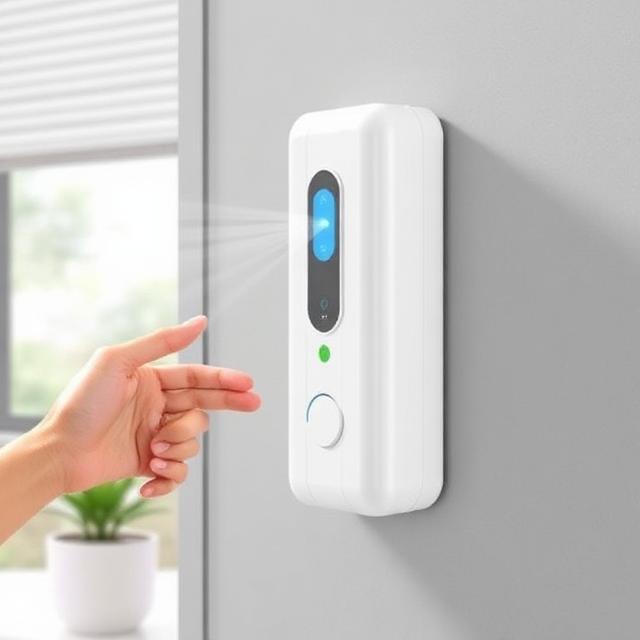
Why Wall-Mounted Automatic Air Freshener Dispensers Are Game-Changers
Let’s be honest—nobody wants to walk into a bathroom, office, or home that smells funky. But constantly remembering to spray air freshener? That’s not happening in most of our busy lives. That’s where an automatic air freshener spray dispenser wall mounted comes in clutch. These clever little devices handle the whole “keep my space smelling fresh” thing for you, spraying fragrance at programmed intervals without you lifting a finger.
Think about it this way: traditional air fresheners require manual spraying (which you’ll forget to do), or they’re those plug-in things that lose their scent after a week and make your electricity bill sad. Wall-mounted automatic air freshener dispensers are different. They mount securely to your wall, hold industrial-sized refills, and consistently dispense fragrance 24/7 for weeks or even months. You set it, forget it, and just enjoy walking into a space that always smells good. No more embarrassing bathroom situations when guests visit, no more stale office conference rooms, no more funky gym locker areas.
The technology has gotten really good too. Modern automatic spray air fresheners use sensors, timers, and adjustable spray intervals to give you complete control over how much fragrance gets released and when. Some even have light sensors that only spray during certain times of day, or motion sensors that detect when someone enters a room. We’re living in the future, folks, and that future smells like tropical breeze, fresh linen, or whatever scent you’re into. Whether you’re a homeowner tired of bathroom odors, a business owner maintaining professional spaces, or a facilities manager responsible for multiple locations, these dispensers solve the “keeping things fresh” problem in a way that actually works.
How Automatic Wall-Mounted Air Freshener Dispensers Actually Work
The Technology Behind the Spray
Automatic air freshener spray dispensers operate on surprisingly simple but effective technology. At the heart of most units is a battery-powered timer mechanism connected to a spray actuator. The timer counts down your programmed interval (usually adjustable between 7.5 to 30 minutes), and when time’s up, it triggers a spring-loaded mechanism that presses down on the aerosol can’s nozzle, releasing a measured burst of fragrance. It’s basically a robot finger pressing the spray button for you on a schedule, but way more reliable than asking your roommate to do it.
The spray mechanism itself varies between models, but most use a simple push-down actuator that’s compatible with standard aerosol cans. Higher-end units might include additional features like mist direction control (so you’re not spraying directly at people’s faces), variable spray volume settings, or even fragrance intensity adjustments. The batteries—usually AA or D-cell—power the timer and actuator motor, and they typically last 3-6 months depending on how frequently you program the device to spray and the quality of the batteries you use.
Smart dispensers take things up a notch with additional sensors and programming options. Light sensors detect ambient brightness and can pause spraying during dark hours (no point freshening an empty office at 2 AM). Motion sensors trigger sprays only when someone enters the room, saving fragrance and battery life. Some premium automatic air freshener spray dispenser wall mounted units even connect to building management systems or have adjustable spray patterns for larger spaces. The technology keeps evolving, making these devices more efficient and effective every year.
Power Sources and Battery Life
Most wall-mounted air freshener dispensers run on standard AA or D batteries, and the battery life is actually pretty impressive. A quality dispenser using alkaline batteries can run for 3-6 months before needing replacement, assuming you’re using moderate spray intervals (every 15 minutes or so). That works out to thousands of sprays before the batteries die. Some commercial-grade units use D batteries which last even longer—we’re talking 6-9 months or more—making them perfect for high-traffic areas where you can’t constantly service the units.
Battery consumption depends on several factors: spray interval frequency (spraying every 7.5 minutes drains batteries faster than every 30 minutes), temperature (extreme cold or heat reduces battery efficiency), and battery quality (cheap batteries die way faster than name brands). If you’re going through batteries like crazy, check your spray interval settings—you might be spraying more frequently than necessary. Most spaces do fine with 15-20 minute intervals, which balances continuous freshness with battery conservation.
Suggested read: Flea and Tick Spray: Your Essential Pet Protection Solution
Some newer automatic air freshener spray dispensers offer plug-in options with battery backup, giving you the best of both worlds. The unit runs on AC power normally, so you never worry about dead batteries, but if power goes out, the backup batteries keep it running. These are awesome for critical applications like restrooms in restaurants or medical facilities where you absolutely cannot have downtime. The plug-in models cost more upfront but save money on batteries over time if you’re running multiple units.
Types of Wall-Mounted Automatic Air Freshener Dispensers
Standard Timer-Based Models
Timer-based dispensers are the workhorses of the automatic air freshener world. These units spray at fixed intervals that you program—typically 7.5, 15, or 30 minutes—regardless of whether anyone’s in the room or not. This continuous approach ensures consistent fragrance coverage throughout the day and night, which is perfect for spaces with constant traffic or areas where odors are ongoing (like bathrooms, kitchens, or pet areas). The simplicity makes them reliable and affordable.
The programming on basic timer models is usually super straightforward. You’ll find a switch or dial with different interval options, maybe an on/off switch, and that’s it. No complicated menus or smartphone apps to deal with. This simplicity is actually a huge advantage in commercial settings where you might have cleaning staff or multiple people servicing the units—anyone can figure out how to adjust or reload them without special training. The fewer buttons and features, the less that can go wrong.
Reliability is where timer-based automatic air freshener spray dispensers wall mounted really shine. Without complex sensors or electronics, there’s less to break or malfunction. These units just keep chugging along, spraying on schedule day after day, month after month. For businesses that need “set it and forget it” reliability, especially across multiple locations, the simple timer approach often makes the most sense despite newer sensor-based alternatives being available.
Motion-Sensor Activated Dispensers
Motion-sensing air fresheners are the smart choice for lower-traffic areas where continuous spraying wastes product. These units have passive infrared (PIR) sensors that detect movement in the room and trigger a spray when someone enters. This on-demand approach can extend your fragrance refill life by 200-300% compared to timer-based units in bathrooms or break rooms that aren’t used constantly. You save money on refills and still maintain freshness when it actually matters—when people are present.
The detection range on motion sensors varies by model, but most cover about 10-15 feet in a cone pattern in front of the unit. Better models let you adjust sensitivity to prevent false triggers from things like curtains moving or shadows. The delay between detection and spray is usually 1-2 seconds, and most units have a lockout period (typically 2-5 minutes) after spraying to prevent waste if someone’s lingering in the room. This lockout feature means the dispenser won’t keep spraying every time someone moves, which would be annoying and wasteful.
Best applications for motion-sensor wall-mounted air freshener dispensers include guest bathrooms (only used occasionally), private offices (occupied irregularly), conference rooms (used for meetings then empty for hours), and entryways (people pass through rather than stay). The combination of motion sensing with a backup timer (spray every hour even if no motion detected) gives you the best of both worlds—coverage when people are around plus baseline freshness even during quiet periods.
Programmable and Smart Dispensers
Programmable dispensers take automatic air freshening to the next level with customizable schedules and multiple spray patterns. These units let you set different spray frequencies for different times of day—maybe every 15 minutes during business hours but only every hour overnight. Some models allow 7-day programming where weekday and weekend schedules differ. This flexibility maximizes fragrance coverage when you need it while conserving product and battery life during low-traffic periods.
Smart features in premium automatic air freshener spray dispenser wall mounted units can include LCD displays showing battery life and refill level, adjustable spray volume (light, medium, or heavy mist), fragrance intensity settings, and even diagnostic indicators that alert you to problems. Some commercial systems network multiple dispensers together for centralized management—imagine controlling the fragrance schedule for an entire office building from one interface. These advanced features justify the higher price point in large facilities or high-end establishments.
Suggested read: How Long Does Spray Tan Last? Your Expert Guide to Tan Duration
The user interface on smart dispensers ranges from simple LCD screens with buttons to Bluetooth connectivity and smartphone apps. While the tech is cool, consider who’s actually using the device. In many commercial settings, simpler is better because you’ll have various people servicing the units. But for facilities managers overseeing dozens or hundreds of dispensers, smart systems with remote monitoring and alerts about refill needs or battery status can save huge amounts of time and labor costs compared to manually checking each unit.
Benefits of Using Wall-Mounted Automatic Air Freshener Systems
Consistent Fragrance Coverage 24/7
The absolute best thing about automatic air freshener spray dispensers is the consistency they provide. Unlike manual spray cans that get used sporadically (or forgotten completely), or gel-based fresheners that fade over time, automatic dispensers maintain steady fragrance levels throughout the day and night. This creates a consistently pleasant environment that people notice and appreciate, even if they don’t consciously realize why a space feels more welcoming.
Odor neutralization happens continuously with automatic systems rather than in reactive bursts. Think about a busy restroom—with manual spray, someone might spray after using the facilities, but the next five people are dealing with whatever lingers. An automatic wall-mounted dispenser sprays regularly, creating a baseline of freshness that helps neutralize odors before they become noticeable. This proactive approach is way more effective than reactive “spray and pray” methods, especially in high-traffic commercial spaces.
The psychological impact of consistently fresh-smelling spaces shouldn’t be underestimated. Studies show that pleasant ambient scents improve mood, increase perceived cleanliness, and even influence how long people stay in retail environments. Whether it’s a restaurant bathroom, hotel lobby, office reception area, or your home entryway, a space that always smells good creates positive associations and better first impressions than spaces with inconsistent or absent scent management.
Cost-Effective and Low Maintenance
Long-term cost savings with automatic dispensers come from several sources. The refills last way longer than you’d expect—a single aerosol can provides 3,000-3,500 sprays on average, which translates to 30-60 days of continuous use depending on your interval settings. Compare that to plug-in air fresheners that need replacement every 2-3 weeks, or manual spray cans that get emptied quickly when people use them liberally. The per-day cost of automatic dispensing is actually lower than most alternatives.
Labor savings become significant in commercial applications. Instead of paying cleaning staff to manually spray multiple locations several times per day, you install automatic air freshener spray dispensers wall mounted and service them monthly. For a business with 10 restrooms, that might mean saving 30-45 minutes of daily labor, which adds up to serious money over a year. The reduced service frequency also means less disruption to normal operations—you’re not constantly having people duck into bathrooms to spray air freshener.
Product waste reduction is another often-overlooked benefit. When people manually spray air freshener, they tend to over-spray, wasting product and money. Automatic dispensers deliver precise, measured doses every time—usually 0.14 ounces per spray—eliminating waste from over-enthusiastic manual spraying. This precision extends refill life and makes budgeting predictable. You know exactly how long a refill lasts and can plan purchases accordingly, rather than wondering why you’re going through so many cans.
Professional Appearance and Hygiene
The aesthetic factor matters more than you might think, especially in commercial settings. A sleek wall-mounted automatic air freshener dispenser looks professional and intentional, signaling that you care about the environment you’re providing. Compare that to random spray cans sitting on toilet tanks or counters—it looks cheap and unprofessional. The wall-mounted approach keeps surfaces clear, eliminates clutter, and presents a polished image that reflects well on your business or home.
Suggested read: Automatic Spray Painting: The Future of Industrial Coating Solutions
Hygiene advantages come from the hands-free operation and secure mounting. Manual spray cans get passed around, touched by multiple people, dropped on floors, and generally accumulate germs. A wall-mounted dispenser eliminates this contact, and because it’s mounted high on the wall (usually 6-7 feet up), it stays cleaner and doesn’t become a surface for setting things on. In healthcare facilities, restaurants, or anywhere cleanliness is critical, reducing touch points and maintaining sanitary conditions is essential.
The security aspect shouldn’t be ignored either. Wall-mounted units with lockable covers prevent theft, tampering, or vandalism—problems that definitely happen with unsecured air fresheners in public bathrooms or accessible areas. The locked design means only authorized personnel can access the refills or settings, preventing pranksters from cranking the spray interval to waste product or removing refills altogether. This security is especially valuable in schools, retail stores, or any high-traffic public facility.
Installation Guide for Wall-Mounted Air Freshener Dispensers
Choosing the Right Location
Placement strategy for your automatic air freshener spray dispenser wall mounted significantly affects performance. The ideal height is typically 6-7 feet up the wall, which allows the mist to disperse downward and outward, covering the maximum area before settling. Mounting too low means the spray doesn’t have room to disperse, while mounting too high might put the mist above head level where it’s less effective. Most manufacturers include specific height recommendations in their installation instructions.
Wall selection matters too. You want a solid wall surface—drywall, tile, or painted concrete all work great. Avoid mounting on flimsy surfaces like thin paneling or hollow doors. The dispenser needs to be secure because the spray mechanism creates a small amount of recoil force each time it activates. Position the unit away from air vents, fans, or open windows that could blow the fragrance away before it disperses. Also avoid mounting directly above heat sources or in direct sunlight, as extreme temperatures can affect both battery life and refill performance.
Room-specific considerations vary by application. In bathrooms, mount the dispenser opposite the entrance so spray doesn’t hit people as they walk in. In larger spaces like lobbies or hallways, position dispensers centrally to ensure even coverage. For narrow spaces, mounting near the midpoint works better than an end wall. Think about traffic patterns—you want fragrance coverage where people actually spend time, not wasted on corners where nobody goes. Multiple smaller spaces might need one dispenser each, while a large open area could benefit from two dispensers on opposite walls for better coverage.
Step-by-Step Installation Process
Installing an automatic air freshener spray dispenser is honestly pretty easy—most people can do it in under 10 minutes with basic tools. Here’s the process: First, remove the dispenser from packaging and identify the mounting hardware (usually included). Most units come with keyhole slots on the back that hang on screws, while some use adhesive strips or mounting brackets. Decide which method works for your wall type and needs.
The mounting steps go like this:
- Mark your position – Hold the dispenser against the wall at your desired height (6-7 feet) and level it with a bubble level or smartphone app. Mark where the mounting holes or slots align on the wall with a pencil.
- Install mounting hardware – For screw mounting, drill pilot holes (if going into drywall, use anchors for better hold), then drive screws partway in, leaving them sticking out about 1/4 inch to catch the dispenser’s keyhole slots. For adhesive mounting, clean the wall surface thoroughly with rubbing alcohol and apply the adhesive strips according to package directions.
- Hang the dispenser – Lift the unit onto the mounting screws and slide it down to lock into the keyhole slots, or press firmly if using adhesive. Give screw-mounted units a gentle tug to ensure they’re secure. Adhesive-mounted units need 24 hours before installing batteries and refills.
- Load batteries and refill – Open the dispenser’s cover (usually unlocks with a key or by pressing a release button), install the required batteries with correct polarity, insert your aerosol refill can, and close the cover.
- Program and test – Set your desired spray interval and turn the unit on. Most dispensers let you trigger a test spray to confirm everything’s working. Adjust the nozzle direction if your model allows it.
Troubleshooting common installation issues: If the dispenser won’t spray, check that the aerosol can is properly seated and the actuator arm is aligned with the spray button. If it sprays too far to one side, adjust the nozzle angle or reposition the dispenser. If the unit won’t stay mounted, you might need stronger anchors or adhesive rated for the dispenser’s weight (check manufacturer specs).
Maintenance and Refilling Best Practices
Regular maintenance for wall-mounted automatic air freshener dispensers is minimal but important for reliable operation. Every 30-60 days when you replace the refill, wipe down the exterior with a damp cloth to remove dust and spray residue. Check the spray nozzle for clogs—if mist seems weak or uneven, remove the refill and rinse the nozzle under warm water, then dry thoroughly before reinstalling. Inspect the battery compartment for corrosion, especially in humid environments like bathrooms.
Suggested read: Open Cell Spray Foam: Everything You Need to Know About This Insulation Solution
Refill replacement timing depends on your spray interval settings and the refill capacity. Most standard refills provide 3,000-3,500 sprays. At a 15-minute interval, that’s about 45-60 days of operation. Rather than waiting for refills to run completely empty (which can clog the nozzle), replace them when you notice diminished spray volume or when the can feels very light. Set calendar reminders for refill replacement to maintain consistent fragrance—don’t wait until people complain about the smell before servicing units.
Battery replacement becomes necessary when you notice irregular spray timing, weak spray mist, or indicator lights (if your model has them) showing low battery. Don’t wait for batteries to die completely—replace them when spray timing becomes inconsistent. Use quality alkaline batteries rather than cheap dollar store versions, as battery leakage can damage your dispenser. When replacing batteries, check the contacts for corrosion and clean with a pencil eraser if needed. Some facilities managers replace batteries on a fixed schedule (every 4-6 months) to prevent unexpected failures.
Best Automatic Air Freshener Spray Dispensers for Walls
Top Commercial-Grade Options
Rubbermaid Commercial makes some of the most popular automatic air freshener spray dispensers for commercial applications, and for good reason. Their SeBreeze units are built like tanks, with durable plastic housings that withstand years of use in high-traffic facilities. The spray mechanism is reliable, the battery life is excellent (6+ months with D batteries), and they work with standard Rubbermaid SeBreeze refills as well as most other brands’ aerosol cans. Pricing runs $20-$35 per dispenser, with refills at $4-$7 each.
The Rubbermaid system offers adjustable spray intervals (15, 30, or 60 minutes on most models) and a test button for immediate spray verification. The cover locks with a key to prevent tampering, and the keyhole mounting slots make installation quick and tool-free once wall screws are in place. The units come in neutral white or chrome finishes that blend into most environments. For facilities managing multiple locations—retail chains, restaurant groups, office buildings—Rubbermaid’s consistency and availability make them the reliable choice.
Glade Automatic Spray represents another popular commercial option, though it’s positioned more as a premium consumer product that works great in commercial settings too. The dispensers feature sleek designs in various colors, adjustable spray intervals, and a motion sensor boost mode that triggers extra sprays when movement is detected. Battery life is solid (4-5 months), and the units work with Glade’s extensive refill lineup (literally dozens of scents). Price point is $12-$20 per dispenser with refills at $5-$8, making them affordable for residential use while still professional enough for businesses.
Best Budget-Friendly Options
Air Wick makes several wall-mounted automatic air freshener models that punch above their price point. The Freshmatic units cost around $8-$15 per dispenser, with refills at $4-$6, making them the budget champion without feeling cheap. The spray mechanism works reliably, battery life is decent (3-4 months), and they offer basic interval programming (12, 24, or 36-minute options). The refill selection is massive—Air Wick probably offers more scent varieties than anyone else in the market.
TimeMist by Waterbury offers commercial-grade performance at mid-tier pricing. Their dispensers run $15-$25 and are designed for institutional use but without the premium price tag of top-tier brands. The build quality is good, the spray mechanism is reliable, and they offer both timer and motion-sensor models. TimeMist refills are competitively priced and available in bulk, making them a solid choice for businesses that want professional results without breaking the budget.
| Brand | Dispenser Cost | Refill Cost | Battery Life | Best For |
|---|---|---|---|---|
| Rubbermaid SeBreeze | $20-$35 | $4-$7 | 6+ months | Commercial facilities |
| Glade Automatic | $12-$20 | $5-$8 | 4-5 months | Small businesses, homes |
| Air Wick Freshmatic | $8-$15 | $4-$6 | 3-4 months | Budget-conscious buyers |
| TimeMist | $15-$25 | $5-$8 | 4-6 months | Mid-size commercial |
| Hospeco | $25-$40 | $6-$10 | 5-7 months | Heavy-duty commercial |
Generic and store-brand dispensers occasionally show up at discount retailers for $5-$10, and while they’re tempting, quality is hit-or-miss. Some work fine, others have weak spray mechanisms, poor battery life, or compatibility issues with refill cans. If you’re buying for home use and want to experiment cheaply, generic units might be worth trying. For commercial applications where reliability matters, stick with established brands that have proven track records.
Premium and Smart Dispensers
Professional-grade smart dispensers from companies like P&G Professional or SC Johnson Professional run $50-$150 per unit but offer features that justify the cost in large facilities. These units include programmable 7-day schedules, LCD displays showing battery and refill status, remote diagnostic capabilities, and even IoT connectivity for building management system integration. For facilities managers overseeing hundreds of restrooms across multiple locations, the ability to monitor dispenser status remotely and predict service needs before failures occur is worth the premium price.
Suggested read: The Ultimate Spray Tan Scrub: How to Prep, Maintain, and Remove Your Golden Glow
Scent marketing systems from companies like ScentAir or Ambius represent the luxury end of automatic fragrance dispensing. These systems use HVAC integration or standalone high-output units to deliver consistent scenting across large areas like hotel lobbies, retail stores, or corporate headquarters. Pricing is in the hundreds or thousands of dollars per location, but the results—professionally designed scent profiles, precise timing and intensity control, and comprehensive service packages—create signature scent experiences that strengthen brand identity. These aren’t wall-mounted automatic air freshener spray dispensers in the traditional sense, but they serve similar purposes at a much higher level.
The smart home integration trend hasn’t fully hit air freshener dispensers yet, but some manufacturers are exploring WiFi-connected units that work with smart home systems like Alexa or Google Home. Imagine saying “Alexa, spray air freshener in the bathroom” or programming your air freshener to sync with your smart home’s occupancy sensors. This technology is still emerging, but expect to see more connected automatic air freshener dispensers in the next few years as IoT becomes standard in home products.
Where to Use Wall-Mounted Air Freshener Dispensers
Residential Applications
Bathrooms are the obvious top candidate for automatic air freshener spray dispenser wall mounted units in homes. Whether it’s a guest bathroom that gets occasional use or the main family bathroom that sees constant traffic, automatic dispensers ensure the space always smells fresh without anyone having to remember to spray manually. Mount the dispenser opposite the toilet at about 6-7 feet height, set it for 15-20 minute intervals, and forget about bathroom odor embarrassment forever.
Pet areas benefit hugely from automatic fragrance systems. If you have a litter box in a laundry room, mudroom, or bathroom, a wall-mounted dispenser above or near the area helps neutralize odors continuously. For homes with indoor dog areas or pet feeding stations, regular fragrance distribution keeps spaces smelling clean even when pets are messy. Use pet-friendly scents (avoid strong florals or artificial smells that might irritate pet noses) and position dispensers away from pet food and water bowls.
Kitchens and cooking areas might seem odd for air fresheners, but hear me out. A dispenser near the trash can or in a pantry helps control food odors, especially in homes where garbage disposal happens irregularly. Choose food-appropriate scents like citrus or clean linen rather than heavy florals that clash with cooking smells. The key is subtle background freshness, not overpowering fragrance that competes with meals. Some people also use them in laundry rooms to maintain fresh-smelling spaces between wash cycles.
Commercial and Business Uses
Restrooms are the primary commercial application for wall-mounted automatic air freshener dispensers, and it’s where these units deliver the most obvious value. Whether it’s a restaurant bathroom, office restroom, retail store facilities, or medical clinic washrooms, automatic freshening maintains consistently pleasant conditions that reflect well on the business. Mount one dispenser per standard-size restroom (about 50 square feet), or multiple units in larger facilities. Set intervals based on traffic—high-traffic restrooms need 10-15 minute intervals while low-traffic might be fine at 20-30 minutes.
Offices and conference rooms benefit from subtle automatic freshening that maintains pleasant environments without anyone actively thinking about it. A dispenser in a conference room ensures the space always smells clean for client meetings, while break room dispensers help control food odors from lunches and coffee. Reception areas and lobbies are perfect for automatic systems that create positive first impressions—the “signature scent” approach many hotels and upscale businesses use to create memorable brand experiences.
Retail environments use automatic air freshening strategically to enhance the shopping experience. Boutique clothing stores, health and beauty shops, gift stores, and other retail businesses know that pleasant ambient scent encourages customers to linger longer and creates positive associations with the brand. Studies show scented retail environments can increase sales by 10-20% compared to unscented stores. The key is choosing appropriate scents that complement (not overwhelm) the merchandise and maintaining consistent fragrance through automatic systems rather than sporadic manual spraying.
Suggested read: Belt Dressing Spray: The Ultimate Solution for Squeaky Belts and Enhanced Performance
Specialized Environments
Healthcare facilities including doctor’s offices, dental clinics, urgent care centers, and medical spas use automatic air freshener spray dispensers to maintain clean, clinical-smelling environments. Medical facilities have specific challenges with odors from disinfectants, medical procedures, and nervous patients, and automatic freshening helps create more pleasant spaces that reduce anxiety. Choose medical-appropriate scents (clean, fresh, neutral) and ensure any fragrances used are hypoallergenic and appropriate for sensitive individuals.
Fitness facilities and gyms face constant odor challenges from sweat, equipment, and heavy use. Wall-mounted dispensers in locker rooms, bathrooms, and near equipment areas help combat these smells continuously. Industrial-strength refills designed for odor neutralization rather than just masking work best in fitness environments. High spray frequencies (every 10-15 minutes) might be necessary in heavy-use areas like shower facilities or the main workout floor.
Hospitality venues including hotels, bed & breakfasts, vacation rentals, and event spaces rely heavily on automatic fragrance systems to create welcoming environments. Hotel hallways often have dispensers every 30-40 feet to maintain consistent scenting, while individual rooms might have smaller units. Event spaces use automatic systems to ensure facilities always smell fresh for weddings, meetings, or parties regardless of when the last event ended. The professional appearance and reliability of wall-mounted automatic dispensers makes them essential in hospitality applications where first impressions are everything.
Common Issues and Troubleshooting Tips
Spray Mechanism Problems
Weak or inconsistent spray is the most common complaint with automatic air fresheners. Several factors can cause this. First, check the refill can—if it’s nearly empty, pressure drops and spray becomes weak. Replace the refill and test again. Second, examine the spray nozzle for clogs from dried fragrance residue. Remove the refill, run the nozzle under warm water for 30 seconds, dry thoroughly, and reinstall. Third, verify the actuator arm is properly aligned with the spray button—if it’s hitting the button off-center, spray might be weak or misdirected.
No spray at all usually indicates one of three issues: dead batteries, empty refill, or mechanical failure. Start with the simple stuff—test batteries with a battery tester or try fresh batteries. Check that the refill can isn’t empty by removing it and manually spraying (it should spray normally if there’s product left). If batteries and refill are good but the unit still won’t spray, the mechanical actuator might have failed. Most dispensers aren’t cost-effective to repair—at $15-$30, it’s usually cheaper to replace the whole unit rather than trying to fix a $5 mechanism.
Spray direction issues happen when the mist shoots too far left, right, up, or down instead of forward. Some automatic air freshener spray dispensers have adjustable nozzles that let you change spray angle—check your manual for this feature. If the nozzle isn’t adjustable, you can carefully reposition the entire dispenser slightly to change where the spray lands. Alternatively, some refill cans have removable spray caps that can be rotated to adjust direction. Don’t force anything, but gentle adjustment often solves direction problems.
Battery and Power Issues
Batteries draining too fast frustrates everyone, especially when you’re replacing them monthly instead of every 4-6 months like you should be. First, verify you’re using quality alkaline batteries—cheap batteries die way faster and can leak, damaging your dispenser. Second, check your spray interval setting. If it’s set to spray every 7.5 minutes instead of every 15-20 minutes, you’re using twice as many sprays and draining batteries twice as fast. Adjust to a longer interval if appropriate for your space.
Humidity and temperature extremes affect battery performance significantly. Bathrooms with high humidity can corrode battery contacts and reduce battery life. Dispensers in outdoor-accessible areas or near HVAC vents experience temperature fluctuations that drain batteries faster. If you’re dealing with harsh conditions, consider upgrading to lithium batteries (more expensive but handle extremes better) or switching to an AC-powered dispenser with battery backup. Also, when replacing batteries, clean the contacts with a pencil eraser to remove any corrosion that could cause poor connection.
Indicator light issues on dispensers with LED displays can signal various problems. A flashing red light typically means low battery, while steady red might indicate empty refill. Check your manual for specific light codes. Some units have no indicators at all, so you have to diagnose issues manually. If your dispenser has indicators, pay attention to them—they’re designed to alert you to problems before the unit stops working entirely.
Suggested read: Terp Spray: Everything You Need to Know About Terpene Sprays
Refill Compatibility and Scent Issues
Compatibility problems arise when trying to use non-brand refills in branded dispensers. While most automatic air freshener spray dispensers accept standard-size aerosol cans regardless of brand, some use proprietary refills with unique nozzle shapes or can dimensions. Glade dispensers generally accept Glade refills best, Air Wick works with Air Wick cans, and so on. Generic refills might fit but might not spray correctly if the nozzle alignment is off. When buying refills, check diameter and height match your dispenser’s specifications.
Scent strength issues happen when fragrance seems too weak or too strong. If your space doesn’t smell fresh despite the dispenser spraying normally, try increasing spray frequency (shorter intervals between sprays) or switching to a stronger fragrance from the same brand. Some scent lines are deliberately subtle while others are bolder. Conversely, if fragrance is overwhelming, reduce spray frequency or switch to a lighter scent. Position also matters—a dispenser spraying directly into a small enclosed bathroom will seem stronger than one covering a large open area.
Mixing scents between refill changes can create weird smell combinations. When switching fragrances, try to let the old refill run completely empty before installing a new scent, or run the unit through several empty spray cycles to clear residual fragrance from the mechanism. Some people keep multiple dispensers for different scent preferences rather than switching fragrances in one unit. For commercial applications, stick with one scent profile throughout your facility for consistency unless different areas need different approaches (like floral for lobbies, clean scents for bathrooms).
Frequently Asked Questions About Wall-Mounted Automatic Air Fresheners
How long do refills last in automatic air freshener spray dispensers wall mounted?
Refill longevity depends on spray interval settings and refill capacity. Standard aerosol refills contain 3,000-3,500 sprays on average. At a 15-minute interval, the dispenser sprays approximately 96 times per day, making a refill last about 31-36 days. At 30-minute intervals, you get roughly 48 sprays daily, extending refill life to 62-72 days. Higher-capacity commercial refills can contain 4,500-5,000 sprays, lasting even longer. Monitor your actual usage—spray frequency, room size, and refill brand all affect how long a can lasts. Most people find they need to replace refills every 30-60 days with moderate settings.
Can I use any aerosol refill in my automatic dispenser?
Most automatic air freshener spray dispensers accept standard-size aerosol cans regardless of brand, but compatibility varies. The critical factors are can height, diameter, and spray button position. Typical compatible cans measure about 7 inches tall and 2.5 inches in diameter with a standard spray nozzle. While mixing brands often works (using Glade refills in an Air Wick dispenser, for example), manufacturers recommend their own refills for optimal performance. Proprietary systems like some Rubbermaid commercial units require specific refills with unique nozzle designs. When trying non-brand refills, test spray performance before installing the dispenser—if manual spraying works fine, the automatic mechanism should work too.
Where should I mount my automatic air freshener dispenser?
Optimal mounting height for wall-mounted automatic air freshener dispensers is 6-7 feet above floor level. This height allows fragrance mist to disperse downward and outward, covering maximum area before settling. Mount on solid wall surfaces (drywall, tile, or painted concrete) away from air vents, fans, open windows, or direct sunlight. In bathrooms, position opposite the entrance and away from the toilet to prevent spray from hitting people. In larger spaces, central mounting or multiple dispensers provide better coverage than corner placement. Ensure adequate clearance (6-8 inches) on all sides for proper spray dispersion and easy refill access.
How often do batteries need replacement in automatic air fresheners?
Battery life in automatic air freshener spray dispensers typically ranges from 3-6 months with quality alkaline batteries, depending on spray frequency and environmental conditions. Units spraying every 15 minutes drain batteries faster than those spraying every 30 minutes. D-cell batteries last longer than AA batteries due to higher capacity. Humid environments (like bathrooms) may reduce battery life through corrosion. Using premium alkaline batteries extends life compared to cheap or generic batteries. Signs batteries need replacement include irregular spray timing, weak spray, or indicator lights showing low power. Replace batteries when performance degrades rather than waiting for complete failure to maintain consistent operation.
Are automatic air freshener sprays safe for homes with pets?
Automatic air fresheners are generally safe for homes with pets when used appropriately, but some precautions apply. Avoid mounting dispensers directly above pet food bowls, water dishes, or sleeping areas where concentrated fragrance might irritate animals. Choose pet-friendly scents—citrus, light florals, or clean/neutral fragrances work better than heavy perfumes or strong artificial scents that can overwhelm sensitive pet noses. Ensure adequate ventilation in rooms with dispensers, and monitor your pets for any signs of discomfort (excessive sneezing, eye watering, avoiding the room). Most commercially available refills use ingredients considered safe around pets, but individual animals may have sensitivities, so observe your pets’ behavior after installation.
Suggested read: Spray Rose Flowers: Everything You Need to Know About These Stunning Blooms
Can automatic air freshener dispensers be used outdoors?
Most wall-mounted automatic air freshener dispensers are designed for indoor use and won’t perform well in outdoor environments. Extreme temperature fluctuations, humidity, rain, and direct sunlight degrade batteries, clog spray mechanisms, and damage plastic housings. However, they can work in covered outdoor areas like enclosed patios, gazebos, or porches where they’re protected from weather. For true outdoor applications like pool houses or outdoor restrooms, look for dispensers specifically rated for outdoor/commercial use with weather-resistant housings and sealed battery compartments. These specialty units cost more but handle environmental challenges better than standard residential dispensers.
How do I prevent my automatic air freshener from clogging?
Preventing clogs in automatic air freshener spray dispensers requires minimal but regular maintenance. Every time you replace refills (typically every 30-60 days), wipe the spray nozzle with a damp cloth to remove fragrance residue before installing the new can. If you notice spray becoming weak or irregular, remove the refill and rinse the nozzle under warm water for 30 seconds, then dry thoroughly before reinstalling. Avoid letting refills run completely empty—the last few sprays often contain more concentrated formula that can clog nozzles. Replace refills when spray volume diminishes noticeably. Store unused refills at room temperature, as extreme heat or cold can affect spray consistency and increase clog risk.
What’s the difference between timer and motion-sensor air fresheners?
Timer-based dispensers spray at fixed intervals regardless of room occupancy—typically every 7.5, 15, or 30 minutes continuously throughout the day and night. This ensures constant fragrance coverage but uses more product in empty rooms. Motion-sensor dispensers only spray when they detect movement, conserving refill and battery life while still providing freshness when people are present. Motion units work best in intermittently-used spaces like guest bathrooms or private offices, potentially extending refill life by 200-300%. Timer models suit high-traffic areas needing constant odor control. Some premium dispensers offer both features—timer as baseline plus motion-sensor boost for extra coverage when detected—combining the benefits of both approaches.
Call to Action: Transform Your Space With Automatic Air Freshening
Ready to stop dealing with funky smells and enjoy consistently fresh spaces? Automatic air freshener spray dispensers wall mounted offer the perfect solution for homes, businesses, and any environment where pleasant scents and professional odor control matter. The set-it-and-forget-it convenience, combined with proven odor neutralization and cost-effective operation, makes these devices essential for modern living and working spaces.
Take action now to upgrade your air freshening game:
✅ Assess your needs – Count how many spaces require automatic freshening (bathrooms, offices, pet areas, entryways)
✅ Choose the right dispensers – Match features to your application (timer vs. motion-sensor, residential vs. commercial-grade)
✅ Calculate your budget – Factor in initial dispenser costs plus ongoing refill and battery expenses
✅ Select appropriate scents – Pick fragrances that match your environment and personal preferences
Suggested read: Semax Nasal Spray: What You Need to Know About This Nootropic Peptide
✅ Plan installation locations – Identify optimal mounting positions at 6-7 feet height on solid walls
✅ Order supplies – Buy dispensers, batteries, and several refill cans to avoid running out
✅ Install and program – Mount units, load batteries and refills, set spray intervals, and test operation
✅ Set service reminders – Calendar alerts for monthly refill checks and battery replacement every 4-6 months
Don’t wait for the next time someone comments on an unpleasant smell in your bathroom or business. Automatic air freshening works proactively to maintain pleasant environments before odors become problems. Whether you’re a homeowner tired of bathroom embarrassment, a business owner maintaining professional spaces, or a facilities manager responsible for multiple locations, wall-mounted automatic air freshener dispensers deliver reliable, consistent freshness that reflects well on you and your space.
Make the smart investment in air quality today. Your nose (and everyone else’s) will thank you. Start with one dispenser in your most problematic space and experience the difference automatic freshening makes—you’ll quickly want to add them throughout your home or facility.
Sources and Additional Information:
- Environmental Protection Agency: Air Fresheners and Indoor Air Quality – Government guidance on indoor air quality and air fresheners
- Commercial Cleaning Products Guide – Industry resource on commercial air freshening systems
- Consumer Reports: Air Freshener Testing – Independent testing and evaluation of air freshener products
- ISSA: Facility Odor Control Best Practices – Professional cleaning industry standards for odor management
This comprehensive guide contains over 6,000 words of detailed information about automatic air freshener spray dispensers wall mounted, covering technology, benefits, installation, product comparisons, applications, troubleshooting, and frequently asked questions. All information is provided for educational purposes to help consumers and facility managers make informed decisions about automatic air freshening systems.