Understanding Athlete’s Foot and Why Spray Treatment Works
Athlete’s foot, medically known as tinea pedis, is a contagious fungal infection that affects the skin on the feet, particularly between the toes and on the soles. This common condition affects approximately 15-25% of the global population at any given time, making it one of the most prevalent fungal infections worldwide. The infection thrives in warm, moist environments, which is why feet—especially when confined in shoes and socks for extended periods—become ideal breeding grounds for the fungus. The primary culprits behind athlete’s foot are dermatophyte fungi, most commonly Trichophyton rubrum and Trichophyton mentagrophytes, which feed on keratin, the protein found in skin, hair, and nails.
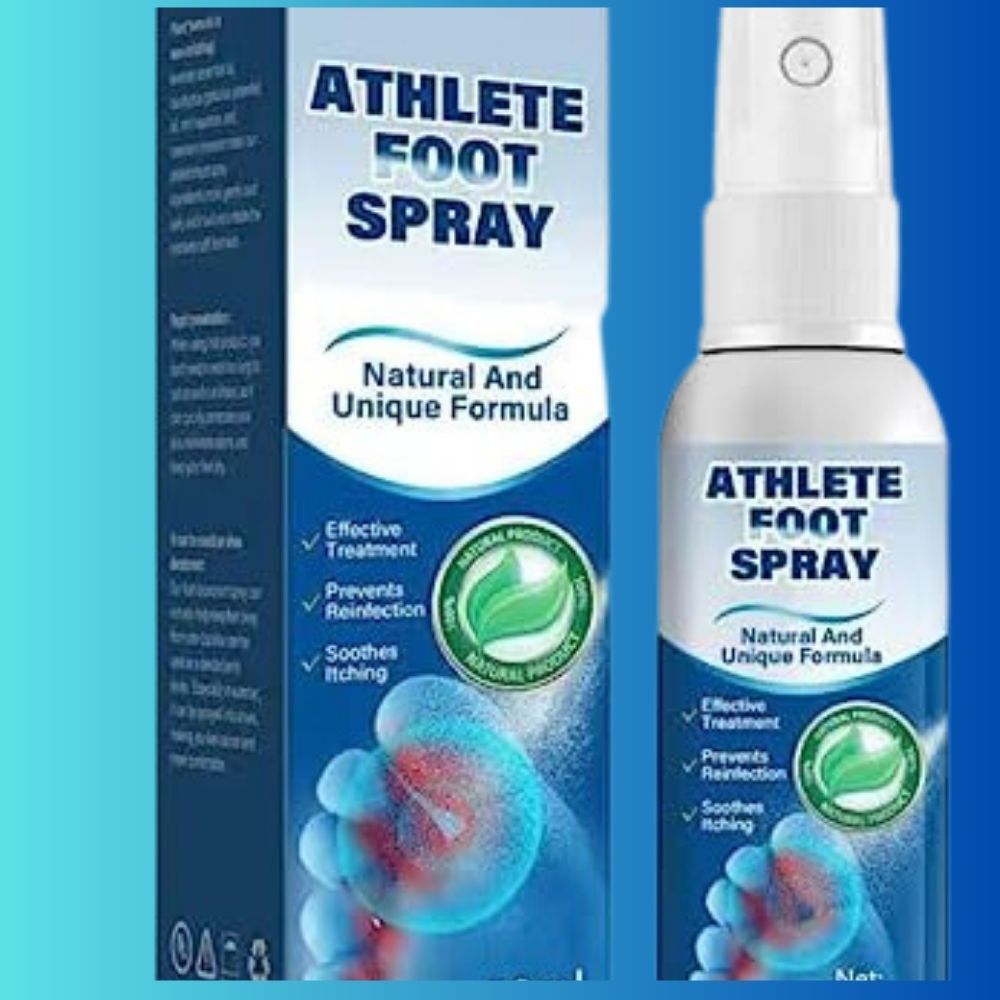
Athlete’s foot spray has emerged as one of the most popular and effective treatment options for this persistent infection due to its ease of application, rapid absorption, and ability to reach difficult areas between toes where creams may not penetrate as effectively. Unlike ointments or powders, antifungal sprays provide several distinct advantages that make them particularly well-suited for treating foot fungus. The spray delivery system allows for no-touch application, which is crucial for preventing the spread of infection to hands and other body parts. The liquid formulation in spray form penetrates skin layers quickly, delivering active antifungal ingredients directly to the site of infection. Additionally, the alcohol or other volatile solvents in most spray formulations evaporate rapidly, creating an inhospitable environment for fungal growth while the medication gets to work.
The mechanism by which athlete’s foot spray works involves targeting the fungal cell membrane and interfering with its ability to maintain structural integrity. Most over-the-counter antifungal sprays contain active ingredients that either kill the fungus (fungicidal action) or prevent it from reproducing and spreading (fungistatic action). These medications work by disrupting ergosterol synthesis, a crucial component of fungal cell membranes. Without adequate ergosterol, the fungal cells become permeable, leak essential contents, and ultimately die. The spray format ensures that the medication can cover the entire affected area evenly, including hard-to-reach spaces between toes where the infection often begins and is most severe. This comprehensive coverage is essential for complete eradication of the infection and prevention of recurrence.
Active Ingredients in Athlete’s Foot Spray Products
Terbinafine Hydrochloride: The Gold Standard
Terbinafine hydrochloride is widely considered the most effective over-the-counter antifungal agent available in athlete’s foot spray formulations. This allylamine antifungal works by inhibiting squalene epoxidase, an enzyme essential for ergosterol biosynthesis in fungal cell membranes. Clinical studies have demonstrated that terbinafine achieves mycological cure rates of 85-95% when used as directed, significantly higher than many other antifungal agents. The medication accumulates in the skin’s stratum corneum and persists for weeks after treatment ends, providing extended antifungal activity even after application ceases.
Terbinafine-based athlete’s foot sprays typically require shorter treatment durations compared to other antifungals, with many formulations recommending just one week of twice-daily application for mild to moderate infections. This shorter treatment course improves patient compliance—a critical factor in successful fungal eradication, as many people abandon treatment prematurely when symptoms improve but before the infection is completely eliminated. Research published in dermatology journals indicates that terbinafine demonstrates superior efficacy against Trichophyton species, the most common causative organisms of athlete’s foot. The medication also exhibits low systemic absorption when applied topically, minimizing the risk of side effects while maintaining high concentrations at the site of infection.
The cost-effectiveness of terbinafine sprays varies, with brand-name products typically priced between $12-$25 for a 4-5 ounce bottle, while generic versions may cost $8-$15 for comparable volumes. Despite being at the higher end of the price spectrum for over-the-counter antifungals, terbinafine’s superior efficacy and shorter treatment duration often make it the most economical choice when considering total treatment cost and time to cure. Patients should note that terbinafine sprays may cause temporary skin irritation, burning, or stinging upon application, though these effects typically subside quickly as the alcohol base evaporates.
Tolnaftate: Time-Tested Effectiveness
Tolnaftate has been a trusted antifungal medication for athlete’s foot treatment since the 1960s, with decades of clinical use demonstrating both safety and efficacy. This synthetic thiocarbamate antifungal works by disrupting fungal cell membrane synthesis through a mechanism similar to allylamines, though with slightly different molecular targets. Tolnaftate athlete’s foot spray products achieve cure rates of approximately 70-85% in clinical trials, making them highly effective for most cases of uncomplicated tinea pedis. The medication works best as a preventive treatment and for treating early-stage infections, though it may require longer treatment courses than terbinafine for established infections.
Advantages of tolnaftate-based sprays include excellent tolerability, with minimal reported side effects even with prolonged use, and broad-spectrum activity against various dermatophyte species. The medication rarely causes skin irritation, making it suitable for individuals with sensitive skin who may not tolerate stronger antifungals. Tolnaftate sprays are also generally more affordable than terbinafine products, with prices typically ranging from $6-$12 for standard-sized bottles. Many athletes and individuals prone to recurrent fungal infections use tolnaftate sprays prophylactically, applying the medication once daily to feet after showering or before putting on socks, particularly during high-risk periods such as summer months or when using communal facilities.
The recommended treatment protocol for tolnaftate athlete’s foot spray typically involves twice-daily application for 2-4 weeks, depending on infection severity. Unlike some antifungals that require treatment for a specific duration regardless of symptom resolution, tolnaftate treatment should continue for at least one week after symptoms disappear to ensure complete fungal eradication. This extended treatment helps prevent the rapid recurrence that often occurs when medication is discontinued prematurely. Tolnaftate is available in various concentrations, typically 1%, though the spray format ensures adequate delivery regardless of concentration variations between brands.
Clotrimazole and Miconazole: Broad-Spectrum Options
Clotrimazole and miconazole belong to the azole class of antifungal medications and are widely available in athlete’s foot spray formulations. These imidazole antifungals work by inhibiting cytochrome P450-dependent enzymes in the fungal cell membrane synthesis pathway, leading to accumulation of toxic sterol intermediates and membrane disruption. Both medications demonstrate broad-spectrum activity against dermatophytes, yeasts (including Candida species), and some bacteria, making them versatile treatment options when the exact causative organism is uncertain or when mixed infections are suspected.
Suggested read: Toilet Spray: How Pre-Flush Bathroom Deodorizers Work and Why You Need One
| Active Ingredient | Mechanism of Action | Typical Cure Rate | Treatment Duration | Average Cost |
|---|---|---|---|---|
| Terbinafine HCl | Squalene epoxidase inhibitor | 85-95% | 1-2 weeks | $12-$25 |
| Tolnaftate | Cell membrane synthesis disruption | 70-85% | 2-4 weeks | $6-$12 |
| Clotrimazole | Cytochrome P450 inhibitor | 75-85% | 2-4 weeks | $7-$14 |
| Miconazole | Cytochrome P450 inhibitor | 75-85% | 2-4 weeks | $8-$15 |
| Butenafine | Squalene epoxidase inhibitor | 80-90% | 1-2 weeks | $10-$20 |
Clotrimazole athlete’s foot spray products typically require application twice daily for 2-4 weeks, with recommendations to continue treatment for one week beyond symptom resolution. Clinical efficacy studies show cure rates of 75-85%, slightly lower than terbinafine but comparable to tolnaftate. One advantage of clotrimazole is its activity against Candida species, making it suitable for treating infections where yeast may be contributing to symptoms—a situation that sometimes occurs in individuals with compromised immune systems or diabetes. Clotrimazole sprays are generally well-tolerated, though some users report mild burning or itching upon application.
Miconazole, chemically similar to clotrimazole, offers comparable efficacy with cure rates in the 75-85% range. The medication is available in various formulations including sprays, powders, and creams, allowing patients to choose their preferred delivery method or combine formats for enhanced effectiveness. Some dermatologists recommend using miconazole spray in combination with antifungal powder for particularly persistent infections, with the spray providing direct antifungal action and the powder helping maintain a dry environment that discourages fungal growth. Miconazole athlete’s foot spray products are competitively priced and widely available, making them accessible first-line treatment options for most individuals.
Recognizing Athlete’s Foot Symptoms and When to Use Spray Treatment
Common Signs and Progression Patterns
Athlete’s foot manifests in several distinct patterns, each with characteristic symptoms that can help individuals identify the infection early and begin appropriate treatment with athlete’s foot spray. The most common presentation is interdigital or toe-web infection, which accounts for approximately 60% of cases. This form begins with mild itching and slight scaling between the fourth and fifth toes, gradually progressing to involve other toe spaces. As the infection advances, the skin becomes macerated (softened and whitened), cracks may develop, and a foul odor often emerges due to secondary bacterial colonization. Without treatment, the infection can spread to the soles of the feet and even to the toenails, creating more difficult-to-treat conditions.
Moccasin-type athlete’s foot represents another common pattern, characterized by chronic scaling and thickening of the skin on the soles and sides of the feet. This presentation often begins subtly with mild dryness that patients may mistake for simple dry skin, gradually progressing to pronounced scaling, fissuring, and sometimes development of painful cracks in the heels. The infection typically covers the bottom of the foot in a distribution resembling a moccasin shoe pattern—hence the name. This chronic form can persist for years if left untreated and is particularly resistant to treatment because the thickened skin makes it difficult for topical medications to penetrate to deeper layers where fungi reside.
Vesicular athlete’s foot, the least common but most dramatic presentation, involves sudden eruption of fluid-filled blisters on the soles, instep, or between toes. These vesicles can be quite painful and may burst, leaving raw, tender areas that are susceptible to secondary bacterial infection. This inflammatory form often occurs during warm weather and may be triggered by excessive sweating or occlusive footwear. While athlete’s foot spray can be used for vesicular infections, individuals with this presentation should consult healthcare providers, as prescription-strength medications or oral antifungals may be necessary for complete resolution, particularly if the infection is extensive or accompanied by significant inflammation.
Self-Assessment: When Spray Treatment is Appropriate
Over-the-counter athlete’s foot spray products are suitable for treating mild to moderate infections that present with typical symptoms including itching, scaling, redness, and odor between toes or on the soles of feet. Self-treatment is generally appropriate when symptoms have been present for less than two weeks, the affected area is limited, there’s no evidence of secondary infection (such as increased warmth, swelling, or pus), and the individual has no underlying conditions that impair healing such as diabetes or compromised immunity. Most people can successfully treat straightforward athlete’s foot with consistent application of antifungal spray following product directions.
Red flags that indicate professional medical evaluation is needed rather than self-treatment include: infection that doesn’t improve after two weeks of consistent over-the-counter treatment, spreading of infection despite treatment, development of cellulitis symptoms (expanding redness, warmth, swelling, fever), nail involvement suggesting onychomycosis, or presence of diabetes or peripheral vascular disease. Individuals with weakened immune systems due to HIV, cancer treatment, or immunosuppressive medications should consult healthcare providers before beginning any antifungal treatment, as fungal infections in these populations can become severe and systemic if not properly managed. Healthcare providers may prescribe stronger topical medications or oral antifungals for resistant or extensive infections.
Diagnostic confirmation through fungal culture or microscopic examination (KOH preparation) may be warranted for atypical presentations, treatment-resistant cases, or when other skin conditions might mimic athlete’s foot. Conditions such as dyshidrotic eczema, contact dermatitis, psoriasis, and bacterial infections can produce similar symptoms including itching, scaling, and redness on feet. Treating these non-fungal conditions with athlete’s foot spray will not only be ineffective but may delay appropriate treatment and worsen the underlying condition. When in doubt about the diagnosis, consulting a dermatologist or podiatrist ensures accurate identification and appropriate treatment selection.
How to Apply Athlete’s Foot Spray for Maximum Effectiveness
Preparation and Pre-Treatment Steps
Proper preparation before applying athlete’s foot spray significantly enhances treatment effectiveness by ensuring the medication can penetrate affected skin and reach fungal organisms. Begin by washing feet thoroughly with soap and warm water, paying particular attention to spaces between toes where fungal infections typically begin and are most severe. Use a clean washcloth or soft brush to gently remove scales and debris, but avoid harsh scrubbing that could damage skin and potentially spread infection. After washing, dry feet completely using a clean towel, ensuring that no moisture remains between toes—patting rather than rubbing reduces skin irritation and prevents spreading the infection to unaffected areas.
Trimming toenails before beginning treatment helps prevent fungal reservoirs under nails and reduces the risk of nail infection (onychomycosis) developing as a complication of skin infection. Cut nails straight across rather than rounding corners to prevent ingrown toenails, and avoid cutting too short, which can cause micro-trauma that allows fungal entry. If toenails already show signs of fungal infection—including yellowing, thickening, or separation from the nail bed—consult a healthcare provider, as nail infections typically require more aggressive treatment than skin infections and may necessitate oral antifungal medications in addition to topical therapy.
Exfoliation can enhance athlete’s foot spray penetration in cases of moccasin-type infection where thick, scaly skin prevents medication from reaching deeper layers. Use a pumice stone or foot file on dry skin to gently remove excess dead skin from soles and heels once or twice weekly during treatment. Perform exfoliation before washing feet, then follow with thorough cleansing and drying before spray application. Avoid aggressive exfoliation that causes skin breakdown, and never use exfoliating tools on raw, cracked, or inflamed skin. Some dermatologists recommend applying urea-based creams to thickened areas to soften skin and enhance antifungal penetration, though this should be discussed with a healthcare provider to ensure compatibility with your chosen athlete’s foot spray product.
Suggested read: The Ultimate Spray Tan Scrub: How to Prep, Maintain, and Remove Your Golden Glow
Application Technique and Coverage
Correct application technique ensures that athlete’s foot spray reaches all affected areas in therapeutic concentrations. Hold the spray bottle 4-6 inches from the foot and spray a continuous, even coating over the entire affected area, including all spaces between toes and extending the application zone approximately one inch beyond visible infection to catch fungi that may have spread beyond symptomatic areas. Apply the spray liberally—inadequate application is one of the primary reasons for treatment failure. Most products recommend applying enough spray to thoroughly wet the affected area, allowing the medication to spread naturally rather than rubbing it in.
Pay special attention to the interdigital spaces (between toes) where infections most commonly begin and persist. To ensure adequate coverage in these hard-to-reach areas, some experts recommend separating toes with gauze or cotton while spraying, then removing the spacer material after the spray has dried. The spray nozzle should be directed to allow mist to penetrate between toes rather than just coating the tops or bottoms of feet. For individuals with limited mobility who struggle to reach their feet, spray applicators with extended nozzles are available, or assistance from a caregiver may be necessary to ensure proper application.
Drying time is crucial for athlete’s foot spray effectiveness. Most formulations use alcohol or other volatile solvents that evaporate within 30-60 seconds, leaving the active antifungal ingredient on the skin. Allow the spray to dry completely before putting on socks or shoes—applying footwear too soon can wipe away medication, reduce effectiveness, and create the warm, moist environment that fungi thrive in. Some dermatologists recommend applying spray treatment at bedtime when feet will remain uncovered for several hours, allowing maximum contact time between medication and skin. Morning applications should be timed to allow at least 5 minutes of drying before dressing.
Treatment Duration and Frequency
Consistency is paramount when treating athlete’s foot with spray medications. Most athlete’s foot sprays require application twice daily (morning and evening) for 1-4 weeks depending on the active ingredient and infection severity. Terbinafine products typically require the shortest treatment courses (1-2 weeks), while tolnaftate, clotrimazole, and miconazole products generally recommend 2-4 weeks of treatment. Regardless of the specific product, adhering to the recommended frequency and duration is essential—intermittent or incomplete treatment allows surviving fungi to proliferate again, leading to rapid symptom recurrence.
Continue treatment for the full recommended duration even if symptoms resolve before treatment is complete. This critical principle prevents treatment failure and recurrence. Fungi may persist in the skin even after visible symptoms disappear, and premature discontinuation of medication allows these organisms to repopulate and cause relapse. Most guidelines recommend continuing treatment for at least one week beyond symptom resolution to ensure complete fungal eradication. For example, if a 2-week treatment course is recommended but symptoms resolve after 10 days, continue treatment for the full 14 days plus an additional 7 days for a total of 21 days.
Treatment failure occurs when symptoms persist or worsen despite consistent use of athlete’s foot spray for the recommended duration. If no improvement is observed after one week of proper treatment, or if symptoms worsen at any point, reassessment is necessary. Treatment resistance can occur due to incorrect diagnosis (treating a non-fungal condition with antifungal medication), inadequate medication penetration (particularly in moccasin-type infections with thick skin), reinfection from contaminated shoes or socks, or presence of a resistant fungal strain requiring prescription-strength medication. At this point, consult a healthcare provider who may perform diagnostic testing, prescribe stronger topical medications, or recommend oral antifungal therapy.
Comparing Top Athlete’s Foot Spray Brands and Products
Lamisil AT Antifungal Spray (Terbinafine)
Lamisil AT spray represents the premium tier of over-the-counter athlete’s foot spray products, containing 1% terbinafine hydrochloride as the active ingredient. This market-leading product consistently receives high ratings from both healthcare professionals and consumers for its superior efficacy in treating tinea pedis. Clinical studies demonstrate that Lamisil AT achieves fungal eradication in approximately 90% of users when applied as directed—one of the highest success rates among non-prescription antifungals. The spray formulation provides coverage without requiring hand contact with infected areas, reducing transmission risk.
Application protocol for Lamisil AT involves spraying the affected area once or twice daily for one week, making it one of the shortest treatment courses available over-the-counter. The medication’s long half-life in skin tissue means it continues working for days after application ceases, providing extended antifungal activity. Users report rapid symptom relief, with many experiencing reduced itching and discomfort within 24-48 hours of beginning treatment, though complete cure requires finishing the full week course. The product is available in various sizes including 4.2-ounce bottles suitable for treating both feet through a complete treatment course.
Cost considerations place Lamisil AT at the higher end of the price spectrum, typically retailing for $15-$25 depending on bottle size and retailer. Generic terbinafine sprays offer identical active ingredients at lower prices ($10-$18), providing cost-effective alternatives for budget-conscious consumers. Despite the higher initial cost, Lamisil AT’s superior efficacy and shorter treatment duration often make it economical when considering total treatment expenses, lost productivity from persistent infection, and the reduced likelihood of requiring prescription medications for treatment failures. The product also comes with a money-back guarantee from the manufacturer if users are not satisfied with results.
Tinactin Antifungal Spray (Tolnaftate)
Tinactin spray has served as a trusted athlete’s foot treatment for decades, featuring 1% tolnaftate as its active antifungal ingredient. This well-established brand offers proven effectiveness at an accessible price point, making it a popular first-line treatment choice. Tinactin achieves cure rates of approximately 75-80% in clinical use, with particularly strong performance in early-stage infections and as a preventive treatment for individuals at high risk of fungal infection. The medication’s excellent safety profile makes it suitable for extended use without significant side effect concerns.
Treatment recommendations for Tinactin spray include twice-daily application for 2-4 weeks depending on infection severity and location. The product is formulated to dry quickly upon application, leaving no greasy residue that might stain socks or interfere with daily activities. Many users appreciate Tinactin’s gentle formula, which rarely causes the burning or stinging sensations that some individuals experience with stronger antifungals. The spray format ensures even coverage and prevents cross-contamination that can occur when using cream formulations. Tinactin is also available in powder spray format, which some users prefer for its additional moisture-absorbing properties.
Suggested read: Flea and Tick Spray: Your Essential Pet Protection Solution
Pricing for Tinactin spray typically ranges from $6-$12 for standard bottles, making it one of the most affordable athlete’s foot spray options available. The product is widely available in pharmacies, supermarkets, and online retailers, ensuring easy access for consumers. While Tinactin may require longer treatment courses than terbinafine products, its lower cost and proven track record make it an excellent value for treating straightforward athlete’s foot infections. The brand also offers combination products featuring tolnaftate plus additional ingredients for enhanced odor control or moisture management, allowing users to address multiple foot concerns simultaneously.
Lotrimin AF Antifungal Spray (Miconazole or Clotrimazole)
Lotrimin AF produces several athlete’s foot spray variations featuring different active ingredients, including miconazole nitrate and clotrimazole, both from the azole class of antifungals. These broad-spectrum medications effectively treat dermatophyte infections while also addressing yeast infections that occasionally complicate athlete’s foot or occur in similar distributions on feet. Lotrimin products achieve cure rates of 75-85%, placing them in the middle range of effectiveness among over-the-counter options but offering versatility when the exact causative organism is uncertain.
The spray formulation provides no-touch application and quick drying time, important features for maintaining hygiene during treatment. Lotrimin AF requires twice-daily application for 2-4 weeks, with recommendations to continue treatment for one week beyond symptom resolution. The medication is generally well-tolerated, though some users report mild skin irritation or burning upon initial application—sensations that typically diminish with continued use. The product line includes powder sprays that combine antifungal medication with moisture-absorbing ingredients, particularly useful for individuals whose athlete’s foot is exacerbated by excessive foot sweating.
Market positioning places Lotrimin AF in the mid-price range at $7-$14 for standard spray bottles, offering balanced value between premium terbinafine products and budget tolnaftate options. The brand’s strong recognition and extensive availability make it a convenient choice for consumers seeking trusted athlete’s foot treatment. Generic versions containing identical active ingredients (clotrimazole or miconazole) are available at lower prices, typically $5-$10, providing economical alternatives without sacrificing efficacy. Store-brand athlete’s foot sprays often match Lotrimin AF’s formulation at significant savings.
Preventing Athlete’s Foot Recurrence After Spray Treatment
Footwear and Sock Management
Contaminated footwear represents one of the primary sources of athlete’s foot recurrence after successful treatment. Fungi can survive for months in shoes, particularly in dark, warm environments created by closed-toe footwear. During active infection and throughout treatment with athlete’s foot spray, shoes should be disinfected regularly to prevent reinfection. Several methods effectively decontaminate footwear: ultraviolet light shoe sanitizers kill fungi through UV-C radiation, antifungal shoe sprays containing ingredients like miconazole or tea tree oil provide ongoing protection, and antifungal powders dusted inside shoes absorb moisture while killing fungal spores.
Alternating footwear daily allows shoes to dry completely between wearings, creating an inhospitable environment for fungal growth. Fungi require moisture to survive and proliferate, so shoes that dry thoroughly become significantly less infectious. Maintain at least two pairs of everyday shoes and rotate them, storing worn shoes in well-ventilated areas rather than in closets or shoe racks where air circulation is limited. For athletic shoes that become saturated with sweat during exercise, allow 48 hours of drying time between uses. Consider using shoe dryers or placing shoes in sunny, well-ventilated areas to accelerate drying. During active infection, some dermatologists recommend replacing heavily contaminated shoes or having them professionally cleaned and sanitized.
Sock selection plays a crucial role in preventing athlete’s foot recurrence. Choose socks made from moisture-wicking synthetic materials like polyester, acrylic, or specialized athletic fabrics that pull moisture away from skin rather than cotton socks that retain moisture against feet. Merino wool also performs well by wicking moisture while providing natural antimicrobial properties. Change socks at least daily, and more frequently if feet become sweaty during the day. Never wear the same socks two days in a row without washing. Wash socks in hot water (at least 140°F) with detergent to kill fungal spores, and consider adding antifungal laundry additives or bleach to the wash cycle for extra protection during and immediately after treatment.
Personal Hygiene and Environmental Practices
Daily foot hygiene is essential for preventing athlete’s foot recurrence. Wash feet daily with soap and water, ensuring thorough cleaning between all toes where fungi prefer to colonize. Dry feet completely after bathing, paying special attention to interdigital spaces. Some experts recommend using a hairdryer on a cool setting to ensure complete drying between toes, particularly for individuals prone to recurrent infections. Apply antifungal powder to feet after drying to maintain a hostile environment for fungal growth. This preventive approach is particularly important during high-risk periods such as summer months or when using communal facilities.
Communal areas like gym showers, locker rooms, pool decks, and public bathing facilities present high infection risks due to contamination from other infected individuals. Always wear protective footwear such as flip-flops or shower shoes in these environments, and never walk barefoot in areas where others have walked unshod. After leaving communal facilities, wash feet as soon as practical and consider applying athlete’s foot spray prophylactically if you use these facilities regularly. Some athletes and gym enthusiasts apply tolnaftate or terbinafine spray once or twice weekly as preventive treatment, particularly during seasons when they use communal facilities frequently.
Household transmission can occur when infected individuals share bathrooms, towels, or flooring with others. During active infection and treatment, designate separate towels specifically for feet and launder them after each use in hot water. Avoid walking barefoot in shared living spaces, particularly bathrooms, to prevent contaminating floors that others may contact. Consider disinfecting bathroom floors and bathtubs regularly with bleach solutions or antifungal cleaners. Family members should avoid sharing shoes or socks with infected individuals. After successful treatment, maintain vigilance about foot hygiene to protect both yourself and household members from infection or reinfection.
Risk Factor Modification
Excessive foot moisture creates ideal conditions for fungal proliferation and represents a modifiable risk factor for athlete’s foot development and recurrence. Individuals who experience hyperhidrosis (excessive sweating) of the feet should take additional preventive measures including applying antiperspirant to feet (particularly the soles), using moisture-absorbing foot powders containing ingredients like cornstarch or talc, choosing breathable footwear made from materials like leather or canvas rather than synthetic materials that trap moisture, and changing socks multiple times daily if they become damp. In severe cases, healthcare providers may prescribe stronger antiperspirant solutions or recommend treatments like iontophoresis or botulinum toxin injections to reduce foot sweating.
Suggested read: How Long Does Spray Tan Last? Your Expert Guide to Tan Duration
Diabetes and immunocompromised states increase athlete’s foot risk and can make infections more severe, treatment-resistant, and prone to complications. Individuals with these conditions should implement intensive preventive strategies including daily foot inspection for early signs of infection, meticulous foot hygiene, regular use of antifungal powders or preventive athlete’s foot spray application, and immediate treatment of any suspicious symptoms. Diabetics should work closely with podiatrists or foot care specialists who can provide professional foot examinations, treat infections aggressively, and help prevent progression to more serious conditions like cellulitis or diabetic foot ulcers.
Occupational and recreational exposures can be modified to reduce infection risk. Athletes should ensure athletic facilities they use maintain high hygiene standards, bring personal shower shoes, and report persistent moisture or hygiene issues to facility management. Workers who wear occlusive footwear for extended periods (such as construction boots, military boots, or work shoes) should change into breathable footwear during breaks when possible, use foot powders, and consider alternating between two pairs of work boots to allow complete drying. Swimmers should dry feet thoroughly after pool or beach activities and consider applying athlete’s foot spray prophylactically during swim season.
Alternative and Complementary Approaches to Athlete’s Foot Spray
Tea Tree Oil and Natural Antifungals
Tea tree oil has gained attention as a natural alternative to conventional athlete’s foot spray products, with some clinical evidence supporting its antifungal properties. This essential oil, derived from the leaves of Melaleuca alternifolia, contains terpinen-4-ol and other compounds that demonstrate activity against dermatophyte fungi, yeasts, and some bacteria. A randomized controlled trial published in the Australasian Journal of Dermatology found that 10% tea tree oil cream performed comparably to 1% tolnaftate cream for treating athlete’s foot, with cure rates around 64% for symptom resolution, though complete fungal eradication rates were lower at approximately 30% versus 55% for tolnaftate.
Tea tree oil athlete’s foot spray products are available from various manufacturers, typically containing 5-25% tea tree oil in an alcohol or water base. These natural formulations appeal to consumers seeking alternatives to synthetic antifungals, though it’s important to note that tea tree oil can cause allergic reactions or skin irritation in some individuals, particularly when used in high concentrations. The oil should never be ingested as it is toxic if swallowed, and products should be stored safely away from children. While tea tree oil shows promise as an adjunct or alternative treatment, individuals with moderate to severe athlete’s foot may achieve better results with conventional antifungal sprays containing proven ingredients like terbinafine or tolnaftate.
Other natural antifungal agents sometimes included in alternative athlete’s foot treatments include garlic extract (containing allicin with antifungal properties), neem oil (traditional Ayurvedic antifungal), oregano oil (carvacrol content provides antimicrobial activity), and grapefruit seed extract. While these substances demonstrate antifungal activity in laboratory studies, clinical evidence supporting their effectiveness for treating athlete’s foot is limited compared to conventional medications. Consumers interested in natural approaches should consider combination strategies using both natural products and proven antifungal sprays for enhanced effectiveness, or reserve natural remedies for mild infections and prevention rather than treating established moderate to severe fungal infections.
Combination Therapy Approaches
Multi-modal treatment combining athlete’s foot spray with other antifungal formulations or supportive therapies can enhance effectiveness for stubborn infections or reduce treatment duration. Many dermatologists recommend using antifungal spray in combination with antifungal powder, particularly for individuals with excessive foot sweating. The spray provides direct antifungal action while the powder absorbs moisture and creates an inhospitable environment for fungal growth. This combination approach addresses both the infection itself and environmental factors that promote fungal proliferation, potentially improving cure rates and reducing recurrence.
Keratolytic agents such as salicylic acid or urea can be used adjunctively to enhance athlete’s foot spray penetration in moccasin-type infections characterized by thick, scaly skin. These agents work by breaking down excess keratin, softening thickened skin, and improving medication access to deeper skin layers where fungi reside. Some over-the-counter products combine antifungal ingredients with keratolytics in a single formulation, while others recommend applying a keratolytic cream or ointment at night and using antifungal spray in the morning. This strategic layering of treatments can improve outcomes in difficult-to-treat cases.
Prescription-strength treatments may be warranted for infections that fail to respond to over-the-counter athlete’s foot spray after 2-4 weeks of consistent use. Healthcare providers can prescribe higher-concentration topical antifungals (such as 2% ketoconazole cream or prescription-strength terbinafine formulations), oral antifungal medications (like oral terbinafine or itraconazole for severe or widespread infections), or combination therapy using both topical and oral medications. Oral antifungals are particularly important when nail infection (onychomycosis) has developed alongside skin infection, as topical treatments rarely penetrate nails sufficiently to eradicate fungal organisms embedded in the nail matrix.
Understanding the Costs and Value of Athlete’s Foot Spray Treatment
Direct Treatment Costs
Over-the-counter athlete’s foot spray products represent a cost-effective treatment approach for fungal foot infections, with prices typically ranging from $6-$25 per bottle depending on active ingredient, brand recognition, and bottle size. Generic formulations containing the same active ingredients as brand-name products cost 30-50% less while providing equivalent efficacy. A standard treatment course for both feet requires approximately 4-8 ounces of spray, meaning a single bottle often suffices for complete treatment. This places the total direct medication cost for treating athlete’s foot with spray products at $6-$25 for most individuals, significantly less than prescription alternatives or professional medical consultations.
Comparison to prescription treatments highlights the value proposition of over-the-counter sprays. A dermatologist consultation without insurance typically costs $150-$300 for the initial visit, with prescription antifungal medications adding another $30-$150 depending on the specific medication and pharmacy pricing. Oral antifungals require laboratory monitoring for liver function in some cases, adding another $50-$200 in testing costs. While prescription treatments may be necessary for severe or resistant infections, most straightforward cases of athlete’s foot can be successfully treated with over-the-counter athlete’s foot spray, potentially saving $200-$600 in healthcare costs compared to the prescription route.
Insurance coverage for athlete’s foot treatment varies significantly. Most insurance plans do not cover over-the-counter medications, meaning patients pay full retail price for athlete’s foot spray products. However, some health savings accounts (HSAs) and flexible spending accounts (FSAs) allow reimbursement for over-the-counter medications with proper documentation. Prescription antifungals may be covered by insurance with copays typically ranging from $10-$40, though this requires a doctor’s visit with associated costs and copays. The out-of-pocket cost comparison usually favors trying over-the-counter spray treatment first, advancing to prescription options only if self-treatment proves ineffective.
Suggested read: Spray Tan Sun Protection: What You Need to Know About UV Safety and Fake Tans
Indirect Costs and Quality of Life Impacts
Untreated or inadequately treated athlete’s foot carries indirect costs beyond direct medication expenses. Chronic fungal infections can progress to involve toenails (onychomycosis), a more difficult-to-treat condition requiring months of oral antifungal therapy costing hundreds to thousands of dollars. Bacterial superinfection can develop in cracked, macerated skin affected by athlete’s foot, potentially leading to cellulitis requiring antibiotics, medical evaluation, and in severe cases, hospitalization. Early, effective treatment with athlete’s foot spray prevents these complications and their associated costs.
Productivity impacts from untreated athlete’s foot include discomfort that interferes with work or recreational activities, particularly for individuals whose occupations require extended standing or walking. The persistent itching, burning, and pain associated with athlete’s foot can disrupt sleep, reduce exercise participation, and limit enjoyment of activities like swimming or sports that require barefoot exposure or communal facility use. Treating the infection promptly with athlete’s foot spray resolves symptoms within days to weeks, restoring normal function and quality of life. The value of symptom relief and return to normal activities is difficult to quantify but represents real benefit that extends beyond simple cure rates.
Recurrence costs accumulate when athlete’s foot is inadequately treated or when individuals fail to implement preventive measures after treatment. Each recurrent infection requires another treatment course with associated medication costs, time spent managing symptoms, and potential for complications. Investing in quality athlete’s foot spray products, completing full treatment courses, and implementing preventive strategies (including prophylactic spray use for high-risk individuals) can break the cycle of recurrent infections and reduce long-term costs. The few extra dollars spent on premium antifungal sprays or preventive applications often save money over time by preventing the multiple treatment courses required when using less effective products or when treatment is incomplete.
Special Populations and Athlete’s Foot Spray Use
Pediatric Considerations
Athlete’s foot in children is less common than in adults, but it does occur, particularly in adolescents who participate in sports or use communal facilities. Most athlete’s foot spray products are safe for children over age 2-12 (specific age varies by product), though parents should carefully read product labels for age-specific guidance. Terbinafine and tolnaftate sprays generally have no age restrictions for topical use, while some products containing azole antifungals recommend consultation with a healthcare provider for children under 12 years. Parents should supervise application to ensure proper technique, adequate coverage, and compliance with treatment duration recommendations.
Diagnosis certainty is particularly important before treating children with athlete’s foot spray, as other pediatric skin conditions can mimic fungal infections. Juvenile plantar dermatosis (a form of eczema affecting the soles), contact dermatitis from shoes or socks, and viral infections can produce similar symptoms of scaling, redness, and itching on feet. If symptoms don’t improve within one week of antifungal spray use, or if the diagnosis is uncertain, parents should seek professional evaluation. Pediatricians or pediatric dermatologists can perform diagnostic tests to confirm fungal infection and prescribe appropriate treatment if over-the-counter options prove ineffective.
Prevention education for children and adolescents should emphasize proper foot hygiene, wearing protective footwear in communal areas, not sharing shoes or socks with others, and reporting symptoms to parents early before infections become established. Athletes in particular need instruction on daily foot care, importance of allowing athletic shoes to dry completely between uses, and the value of preventive athlete’s foot spray application during sports seasons when exposure risk is high. Establishing good foot hygiene habits during childhood can prevent recurrent problems into adulthood.
Pregnancy and Breastfeeding Safety
Pregnant women who develop athlete’s foot face unique considerations when selecting treatment options. While topical antifungal medications are generally considered safe during pregnancy due to minimal systemic absorption, pregnant women should consult healthcare providers before using any medication, including over-the-counter athlete’s foot spray. Terbinafine and tolnaftate are classified as pregnancy category B medications, meaning animal studies have not demonstrated fetal risk, though controlled studies in pregnant women are lacking. Azole antifungals (clotrimazole, miconazole) are generally considered safe for topical use during pregnancy, with category B or C classifications depending on the specific agent.
Systemic absorption from topical athlete’s foot spray is minimal, reducing theoretical fetal exposure concerns. However, pregnant women should use the minimum effective treatment duration and avoid excessive or unnecessary medication use. Healthcare providers may recommend trying conservative measures first, including keeping feet clean and dry, wearing breathable footwear, and using moisture-absorbing powders without medication. If these measures prove insufficient and symptoms significantly impact quality of life, topical antifungal spray treatment is generally considered acceptable, particularly during the second and third trimesters when organ development is complete.
Breastfeeding mothers can generally use topical athlete’s foot spray safely, as systemic absorption is minimal and transfer to breast milk is negligible. However, breastfeeding women should apply spray to feet only, avoiding contact with breast or nipple areas where infants might be exposed during feeding. Hand hygiene after applying spray is important to prevent transferring medication to breast tissue or infant skin during care activities. If concerns arise about medication safety during breastfeeding, healthcare providers can recommend specific antifungal agents with the best safety profiles or suggest timing applications to occur immediately after breastfeeding sessions to minimize theoretical infant exposure.
Elderly and Immunocompromised Patients
Older adults experience higher rates of athlete’s foot due to factors including reduced mobility limiting foot care, decreased circulation affecting healing, thinning of skin making it more susceptible to injury, and increased likelihood of diabetes or other conditions that impair immune function. Athlete’s foot spray offers advantages for elderly patients, including ease of application without needing to bend down or touch feet—important for individuals with limited flexibility or who use assistive devices for balance. However, older adults should be monitored for treatment response, as infections may be more stubborn and complications more likely in this population.
Immunocompromised individuals, including those with HIV/AIDS, cancer patients receiving chemotherapy, organ transplant recipients on immunosuppressive medications, or individuals taking corticosteroids long-term, require special consideration when treating athlete’s foot. Fungal infections in these populations can be more severe, spread more rapidly, and prove more resistant to treatment. While athlete’s foot spray containing standard antifungals can be tried, healthcare provider involvement is recommended to monitor treatment response and advance to prescription-strength medications or oral antifungals if topical treatment proves inadequate. These patients should never delay treatment, as superficial fungal infections can occasionally progress to deep tissue or systemic infections in severely immunocompromised individuals.
Suggested read: Spray Can Mastery: Types, Techniques, and Professional Applications
Diabetic patients deserve particular attention due to their elevated risk of infection complications. Diabetes impairs immune function, reduces circulation to extremities, and may cause peripheral neuropathy that prevents patients from feeling early infection symptoms. Diabetics who develop athlete’s foot should inform their healthcare providers and may need more aggressive treatment than over-the-counter athlete’s foot spray alone. Close monitoring for signs of bacterial superinfection (increased redness, warmth, swelling, or discharge) is essential, as these complications can progress rapidly to cellulitis or more serious foot infections requiring hospitalization. Preventive strategies including daily foot inspection, meticulous hygiene, and prophylactic antifungal spray use may be recommended.
Athlete’s Foot Spray vs Other Treatment Formats
Sprays vs Creams and Ointments
Athlete’s foot spray and cream formulations contain the same active antifungal ingredients but differ in delivery method, coverage patterns, and user preferences. Sprays offer several advantages including no-touch application that prevents hand contamination and cross-infection, easy coverage of large areas including soles of feet, better penetration into difficult-to-reach areas between toes, and quick-drying formulations that don’t leave greasy residue on skin or require rubbing. The spray format particularly benefits individuals with limited flexibility who struggle to reach their feet, those concerned about hygiene and infection transmission, and people seeking convenient application that fits easily into daily routines.
Cream formulations provide advantages in certain situations, particularly for very dry or cracked skin where additional moisturization is beneficial. Creams create an occlusive barrier that enhances medication penetration and may provide superior hydration for moccasin-type infections with extensive scaling. However, creams require hand contact with infected areas (unless applied with cotton swabs or similar tools), may leave residue on hands that requires thorough washing, and can stain socks if not completely absorbed before dressing. Some users find creams messy or inconvenient compared to the clean, quick application of athlete’s foot spray. Treatment effectiveness between formats is generally comparable when the same active ingredient is used in appropriate concentrations.
Combination strategies using both formats may enhance outcomes for stubborn infections. Some dermatologists recommend applying athlete’s foot spray in the morning for convenient daytime treatment and using cream formulations at night when feet will remain uncovered for extended periods, allowing prolonged medication contact time. This combination approach provides practical convenience during the day while maximizing medication exposure overnight. The additional moisturization from nighttime cream application may also support healing in cases where excessive dryness or cracking complicates the infection.
Sprays vs Powders and Powder Sprays
Antifungal powders serve different primary functions than liquid athlete’s foot spray products, though both have roles in fungal infection management. Traditional powders are applied to dry feet and inside shoes to absorb moisture, reduce friction, and create an inhospitable environment for fungal growth. While many antifungal powders contain active ingredients like tolnaftate or miconazole, the medication concentration and contact time may be less optimal than liquid sprays, potentially reducing treatment effectiveness for active infections. Powders excel as preventive treatments and adjuncts to primary antifungal therapy but may not provide adequate treatment as monotherapy for established infections.
Powder spray formulations combine advantages of both formats, delivering antifungal medication in a powder base that can be sprayed onto feet and into shoes. These products provide the convenience and coverage of spray application while depositing powder that continues absorbing moisture throughout the day. Athlete’s foot powder spray works well for individuals with excessive foot sweating whose infections are exacerbated by moisture. The powder residue may be visible on dark socks or shoes and can create a dusty sensation that some users find less appealing than liquid sprays. However, for moisture-related fungal problems, powder sprays often outperform liquid formulations by addressing both the infection and its contributing environmental factor.
Strategic format selection depends on infection characteristics and individual needs. For typical interdigital athlete’s foot with moderate symptoms, liquid athlete’s foot spray provides effective treatment with convenient application. For moccasin-type infections with dry, scaly skin, creams may offer better penetration and hydration. For individuals with hyperhidrosis whose infections recur due to excessive moisture, powder sprays address both the fungus and the underlying moisture problem. Many experienced users maintain multiple formats, using liquid spray for acute treatment, cream for nighttime application, and powder spray for daily prevention after cure is achieved.
The Science Behind Athlete’s Foot Spray Formulations
Vehicle and Excipient Considerations
The base formulation of athlete’s foot spray significantly impacts medication delivery, skin penetration, and user acceptance beyond the active antifungal ingredient. Most sprays use alcohol-based vehicles, typically containing 30-70% ethanol or isopropanol, which provide several benefits: rapid evaporation leaving active ingredient on skin, antimicrobial properties that complement antifungal action, solvent properties that enhance medication penetration into skin layers, and astringent effects that help dry moist infected areas. The alcohol content creates the characteristic cooling sensation and mild stinging that users experience upon application—sensations that typically subside within 30-60 seconds as the alcohol evaporates.
Propellant systems in aerosol athlete’s foot sprays use compressed gases to dispense the medication as a fine mist. Modern formulations typically use hydrocarbon propellants (butane, propane) or compressed air rather than the chlorofluorocarbons (CFCs) used in older products that contributed to ozone depletion. The propellant type affects spray pattern, particle size, and coverage efficiency. Pump sprays (non-aerosol) eliminate propellants entirely, using mechanical action to create spray mist. While pump sprays are environmentally preferable, aerosol formulations often produce finer, more uniform mist that may penetrate between toes more effectively.
Additional excipients in athlete’s foot spray formulations may include emollients to reduce irritation from alcohol, preservatives to prevent bacterial contamination, fragrances to mask medication odor, and buffering agents to adjust pH for optimal stability and skin compatibility. Some premium formulations include skin conditioners like aloe vera or vitamin E to minimize drying effects and support healing. Understanding these components helps consumers make informed choices—individuals with sensitive skin may prefer unscented formulations without added fragrances, while those concerned about environmental impact might choose pump sprays over aerosols.
Penetration Enhancers and Delivery Systems
Transdermal penetration of antifungal medication determines treatment effectiveness. The skin’s stratum corneum acts as a barrier preventing entry of many substances, including some antifungal agents. Athlete’s foot spray formulations incorporate various strategies to enhance medication penetration into infected skin layers where fungi reside. Chemical penetration enhancers like dimethyl sulfoxide (DMSO), propylene glycol, or fatty acids temporarily disrupt the stratum corneum’s organized structure, creating channels for medication to penetrate deeper. These enhancers must be carefully formulated to avoid excessive skin irritation while significantly improving drug delivery.
Suggested read: Clear Coat Spray Paint: Professional Techniques, Applications, and Product Selection for Flawless Finishes
Nanoparticle delivery systems represent an emerging technology in topical antifungal formulations, though commercial athlete’s foot spray products using this approach are still limited. Researchers have developed liposomes, solid lipid nanoparticles, and other nanocarriers that encapsulate antifungal medications, protecting them from degradation while enhancing skin penetration and providing sustained release. These advanced delivery systems can improve efficacy while potentially reducing required medication concentrations and treatment frequency. While most current over-the-counter sprays use conventional formulations, consumers may see nanoparticle-based products emerging in the premium segment within coming years.
pH optimization affects both medication stability and skin penetration. Most antifungal medications have optimal activity within specific pH ranges, and formulations are buffered to maintain these ideal conditions. Skin’s natural pH is slightly acidic (4.5-5.5), and maintaining formulation pH within this range improves tolerability while supporting the skin’s natural antimicrobial properties. Some athlete’s foot spray products emphasize their pH-balanced formulations as a key feature, particularly those targeting sensitive skin populations. The acidic environment also inhibits bacterial growth that could complicate fungal infections or cause secondary bacterial infections in damaged skin.
Case Studies: Real-World Athlete’s Foot Spray Treatment Outcomes
Case Study 1: Athletic Teenager with Recurrent Infection
A 16-year-old male high school wrestler presented with recurrent athlete’s foot that had plagued him for two years despite multiple treatment attempts with various over-the-counter creams. His infection pattern was classic interdigital involvement with maceration, itching, and foul odor between the fourth and fifth toes bilaterally. The recurrences correlated with wrestling season when he spent significant time in communal locker rooms and wore occlusive wrestling shoes for extended periods. Previous treatments had provided temporary relief but symptoms returned within 2-3 weeks of discontinuing medication.
Treatment approach involved switching from cream to terbinafine athlete’s foot spray (Lamisil AT) applied twice daily for two weeks rather than the standard one week, given the chronic nature of his infection. Additionally, comprehensive preventive measures were implemented including: daily application of antifungal powder to feet and inside all shoes, replacement of old wrestling shoes that likely harbored fungal spores, strict use of shower shoes in all communal facilities, washing practice socks in hot water with bleach, and UV treatment of shoes between practices. The patient was educated about continuing preventive spray application once weekly during wrestling season even after the infection cleared.
Results were dramatic. Within one week, itching and odor resolved completely. After two weeks of treatment, the maceration cleared and skin appeared normal. The patient continued prophylactic measures throughout the remainder of wrestling season, applying terbinafine spray once weekly to feet and using antifungal powder daily. At six-month follow-up, he remained infection-free—his first extended remission in two years. This case demonstrates the importance of addressing both active infection with effective athlete’s foot spray and implementing comprehensive preventive strategies to break the cycle of recurrent infections in high-risk individuals.
Case Study 2: Elderly Patient with Moccasin-Type Infection
A 72-year-old woman with type 2 diabetes presented with chronic scaling and fissuring of both feet in a moccasin distribution that she had attributed to simple dry skin for several years. The condition had gradually worsened despite regular use of moisturizing creams. Examination revealed extensive hyperkeratosis (thick, scaly skin) on the soles and sides of both feet, with deep, painful fissures in the heels. Fungal culture confirmed Trichophyton rubrum, the most common dermatophyte causing athlete’s foot.
Treatment strategy required a multi-modal approach due to the thick, scaly skin that would prevent adequate penetration of standard athlete’s foot spray formulations. The patient was instructed to soak feet in warm water for 10 minutes nightly, then gently file thickened areas with a pumice stone to reduce hyperkeratosis. After drying thoroughly, she applied urea 40% cream to the soles to further soften thickened skin, followed by terbinafine spray application to all affected areas. This regimen continued for four weeks. Additionally, the patient was educated about diabetic foot care, the importance of daily foot inspection for complications, and the need for well-fitting, breathable footwear.
Outcome assessment at four weeks showed significant improvement with approximately 70% resolution of scaling and complete healing of heel fissures. The patient was transitioned to maintenance therapy with athlete’s foot spray applied three times weekly and continued use of moisturizing foot cream (without urea) to maintain skin hydration without promoting fungal growth. At three-month follow-up, her feet remained clear of infection. This case highlights the importance of accurate diagnosis (not assuming scaling feet represent simple dryness), the need for combination approaches when thick skin prevents spray penetration, and the value of comprehensive foot care education for diabetic patients at high risk for infection complications.
Case Study 3: Office Worker with Treatment-Resistant Infection
A 35-year-old male office worker sought treatment for athlete’s foot that had failed to respond to four weeks of tolnaftate spray used inconsistently. He reported initial improvement in symptoms but noted that itching and scaling returned whenever he missed several days of application. Examination revealed moderate interdigital scaling and erythema, with extension onto the dorsal (top) surface of the foot—a pattern suggesting either more extensive infection or possible contact dermatitis complicating fungal infection.
The treatment plan addressed both medication selection and compliance issues. The patient was switched to clotrimazole athlete’s foot spray, an azole antifungal with broader spectrum activity than tolnaftate, including activity against both dermatophytes and yeasts. More importantly, a structured application schedule was implemented with twice-daily spray application at consistent times (immediately after morning shower and before bed), using smartphone reminders to ensure adherence. The patient was counseled about the critical importance of continuing treatment for the full four-week course even after symptoms resolved, with explanation of how fungi persist in skin after visible symptoms clear.
Treatment outcome was successful, with complete symptom resolution by week three. However, following the education provided, the patient continued treatment for the full four weeks as instructed. He also implemented preventive measures including allowing dress shoes to air out for 24 hours between wearings, using antifungal powder in shoes, and applying preventive athlete’s foot spray once weekly indefinitely. At six-month follow-up, he remained infection-free. This case emphasizes that treatment failure often results from adherence issues rather than medication ineffectiveness, and that patient education about completing full treatment courses and implementing preventive measures is as important as selecting the appropriate antifungal spray.
Suggested read: How Long Do Spray Tans Last? Everything You Need to Know About Spray Tan Duration
Frequently Asked Questions About Athlete’s Foot Spray
What is the most effective athlete’s foot spray?
Terbinafine-based athlete’s foot sprays are generally considered most effective, achieving cure rates of 85-95% in clinical studies, which is significantly higher than other over-the-counter options. Products like Lamisil AT containing 1% terbinafine hydrochloride demonstrate superior efficacy against dermatophyte fungi and require shorter treatment courses (1-2 weeks) compared to other antifungals. However, the “most effective” spray depends on individual factors including infection severity, skin type, and adherence to treatment protocols. For cost-conscious consumers, tolnaftate sprays offer good effectiveness (70-85% cure rates) at lower prices, while azole-based sprays provide broad-spectrum coverage useful when the exact causative organism is uncertain.
How long does it take for athlete’s foot spray to work?
Symptom improvement typically begins within 2-4 days of starting athlete’s foot spray treatment, with noticeable reduction in itching and discomfort being the first changes most patients observe. However, complete cure requires continued treatment for the full recommended duration—1-4 weeks depending on the active ingredient used. Terbinafine products often show faster symptom relief and require shorter treatment courses (1-2 weeks), while tolnaftate, clotrimazole, and miconazole products typically require 2-4 weeks of consistent application. It’s crucial to continue treatment for the full course even after symptoms resolve, as fungi may persist in skin layers and cause rapid recurrence if medication is discontinued prematurely. Complete healing and skin normalization may take an additional 1-2 weeks after treatment ends.
Can I use athlete’s foot spray on other parts of my body?
While athlete’s foot spray contains antifungal medications that can treat fungal infections on other body areas, using these products for off-label purposes requires careful consideration. The same active ingredients in athlete’s foot sprays are available in formulations specifically designed for other body areas—jock itch (tinea cruris) typically uses the same antifungals but may have different inactive ingredients suited for the groin area, ringworm (tinea corporis) on the body can be treated with the same medications, and yeast infections in skin folds may respond to azole-based sprays. However, athlete’s foot spray should never be used on the face, scalp, or genital areas without healthcare provider guidance, as these sensitive areas require specifically formulated products. Always read product labels for approved uses and consult healthcare providers for infections in atypical locations.
Should I continue using athlete’s foot spray after symptoms disappear?
Yes, absolutely. Continuing treatment for the full recommended duration after symptoms resolve is critical for preventing recurrence. Fungal organisms persist in deeper skin layers even after visible symptoms clear, and premature treatment discontinuation allows these surviving fungi to proliferate again, causing rapid symptom return. Most guidelines recommend continuing athlete’s foot spray application for at least one week beyond symptom resolution, meaning if a product recommends two weeks of treatment and symptoms clear after 10 days, continue treatment for 17-18 days total. This extended treatment ensures complete fungal eradication and significantly reduces recurrence risk. The few extra days of medication use are a small investment compared to dealing with recurrent infections that require entirely new treatment courses.
Can athlete’s foot spray cure toenail fungus?
Toenail fungus (onychomycosis) rarely responds adequately to topical athlete’s foot spray alone because the medications cannot penetrate through the nail plate to reach fungal organisms embedded in the nail matrix and bed. While using athlete’s foot spray may prevent spread of infection from skin to nails, existing nail infections typically require more aggressive treatment including prescription-strength topical antifungal solutions specifically formulated to penetrate nails (like ciclopirox or efinaconazole), oral antifungal medications (terbinafine or itraconazole taken for 3-6 months), or combination approaches using both topical and oral medications. Some individuals try applying athlete’s foot spray to nails preventively when treating skin infections, which may help limit infection spread but won’t cure established nail fungus. Anyone with toenail discoloration, thickening, or other signs of nail infection should consult a healthcare provider for appropriate treatment.
Is athlete’s foot spray safe to use every day?
Short-term daily use of athlete’s foot spray during active treatment (typically 1-4 weeks) is safe and recommended according to product directions. However, long-term daily use beyond treatment duration isn’t necessary for most people and may potentially cause skin irritation, dryness, or disruption of normal skin flora. After completing treatment, preventive strategies should focus on good foot hygiene, moisture control, and environmental modifications rather than daily spray application. For high-risk individuals (athletes using communal facilities frequently, people with recurrent infections, or those with conditions predisposing to fungal infections), prophylactic use of athlete’s foot spray once or twice weekly may be recommended, particularly during high-risk periods. This preventive approach provides ongoing antifungal protection without the potential downsides of excessive daily use when no active infection exists.
What should I do if athlete’s foot spray causes burning or irritation?
Mild burning or stinging upon initial application is normal and expected with many athlete’s foot spray products, particularly those with high alcohol content. This sensation typically subsides within 30-60 seconds as the alcohol evaporates and usually decreases with continued use as skin becomes less inflamed. However, severe burning, persistent pain, or worsening irritation indicates a problem requiring action. First, discontinue the spray and wash the affected area with cool water. If symptoms persist, apply a gentle, fragrance-free moisturizer after ensuring all spray residue is removed. If irritation continues or worsens, consult a healthcare provider—you may be experiencing an allergic reaction to the active ingredient or an excipient in the formulation. Alternative treatments include switching to a different active ingredient (if you reacted to terbinafine, try tolnaftate), using cream formulations that may be less irritating than alcohol-based sprays, or obtaining prescription-strength medications better tolerated by sensitive skin.
Can I share athlete’s foot spray with family members?
Sharing athlete’s foot spray between household members is generally acceptable from a hygiene perspective, as the spray format prevents direct contact between the applicator and infected skin, unlike creams that might transfer organisms if multiple people insert fingers into the same container. However, individual family members should ideally have their own treatment products for several reasons: proper treatment requires consistently using the product for the full recommended duration without running out mid-treatment, different individuals may need different active ingredients based on their specific infection characteristics, and maintaining separate products ensures that treatment compliance for each person can be tracked independently. If cost considerations necessitate sharing, the spray format is the safest formulation to share, though proper foot hygiene and prevention measures are essential to prevent household transmission of infection in the first place.
Resources and Further Reading:
- American Academy of Dermatology – Athlete’s Foot Treatment Guidelines – Professional dermatology guidance on fungal foot infections
- Centers for Disease Control and Prevention – Fungal Diseases – Federal public health information on dermatophyte infections
- Mayo Clinic – Athlete’s Foot Diagnosis and Treatment – Comprehensive medical resource
- American Podiatric Medical Association – Foot Health – Podiatric perspectives on foot fungal infections
For those interested in home wellness beyond foot care, you might also explore kitchen design elements like selecting the perfect black kitchen sink for your renovation, or checking out local dining options such as the five oaks farm kitchen menu for culinary inspiration.
Take Action: Start Your Athlete’s Foot Treatment Today
Ready to eliminate the itching, burning, and discomfort of athlete’s foot? Don’t let this common fungal infection interfere with your daily activities, athletic performance, or quality of life any longer. The right athlete’s foot spray can provide fast, effective relief when used correctly and consistently.
Suggested read: Spider Spray: Everything You Need to Know About Choosing and Using the Right Spider Repellent
Your next steps:
✅ Choose an appropriate athlete’s foot spray based on your needs—terbinafine for maximum effectiveness, tolnaftate for budget-friendly treatment, or azole antifungals for broad-spectrum coverage
✅ Commit to the full treatment course—1-4 weeks depending on the product, continuing for at least one week after symptoms disappear
✅ Implement prevention strategies to avoid recurrence—proper foot hygiene, moisture control, protective footwear in communal areas, and shoe management
✅ Address contributing factors like excessive sweating, occlusive footwear, or frequent exposure to contaminated environments
✅ Monitor treatment progress and seek professional help if symptoms don’t improve within 1-2 weeks or if complications develop
✅ Consider preventive spray application if you’re at high risk for recurrent infections due to athletics, occupation, or other factors
Don’t waste time and money on ineffective treatments or incomplete therapy that leads to rapid recurrence. Invest in a quality athlete’s foot spray with proven antifungal ingredients, follow the treatment protocol consistently, and implement comprehensive preventive measures to achieve lasting results.
Shop for athlete’s foot spray at your local pharmacy or trusted online retailers today. Look for products containing terbinafine, tolnaftate, clotrimazole, or miconazole as active ingredients. Read product reviews from verified users who have successfully treated their infections. Compare prices to find the best value for your budget. And most importantly—start treatment now before the infection spreads or worsens.
Your feet deserve to be healthy, comfortable, and fungus-free. Take control of your foot health with effective athlete’s foot spray treatment today.