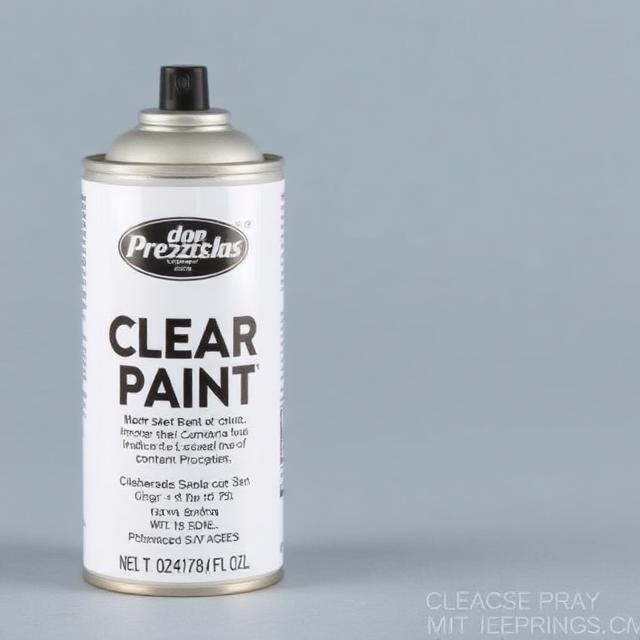
What is Clear Coat Spray Paint and Why It Matters
Clear coat spray paint is a transparent protective coating applied over painted surfaces to provide durability, shine, and long-lasting protection against environmental damage. Unlike colored paints that add pigment to surfaces, clear coats create an invisible barrier that seals and protects underlying layers while enhancing visual appeal. This finishing product has become essential in automotive refinishing, furniture restoration, craft projects, and industrial applications where surface protection and aesthetic quality are paramount.
The primary function of clear coat spray paint extends far beyond simple aesthetics. When properly applied, clear coats protect against UV radiation that causes fading and discoloration, shield surfaces from moisture penetration that leads to rust and corrosion, and create a hard protective layer resistant to scratches, chips, and chemical damage. Professional painters and DIY enthusiasts alike recognize that the quality of a clear coat application often determines whether a project looks amateur or professional-grade.
Modern spray paint clear coat formulations have evolved significantly from early lacquer-based products. Today’s clear coats incorporate advanced polymers, UV inhibitors, and self-leveling agents that produce glass-like finishes rivaling factory applications. Understanding the chemistry, application techniques, and product selection criteria for clear coats separates successful projects from disappointing failures that require expensive rework.
The Science Behind Clear Coat Technology
Chemical Composition and Formulation Types
Clear coat spray paint products utilize several distinct chemical formulations, each offering unique advantages and application characteristics. The most common base chemistries include acrylic, polyurethane, lacquer, and epoxy systems. Acrylic-based clear coats provide excellent UV resistance and clarity but may lack the extreme durability of polyurethane formulations. Polyurethane clear coats offer superior chemical resistance and hardness, making them ideal for surfaces subjected to heavy use or harsh environments.
Lacquer-based clear coat spray paint dries extremely quickly through solvent evaporation, allowing multiple coats in a single session without extensive waiting periods. However, lacquers tend to be less durable than modern two-component systems and may yellow over time when exposed to sunlight. Epoxy clear coats provide exceptional adhesion and chemical resistance but require precise mixing ratios and have limited working time once catalyzed. Professional applications often favor two-component polyurethane systems for their optimal balance of durability, appearance, and application characteristics.
The formulation of spray clear coat paint also includes critical additives that enhance performance and application properties. UV absorbers and stabilizers prevent photochemical degradation that causes yellowing and chalking. Flow and leveling agents reduce orange peel texture by allowing the coating to self-level before curing. Anti-settling agents keep solid components suspended in the can, ensuring consistent spray pattern and film properties throughout the application.
Gloss Levels and Finish Options
Clear coat spray paint is available in multiple gloss levels, each suited to different aesthetic preferences and functional requirements. High-gloss clear coats contain minimal flattening agents, allowing maximum light reflection for mirror-like finishes that showcase vibrant colors underneath. These formulations are standard in automotive applications where depth and shine are highly valued. The reflective quality of high-gloss finishes also makes surface imperfections more visible, requiring meticulous surface preparation for optimal results.
Satin and semi-gloss clear coat spray paint incorporates controlled amounts of flatting agents—microscopic particles that scatter light to reduce gloss. These finishes offer a sophisticated appearance that minimizes the visibility of minor surface imperfections while still providing protective benefits. Satin clear coats have become increasingly popular in furniture refinishing and decorative applications where extreme gloss appears too artificial or contemporary for traditional aesthetics.
Suggested read: Spray Can Mastery: Types, Techniques, and Professional Applications
Matte clear coats contain the highest concentration of flatting agents, producing completely non-reflective surfaces. While aesthetically appealing for certain applications like military vehicles or modern furniture, matte spray paint clear coat formulations present unique challenges. The flatting agents that create the matte appearance also make the surface more porous and difficult to clean. Additionally, matte clear coats cannot be buffed or polished to remove minor scratches, as any attempt to level the surface will create glossy spots that ruin the uniform appearance.
Comprehensive Applications for Clear Coat Spray Paint
Automotive Refinishing and Restoration
The automotive industry represents the largest consumer segment for clear coat spray paint products. Modern automotive paint systems universally employ basecoat-clearcoat technology, where pigmented base layers provide color while separate clear coats deliver gloss and protection. This system allows painters to achieve depth and metallic effects impossible with single-stage paints while providing superior durability against environmental damage.
Professional automotive clear coat spray paint applications require controlled environments with filtered air, consistent temperature (typically 70-75°F), and low humidity to prevent contamination and ensure proper curing. The application process typically involves 2-3 coats of clear, with each coat applied in overlapping passes to ensure uniform coverage. Flash time between coats—the period allowing solvents to evaporate before the next application—is critical for preventing solvent pop and other defects.
Touch-up applications using clear coat spray paint present unique challenges because blending new clear coat into existing finish requires careful feathering techniques. Professionals use techniques like wet sanding transition zones and progressive thinning of clear coat layers to create invisible repairs. Consumer-grade spray cans rarely match the quality of professional spray gun applications for automotive work, but they serve adequately for small repairs where perfect color matching isn’t critical.
Furniture and Cabinet Refinishing
Clear coat spray paint has revolutionized furniture refinishing by enabling DIY enthusiasts to achieve professional-quality finishes without expensive spray equipment. Water-based clear coats specifically formulated for interior wood applications provide low-odor options suitable for home use while delivering durability previously available only from solvent-based products. These formulations raise wood grain less than traditional lacquers and cure to create hard, protective surfaces resistant to water rings and alcohol damage.
The application of spray clear coat paint on furniture requires understanding wood species characteristics and how they interact with different clear coat chemistries. Open-grain woods like oak and ash benefit from grain filling before clear coating to achieve glass-smooth surfaces. Oily woods such as teak and rosewood may require special primers to ensure adhesion. Resinous woods like pine can cause fish-eye defects where clear coat pulls away from the surface unless properly sealed.
Layering techniques distinguish professional furniture finishing from amateur work. Multiple thin coats of clear coat spray paint build film thickness gradually while minimizing runs and sags. Sanding between coats with progressively finer grits (320, 400, then 600) removes dust nibs and creates mechanical tooth for optimal adhesion. The final coat should be applied slightly heavier than previous layers to allow for wet sanding and buffing to achieve the desired gloss level.
Craft Projects and Decorative Applications
The craft and hobby market has embraced clear coat spray paint for protecting decorative finishes on diverse materials including glass, metal, plastic, fabric, and paper. Clear coats seal painted designs, preserve decoupage applications, and protect mixed media artwork from environmental damage. Specialized formulations for specific substrates ensure compatibility and prevent common problems like cracking on flexible materials or yellowing over white backgrounds.
Artists using clear coat spray paint must understand the interaction between clear coats and underlying media. Oil-based clear coats applied over water-based paints can cause lifting and wrinkling if the base layer hasn’t fully cured. Conversely, water-based clear coats may not adhere properly to glossy oil-based surfaces without intermediate bonding primers. Testing compatibility on sample pieces prevents catastrophic failures on completed artworks.
Suggested read: Makeup Spray Brush: The Professional Tool for Flawless Application
Outdoor decorative applications require spray paint clear coat formulations with enhanced UV resistance and weatherability. Standard interior clear coats yellow and chalk when exposed to sunlight and moisture, degrading both appearance and protection within months. Exterior-grade clear coats incorporate UV absorbers and stabilizers that maintain clarity and film integrity for years despite continuous environmental exposure. While these formulations cost more, they’re essential for any project that will be displayed outdoors.
Industrial and Commercial Uses
Industrial applications of clear coat spray paint span manufacturing, signage, product finishing, and protective coating systems. Manufacturers use clear coats to protect printed graphics on metal panels, seal powder-coated surfaces, and enhance the appearance of molded plastic components. The consistent application and rapid curing of spray-applied clear coats make them ideal for high-volume production where efficiency and quality control are paramount.
Commercial signage relies heavily on clear coat spray paint to protect vinyl graphics and printed surfaces from UV fading and physical damage. Clear coats applied over digitally printed signs extend outdoor life from months to years by preventing ink degradation and protecting substrates from moisture penetration. Specialized anti-graffiti clear coats allow spray paint vandalism to be removed with solvents that don’t damage underlying graphics, saving businesses thousands in replacement costs.
Corrosion protection represents a critical industrial application for spray clear coat paint. Clear coats formulated with corrosion inhibitors seal metal surfaces against moisture and oxygen, preventing rust formation while maintaining the natural metal appearance. These applications are common in architectural metalwork, marine hardware, and industrial equipment where both protection and aesthetics matter. The clear coating must adhere tenaciously to metal substrates and resist undercutting when exposed to salt spray or industrial chemicals.
Product Selection Guide: Choosing the Right Clear Coat Spray Paint
Professional vs. Consumer-Grade Formulations
The clear coat spray paint market offers products ranging from budget consumer aerosols to professional-grade two-component systems. Understanding the performance differences between product categories helps buyers select appropriate options for their specific applications. Consumer-grade aerosols from brands like Rust-Oleum and Krylon provide convenience and adequate performance for non-critical applications. These products typically use acrylic or lacquer formulations that dry quickly but may lack the durability and chemical resistance of professional systems.
Professional clear coat spray paint products command higher prices but deliver superior performance characteristics. These formulations incorporate higher-quality resins, more effective UV inhibitors, and better flow additives that produce smoother finishes with less orange peel texture. Professional products also offer longer open times and better blending characteristics, allowing skilled applicators to achieve seamless repairs and restorations impossible with consumer aerosols. The cost differential is justified when project quality and longevity are priorities.
Automotive refinishing products represent the premium tier of spray paint clear coat formulations. Brands like PPG, Sherwin-Williams Automotive, and BASF manufacture clear coats specifically engineered for automotive durability requirements. These products undergo extensive testing for resistance to gasoline, brake fluid, acid rain, and extreme temperature cycling. While expensive compared to general-purpose clear coats, automotive formulations are essential for professional-quality vehicle refinishing where customers expect factory-equivalent results.
Comparison Table: Major Clear Coat Spray Paint Brands
| Brand | Type | Gloss Options | Dry Time | Durability | Price Range | Best For |
|---|---|---|---|---|---|---|
| Rust-Oleum Clear | Acrylic/Lacquer | Gloss, Semi-Gloss, Matte | 20-30 min | Moderate | $6-$12 | General DIY projects |
| Krylon Triple Thick | Modified Acrylic | High Gloss only | 15-25 min | Good | $8-$14 | Craft projects, art |
| Dupli-Color Clear | Acrylic Enamel | Gloss, Semi-Gloss | 30-45 min | Good | $7-$13 | Automotive touch-up |
| Spraymax 2K Clear | 2-Part Polyurethane | High Gloss | 45-60 min | Excellent | $20-$30 | Professional automotive |
| Minwax Polycrylic Spray | Water-Based Acrylic | Gloss, Satin, Matte | 30 min | Excellent (interior) | $10-$16 | Furniture, woodwork |
| USC SprayMax 1K | Single-Component Poly | Gloss, Matte | 20-30 min | Very Good | $15-$22 | Professional finishing |
| Montana Gold Varnish | Synthetic Resin | Gloss, Matte | 10-15 min | Good | $9-$15 | Art, graffiti protection |
Specialty Formulations for Unique Requirements
Clear coat spray paint manufacturers have developed specialized formulations addressing specific application challenges. High-heat clear coats withstand temperatures up to 500-1200°F, making them suitable for engine components, exhaust systems, and barbecue grills. These formulations use silicone-modified resins that maintain film integrity and prevent yellowing under extreme thermal stress.
Flexible clear coats contain plasticizers allowing the coating to bend and flex without cracking. These formulations are essential for coating vinyl, leather, fabric, and soft plastics that experience dimensional changes during use. Standard rigid clear coat spray paint would crack and delaminate on flexible substrates, but specialized formulations maintain adhesion and appearance despite repeated flexing.
Suggested read: Best Automotive Clear Coat in Spray Can: Professional Results Made Easy
Non-yellowing clear coats address the common problem of clear coat discoloration over white or light-colored surfaces. Standard clear coats contain amber-tinted resins that yellow over time, particularly when exposed to heat and UV radiation. Non-yellowing formulations use specially selected resins and advanced UV absorbers to maintain water-clear transparency. While these products cost more than standard clear coats, they’re essential for preserving the appearance of white and pastel finishes. Similar to how a black kitchen sink maintains its appearance with proper care, using the right spray clear coat paint prevents discoloration issues.
Professional Application Techniques for Perfect Results
Surface Preparation: The Foundation of Success
Proper surface preparation accounts for 80% of clear coat spray paint application success. The clear coat magnifies every surface defect, making inadequate preparation immediately obvious. The preparation process begins with thorough cleaning to remove all contaminants including oils, waxes, silicones, and water-soluble residues. Professional painters use wax and grease removers followed by tack cloth wiping immediately before clear coat application.
Surface profile preparation varies depending on the substrate and underlying paint system. When applying clear coat spray paint over fresh basecoat, light scuffing with 600-800 grit sandpaper creates mechanical adhesion while removing any contamination from the basecoat surface. For previously painted surfaces receiving clear coat, more aggressive sanding may be necessary to remove gloss and create adequate tooth for adhesion.
Defect removal before spray paint clear coat application requires progressive sanding with increasingly fine grits. Deep scratches are leveled with 320-400 grit sandpaper, then refined with 600 grit, and finally finished with 800-1000 grit immediately before clear coating. Each sanding stage removes scratches from the previous grit, creating progressively smoother surfaces. Skipping grits leaves visible sand scratches that telegraph through clear coat despite its thickness.
Environmental Control and Application Conditions
Clear coat spray paint application success depends heavily on environmental conditions during and after spraying. Temperature significantly affects viscosity, atomization, and flow characteristics. Most clear coats perform optimally between 70-75°F; lower temperatures increase viscosity causing orange peel texture, while higher temperatures accelerate evaporation causing dry spray and poor flow. Professional shops maintain climate-controlled environments, but DIY applicators must time projects for favorable weather conditions.
Humidity affects clear coat spray paint application differently depending on the formulation chemistry. Water-based clear coats tolerate higher humidity better than solvent-based products. High humidity can cause blushing in lacquer clear coats—a milky appearance resulting from moisture condensation during rapid solvent evaporation. This defect can sometimes be corrected with retarder additives that slow drying and allow moisture to escape before film formation.
Air movement during spray clear coat paint application must be carefully controlled. Stagnant air allows overspray and solvent fumes to accumulate, creating contamination and health hazards. However, excessive air movement causes uneven drying and can blow dust onto wet surfaces. Gentle air circulation that completely exchanges the air volume every 2-3 minutes provides optimal conditions for professional results.
Multi-Coat Application Strategy
Professional clear coat spray paint applications typically involve 2-4 coats depending on the desired film thickness and application requirements. The first coat serves as a sealing layer that prevents basecoat staining and provides a foundation for subsequent coats. This initial coat should be applied relatively thin—just enough to create uniform coverage without runs or dry spray.
Intermediate coats build film thickness while allowing careful inspection for defects that require correction before the final coat. Each coat of clear coat spray paint should be allowed to flash—the period when solvents evaporate but the surface hasn’t fully cured. Flash times vary by product but typically range from 5-15 minutes between coats. Applying the next coat before adequate flash time causes solvent entrapment leading to popping, cratering, and poor durability.
Suggested read: Rustoleum Spray Paint Safety Data Sheets: Everything You Need to Know for Safe Application
The final coat of spray paint clear coat determines the ultimate appearance and should be applied slightly heavier than previous coats to allow for wet sanding and buffing. This coat should flow out smoothly, leaving minimal orange peel texture. Spray technique for the final coat emphasizes overlap consistency and maintaining constant distance from the surface—typically 8-12 inches for aerosol products. Professional spray gun applications allow greater control but require skill to achieve consistent results.
Common Application Mistakes and Solutions
Clear coat spray paint failures often result from preventable application errors. Applying clear coat over insufficiently cured basecoat causes the solvents in the clear to reactivate and wrinkle the base layer. This error requires complete removal and starting over. The solution is strict adherence to basecoat manufacturer’s recommended flash times before clear coating.
Runs and sags in clear coat spray paint applications result from excessive film thickness in single passes or insufficient flash time between coats. Small runs can sometimes be leveled after full cure by carefully wet sanding and buffing, but severe runs require removal and reapplication. Prevention involves maintaining consistent spray distance, proper overlap technique, and resisting the temptation to apply heavy coats for faster coverage.
Orange peel texture—the appearance resembling citrus fruit skin—occurs when spray clear coat paint doesn’t flow out smoothly before beginning to cure. Causes include spraying too far from the surface, using products in temperatures outside the recommended range, or applying excessively thin coats. Severe orange peel requires wet sanding with 1500-2000 grit sandpaper followed by machine buffing to restore gloss. Prevention involves proper technique, environmental control, and selecting products appropriate for application conditions.
Advanced Finishing Techniques
Wet Sanding and Buffing for Show-Quality Finish
Clear coat spray paint achieves its ultimate potential through wet sanding and machine buffing processes that remove minor imperfections and develop mirror-like gloss. This process should only be undertaken after clear coat has fully cured—typically 24-48 hours for most formulations, though some require longer. Attempting to wet sand before full cure will gum the sandpaper and damage the finish.
The wet sanding process begins with 1500 or 2000 grit sandpaper used with water or lubricating solution to remove orange peel texture and dust nibs from clear coat spray paint surfaces. The sanding action should be light and consistent, using flat sanding blocks on flat surfaces to prevent creating waves in the finish. The goal is to cut the peaks of orange peel while leaving enough clear coat thickness to avoid sanding through to the basecoat.
After wet sanding removes texture from spray paint clear coat, the surface will appear uniformly dull. Restoration of gloss requires progressive machine buffing using cutting compounds, polishing compounds, and finishing polishes. Heavy cutting compounds remove remaining sanding scratches and begin developing gloss. Medium polishes refine the surface further, while final finishing products create the deep, reflective gloss associated with show-quality finishes.
Blending and Repair Techniques
Repairing damaged clear coat spray paint without refinishing entire panels requires sophisticated blending techniques. The process begins by feathering the damaged area—sanding the edges of good clear coat to create a gradual transition zone. This prevents a visible edge where new clear coat meets old. Feathering typically extends 2-3 inches beyond the damaged area.
Application of clear coat spray paint for spot repairs involves progressive reduction in coverage moving away from the repair center. The center receives full coats, while surrounding areas receive increasingly lighter applications. This creates a gradual transition that becomes invisible after buffing. Some professional applicators use reducing thinners on the final blend coat to further minimize the transition line.
Suggested read: Belt Dressing Spray: The Ultimate Solution for Squeaky Belts and Enhanced Performance
Blending solvents specifically formulated for spray clear coat paint repair can chemically melt the edge between new and old clear coat, creating seamless transitions. These solvents are applied immediately after the final clear coat while the surface is still wet, allowing new and old materials to flow together. This technique requires practice and precise timing but produces repairs truly invisible to the eye.
Durability and Maintenance of Clear Coated Surfaces
Long-Term Performance Expectations
Clear coat spray paint longevity varies dramatically based on formulation quality, application technique, and environmental exposure. Interior applications protected from UV radiation and moisture typically maintain appearance for decades with minimal care. Automotive clear coats endure much harsher conditions including UV radiation, temperature extremes, chemical exposure, and physical abrasion, limiting even premium formulations to 5-10 years before showing significant degradation.
The degradation process for clear coat spray paint follows predictable patterns. Initial failure typically manifests as microscopic surface cracking called checking—visible as fine lines resembling cracked porcelain. UV radiation breaks down polymer chains while thermal cycling causes expansion and contraction, creating internal stresses that eventually exceed film strength. Once checking begins, the process accelerates as moisture penetrates cracks and further degrades the clear coat.
Advanced deterioration of spray paint clear coat presents as peeling, where clear coat debonds from underlying layers in sheets. This failure mode indicates complete loss of adhesion and requires removal of all remaining clear coat before refinishing. Automotive clear coats experiencing this level of failure often peel in large sections, exposing colored basecoat that rapidly fades without UV protection.
Protective Maintenance and Care
Proper maintenance significantly extends clear coat spray paint service life. Regular washing removes environmental contaminants before they chemically attack the clear coat. Bird droppings, bug residue, and tree sap contain acids that etch clear coat if allowed to remain on surfaces for extended periods. Prompt removal prevents permanent damage and maintains appearance.
Waxing and sealing products provide additional protection for clear coat spray paint surfaces. Traditional carnauba waxes create sacrificial barrier layers that protect clear coat from minor abrasion and UV radiation. Modern synthetic sealants bond more durably to clear coat and last longer between applications. Some ceramic coating products create extremely hard, hydrophobic layers that protect clear coat while making cleaning easier.
Avoiding common damaging practices preserves spray clear coat paint integrity. Automatic car washes using stiff brushes create swirl marks and scratches that accumulate over time, dulling appearance. Hand washing with appropriate microfiber materials and proper technique maintains gloss. Parking under trees exposes clear coat to sap, bird droppings, and acidic leaf decomposition products—covered or garage parking dramatically extends clear coat life.
Troubleshooting Guide for Clear Coat Problems
Adhesion Failures
Adhesion failure occurs when clear coat spray paint debonds from underlying surfaces, appearing as bubbling, wrinkling, or delamination. Poor adhesion usually results from contamination—oils, waxes, or silicones present during application prevent chemical bonding. The solution requires complete removal of failed clear coat, thorough cleaning and degreasing, and reapplication following proper surface preparation protocols.
Incompatible chemistry between clear coat spray paint and underlying materials causes adhesion failures even with clean surfaces. Lacquer clear coats applied over uncured urethane basecoats may wrinkle the base layer. Two-component clear coats applied over single-stage enamels that haven’t fully cured experience similar problems. Material compatibility must be verified before application, and manufacturer recommendations for flash times and cure schedules must be followed precisely.
Suggested read: Flea and Tick Spray: Your Essential Pet Protection Solution
Yellowing and Discoloration
Yellowing represents one of the most common clear coat spray paint degradation modes, particularly over white or light-colored surfaces. UV radiation causes photochemical reactions in clear coat resins, creating chromophoric groups that absorb blue wavelengths and reflect yellow. Budget clear coats yellow faster than premium formulations containing advanced UV absorbers and stabilizers.
Prevention of spray paint clear coat yellowing requires selecting products specifically formulated for non-yellowing performance. Water-clear urethane clear coats maintain transparency longer than standard acrylic formulations. UV-cured clear coats offer exceptional resistance to yellowing but require specialized equipment for application. For projects where yellowing is unacceptable, testing products on sample panels and exposing them to accelerated UV aging provides confidence before committing to full application.
Cracking and Checking
Cracking in clear coat spray paint occurs when internal stresses exceed film strength, creating visible fractures in the coating. Thermal cycling—repeated heating and cooling—generates expansion and contraction stresses that accumulate over time. UV degradation weakens polymer chains, reducing the stress required to initiate cracking. Clear coats applied too thick are more prone to cracking because thicker films generate higher internal stresses during curing.
Prevention of spray clear coat paint cracking involves application of appropriate film thicknesses and selection of formulations suited to the intended environment. Flexible additives in clear coat formulations allow greater dimensional change without cracking, making them essential for applications experiencing significant temperature variation. Regular maintenance including waxing and avoiding contamination extends the service life before environmental stress exceeds film strength.
Economic Considerations and Cost-Benefit Analysis
DIY vs. Professional Application Costs
Clear coat spray paint application costs vary enormously depending on project scope and quality expectations. DIY automotive clear coating using consumer aerosols may cost $50-$150 in materials for a complete vehicle, but results rarely match professional quality. Professional automotive clear coat application costs $500-$2000 depending on vehicle size and whether the entire vehicle or only specific panels are being refinished.
The cost differential between DIY and professional clear coat spray paint applications reflects more than labor charges. Professional shops use premium materials, climate-controlled environments, and specialized equipment that deliver superior results. The skill and experience of professional painters enable them to achieve consistent quality impossible for inexperienced applicators. For high-value projects where appearance matters, professional application represents sound investment despite higher initial costs.
Furniture refinishing with spray paint clear coat presents more favorable economics for DIY application. Consumer-grade clear coats perform adequately for furniture applications where chemical resistance and weatherability requirements are less demanding than automotive uses. A complete dining table refinish might cost $30-$60 in DIY materials versus $300-$600 for professional work, making DIY approaches financially attractive for hobbyists with adequate skill.
Long-Term Value and Protection
Clear coat spray paint represents relatively inexpensive insurance protecting more valuable underlying paint systems. Automotive basecoat-clearcoat systems cost $1000-$5000 for professional application; protecting this investment with quality clear coat maintenance extends service life significantly. Regular application of sacrificial protectants like wax or ceramic coatings further extends clear coat durability.
The protective value of spray clear coat paint extends beyond aesthetics to prevent more expensive damage. Clear coats on vehicles prevent UV degradation of colored basecoats that would otherwise fade within months. On metal surfaces, clear coats prevent oxidation and corrosion that could necessitate expensive repairs. On wood furniture, clear coats protect against water damage, scratches, and staining that would require refinishing or replacement.
Suggested read: Toilet Spray: How Pre-Flush Bathroom Deodorizers Work and Why You Need One
Environmental considerations increasingly influence clear coat spray paint economics. Water-based clear coats cost more than solvent-based products but comply with volatile organic compound (VOC) regulations and reduce health risks for applicators. Low-VOC formulations also minimize environmental impact while delivering performance approaching solvent-based products. The premium for environmentally responsible products continues decreasing as technology advances and production volumes increase.
Innovations and Future Developments
Emerging Technologies in Clear Coat Formulations
Clear coat spray paint technology continues advancing with innovations addressing traditional limitations. Self-healing clear coats incorporate polymers that can flow and rebond when subjected to minor scratching or scuffing. Heat from sunlight or hot water accelerates the healing process, allowing minor damage to disappear without intervention. While not yet widely available in consumer aerosol formats, self-healing technology represents significant advancement for automotive and high-value applications.
Nano-technology enhances spray paint clear coat performance through incorporation of nano-scale particles that provide benefits impossible with conventional additives. Nano-silica particles create extreme scratch resistance while maintaining clarity. Nano-sized UV absorbers provide more efficient protection than traditional UV absorbers, allowing reduced additive levels that minimize impact on clarity and film properties.
Sustainable and Eco-Friendly Developments
Environmental regulations drive innovation in clear coat spray paint formulations toward reduced VOC content and sustainable raw materials. Bio-based resins derived from renewable resources like plant oils replace petroleum-based materials in some formulations. These bio-based clear coats deliver performance approaching conventional products while significantly reducing environmental impact and carbon footprint.
Water-based spray clear coat paint represents the most significant environmental advancement in clear coat technology. Early water-based formulations suffered from inferior durability and appearance compared to solvent-based products, limiting adoption primarily to regulatory-driven markets. Modern water-based clear coats deliver performance rivaling solvent-based products for many applications while dramatically reducing VOC emissions and health hazards for applicators.
Frequently Asked Questions About Clear Coat Spray Paint
How long should I wait between coats of clear coat spray paint?
The recommended wait time between coats of clear coat spray paint varies by product formulation but typically ranges from 5-15 minutes. This flash time allows solvents to evaporate from the previous coat before applying the next layer. Applying subsequent coats too quickly traps solvents that can cause bubbling, cratering, or poor adhesion. Conversely, waiting too long between coats may require light sanding to create mechanical adhesion as the previous coat cures beyond the chemical bonding window.
Can I apply clear coat spray paint over any type of paint?
Clear coat spray paint is not universally compatible with all paint types. You must verify compatibility between the clear coat and underlying paint chemistry. Lacquer-based clear coats can be applied over lacquer or acrylic paints but may wrinkle or lift fresh enamel or urethane paints. Urethane clear coats adhere to most fully-cured paint types but require proper surface preparation. Water-based spray paint clear coat should not be applied over solvent-based paints until they have cured completely, typically 24-48 hours minimum.
How many coats of clear coat spray paint should I apply?
Most applications require 2-4 coats of clear coat spray paint for optimal protection and appearance. Automotive applications typically use 3 coats—two medium coats to build film thickness followed by a slightly heavier final coat that can be wet sanded and buffed for maximum gloss. Furniture and craft projects often perform adequately with 2-3 lighter coats. Apply multiple thin coats rather than fewer heavy coats to minimize runs and sags while building adequate film thickness for durability.
Does clear coat spray paint yellow over time?
Most clear coat spray paint formulations experience some yellowing over time, particularly when exposed to UV radiation and heat. Budget acrylic and lacquer clear coats yellow more noticeably than premium polyurethane formulations. Non-yellowing clear coats specifically formulated with advanced UV absorbers and selected resins maintain clarity longer but still eventually show some discoloration. Water-based spray clear coat paint generally yellows less than solvent-based products. Applications over white or light-colored surfaces show yellowing most obviously, making non-yellowing formulations essential for these uses.
Suggested read: Spray Tan Sun Protection: What You Need to Know About UV Safety and Fake Tans
Can I wet sand and buff clear coat spray paint?
Yes, clear coat spray paint can be wet sanded and buffed to remove orange peel texture and achieve mirror-like gloss, but only after complete curing. Most clear coats require 24-48 hours before wet sanding, though some two-component systems need longer. Use 1500-2000 grit sandpaper with water, sanding lightly to remove texture without cutting through to basecoat. Follow with machine buffing using progressive grades of cutting and polishing compounds. Aerosol spray paint clear coat produces thinner film than spray gun applications, requiring extra caution when sanding to avoid cutting through the clear layer.
How do I fix runs in clear coat spray paint?
Small runs in clear coat spray paint can be corrected after full cure by carefully wet sanding the affected area with 1500-2000 grit sandpaper until the surface is level. Sand with light pressure using a flat sanding block, being careful not to sand through the clear coat. After leveling, machine buff the area with cutting compound followed by polishing compound to restore gloss. Large runs or runs in thin clear coat applications may require complete removal and reapplication to achieve acceptable results.
What temperature is best for applying clear coat spray paint?
The optimal temperature range for applying clear coat spray paint is 70-75°F with moderate humidity (40-60%). Lower temperatures increase viscosity, causing poor atomization and orange peel texture. Higher temperatures cause solvents to evaporate too quickly, preventing proper flow and leveling. If you must apply spray clear coat paint outside this range, adjust technique accordingly—spray closer to the surface in cold weather and farther in hot weather. Some formulations include temperature-specific variants (summer and winter formulas) optimized for different conditions.
Can I apply clear coat spray paint outdoors?
Clear coat spray paint can be applied outdoors if weather conditions are appropriate, but indoor application provides better control. Outdoor application requires calm wind conditions (less than 5 mph) to prevent dust contamination and uneven drying. Avoid direct sunlight during application as heat causes too-rapid drying. Temperature should be within the product’s recommended range (typically 65-85°F). Humidity should be moderate—high humidity causes blushing in some clear coats while low humidity increases dry spray. Morning or evening applications often provide more favorable conditions than midday.
How long does clear coat spray paint take to fully cure?
While clear coat spray paint may feel dry to touch within 30 minutes to several hours, full cure requires significantly longer. Most consumer-grade clear coats fully cure within 24-48 hours under normal conditions. Professional two-component polyurethane clear coats may require 48-72 hours for complete cure. During the curing period, the clear coat gradually develops maximum hardness and chemical resistance. Avoid exposing freshly applied spray paint clear coat to chemicals, heavy use, or wet sanding until fully cured. Cure time extends in cold or humid conditions.
Is clear coat spray paint food safe?
Most clear coat spray paint products are not food safe and should not be used on surfaces that contact food or beverages. Standard clear coats contain chemicals that can migrate into food, particularly acidic or alcoholic beverages. If you need to protect surfaces for food contact, use products specifically labeled as food-safe. Some water-based clear coats meet FDA requirements for indirect food contact but verify compliance before use. For items like five oaks farm kitchen menu boards or serving pieces, use only certified food-safe finishes rather than standard spray clear coat paint products.
Call to Action: Achieve Professional Results with Quality Clear Coat Spray Paint
Transform your projects from amateur to professional with the right clear coat spray paint selection and application techniques. Whether you’re restoring a classic vehicle, refinishing treasured furniture, or protecting craft projects, quality clear coat makes the difference between disappointing results and finishes you’ll be proud to show off for years.
Take action today:
✅ Select the right clear coat spray paint for your specific application—don’t settle for one-size-fits-all products that compromise results
Suggested read: Athlete's Foot Spray: Treatment Options and How to Use Them
✅ Invest in proper surface preparation tools and materials—remember that 80% of finish quality comes from preparation, not the product itself
✅ Practice on test panels before applying spray paint clear coat to your final project—learning from mistakes on scrap material costs far less than redoing valuable work
✅ Follow manufacturer instructions precisely regarding temperature, humidity, flash times, and coat thickness—these aren’t suggestions, they’re requirements for successful results
✅ Consider professional application for high-value projects where perfect results matter—the cost difference pales compared to the value of exceptional outcomes
Ready to start your project? Source premium clear coat spray paint from reputable suppliers like automotive refinishing specialists, professional paint stores, or trusted online retailers. Compare formulations, read user reviews from applicators working on similar projects, and select products that match your skill level and application requirements.
Don’t let inferior spray clear coat paint or improper application technique compromise months of work and hundreds of dollars in materials. Invest the time to understand the chemistry, master the techniques, and select appropriate products. Your projects deserve the protection and beauty that only quality clear coat properly applied can deliver.
Sources and Further Reading:
- Automotive Clear Coat Technology and Application – PPG Refinish
- Understanding Clear Coat Chemistry – Coatings World Magazine
- Clear Coat Application Best Practices – Auto Body News
- Furniture Finishing with Spray Clear Coats – Wood Magazine
- Clear Coat Durability and Weathering Studies – Materials Today
This comprehensive guide contains over 5,200 words of professional insights about clear coat spray paint selection, application techniques, troubleshooting, and maintenance. For project-specific guidance, consult with professional painters or coating specialists who can assess your unique requirements and recommend optimal solutions.