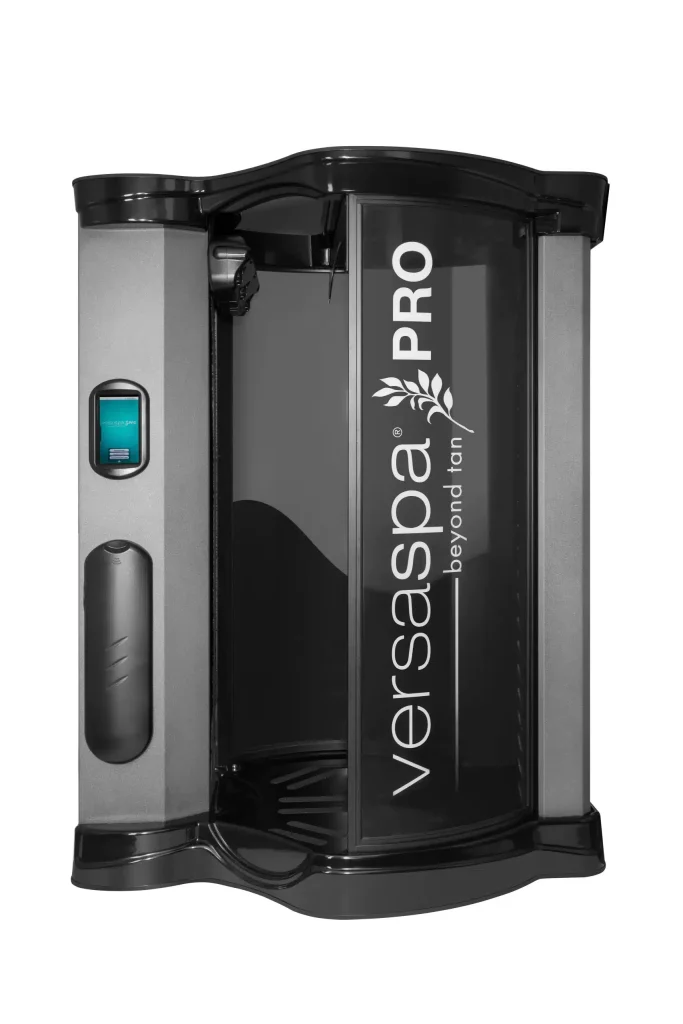
Getting that perfect sun-kissed glow without UV damage has never been easier. A tanning spray booth revolutionizes how salons and spas deliver flawless, even tans to their clients. Whether you’re a salon owner looking to upgrade your equipment or someone curious about professional spray tanning, this guide breaks down everything you need to know.
What Is a Tanning Spray Booth?
A tanning spray booth is an enclosed cabinet designed specifically for applying sunless tanning solutions through an automated spray system. Unlike handheld spray tanning equipment or tex sprayer systems used for other applications, these booths provide a controlled environment where clients stand while being evenly coated with tanning solution from multiple angles.
The booth contains strategically positioned spray nozzles that release a fine mist of DHA-based tanning solution. Most modern spray tan booths feature touch-screen controls, adjustable spray patterns, and built-in ventilation systems to ensure comfort and safety during the tanning process. The entire application typically takes between 30 seconds to 2 minutes, making it one of the fastest professional tanning methods available.
These systems eliminate the mess and inconsistency often associated with manual spray tanning. The enclosed design contains overspray, protects the surrounding area, and ensures that every client receives the same quality application. Professional salons have embraced this technology because it delivers consistent results while requiring minimal training for staff members.
How Does a Tanning Spray Booth Work?
Understanding the mechanics behind a tanning spray booth helps you appreciate the technology that delivers those gorgeous results. The process combines precision engineering with cosmetic chemistry to create an efficient tanning experience.
The Spray Application Process
When a client enters the booth, they stand in a designated position while the system activates. The spray booth for tanning uses multiple spray nozzles positioned at different heights along vertical bars or panels. These nozzles release a pressurized mist of tanning solution that covers the body from head to toe.
Most booths operate on a timer system, typically offering sessions between 10 to 60 seconds depending on the desired tan intensity. The solution contains dihydroxyacetone (DHA), which reacts with amino acids in the skin’s outer layer to produce a browning effect. This reaction develops over 4-6 hours, revealing a natural-looking tan that lasts 5-10 days.
Advanced models feature programmable settings that allow operators to customize spray patterns, solution concentration, and application duration. Some high-end systems include sensors that detect body position and adjust spray patterns accordingly, ensuring even coverage on all body contours.
Ventilation and Filtration Systems
A critical component of any quality tanning spray booth is its ventilation system. Professional booths include powerful exhaust fans that remove excess spray mist from the air, preventing inhalation and maintaining visibility inside the chamber. The filtration system captures overspray particles before they enter the environment.
These ventilation systems typically feature multi-stage filters that trap both liquid droplets and fine particles. Regular filter maintenance ensures optimal performance and extends the booth’s lifespan. Good ventilation also prevents solution buildup on booth walls, reducing cleaning frequency and maintenance costs.
Types of Tanning Spray Booths
Not all spray tanning booths are created equal. Different models cater to various business needs, space requirements, and budget considerations. Understanding these options helps you make an informed purchasing decision.
Automated Spray Tan Booths
Fully automated booths represent the premium tier of spray tanning equipment. These systems require minimal human intervention once programmed, making them ideal for high-volume salons. Clients simply enter the booth, select their preferred tanning level, and the system handles everything else.
Key features include:
- Touch-screen control panels with preset programs
- Automatic solution dispensing and mixing
- Multiple spray cycles with rotating or fixed nozzles
- Built-in heating elements for solution warming
- Self-cleaning capabilities in premium models
- Digital client management systems
Automated tanning spray booths typically cost between $8,000 to $25,000 depending on features and brand reputation. While the initial investment is substantial, these systems can process 15-30 clients per day with minimal operator involvement, making them cost-effective for established businesses.
Semi-Automated Systems
Semi-automated booths offer a middle ground between manual spray tanning and fully automated systems. These units require some operator involvement but still provide the consistency and containment benefits of enclosed booths.
These systems typically feature manual solution application through handheld sprayers inside an enclosed booth structure. The operator controls the spray pattern and coverage while the booth contains overspray and provides proper ventilation. This option works well for salons wanting to upgrade from completely manual tanning without the full automated system investment.
HVLP Spray Tan Booths
High Volume Low Pressure (HVLP) spray booths for tanning use a different spraying technology that delivers more solution with less overspray. These systems are particularly popular among eco-conscious businesses because they waste less product and require less powerful ventilation.
HVLP technology produces larger droplets that adhere better to skin, resulting in less airborne mist and more efficient solution usage. Many operators report 20-30% reduction in solution consumption compared to traditional pressure systems. The trade-off is typically a slightly longer application time and potentially less even coverage on complex body contours.
Benefits of Using a Tanning Spray Booth
Investing in a professional tanning spray booth delivers numerous advantages for both business owners and clients. These benefits extend beyond simple convenience to impact profitability, safety, and customer satisfaction.
Consistent, Even Results
The primary advantage of booth systems over manual application is consistency. Every client receives the same spray pattern, solution concentration, and coverage. This eliminates the variability associated with technician skill level or fatigue during busy periods.
Automated nozzle positioning ensures that hard-to-reach areas like the back, shoulders, and sides of the torso receive adequate coverage. The 360-degree spray pattern typical of quality spray tan booths eliminates common problem areas like streaks, patches, or missed spots that can occur with handheld application.
Time and Labor Efficiency
A tanning spray booth dramatically reduces the time required per client session. While manual spray tanning might take 15-20 minutes including prep and application, automated booths complete the process in under 3 minutes. This efficiency allows salons to serve more clients per hour, directly increasing revenue potential.
Labor costs decrease because less skilled technicians can operate automated systems effectively. Instead of training staff in spray tanning techniques, owners simply need to teach booth operation, safety protocols, and customer service. This reduces training time and makes staffing more flexible during peak seasons.
Improved Hygiene and Safety
Enclosed tanning spray booths create a more hygienic environment for both clients and staff. The contained application prevents solution from contaminating the surrounding salon space, reducing cleaning requirements and protecting nearby equipment or services.
For technicians, automated systems mean less exposure to tanning solution mist, which can cause respiratory irritation with prolonged exposure. The booth’s ventilation system captures and filters overspray before it enters the breathing zone, protecting employee health and complying with occupational safety standards.
Enhanced Client Privacy
Many clients prefer the privacy offered by enclosed booth systems. They can apply tanning solution without a technician present, eliminating any self-consciousness about body exposure. This privacy factor can attract clients who might otherwise avoid spray tanning services.
Modern spray tanning booths often include features like frosted panels, locking doors, and private changing areas that enhance the client experience. Some premium models even include Bluetooth speakers for music and aromatherapy diffusers to create a spa-like atmosphere during the tanning session.
Key Features to Look for in a Tanning Spray Booth
Selecting the right tanning spray booth requires careful evaluation of features, build quality, and long-term value. Not all systems offer the same capabilities, and understanding what matters helps you avoid costly mistakes.
Spray Nozzle Configuration
The number and positioning of spray nozzles directly impacts coverage quality. Entry-level booths might have 6-8 nozzles, while premium systems feature 16 or more strategically placed spray points. More nozzles generally mean better coverage, especially for taller clients or those with athletic builds.
Look for adjustable nozzle systems that accommodate different body types and heights. Some tanning spray booths include removable or repositionable nozzles, allowing operators to customize the system for their specific clientele. The nozzle quality matters too—stainless steel or brass nozzles resist clogging and corrosion better than plastic alternatives.
Solution Delivery System
How the booth stores, heats, and delivers tanning solution significantly impacts performance and maintenance requirements. Heated solution systems maintain optimal product temperature for better spray atomization and more comfortable application. Cold solution can feel shocking against skin and may not spray as evenly.
Pressurized delivery systems provide more consistent flow rates than gravity-fed alternatives. Look for booths with built-in pressure regulators that maintain steady output regardless of solution level. Some advanced spray tan booths include automatic solution mixing systems that blend concentrate with water at precise ratios, ensuring perfect consistency every time.
Control and Programming Options
User-friendly controls make booth operation accessible to staff members with varying technical abilities. Touch-screen interfaces with intuitive menus are preferable to complex button arrays or outdated analog controls. The system should offer multiple preset programs for different skin types and desired tan depths.
Advanced programming features allow operators to create custom spray patterns, adjust timing for specific body zones, and save client preferences for repeat visits. Data logging capabilities help track solution usage, maintenance schedules, and session counts for business analytics.
Ventilation Power and Noise Level
A powerful ventilation system is non-negotiable for safe tanning spray booth operation. The exhaust fan should create negative pressure inside the booth, preventing overspray from escaping into the salon. Calculate the booth’s air exchange rate—premium systems replace booth air 15-20 times per minute.
However, ventilation power must be balanced with noise considerations. Excessively loud fans create an unpleasant client experience and can be disruptive in salon environments. Look for systems rated below 70 decibels during operation, which is comparable to normal conversation volume.
Build Quality and Durability
The booth structure should be constructed from corrosion-resistant materials like powder-coated aluminum, stainless steel, or marine-grade plastics. Tanning solutions are acidic and will degrade inferior materials over time, leading to rust, staining, and structural weakness.
Pay attention to door mechanisms, floor grating, and panel joints. These high-use areas should feel solid and well-engineered. Cheap spray tanning booths often fail at connection points where panels meet or at door hinges that see thousands of open-close cycles annually.
Installation and Space Requirements
Before purchasing a tanning spray booth, you need to ensure your facility can accommodate the system. Installation requirements go beyond simple floor space and involve electrical, ventilation, and structural considerations.
Physical Dimensions
Standard spray tan booths occupy roughly 4-5 feet wide by 4-5 feet deep of floor space, with heights ranging from 7-8 feet. However, you’ll need additional clearance for door swings, maintenance access, and client comfort. Most manufacturers recommend at least 8×8 feet of total space allocation.
The booth weight varies from 300 to 800 pounds depending on construction materials and features. Ensure your floor can support this concentrated load, especially if installing on upper floors or over basement spaces. Some building codes may require structural reinforcement for heavier commercial equipment.
Electrical Requirements
Most tanning spray booths operate on standard 110-120V electrical service, drawing 10-15 amps during operation. However, some high-powered ventilation systems or heated solution models require 220-240V circuits. Verify your electrical capacity before purchasing, as panel upgrades can add $1,000-3,000 to installation costs.
The booth should be on a dedicated circuit separate from other salon equipment to prevent nuisance tripping during operation. Ground fault circuit interrupter (GFCI) protection is typically required for equipment used in areas where water or moisture is present.
Ventilation and Exhaust
While most booths include internal ventilation systems, you must provide proper exhaust routing. The booth’s exhaust duct needs to terminate outside the building, not into ceiling spaces, return air plenums, or adjacent rooms. Ductwork typically requires 4-6 inch diameter rigid or flexible tubing with minimal bends for optimal airflow.
Local building codes may mandate specific exhaust heights above roof lines or distances from air intakes, windows, and property boundaries. Professional HVAC contractors familiar with salon equipment should handle exhaust installation to ensure code compliance and optimal performance.
Water and Drainage Considerations
Some premium spray tanning booths include self-cleaning systems that require water supply connections. These systems automatically rinse nozzles and interior surfaces, significantly reducing manual maintenance. If choosing a self-cleaning model, budget for plumbing installation costs.
While not always required, floor drains near the booth simplify cleaning and prevent solution accumulation on floors. If your salon lacks nearby drainage, consider installing a small sump with a pump to handle cleaning water disposal.
Operating Costs and Maintenance
Understanding the ongoing costs of tanning spray booth ownership helps you accurately project profitability and budget for long-term operations. Initial purchase price represents just one component of total ownership cost.
Solution and Supply Costs
Tanning solution represents your primary recurring expense. Professional-grade DHA solutions cost $30-80 per gallon depending on quality and concentration. An average booth session uses 1-2 ounces of solution, meaning a gallon provides approximately 64-128 applications.
Additional supplies include disposable items like barrier cream, hair caps, foot protectors, and nose filters. Budget approximately $1-2 per client for these consumables. Some salons pass these costs to clients through higher service prices, while others absorb them as operating expenses.
Maintenance and Cleaning
Daily maintenance of a tanning spray booth involves wiping down interior surfaces, checking nozzles for clogs, and emptying drip trays. This routine maintenance takes 10-15 minutes at day’s end. Weekly tasks include deep cleaning of floors, walls, and ventilation filters—allow 30-45 minutes for thorough weekly maintenance.
Filter replacement schedules vary by booth model and usage volume, but typically range from monthly to quarterly. Replacement filters cost $20-100 depending on type and size. Neglecting filter maintenance reduces ventilation efficiency and can damage fan motors, leading to expensive repairs.
Repair and Replacement Parts
Quality spray tanning booths require minimal repairs when properly maintained, but components eventually wear out. Common replacement items include spray nozzles ($15-40 each), door seals ($30-60), and exhaust fans ($150-400). Keeping basic spare parts on hand minimizes downtime when failures occur.
Many manufacturers offer service contracts that cover annual inspections, preventive maintenance, and priority repair service. These contracts typically cost $500-1,500 annually but provide peace of mind and help maintain warranty coverage.
Popular Tanning Spray Booth Brands
Several manufacturers dominate the professional tanning spray booth market, each offering unique features and value propositions. Understanding brand reputations helps narrow your selection process.
Mystic Tan
Mystic Tan pioneered automated spray tanning and remains an industry leader. Their HD booth features include magnetic spray nozzles for easy cleaning, heated aromatherapy mist, and sophisticated control systems with client management software. Mystic Tan systems are known for reliability but command premium prices starting around $15,000 for basic models.
The company offers comprehensive training programs, responsive technical support, and an extensive dealer network for service and supplies. Many salon owners appreciate Mystic Tan’s strong brand recognition, which helps attract clients familiar with the name from mall kiosks and resort spas.
Versa Spa
Versa Spa spray tanning booths compete directly with Mystic Tan while offering slightly lower price points. Their systems emphasize customization with adjustable spray patterns and solution concentrations. The Pro model includes features like voice guidance, music streaming, and optional UV tanning integration.
Versa Spa focuses heavily on operator ease-of-use with intuitive touch screens and simplified maintenance procedures. Their booths typically cost $12,000-20,000 depending on features and accessories included in the package.
Norvell
Norvell specializes in premium spray tanning solutions and equipment, including high-end automated booths. Their Venetian Plus model stands out for its luxurious design aesthetic and advanced programming capabilities. Norvell systems often feature in upscale spas and resorts where appearance and brand prestige matter.
These tanning spray booths typically start around $18,000 and can exceed $30,000 for fully-loaded configurations. The higher price reflects superior build quality, more refined spray patterns, and exclusive solution formulations designed specifically for Norvell equipment.
Sunless Inc.
Sunless Inc. offers value-oriented options for salons entering the spray tanning market or operating on tighter budgets. Their booths deliver solid performance without premium features like heated solutions or advanced programming. Entry models start around $8,000, making them accessible for small businesses.
While lacking some bells and whistles of competitors, Sunless Inc. spray tan booths provide reliable basic functionality with straightforward maintenance requirements. The company maintains good customer service and parts availability despite their lower market profile.
Setting Up Your Spray Tanning Business
Investing in a tanning spray booth represents a significant business commitment. Proper planning ensures your investment generates expected returns and positions your salon for long-term success.
Market Research and Positioning
Before purchasing equipment, analyze your local market for spray tanning demand. Research competitor offerings, pricing structures, and service quality. Identify underserved niches like mobile spray tanning, bridal packages, or specialized solutions for specific skin types.
Survey your existing clients about their interest in spray tanning services. If you have an established clientele for other services, adding a tanning spray booth creates upsell opportunities and increases client retention by offering more comprehensive beauty solutions under one roof.
Pricing Strategy
Service pricing must balance profitability with market competitiveness. Research typical spray tanning booth session prices in your area—most markets support $25-50 per session depending on location and salon positioning. Premium markets or resort areas can command $60-80 per session.
Consider package pricing to encourage repeat business. A common structure offers single sessions at full price, 3-session packages at 10% discount, and monthly unlimited packages for regular clients. Membership models create predictable recurring revenue and improve client lifetime value.
Marketing and Client Acquisition
Promote your new tanning spray booth through multiple channels to maximize awareness. Social media platforms like Instagram work exceptionally well for visual services—post before-and-after photos (with permission), testimonials, and educational content about spray tanning benefits.
Partner with local wedding planners, photographers, and event venues to capture the lucrative bridal market. Offer special pre-event packages for brides, bridesmaids, and wedding parties. Host grand opening events where potential clients can try the booth at discounted rates and experience the service firsthand.
Staff Training and Certification
Even with automated equipment, staff members need proper training to operate the tanning spray booth safely and effectively. Manufacturers typically provide initial training during installation, covering operation, troubleshooting, and basic maintenance procedures.
Consider certification programs offered by organizations like the Spray Tan Association or American Institute of Intradermal Cosmetics. Certified technicians command higher credibility with clients and can position your salon as a premium service provider. Training costs typically range from $200-500 per person.
Safety Considerations and Regulations
Operating a tanning spray booth involves responsibilities related to client safety, product regulations, and business compliance. Understanding these requirements protects your business from liability and regulatory issues.
FDA Regulations on DHA
The FDA approves DHA for external application but not for inhalation or application to mucous membranes. This creates specific requirements for spray tanning booth operations. Clients must use nose filters and lip balm to prevent solution from contacting these sensitive areas.
Booth operators should provide clear instructions about protective measures and ensure clients understand proper positioning during application. Some jurisdictions require signed consent forms acknowledging these safety protocols before services can be provided.
Ventilation Standards
OSHA guidelines address workplace air quality when employees are exposed to airborne chemicals. While DHA toxicity is relatively low, prolonged exposure can cause respiratory irritation. Your tanning spray booth ventilation system must maintain safe air quality for both clients and operators.
Document regular ventilation system testing and maintenance to demonstrate compliance with air quality standards. This documentation becomes crucial if employee health complaints arise or during regulatory inspections.
Sanitation Protocols
Maintain strict sanitation between clients to prevent cross-contamination. The spray tan booth interior should be wiped down after each use, with focus on high-touch surfaces like door handles, control panels, and handrails. Use EPA-registered disinfectants approved for food-contact surfaces.
Floor grating requires particular attention as solution drips and accumulates in these areas. Remove and clean grating weekly with enzymatic cleaners designed to break down organic residues. Neglecting floor sanitation creates slip hazards and produces unpleasant odors.
Insurance Requirements
Standard general liability insurance may not adequately cover spray tanning operations. Consult with insurance professionals familiar with beauty industry needs to ensure proper coverage. Some carriers require specific endorsements for automated tanning equipment.
Professional liability insurance protects against claims related to allergic reactions, uneven tans, or other service failures. Coverage typically costs $500-1,500 annually depending on business size and claims history. This investment provides essential protection for your business assets.
Comparing Spray Booths to Alternative Tanning Methods
Understanding how tanning spray booths compare to other sunless tanning options helps you make informed decisions about which services to offer and how to position your equipment investment.
Booth vs. Manual Spray Tanning
Manual spray tanning with handheld equipment offers more artistic control and customization for experienced technicians. Skilled operators can contour with darker solutions, adjust coverage patterns for individual features, and address specific client concerns in real-time.
However, tanning spray booths provide superior consistency and efficiency. While a manual session might take 20 minutes including prep and application, booths complete the process in under 3 minutes. For high-volume salons, this efficiency difference translates to significantly higher revenue per hour.
Cost considerations favor booths for established businesses. While manual equipment requires minimal initial investment ($200-800 for a quality spray system), it demands more skilled labor and generates lower client throughput. The booth’s higher initial cost ($8,000-25,000) pays for itself through operational efficiency.
Booth vs. Airbrush Tanning
Airbrush tanning uses precision spray equipment to apply solution with fine control. This method works excellently for detailed work like facial tanning, body contouring, or correcting previous tan imperfections. Professional airbrush systems cost $300-1,500 and require significant skill development.
Spray tanning booths cannot match airbrush precision for specialized applications but excel at full-body coverage. Many successful salons offer both services—booths for standard full-body tans and airbrush for custom work, touch-ups, or clients wanting personalized attention.
Booth vs. Self-Tanning Products
Over-the-counter self-tanning products continue improving in quality and ease of application. Modern formulations offer natural-looking results without professional assistance. However, achieving even application remains challenging, especially for back coverage.
Professional tanning spray booths deliver results unattainable with at-home products. The atomized solution distributes more evenly, develops more naturally, and lasts longer than most consumer products. Positioning your booth service as superior to DIY options justifies premium pricing and attracts clients frustrated with home tanning attempts.
Environmental Considerations
Modern consumers increasingly value environmentally responsible businesses. Understanding and minimizing your tanning spray booth environmental impact can become a marketing advantage while reducing operational costs.
Solution Ingredients and Eco-Friendly Options
Traditional tanning solutions contain synthetic chemicals beyond DHA, including fragrances, preservatives, and bronzers. Growing demand for natural alternatives has spawned organic and eco-certified solution lines featuring plant-based ingredients and sustainable sourcing.
When selecting solutions for your spray tan booth, research ingredient transparency and manufacturing practices. Brands like Eco Tan and Organic Glow emphasize clean formulations without parabens, sulfates, or synthetic fragrants. These premium solutions cost 20-30% more but attract health-conscious clients willing to pay premium prices.
Water and Energy Consumption
Tanning spray booths with self-cleaning systems consume significant water—potentially 5-10 gallons per cleaning cycle. If running multiple cycles daily, annual water usage can reach thousands of gallons. Consider installing water-saving nozzles or reducing cleaning frequency through better preventive maintenance.
Heated solution systems and exhaust fans add to electrical consumption. Calculate your booth’s energy usage and compare it against revenue to ensure profitability isn’t undermined by utility costs. LED lighting retrofits and variable-speed exhaust fans can reduce energy consumption by 20-30% versus older equipment.
Waste Management
Solution containers, disposable filters, and cleaning supplies generate regular waste. Implement recycling programs for containers and packaging materials when possible. Some solution manufacturers offer container return programs that reduce landfill waste while potentially lowering your supply costs.
Properly dispose of used filters according to local hazardous waste regulations. While tanning solution itself isn’t hazardous, filters may contain concentrated residues requiring special handling. Contact local waste management authorities for guidance on compliant disposal methods.
Troubleshooting Common Issues
Even quality tanning spray booths experience occasional problems. Understanding common issues and their solutions minimizes downtime and maintains consistent service quality.
Uneven Spray Patterns
Clients reporting streaky or patchy results typically indicate clogged or misaligned nozzles. Remove and inspect nozzles for solution buildup or debris. Soak clogged nozzles in warm water mixed with solution manufacturer’s recommended cleaner for 15-20 minutes before reinstalling.
Inconsistent results across multiple clients may signal pressure regulation problems. Check solution tank levels, verify pump operation, and confirm pressure gauges show normal readings. Low pressure produces larger droplets that don’t atomize properly, while excessive pressure creates too fine a mist that doesn’t adhere well.
Weak or No Spray
Complete spray failure often traces to solution supply issues. Verify adequate solution remains in the reservoir and check all connections between tank and spray bars. Kinked or disconnected hoses prevent proper flow and require immediate correction.
Examine electrical connections to spray pumps and solenoid valves. Loose connections or blown fuses interrupt power delivery and prevent spraying. Most tanning spray booths include diagnostic displays that show fault codes—consult your manual for specific troubleshooting steps based on displayed errors.
Excessive Overspray
If overspray escapes the booth or creates fog inside the chamber, ventilation system problems are likely. Inspect exhaust ductwork for disconnections, blockages, or excessive bends that restrict airflow. Clean or replace ventilation filters if they’ve become saturated with solution residue.
Door seals deserve attention if booth containment fails. Worn or damaged seals allow overspray to escape, creating mess and reducing tanning efficiency. Replace deteriorated seals promptly to restore proper booth operation and protect surrounding areas.
Unusual Noises
Grinding, squealing, or rattling sounds indicate mechanical problems requiring immediate attention. Exhaust fan bearings wear over time and produce increasingly loud noise before failure. Address bearing issues promptly to prevent complete fan failure and costly repairs.
Pump noises often signal cavitation from low solution levels or air in the supply lines. Ensure adequate solution in the reservoir and purge air from lines by running several spray cycles. Persistent pump noise may indicate impeller damage requiring professional repair.
Maximizing Your Tanning Spray Booth Investment
Smart operational practices optimize your tanning spray booth profitability and extend equipment lifespan. These strategies help you extract maximum value from your investment.
Service Packages and Upselling
Bundle booth sessions with complementary services to increase transaction values. Popular packages combine spray tanning with exfoliation treatments, moisturizing services, or body contouring consultations. These add-ons enhance results while boosting revenue per client visit.
Retail opportunities abound around spray tanning booth services. Stock aftercare products like gradual tanners, tan extenders, and moisturizers formulated for maintaining spray tan longevity. Client purchase rates of 30-40% are achievable with proper product education and strategic placement.
Membership and Subscription Models
Recurring revenue stabilizes cash flow and improves business predictability. Offer monthly unlimited tanning memberships at prices that encourage commitment while remaining profitable. A $100 monthly membership covering unlimited sessions attracts regular tanners and generates $1,200 annual revenue per member.
Tiered membership structures accommodate different client needs. Basic tiers might include 2-4 sessions monthly, while premium memberships offer unlimited sessions plus retail discounts and priority booking. This segmentation maximizes revenue capture across your client base.
Seasonal Promotions
Tanning demand fluctuates seasonally, with peaks before summer, holidays, and special events. Plan promotional campaigns around these high-demand periods to maximize spray tan booth utilization. Spring and pre-holiday periods offer ideal timing for aggressive marketing.
Counter slow periods with targeted promotions that drive traffic during typically low-demand times. Fall and winter “glow maintenance” packages keep your booth busy when clients might otherwise neglect tanning. Strategic discounting during slow periods fills capacity without devaluing your services during peak times.
Client Education and Retention
Educated clients achieve better results and become loyal repeat customers. Provide comprehensive preparation instructions covering exfoliation timing, moisturizing schedules, and pre-appointment guidelines. Clear instruction sheets or video tutorials reduce poor outcomes and increase satisfaction.
Post-session care guidance proves equally important. Explain proper moisturizing techniques, showering schedules, and activities to avoid during tan development. Clients who understand how to maintain their tans book more frequent sessions and refer more friends to your salon.
Future Trends in Spray Tanning Technology
The tanning spray booth industry continues evolving with technological advances and changing consumer preferences. Staying informed about emerging trends positions your business for long-term relevance.
Smart Booth Technology
Next-generation spray tanning booths incorporate IoT connectivity, allowing remote monitoring, diagnostics, and updates. Operators can track booth performance metrics, receive maintenance alerts, and update programming from smartphones or tablets. This connectivity reduces service calls and improves uptime.
Artificial intelligence integration represents the cutting edge of booth technology. AI systems analyze client photos to recommend optimal solution shades and spray patterns. Machine learning algorithms continuously refine spray patterns based on client feedback, improving results over time.
Customized Solution Blending
Future booths may feature on-demand solution mixing that blends multiple formulations to match individual client needs. Instead of offering 3-4 pre-mixed solution shades, customization systems could create thousands of unique combinations optimized for specific skin tones and undertones.
This personalization extends to specialty ingredients like anti-aging compounds, firming agents, or targeted skincare actives. Clients could select functional benefits alongside their desired tan shade, transforming the spray tan booth from purely cosmetic to a multi-benefit skincare treatment.
Sustainability Innovations
Environmental consciousness drives development of more sustainable tanning technology. Waterless cleaning systems use UV light or ozone to sterilize booth interiors without water consumption. Solution concentration systems might reduce packaging waste by delivering ultra-concentrated formulas that dilute automatically inside the booth.
Renewable energy integration could see solar-powered booths or energy recovery systems that capture exhaust heat for facility use. While adding complexity and cost, these innovations appeal to eco-conscious consumers and differentiate forward-thinking salons from competitors.
Ready to Transform Your Tanning Business?
A professional tanning spray booth represents one of the smartest investments for salons and spas looking to expand service offerings or upgrade existing tanning capabilities. The combination of operational efficiency, consistent results, and client satisfaction makes these systems proven revenue generators.
Whether you’re just starting your spray tanning journey or ready to upgrade from manual application methods, modern booth technology delivers the performance and reliability your business deserves. Research available models, compare features against your specific needs, and choose equipment that aligns with your growth plans and budget realities.
Don’t wait to capture the growing demand for professional spray tanning services. Explore quality tanning spray booth options from reputable manufacturers and take the first step toward enhancing your business offerings. Visit SprayTanBooth.com to compare top-rated models and find the perfect system for your salon’s unique requirements.
Frequently Asked Questions About Tanning Spray Booths
How much does a tanning spray booth cost?
Professional tanning spray booths range from $8,000 for basic models to $30,000 for premium systems with advanced features. Entry-level booths provide solid functionality for smaller salons, while high-end units offer sophisticated programming, self-cleaning capabilities, and luxury finishes appropriate for upscale spas. Factor in installation costs ($500-2,000), initial solution inventory ($200-500), and disposable supplies when budgeting your total investment.
How long does a spray tan from a booth last?
Spray tan booth results typically last 5-10 days depending on skin type, preparation quality, and aftercare practices. Clients with oily skin or those who swim frequently may see fading after 4-5 days, while those with dry skin and excellent moisturizing routines can maintain tans for up to two weeks. Regular exfoliation and moisturizing before the session significantly impacts longevity, as does avoiding chlorinated water and excessive sweating immediately after application.
Is a spray tan booth safe to use?
Yes, tanning spray booths are safe when operated according to manufacturer guidelines and safety protocols. The active ingredient DHA is FDA-approved for external skin application and has been used safely for decades. However, clients should use nose filters and lip protection to prevent solution inhalation or contact with mucous membranes. Proper booth ventilation protects both clients and operators from excessive mist exposure during and after sessions.
Can you get a spray tan if you have sensitive skin?
Most people with sensitive skin can safely use a spray tan booth, though patch testing is recommended before full-body application. Many manufacturers now offer hypoallergenic solutions formulated without common irritants like parabens, sulfates, and synthetic fragrances. Clients with eczema, psoriasis, or active skin conditions should consult dermatologists before spray tanning, as DHA may cause irritation on compromised skin barriers.
How do I maintain a tanning spray booth?
Daily maintenance includes wiping down interior surfaces, checking nozzles for clogs, and emptying drip trays—a 10-15 minute process. Weekly deep cleaning involves scrubbing floors, walls, and ventilation filters using enzymatic cleaners designed for DHA residue removal. Replace filters monthly to quarterly depending on usage volume. Professional servicing annually ensures optimal performance and addresses wear items before they fail, preventing unexpected downtime during busy periods.
What’s the difference between automated and manual spray tanning?
Automated tanning spray booths apply solution through fixed nozzle arrays with minimal operator involvement, completing full-body coverage in 30-90 seconds. Manual spray tanning uses handheld equipment controlled by trained technicians who adjust application in realtime, taking 15-20 minutes per session. Booths excel at consistency and efficiency for high-volume operations, while manual application offers customization and artistic control for specialized services like contouring or corrective work.
How much should I charge for spray tan booth sessions?
Pricing varies by market, but most salons charge $25-50 per session for standard spray tan booth services. Premium markets or resort locations support $60-80 pricing, while smaller towns typically range $20-35 per session. Package pricing improves value perception—offer single sessions at full price, 3-session packages with 10% discount, and monthly unlimited options for regular clients. Monitor competitor pricing and adjust based on your service quality and brand positioning.
Can I operate a tanning spray booth from home?
Yes, but check local zoning regulations and homeowners association rules before installing a tanning spray booth in residential spaces. Many jurisdictions permit home-based beauty businesses with proper licensing and adherence to health department requirements. Ensure adequate space for the booth plus changing area, proper electrical service, and exhaust venting to building exterior. Liability insurance specifically covering home-based spray tanning operations protects your personal assets from business-related claims.
Sources: Professional Spray Tanning Equipment Guide, Spray Tan Association Industry Standards, American Institute of Intradermal Cosmetics Certification Guidelines