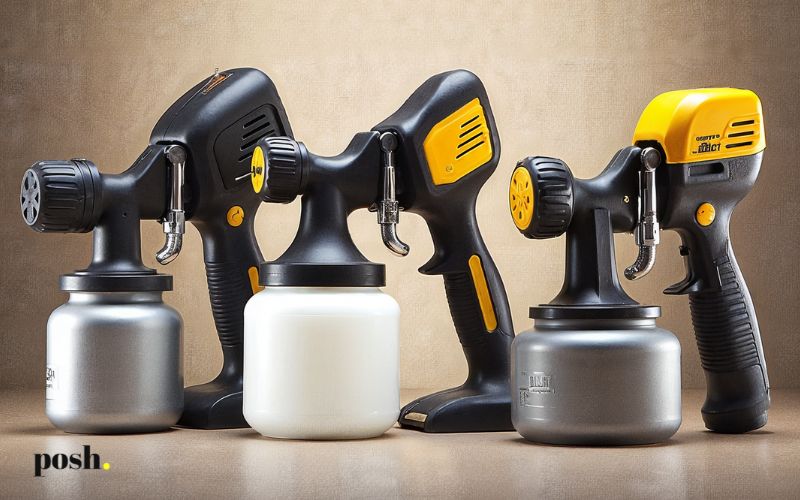
Tired of brush strokes ruining your perfect paint job? A quality spray gun for latex paint can revolutionize how you tackle home improvement projects. Whether you’re refinishing furniture, painting walls, or updating cabinets, the right spray equipment saves time and delivers professional results that brushes and rollers simply can’t match.
In this comprehensive guide, you’ll discover everything you need to know about choosing and using spray guns for latex paint. From understanding different spray gun types to mastering application techniques, we’ll cover the essential information that separates amateur results from professional finishes.
What Makes a Spray Gun Ideal for Latex Paint?
Latex paint presents unique challenges that demand specific spray gun features. Unlike oil-based paints, latex has higher viscosity and water-based formulation that requires proper atomization. The best spray guns for latex paint feature larger fluid passages, typically 1.5mm to 2.2mm tip sizes, which prevent clogging and ensure smooth application. HVLP (High Volume Low Pressure) systems work exceptionally well because they reduce overspray while maintaining excellent coverage.
Modern spray guns designed for latex incorporate adjustable pressure controls that let you dial in the perfect setting. This flexibility matters because latex consistency varies between brands and types. Professional painters know that temperature affects latex viscosity significantly—warmer paint flows easier while cold paint thickens. Quality spray equipment compensates for these variables through precision engineering and user-friendly adjustments.
The material construction also impacts performance with latex paints. Stainless steel fluid passages resist corrosion from water-based formulas better than basic metals. Teflon-coated needles and nozzles provide smoother operation and easier cleanup, extending your equipment’s lifespan considerably.
Types of Spray Guns for Latex Paint Applications
HVLP Spray Guns: The Professional’s Choice
HVLP spray guns dominate the professional painting market for good reason. These systems atomize latex paint using high air volume at low pressure, typically under 10 PSI at the air cap. This technology delivers 65-80% transfer efficiency, meaning more paint lands on your surface instead of floating away as overspray. You’ll save money on materials while reducing environmental impact and cleanup hassles.
The controlled application makes HVLP systems perfect for interior projects where overspray management matters. Kitchen cabinets, furniture refinishing, and detailed trim work become significantly easier. Leading manufacturers like Fuji, Graco, and Wagner produce turbine-powered HVLP units that don’t require separate air compressors, offering portability that contractors love.
Airless Spray Guns: Power for Large Projects
Airless spray systems pump latex paint at extremely high pressure (up to 3000 PSI) through a small tip opening. This forceful atomization handles thick latex without thinning, making these spray guns ideal for exterior walls, fences, and large-area applications. Professional contractors prefer airless systems when painting entire house exteriors or commercial spaces where speed matters more than minimal overspray.
The raw power comes with tradeoffs though. Airless systems create more overspray than HVLP equipment and require careful masking of areas you want to protect. They excel at production work but may overwhelm detailed projects. Brands like Titan, Graco, and Wagner manufacture airless sprayers ranging from DIY-friendly models to heavy-duty contractor equipment.
Compressed Air Spray Guns: Traditional Versatility
Conventional compressed air spray guns connect to standard air compressors, offering familiarity for users with existing pneumatic tools. These systems atomize latex paint through air pressure alone, typically requiring 40-60 PSI. While they produce more overspray than HVLP alternatives (often 35% transfer efficiency or less), compressed air guns cost significantly less upfront.
The main limitation involves the substantial air compressor needed—you’ll want at least 4-6 CFM capacity at 40 PSI for consistent performance. However, if you already own a quality compressor for other tools, adding a compressed air spray gun for latex paint becomes an economical choice.
Key Features to Consider When Buying
Nozzle Size and Adjustability
The spray tip determines how latex paint atomizes and applies to surfaces. Nozzle sizes between 1.8mm and 2.5mm handle most latex paint applications perfectly. Smaller tips (1.3-1.5mm) work better for thin latex primers and stains, while larger openings (2.2-2.5mm) accommodate thick, unthinned latex wall paints. Adjustable spray patterns (horizontal, vertical, and circular) add versatility for different project requirements.
Professional spray guns include multiple nozzle options, letting you swap tips based on paint viscosity and desired finish. This flexibility justifies higher initial costs through improved results across various applications. Budget models often include only one tip size, limiting their effectiveness with different latex formulations.
Flow Control and Pressure Settings
Precise flow control separates professional-grade spray guns from basic models. Quality units feature independent adjustments for fluid flow, air pressure, and spray pattern width. This three-way control lets you optimize application for specific latex paints and project needs. Micro-adjustments make the difference between smooth coverage and textured orange-peel finishes that require sanding and refinishing.
Digital pressure gauges on premium models provide exact readings for repeatability across projects. You’ll appreciate this precision when matching finishes on multi-day jobs or returning to touch up previous work. Analog gauges work fine but require more trial-and-error adjustment to achieve consistent results.
Cup Capacity and Positioning
Spray gun cups range from 600ml to 1000ml for handheld units, with larger remote containers available for stationary setups. Gravity-feed cups mount on top, using weight to deliver paint efficiently with less air pressure required. Bottom-feed systems pull paint upward through siphon action, allowing unlimited cup sizes through remote containers but requiring more air pressure.
Consider your typical project size when choosing cup capacity. Furniture refinishing and cabinet work rarely need more than 800ml capacity, while whole-room painting benefits from 1000ml or remote systems that minimize refilling interruptions. Quick-disconnect couplings make cup removal for cleaning and refilling significantly faster.
Top Spray Gun Models for Latex Paint in 2024
Graco Magnum X5 Airless Paint Sprayer
The Graco Magnum X5 dominates the DIY market with 0.27 gallon per minute output that handles latex paint without thinning. Its stainless steel piston pump delivers consistent pressure for uniform coverage on walls, fences, and decks. The adjustable pressure control accommodates various latex viscosities, while the 25-foot hose provides excellent reach for two-story applications.
Users praise the X5’s reliability and ease of cleaning—essential factors for intermittent DIY use. The PowerFlush adapter connects to a garden hose for simplified cleanup that takes minutes instead of hours. At around $300, it offers professional-level performance at prosumer pricing. One limitation: the maximum 0.015-inch tip size restricts its use with extra-thick latex formulations.
Wagner Flexio 5000 HVLP Paint Sprayer
Wagner’s Flexio 5000 brings turbine-powered HVLP technology to budget-conscious painters at under $200. The X-Boost turbine generates sufficient power for unthinned latex paint application, delivering fine finishes on furniture and cabinets. Its two nozzle sizes (1.5mm and 2.5mm) cover most latex paint projects from primers to heavy-bodied wall paints.
The adjustable settings include ten air power levels and three spray patterns, providing versatility across different latex applications. The iSpray nozzle handles detail work beautifully, while the Detail Finish nozzle excels at larger surfaces. Storage case inclusion protects your investment between projects. Some users report the 1.5-quart cup feels heavy when full, causing arm fatigue during extended spraying sessions.
Fuji Semi-PRO 2 HVLP Spray System
Professional woodworkers and finish carpenters consistently recommend the Fuji Semi-PRO 2 for superior latex paint atomization. Its two-stage turbine motor delivers 6.5 PSI, providing excellent control for fine finishes without compressor noise or pulsation. The gravity-feed cup and professional-grade gun produce glass-smooth results on cabinets, trim, and furniture that rival factory finishes.
The metal turbine case ensures durability through years of regular use, justifying the $400+ investment for serious hobbyists and professionals. Twenty-five-foot hose length handles large rooms without repositioning the base unit. The pattern-control knob offers infinite adjustment between narrow pencil lines and wide fan patterns. This system shines on interior latex applications where finish quality outweighs speed considerations.
HomeRight Super Finish Max HVLP Sprayer
For entry-level users exploring spray gun for latex paint applications, the HomeRight Super Finish Max delivers surprising performance under $120. The 450-watt turbine handles latex paints after moderate thinning, making it suitable for furniture refinishing and small projects. Three brass spray tips (2.0mm, 2.5mm, 3.0mm) provide flexibility across different latex viscosities.
The lightweight design (2.8 pounds) reduces fatigue during multi-hour projects, while the 39-inch hose provides reasonable working radius. Users appreciate the quick cleanup and straightforward operation that welcomes beginners. Limitations include reduced power compared to professional systems and the requirement to thin most latex paints for optimal results. It excels as a first spray gun or backup unit for occasional use.
Proper Latex Paint Preparation and Thinning
Understanding Viscosity Requirements
Latex paint consistency directly affects spray gun performance and finish quality. Most manufacturers formulate latex for brush and roller application, making it too thick for optimal spraying. Viscosity testing using a flow cup determines whether thinning is necessary. Professional painters target 25-35 seconds for latex through a Ford #4 cup, though specific spray guns have unique requirements listed in their manuals.
Unthinned latex creates several problems: clogged nozzles, rough orange-peel texture, inconsistent coverage, and excessive spray gun strain. Properly thinned latex atomizes into fine particles that level smoothly on surfaces, producing professional results. However, over-thinning reduces hiding power and causes runs or sags, especially on vertical surfaces.
Thinning Methods and Ratios
Water serves as the thinning agent for latex paint, added gradually while stirring thoroughly. Start with 10% water by volume (roughly 1/4 cup per quart), testing the spray pattern on cardboard. Add water in 5% increments until achieving smooth atomization without runs. Most latex paints reach optimal spraying consistency at 10-20% thinning, though high-quality paints may spray unthinned through powerful systems.
Floetrol paint conditioner offers an alternative to water thinning, extending drying time while improving flow and leveling. This additive particularly benefits latex spraying in hot or dry conditions where rapid drying causes lap marks and texture. Mix according to manufacturer directions, typically 8 ounces per gallon. Floetrol maintains paint body better than water, producing fuller coverage with fewer coats.
Straining for Smooth Results
Even new latex paint contains particles, dried chunks, or manufacturing debris that clog spray gun tips. Professional painters always strain latex through mesh filters before filling spray cups. Paint strainers cost pennies yet prevent hours of frustration from clogged equipment and ruined finishes. Use 100-mesh cone filters for fine finish work or 50-mesh for general applications.
Straining becomes absolutely critical when using previously opened latex paint. Dried paint chunks form around can edges and lids, contaminating otherwise good material. The few minutes invested in proper straining pays dividends through uninterrupted spraying and professional results.
Mastering Spray Gun Techniques for Latex Paint
Proper Distance and Angle
Maintaining correct distance between the spray gun and surface determines finish quality. Hold the gun 6-8 inches away for most latex applications, adjusting slightly based on pressure and nozzle size. Closer distances increase coverage but risk runs and sags, while excessive distance creates dry, textured finishes as paint partially dries in flight.
Keep the spray gun perpendicular to the surface throughout each pass. Arcing your wrist changes the angle, creating uneven coverage with heavy centers and light edges. This common beginner mistake causes zebra-striping that requires additional coats to hide. Instead, move your entire arm parallel to the surface, maintaining consistent distance and angle.
Overlap and Speed Control
Professional spray patterns overlap approximately 50% on each pass to ensure uniform coverage without obvious lines. Visualize dividing each pass in half, aiming the next pass at that centerline. Consistent overlap eliminates light and dark bands that amateur work displays. Speed matters equally—moving too slowly applies excessive latex that runs or sags, while racing across surfaces leaves insufficient coverage.
Practice on cardboard or scrap material until developing smooth, rhythmic passes at consistent speed. Most painters find 1-2 feet per second works well for latex, though exact speed depends on your specific spray gun’s output and latex viscosity. Trigger control completes the technique: start moving before pulling the trigger, release it before stopping at the end of each pass. This technique prevents buildup at the beginning and end of strokes.
Multi-Coat Application Strategy
Even with perfect technique, latex rarely covers completely in one coat. Plan for 2-3 light coats rather than attempting full hiding in a single heavy application. Light coats dry faster, level smoother, and build to professional results without runs or sags. Allow proper drying between coats—latex typically requires 1-2 hours before recoating, depending on humidity and temperature.
Cross-coating improves finish uniformity and hiding power. Apply the first coat horizontally, the second vertically, and the final coat horizontally again. This technique minimizes substrate show-through and eliminates directional lighting effects that highlight application patterns. Professional painters consider the first coat a sealer that prepares for subsequent layers delivering the finished appearance.
Maintenance and Cleaning Best Practices
Immediate Post-Use Cleaning
Latex paint cleanup timing matters critically—dried latex in your spray gun causes permanent damage and expensive repairs. Clean your equipment immediately after finishing, never letting latex sit overnight. Start by spraying remaining paint back into its original container, then fill the cup with warm water and spray until the water runs clear.
Disassemble the nozzle, needle, and air cap according to your specific spray gun’s manual. Soak these components in warm, soapy water while scrubbing accessible passages with the included cleaning brushes. Old toothbrushes reach tight areas effectively. Stubborn dried latex responds to ammonia-based cleaners, though avoid letting these harsh chemicals contact rubber seals or gaskets.
Long-Term Storage and Preservation
Proper storage between projects extends spray gun lifespan dramatically. After thorough cleaning, apply light machine oil to metal components, particularly the needle and fluid passages. This lubrication prevents corrosion and keeps parts moving smoothly. Store disassembled spray guns in their original cases or protected areas where dust and debris can’t settle into precision components.
Check and replace worn seals annually or whenever you notice pressure leaks or pattern inconsistencies. These inexpensive parts prevent costly repairs when replaced proactively. Many manufacturers offer complete seal and gasket kits for $15-25 that include all replaceable components. Keep spare nozzle tips on hand since these wear faster than other parts from constant latex paint exposure.
Troubleshooting Common Issues
| Problem | Cause | Solution |
|---|---|---|
| Spitting/Sputtering | Loose fluid nozzle | Tighten securely |
| Low material level | Refill cup | |
| Damaged air cap | Replace air cap | |
| Heavy center pattern | Pressure too low | Increase air pressure |
| Latex too thick | Thin paint further | |
| Split spray pattern | Latex too thin | Use paint as-is or add thicker latex |
| Air pressure too high | Reduce pressure setting | |
| Excessive overspray | Pressure too high | Decrease air pressure |
| Incorrect thinning | Adjust latex consistency | |
| Runs and sags | Moving too slowly | Increase gun speed |
| Holding gun too close | Increase distance to 8-10 inches | |
| Coats too heavy | Apply thinner coats |
Understanding these common problems and their solutions saves frustration during projects. Most spray gun issues with latex paint stem from improper preparation, incorrect pressure settings, or poor technique rather than equipment failure.
Safety Considerations for Latex Spraying
Respiratory Protection Requirements
Despite latex paint’s water-based formulation and low VOC content, proper respiratory protection remains essential during spray applications. Airborne latex particles enter lungs easily, potentially causing respiratory irritation and long-term sensitization. NIOSH-approved respirators with P95 or P100 filters provide adequate protection for latex spray projects, costing $25-50 for reusable half-mask models.
Disposable N95 masks offer minimal protection suitable only for brief, well-ventilated latex applications. Professional painters and serious DIYers invest in quality respirators that protect against both particulates and organic vapors. Replace filters according to manufacturer schedules or whenever breathing resistance increases noticeably.
Ventilation and Environmental Controls
Adequate ventilation disperses airborne latex particles and accelerates drying. Open windows and doors to create cross-ventilation during indoor spray projects. Box fans positioned to exhaust air outward enhance natural ventilation significantly. Avoid spraying latex paint when outdoor temperatures fall below 50°F, as cold conditions inhibit proper curing and leveling.
Humidity affects latex drying and performance dramatically. Ideal conditions exist between 40-70% relative humidity and 60-80°F temperatures. Excessive humidity prolongs drying times and may cause blushing (milky appearance), while very dry conditions cause rapid surface drying that traps solvents and prevents proper film formation.
Skin and Eye Protection
Latex paint spray creates fine mist that settles on exposed skin and can reach eyes easily. Safety glasses or goggles protect eyes from direct spray and bounce-back from surfaces. Choose glasses with side shields or full wraparound coverage for maximum protection. Nitrile gloves prevent skin contact and simplify cleanup—latex paint washes off easily when wet but resists removal after drying on skin.
Wear long sleeves, long pants, and a hat to minimize skin exposure during extensive latex spray projects. Disposable Tyvek suits cost under $10 and provide complete body coverage for messy applications. These simple precautions prevent allergic reactions, skin irritation, and the tedious process of removing dried latex from hair and skin.
Cost Analysis: Investment and Value
Initial Equipment Costs
Quality spray guns for latex paint range from $100 for entry-level HVLP units to $1000+ for professional-grade systems. Mid-range equipment ($200-400) satisfies most DIY and semi-professional needs, delivering reliability and performance that justify their cost through improved results and durability. Consider the total system cost including necessary accessories: respirators, cleaning supplies, and possibly an air compressor for conventional guns.
Budget models under $150 work acceptably for occasional furniture refinishing or small projects but lack the precision and longevity for regular use. Professional contractors typically invest $500-1500 in primary spray equipment, viewing quality tools as essential business investments that pay for themselves through efficiency and superior results.
Operating Cost Comparison
| Method | Material Efficiency | Time Investment | Equipment Cost | Best For |
|---|---|---|---|---|
| Brush/Roller | 85-95% | High | $20-50 | Detail work, touch-ups |
| HVLP Spray Gun | 65-80% | Medium | $150-600 | Fine finishes, furniture |
| Airless Sprayer | 40-50% | Low | $300-1000 | Large areas, exteriors |
| Compressed Air Gun | 30-40% | Medium | $100-300 | General applications |
Understanding these efficiency differences helps evaluate the true cost of each application method. HVLP spray guns offer the best balance of material efficiency and finish quality for most latex applications. Airless systems sacrifice material efficiency for speed on large projects where time savings outweigh latex waste.
Long-Term Value Considerations
Quality spray equipment pays for itself through paint savings and time efficiency. Consider a typical room requiring 2 gallons of latex paint. Brush and roller application wastes 10-15% through drips, roller absorption, and applicator disposal. HVLP spraying typically wastes 20-30% through overspray but completes the job in one-third the time while producing superior results.
For homeowners tackling multiple projects annually, spray gun investment amortizes quickly. Professional-grade equipment lasting 10+ years with proper maintenance costs less per project than repeatedly buying cheap tools that fail or frustrate. Factor in the satisfaction of professional results and time saved for other activities when evaluating spray gun purchases.
Environmental and Health Advantages
Reduced VOC Exposure
Modern latex paints contain minimal volatile organic compounds compared to oil-based alternatives, making them environmentally preferable. Spray application reduces direct exposure to even these low VOC levels since paint applies from a distance rather than through intimate brush contact. The combination of latex paint chemistry and proper spray techniques creates healthier indoor environments.
Low-VOC and zero-VOC latex formulations work excellently through quality spray guns, though some may require slight thinning for optimal atomization. These environmentally conscious options cost slightly more but eliminate concerns about off-gassing and indoor air quality degradation. Families with young children, elderly members, or respiratory sensitivities particularly benefit from low-VOC latex spray applications.
Material Waste Reduction Strategies
Careful project planning minimizes latex paint waste regardless of application method. Accurate coverage calculations prevent purchasing excessive material that eventually requires disposal. Most latex paints cover 350-400 square feet per gallon, though actual coverage varies with surface porosity, application method, and painter skill.
Proper masking and overspray control reduce material waste during spray applications. Invest in quality masking materials and take time for thorough preparation—these efforts prevent wasted paint and tedious cleanup of overspray. Consider using cardboard or drop cloth backers to catch overspray in confined areas, allowing recovery and reuse of captured latex.
Comparing Application Methods: When to Choose Spraying
Project Size and Scope Considerations
Spray guns excel for projects exceeding 100 square feet or involving multiple similar items like kitchen cabinet doors. The setup time investment pays off through dramatically faster application and superior finish quality. Small touch-up jobs or single furniture pieces may not justify spray equipment setup and cleanup time compared to traditional brush or roller methods.
Exterior projects almost always benefit from spray application due to large surface areas and texture that hides slight imperfections. Interior applications demand more careful evaluation—smooth walls in small rooms may not warrant spray setup, while textured ceilings or large open spaces become ideal candidates. Consider accessibility too; spray guns reach high ceilings and architectural details much easier than brushes or rollers.
Finish Quality Requirements
High-visibility surfaces demanding flawless finishes justify spray gun use regardless of project size. Kitchen cabinets, furniture, and interior doors showcase every brush stroke and roller texture under normal lighting, making spray application the professional choice. Factory-like finishes on these items require spray guns’ superior atomization and leveling characteristics.
Conversely, garage walls, utility rooms, and other utilitarian spaces where appearance matters less may not require spray gun perfection. Match your application method to finish expectations and the item’s prominence in your home. Budget time and effort appropriately—spray applications demand more preparation but reward you with exceptional results.
Skill Level and Learning Curve
Spray gun technique requires practice for consistent professional results, though basic competency develops quickly. Expect 2-3 practice projects before achieving confidence with latex spray applications. Start with forgiving surfaces like furniture backs or garage items where mistakes won’t show prominently. This learning period prevents frustration and ruined finishes on high-visibility projects.
Traditional brush and roller methods feel more intuitive for beginners since most people have experience painting this way. However, spray guns’ efficiency and superior results motivate many DIYers through the learning curve. Online tutorials, manufacturer resources, and practice sessions accelerate skill development. Soon you’ll wonder why you struggled with brushes and rollers for so many years.
Advanced Tips for Professional Results
Creating Glass-Smooth Finishes
Professional furniture finishers achieve mirror-like latex surfaces through multi-step processes that begin with proper spray gun setup. Use the finest appropriate nozzle (1.5-1.8mm) with well-thinned latex for maximum atomization. Apply multiple thin coats, allowing adequate drying between applications. Light sanding with 320-400 grit paper between coats removes dust nibs and slight texture, creating perfect bases for subsequent layers.
Final coat application determines ultimate finish quality. Reduce air pressure slightly for the last pass, which minimizes orange-peel texture. Some professionals apply final coats in light, dust-coat layers that self-level as they dry. Temperature control matters critically—maintain 70-75°F temperatures for optimal latex flow and leveling. Cool temperatures cause poor leveling while heat accelerates drying before leveling completes.
Color Matching and Consistency
Latex paint color shifts slightly between batches, creating visible differences in large spray projects. Purchase sufficient paint from single manufacturing batches by checking batch codes on can labels. Boxing multiple cans by mixing them together ensures color consistency throughout your project. This professional technique prevents obvious color variations that appear as walls dry under different lighting angles.
Keep detailed records of your spray gun settings, latex thinning ratios, and environmental conditions for any project you might need to touch up later. These notes enable matching finishes months or years later when repairs become necessary. Store small quantities of leftover latex properly labeled with project details, application date, and specific conditions used.
Spray Finishing Vertical Surfaces
Vertical applications challenge painters with gravity-induced runs and sags. Start at the top and work downward in overlapping horizontal passes, maintaining consistent speed and distance. Apply lighter coats on vertical surfaces compared to horizontal applications—it’s better to make three light passes than risk runs from two heavy coats. Watch for wet-edge glossiness indicating excessive buildup, adjusting speed or distance immediately.
Angling the spray gun slightly downward on vertical surfaces (about 10-15 degrees from perpendicular) helps prevent latex from running. This technique directs overspray downward rather than letting it settle on wet surfaces below, reducing texture and contamination. Practice this advanced technique on scrap material before attempting it on finished projects.
Real-World Applications and Case Studies
Cabinet Refinishing Success Story
Sarah, a Chicago homeowner, tackled her outdated oak kitchen cabinets with a Wagner Flexio 5000 HVLP spray gun. After removing doors and hardware, she cleaned surfaces thoroughly with TSP substitute and sanded with 220-grit paper. Two coats of latex primer followed by three coats of satin latex paint transformed her kitchen for under $400 in materials and equipment—a fraction of the $8,000 cabinet replacement quotes she received.
The project took three weekends including drying time between coats. Sarah reported the spray gun learning curve proved easier than expected, with practice pieces helping her master technique before spraying visible cabinet faces. Her biggest tip: patience with preparation and drying times makes the difference between good and spectacular results.
Exterior Fence Project
Mike used a Graco Magnum X5 airless sprayer to refinish 200 linear feet of privacy fence in suburban Dallas. The project consumed 8 gallons of latex semi-transparent stain but took only 6 hours of actual spraying time. Proper masking of adjacent structures and landscaping required an additional 4 hours but prevented costly cleanup and plant damage.
The airless sprayer’s power proved perfect for rough cedar fence texture, pushing latex deep into wood grain for excellent protection and coverage. Mike calculated that brush application would have required 30+ hours, making the sprayer rental cost ($85 for a weekend) completely justified. He notes that the sprayer paid for itself in time savings even though he didn’t own the equipment.
Furniture Restoration Project
Jennifer, a Denver furniture flipper, relies on a Fuji Semi-PRO 2 HVLP system for her side business. She refinishes and resells thrift store furniture finds, with latex paint spray applications elevating pieces from shabby to chic. Her experience demonstrates how quality spray equipment becomes a business investment rather than mere expense.
The Fuji system’s professional results let Jennifer command premium prices for refinished pieces. She estimates the $450 equipment investment paid for itself within ten furniture projects through higher selling prices and faster completion times. Her advice: invest in quality equipment if you’ll use it regularly, as cheap spray guns frustrate users and produce results that don’t justify the effort.
Future Trends in Spray Gun Technology
Smart Spray Systems
Emerging spray gun technology incorporates digital controls and smartphone connectivity for precision unavailable in traditional equipment. Bluetooth-enabled systems let users save ideal settings for specific latex paints, ensuring consistent results across multiple projects. Digital pressure gauges with memory functions record successful configurations, eliminating guesswork when returning to favorite paint and project combinations.
Some manufacturers are developing AI-assisted spray systems that analyze surface characteristics and automatically adjust pressure, flow, and pattern width. While still in early development stages, these innovations promise to flatten the learning curve and help occasional users achieve professional results. Expect these features to trickle down from industrial systems to prosumer equipment over the next 3-5 years.
Eco-Friendly Innovations
Environmental concerns drive spray gun development toward greater efficiency and reduced waste. Advanced HVLP technology continues improving transfer efficiency, with some systems now exceeding 85% material utilization. This progress reduces latex paint waste while minimizing VOC release into the atmosphere during application.
Battery-powered cordless spray systems are gaining capability and runtime, offering portability without generator or compressor requirements. Lithium-ion battery technology enables sufficient power for latex paint atomization in units weighing under 5 pounds. These cordless systems particularly benefit contractors working in locations without electrical access or homeowners tired of managing extension cords and power cables.
Making Your Final Decision
Matching Equipment to Your Needs
Honest assessment of your project frequency, typical scope, and finish requirements guides smart spray gun purchases. Occasional DIYers tackling 1-3 projects annually find excellent value in $150-250 HVLP systems that balance capability with affordability. These units deliver professional results without the investment serious contractors require.
Frequent users and professional contractors justify premium equipment through superior durability, precision, and efficiency. Spending $500-1000 on a spray gun for latex paint makes financial sense when you’ll use it regularly and demand consistent, high-quality results. Consider equipment as long-term investments that last decades with proper care rather than consumable expenses.
Where to Purchase and What to Avoid
Reputable paint supply stores, major home improvement retailers, and manufacturer-direct purchases ensure authentic equipment backed by warranties. Avoid marketplace sellers offering suspiciously cheap spray guns—counterfeit equipment frustrates users and lacks support or replacement parts. Read reviews from verified purchasers focusing on real-world experiences over marketing claims.
Consider retailer return policies when purchasing spray equipment. Generous return windows let you test equipment on practice projects without risk. Some retailers even offer equipment rental programs where rental fees apply toward purchase if you decide to buy—an excellent way to experiment with different spray gun types before committing to ownership.
Frequently Asked Questions
Can I use any spray gun for latex paint?
Not all spray guns handle latex paint effectively. You need a spray gun with larger fluid passages and nozzle tips (1.5mm or larger) specifically designed for heavier water-based materials. Standard spray guns designed for thin lacquers or stains will clog repeatedly with latex paint due to insufficient tip sizes and restricted fluid channels. Always verify that your spray gun specifications explicitly mention latex paint compatibility before purchasing.
Do I need to thin latex paint before spraying?
Most latex paints require 10-20% thinning with water for optimal spray gun performance, though high-powered airless systems can often spray unthinned latex. Test paint viscosity by lifting your stir stick—if latex sheets off smoothly, it’s properly thin. Always consult your specific spray gun’s manual for recommended viscosity since requirements vary between HVLP, airless, and conventional systems. Over-thinning reduces coverage and causes runs.
How do I clean a spray gun after using latex paint?
Clean your spray gun immediately after finishing while latex remains wet. Spray remaining paint back into its container, then spray warm water through the gun until clear. Disassemble the nozzle, needle, and air cap, soaking them in warm soapy water while scrubbing passages with included brushes. Never allow latex paint to dry in your spray gun—dried latex causes permanent damage requiring expensive repairs or replacement. Proper cleaning takes 10-15 minutes but preserves equipment indefinitely.
What’s the difference between HVLP and airless spray guns for latex?
HVLP (High Volume Low Pressure) spray guns use high air volume at low pressure for fine atomization with minimal overspray, ideal for furniture and interior detail work. Airless sprayers pump latex at extremely high pressure through small tips, offering faster coverage for large areas but producing more overspray. HVLP systems provide better control and finish quality, while airless systems excel at production speed on exterior projects and large spaces. Choose based on your typical project requirements.
Can beginners achieve good results with spray guns and latex paint?
Yes, beginners can produce professional-looking results after 2-3 practice sessions learning proper technique. Start with less visible surfaces like furniture backs or garage projects to develop skills without risking expensive mistakes. Modern spray guns feature user-friendly controls that simplify the learning process significantly. Watch manufacturer tutorial videos, maintain consistent gun distance and speed, and apply multiple thin coats rather than single heavy layers. Practice builds confidence quickly.
How much does a quality spray gun for latex paint cost?
Quality spray guns for latex paint range from $150-600 for DIY and semi-professional use. Entry-level HVLP systems start around $100-150 and work adequately for occasional projects. Mid-range equipment ($200-400) offers the best value for serious hobbyists and regular users, providing durability and performance that justify the investment. Professional contractors typically spend $500-1000 on primary spray systems designed for daily use and demanding applications.
What safety equipment do I need when spraying latex paint?
Essential safety equipment includes a NIOSH-approved respirator with P95 or P100 filters to protect against airborne particles, safety glasses or goggles to shield eyes from spray mist, and nitrile gloves to prevent skin contact. Long sleeves, pants, and a hat protect exposed skin from settling overspray. Work in well-ventilated areas with windows open and fans exhausting air outdoors. While latex contains lower VOCs than oil-based paints, proper respiratory protection remains critical during spray applications.
How long does latex paint take to dry when sprayed?
Latex paint sprayed in proper conditions (60-80°F, 40-70% humidity) typically dries to touch in 30-60 minutes and ready for recoating in 1-2 hours. Complete curing requires 2-4 weeks depending on latex formulation and environmental conditions. Avoid heavy use or cleaning of sprayed surfaces for at least 7 days to allow proper hardening. Cold temperatures, high humidity, or excessive film thickness extends drying times significantly. Thin coats dry faster than heavy applications.
Start Your Next Project Today
Ready to transform your painting projects with professional results? Investing in a quality spray gun for latex paint elevates your DIY capabilities dramatically while saving time on every project. Whether you’re refinishing kitchen cabinets, painting exterior surfaces, or updating furniture, the right spray equipment makes the difference between amateur and professional results.
Don’t let another project pass with brush-stroke imperfections and roller textures. Modern spray guns for latex paint have become affordable, user-friendly, and capable of producing finishes that rival factory applications. Start with practice pieces to build confidence, then tackle those projects you’ve been postponing because traditional methods seemed too tedious or difficult.
The investment in quality spray equipment pays dividends through years of efficient, professional painting results. You’ll wonder why you struggled with brushes and rollers for so long once you experience the speed and quality spray guns deliver. Looking to change up your style? Sometimes a dramatic transformation is just what you need.
Your next painting project deserves the best possible finish. Choose the right spray gun for latex paint, follow proper techniques, and enjoy the satisfaction of professional results in your own home. The difference will be visible and valuable for years to come.
Related reading: Best practices for preparing surfaces before spray painting | How to choose between HVLP and airless spray systems | Complete guide to furniture refinishing techniques