What Is Spray Gel and Why Does It Matter?
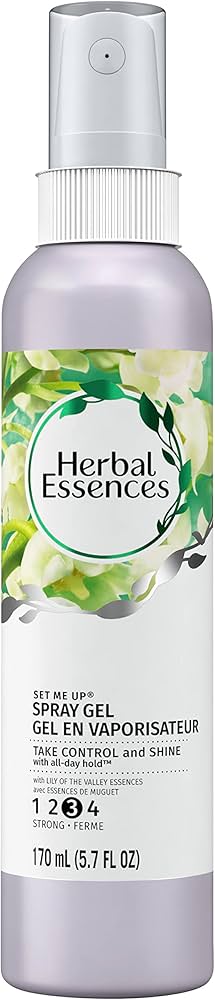
Spray gel is a revolutionary hair styling product that combines the holding power of traditional gel with the easy application of a spray. Unlike conventional gels that can feel sticky and heavy, spray gel delivers a fine mist that distributes evenly through your hair, providing flexible hold without the crunch or residue.
The beauty industry has embraced spray gel as a game-changer for both professional stylists and everyday users. This hybrid product addresses common complaints about traditional styling products—it’s not as stiff as gel, not as light as hairspray, and offers the perfect middle ground for various hairstyles. According to market research, the hair styling products market is projected to reach $31.2 billion by 2027, with spray-based formulations leading the growth.
Spray gel works by creating a protective film around each hair strand when applied. The formula typically contains polymers that provide hold, conditioning agents for moisture, and often includes ingredients like panthenol or proteins to strengthen hair. When you spray it on, the fine mist allows for even distribution, making it easier to style without overloading specific sections.
The Evolution of Hair Styling: From Traditional Gel to Spray Gel
Traditional hair gels have been around since the 1960s, offering strong hold but often leaving hair feeling crunchy and looking shiny or wet. These products required careful application to avoid clumping and could be difficult to distribute evenly. The innovation of spray gel emerged in response to consumer demand for more user-friendly styling solutions.
The development of aerosol and pump spray technologies in the beauty industry made spray gel possible. Manufacturers discovered they could create gel formulations with lighter viscosity that could be atomized into a fine spray without losing their holding properties. This breakthrough happened in the late 1990s and early 2000s, transforming how people approach hair styling.
Modern spray gel products offer several advantages over their predecessors. They dry faster, provide more natural-looking results, and allow for buildable hold—you can apply multiple layers without the product becoming visible or creating that dreaded helmet-head effect. The spray application also means less product waste and more precise targeting of specific areas.
Key Benefits of Using Spray Gel for Hair Styling
Flexibility and Natural Movement
One of the biggest advantages of spray gel is its ability to provide hold while maintaining hair’s natural movement. Unlike traditional gels that can make hair stiff and immovable, spray gel creates a flexible hold that allows your style to move with you throughout the day. This makes it perfect for creating soft waves, textured looks, or adding volume without sacrificing touchability.
Even Distribution and No Residue
The spray application ensures that spray gel distributes evenly throughout your hair. You won’t experience the clumping or white flakes that sometimes occur with traditional gel products. The fine mist coats each strand uniformly, providing consistent hold from root to tip without leaving visible residue.
Versatility Across Hair Types
Spray gel works exceptionally well on various hair types and textures. Whether you have fine, thick, curly, or straight hair, there’s a spray gel formulation designed for your needs. Fine-haired individuals appreciate the lightweight hold that doesn’t weigh down their strands, while those with thick or curly hair benefit from frizz control and definition.
Time-Saving Application
The convenience factor cannot be overstated. Spray gel application takes seconds compared to traditional gel application, which requires working the product through your hair with your hands. This makes it ideal for busy mornings or quick touch-ups throughout the day. Simply spray, style, and go.
Buildable Hold Levels
With spray gel, you control the intensity of hold by adjusting how much product you apply. Want light hold for a casual, tousled look? A few spritzes will do. Need stronger hold for an updo or structured style? Apply more layers until you achieve your desired level of control.
How to Choose the Right Spray Gel for Your Hair
Understanding Hold Strength
Spray gel products come in various hold strengths, typically labeled as light, medium, strong, or maximum hold. Light hold spray gels work best for fine hair or natural styles that require minimal control. Medium hold options suit most everyday styling needs, providing enough control without stiffness. Strong and maximum hold formulas are designed for elaborate styles, updos, or situations where your style needs to last all day.
Considering Hair Type and Texture
Different spray gel formulations cater to specific hair types. For fine or thin hair, look for volumizing spray gels that contain ingredients like hydrolyzed proteins or collagen. These add body without weighing hair down. Thick or coarse hair benefits from smoothing spray gels with ingredients like silicones or natural oils that control frizz and add shine.
Curly hair requires special consideration when selecting spray gel. Look for products specifically designed for curl definition that contain moisturizing ingredients like glycerin, aloe vera, or coconut oil. These formulas help maintain curl pattern while controlling frizz. Avoid spray gels with high alcohol content, as they can dry out curly hair.
Checking Ingredient Lists
Quality spray gel products should contain beneficial ingredients beyond just holding agents. Look for formulations with vitamins like panthenol (vitamin B5) for strengthening, natural extracts for nourishment, and UV protectants to shield hair from sun damage. Avoid products with high concentrations of drying alcohols listed in the first few ingredients.
Specialty Formulations
Many brands now offer specialty spray gel products targeting specific concerns. Heat-protectant spray gels shield hair from styling tools, color-safe formulas preserve dyed hair, and humidity-resistant options combat frizz in damp conditions. Consider your specific needs when selecting a product to maximize benefits.
Step-by-Step Guide: How to Apply Spray Gel Properly
Preparation Is Key
Start with clean, towel-dried hair for best results with spray gel. Your hair should be damp but not dripping wet, as this allows the product to distribute evenly and activate properly. If applying to dry hair, you can lightly mist with water first to help the spray gel work more effectively.
Application Technique
Hold the spray gel bottle 8-10 inches away from your head for optimal coverage. Spray in sections, working from roots to ends for all-over hold, or target specific areas based on your styling needs. For volume at the roots, lift sections of hair and spray directly at the base. For curl definition, scrunch the product into hair as you spray.
Styling Methods
After applying spray gel, style your hair as desired while it’s still damp. You can blow-dry for a polished look, air-dry for natural texture, or use hot tools for more defined styles. The spray gel will set as it dries, locking your style in place. For maximum volume, flip your head upside down while blow-drying with the spray gel applied.
Layering Technique
One advantage of spray gel is the ability to build hold gradually. Apply a light layer first, style, and assess whether you need more hold. Add additional layers as needed, allowing each layer to dry slightly before adding more. This prevents product buildup while giving you precise control over the final result.
Common Application Mistakes to Avoid
Don’t spray spray gel too close to your hair, as this can create wet spots and uneven distribution. Avoid over-applying product in one area—it’s better to start light and add more if needed. Never apply spray gel to soaking wet hair, as the excess water will dilute the formula and reduce its effectiveness.
Spray Gel vs. Other Styling Products: A Comprehensive Comparison
Spray Gel vs. Traditional Hair Gel
Traditional gel and spray gel differ significantly in application and finish. Regular gel requires hand application, which can be messy and time-consuming. It often leaves hair with a wet look and can feel crunchy or stiff. Spray gel, by contrast, applies quickly via spray mechanism, dries faster, and provides a more natural finish with flexible hold.
Spray gel also wins in terms of versatility. While traditional gel works best for slicked-back styles or defined curls, spray gel adapts to various looks from casual to formal. The lighter formula means less risk of flaking and easier ability to restyle throughout the day.
Spray Gel vs. Hairspray
Hairspray and spray gel serve different primary purposes. Hairspray is typically applied as a finishing product to lock in a completed style, providing a light film over the hair’s surface. Spray gel, however, is a styling product that you apply during the styling process to shape, define, and hold hair as you create your look.
Spray gel offers more hold than most hairsprays and works better for creating structure and definition. Hairspray excels at adding shine and providing a final protective layer. Many people use both products together—spray gel for styling and hairspray as a finishing touch.
Spray Gel vs. Mousse
Mousse and spray gel both offer volume and hold, but their textures and applications differ greatly. Mousse comes as a foam that you work through hair with your hands, ideal for creating volume and soft texture. Spray gel applies as a mist, making it more precise and less messy than mousse.
Spray gel generally provides stronger hold than mousse and works better for defined styles. Mousse creates softer, more voluminous looks with bouncy texture. For fine hair needing body, mousse might be preferable, while those seeking more control and definition benefit more from spray gel.
Spray Gel vs. Texturizing Spray
Texturizing sprays create piece-y, tousled looks by adding grit and separation to hair. Spray gel, while it can add texture, primarily focuses on providing hold and control. Texturizing sprays often contain sea salt or other ingredients that create a matte, undone finish.
Use texturizing spray when you want that beachy, effortless look with minimal hold. Choose spray gel when your style requires more structure, frizz control, or needs to last through a long day. Some advanced users combine both products for textured styles with lasting hold.
Professional Styling Techniques Using Spray Gel
Creating Volume and Lift
Professional stylists love spray gel for adding dramatic volume at the roots. The technique involves sectioning hair and spraying directly at the base while lifting each section away from the scalp. As you blow-dry, use a round brush to direct hair upward and outward, allowing the spray gel to set the lifted position.
For all-over volume, flip your head upside down and spray spray gel throughout your hair, focusing on roots and mid-lengths. Scrunch as you spray, then blow-dry while still inverted. When you flip back up, you’ll have impressive body and lift that lasts all day.
Defining Curls and Waves
Spray gel excels at curl definition when applied correctly. On damp, detangled curly hair, spray section by section while scrunching each section upward. This encourages curl formation while the gel sets the pattern. You can air-dry for natural curls or use a diffuser attachment on your blow-dryer for faster results with less frizz.
For creating waves in straight hair, apply spray gel to damp hair, then braid in sections. Allow to dry completely (or use a blow-dryer to speed the process), then unbraid for beautiful, defined waves. The spray gel helps the wave pattern hold throughout the day without requiring heat styling tools.
Slicked-Back and Smooth Styles
Despite its lighter formula, spray gel can create sleek, polished styles. For a slicked-back look, apply spray gel to damp hair, then use a fine-tooth comb to smooth hair back tightly. Blow-dry while continuing to comb for an ultra-smooth finish. The spray gel provides hold without the heavy, greasy appearance of traditional gel.
To tame flyaways and create smooth ponytails or buns, spray spray gel onto a soft-bristle brush or toothbrush, then smooth over problem areas. This technique gives you precise control for polished styles without over-applying product.
Textured and Piecey Looks
For modern, textured styles, apply spray gel to dry hair, focusing on mid-lengths and ends. Use your fingers to twist and separate small sections, creating definition and piece-y texture. The spray gel adds hold while maintaining a touchable, natural appearance.
Spray gel also works beautifully for creating that coveted “messy but intentional” look. Spray lightly throughout dry hair, then use your hands to tousle and create texture. The product adds just enough hold to keep the tousled look intact without appearing overdone.
Top Ingredients to Look for in Quality Spray Gel
Holding Polymers
The backbone of any spray gel formula consists of holding polymers like PVP (polyvinylpyrrolidone), PVP/VA copolymer, or acrylates copolymer. These ingredients create the film that provides hold when the product dries. Look for formulas that balance holding power with flexibility for the most natural-looking results.
Moisturizing Agents
Quality spray gel products include moisturizing ingredients to prevent hair from becoming dry or brittle. Glycerin attracts moisture from the air to keep hair hydrated. Panthenol (pro-vitamin B5) penetrates the hair shaft to strengthen and moisturize from within. Aloe vera provides lightweight hydration while adding shine.
Conditioning Ingredients
Premium spray gel formulations often contain conditioning agents that improve hair texture and manageability. Silicones like dimethicone or cyclomethicone add smoothness and shine while reducing frizz. Natural oils such as argan, jojoba, or coconut oil nourish hair while providing light conditioning benefits.
Proteins and Strengthening Ingredients
Spray gel products with added proteins help strengthen hair over time. Hydrolyzed keratin, wheat protein, and silk amino acids penetrate the hair shaft to repair damage and improve elasticity. These ingredients are particularly beneficial for color-treated or heat-damaged hair.
UV Protectants and Antioxidants
Better spray gel formulas include UV filters to protect hair from sun damage, which can cause fading, dryness, and brittleness. Ingredients like benzophenone-4 or ethylhexyl methoxycinnamate shield hair from harmful rays. Antioxidants such as vitamin E or green tea extract combat free radical damage.
Common Mistakes When Using Spray Gel
Over-Application
The most frequent error with spray gel is using too much product. Because it applies so easily, people often spray more than necessary, resulting in stiff, crunchy hair or visible product buildup. Start with a light application and add more only if needed. Remember, you can always add more, but removing excess is difficult.
Spraying Too Close
Holding the spray gel bottle too close to your hair creates concentrated wet spots rather than even coverage. These spots can look greasy and take longer to dry. Always maintain the recommended 8-10 inch distance for optimal distribution and natural-looking results.
Applying to Wrong Hair Moisture Level
Using spray gel on completely dry hair reduces its effectiveness, as the product needs some moisture to activate properly. Conversely, applying to soaking wet hair dilutes the formula, weakening its holding power. The sweet spot is towel-dried, damp hair for best results.
Not Shaking Before Use
Many spray gel products contain ingredients that settle at the bottom of the bottle. Failing to shake thoroughly before use means you might spray mostly propellant or liquid without the active holding ingredients. Always shake vigorously for 5-10 seconds before each application.
Incompatible Product Combinations
Mixing spray gel with certain other styling products can create undesirable results. Combining oil-based products with spray gel may prevent proper hold, while using multiple holding products can create excessive stiffness. Be strategic about product layering and test combinations before important events.
Spray Gel for Different Hair Concerns and Solutions
Fighting Frizz and Humidity
Spray gel serves as an excellent anti-frizz solution for humid climates. The protective film it creates around each hair strand helps seal the cuticle, preventing moisture from penetrating and causing frizz. Look for spray gels specifically formulated with humidity-resistant polymers and smoothing ingredients.
To maximize frizz control, apply spray gel to damp hair before styling, focusing on areas prone to frizz. The product creates a barrier that maintains smoothness even in challenging weather conditions. Reapply lightly to dry hair throughout the day for touch-ups.
Adding Volume to Fine Hair
Fine-haired individuals benefit tremendously from spray gel because it adds body without weight. Choose volumizing formulas that contain lifting polymers and proteins. Apply to roots while lifting hair away from the scalp, then blow-dry using a round brush for maximum lift and staying power.
Spray gel also helps fine hair hold styles longer. The lightweight hold keeps volume intact throughout the day without the heavy, flat feeling that traditional styling products can create. Layer multiple light applications rather than one heavy coat for best results.
Controlling Unruly Thick Hair
Thick, coarse hair can be challenging to manage, but spray gel helps tame unruliness while maintaining natural movement. Look for smoothing formulas with higher hold strength designed for thick textures. These products contain ingredients that penetrate dense hair to provide control without requiring excessive product.
For thick hair, section your hair and apply spray gel systematically to ensure every layer receives adequate coverage. Focus on areas that tend to poof or frizz, and don’t be afraid to use more product than you would on fine hair—thick hair can handle and requires more product.
Enhancing Natural Curl Pattern
Curly-haired individuals find spray gel invaluable for defining curls while maintaining moisture. The spray application distributes product evenly without disrupting curl formation, unlike gels that require scrunching and manipulation. Choose curl-specific spray gels with moisturizing ingredients to prevent the dryness that plagues many curl products.
Apply spray gel to soaking wet hair in sections, using a praying hands method or scrunching motion. As hair dries, the curls will maintain their shape with bounce and definition. Once completely dry, scrunch out any crunch to reveal soft, defined curls.
Color-Treated Hair Protection
Color-treated hair requires special care, and spray gel products designed for colored hair include UV filters and color-safe formulas that won’t strip or fade your dye. These formulations typically avoid harsh sulfates and include nourishing ingredients that help maintain hair health.
Spray gel can actually help protect color by creating a barrier against environmental factors that cause fading. Apply before sun exposure or swimming to add an extra layer of protection. Choose alcohol-free formulas to prevent the drying effect that can make colored hair look dull.
DIY Spray Gel: Can You Make It at Home?
Basic Homemade Spray Gel Recipe
While commercial spray gel products undergo extensive testing and formulation, you can create a basic version at home. Mix 1 tablespoon of flaxseed gel or aloe vera gel with 1 cup of water and a few drops of your favorite essential oil. Pour into a spray bottle and shake well before each use.
This homemade spray gel alternative provides light hold and works best for natural styles. It won’t match the performance of commercial products, which use scientifically formulated polymers, but offers a natural option for those avoiding synthetic ingredients. Store in the refrigerator and use within one week.
Limitations of Homemade Versions
DIY spray gel lacks the sophisticated polymer technology that gives commercial products their holding power, longevity, and weather resistance. Homemade versions may separate quickly, require frequent shaking, and offer minimal hold compared to store-bought options. They also lack preservatives, meaning shorter shelf life and potential bacterial growth.
The spray mechanism presents another challenge—homemade spray gel may clog spray bottles due to inconsistent texture. Natural ingredients also vary in quality and effectiveness, making results unpredictable. For important events or consistent performance, commercial spray gel remains the better choice.
The Best Times and Situations to Use Spray Gel
Daily Styling and Work Environments
Spray gel works perfectly for professional settings where you need a polished appearance that lasts all day. Its ability to control frizz and maintain styles makes it ideal for office environments, especially those with air conditioning that can dry out hair and create static.
Morning styling with spray gel creates looks that transition seamlessly from work to evening events. The flexible hold means your hair won’t look dated or stiff by day’s end, and you can easily refresh your style with a quick finger-comb and light additional spray.
Special Events and Photography
For weddings, photo shoots, or important events, spray gel helps create styles that photograph beautifully without the shine or stiffness of traditional gel. The natural-looking hold maintains styles through hours of celebration, dancing, and various lighting conditions.
Professional photographers and hairstylists often choose spray gel for its ability to control flyaways without creating the “wet” look that reflects camera flash. The product also resists humidity better than hairspray alone, keeping styles intact during outdoor ceremonies or events.
Athletic Activities and Active Lifestyles
Spray gel excels for active individuals who need their hairstyle to stay put during workouts, sports, or outdoor activities. It provides sweat-resistant hold that keeps hair out of your face without the heavy, greasy feeling of traditional gel. Choose sport-specific formulas for maximum staying power.
After applying spray gel before a workout, your style will maintain its shape better than with hairspray alone. The product’s flexibility prevents breakage that can occur with too-stiff styling products during physical activity. Post-workout, you can refresh with dry shampoo and additional spray gel without needing to completely restyle.
Travel and On-the-Go Touch-Ups
The portability and ease of use make spray gel perfect for travel. TSA-approved sizes fit easily in carry-on luggage, and the spray application means no need for mirrors or extensive styling tools. Quick touch-ups in airplane bathrooms or hotel rooms maintain your style throughout your journey.
Spray gel also combats the effects of different climates when traveling. Moving from dry to humid environments can wreak havoc on hair, but a quick spray gel application helps adapt your style to new conditions. Keep a travel-size bottle in your bag for unexpected weather changes or last-minute plans.
Spray Gel in Professional Salon Settings
Why Stylists Prefer Spray Gel
Professional hairstylists have embraced spray gel because it streamlines their workflow while delivering consistent results. The spray application saves time when working with multiple clients, and the predictable hold ensures styles last until clients return home. Many salons now stock several spray gel varieties to address different hair types and styling needs.
Spray gel also reduces product waste in salon settings. The controlled spray application means stylists use exactly the amount needed without excess product on their hands. This efficiency translates to cost savings and less time spent between clients washing product residue off their hands.
Professional Application Techniques
Salon professionals use spray gel differently than home users, employing advanced techniques for superior results. They often apply product in thin, strategic layers rather than all at once, allowing each layer to activate before adding more. This builds hold gradually while maintaining hair’s natural texture.
Professional stylists combine spray gel with heat styling tools expertly. They spray sections immediately before using flat irons or curling irons, allowing the heat to set the product for extra-long-lasting styles. This technique requires practice to avoid product buildup on styling tools.
Educating Clients on At-Home Use
Salons increasingly educate clients on proper spray gel use for maintaining styles between appointments. Stylists demonstrate application techniques, recommend specific products for individual hair types, and provide tips for refreshing salon styles at home. This education improves client satisfaction and product sales.
Many salons offer spray gel as part of their retail product lines, recognizing that clients want to recreate professional results independently. Stylists can recommend the exact products used during appointments, making it easier for clients to maintain their looks with confidence.
Environmental and Health Considerations with Spray Gel
Aerosol vs. Non-Aerosol Options
Spray gel comes in both aerosol and pump spray formats, each with environmental implications. Aerosol sprays provide finer mist and more even distribution but traditionally used propellants harmful to the ozone layer. Modern aerosol spray gels use safer propellants, but some consumers still prefer non-aerosol options.
Non-aerosol spray gel products use manual pump mechanisms, eliminating propellant concerns entirely. These options appeal to environmentally conscious consumers, though the spray pattern may be less fine than aerosol versions. The trade-off between environmental impact and performance depends on individual priorities.
Ingredient Safety and Concerns
Most spray gel products contain synthetic ingredients that some users prefer to avoid. Common concerns include parabens (preservatives), phthalates (fragrance components), and certain alcohols that can dry hair. Many brands now offer “clean” formulations free from controversial ingredients, though these may sacrifice some performance.
Reading spray gel labels helps identify potentially problematic ingredients. Look for products free from sulfates, parabens, and synthetic fragrances if you have sensitivities. Natural and organic spray gel options exist, though they typically provide lighter hold than conventional formulas.
Packaging and Sustainability
The beauty industry faces increasing pressure to adopt sustainable packaging, and spray gel manufacturers are responding. Some brands now use recycled plastics, refillable containers, or aluminum bottles that are more easily recycled than traditional plastic packaging.
When choosing spray gel, consider packaging that aligns with your environmental values. Larger bottles create less waste per use than smaller travel sizes, though they require more storage space. Some forward-thinking brands offer refill programs, allowing you to reuse bottles while reducing plastic waste.
How to Remove and Wash Out Spray Gel
Daily Cleansing Techniques
Removing spray gel shouldn’t require special procedures if you’ve used an appropriate amount. Standard shampooing typically removes the product completely, though you may want to focus on areas where you applied the most product. Massage shampoo thoroughly through your hair, especially at the roots, to break down product buildup.
For those who used heavy spray gel application or strong-hold formulas, a double shampoo ensures complete removal. The first shampoo breaks down the product, while the second cleanses your hair and scalp thoroughly. Follow with conditioner on mid-lengths and ends to restore moisture.
Dealing with Buildup
Using spray gel daily can lead to product buildup over time, making hair feel heavy, look dull, or become difficult to style. Incorporating a clarifying shampoo into your routine once or twice monthly helps remove accumulated residue. These deep-cleansing shampoos strip away product buildup that regular shampoo might miss.
If you notice spray gel buildup between clarifying treatments, an apple cider vinegar rinse can help. Mix one part apple cider vinegar with two parts water, apply to hair after shampooing, leave for 2-3 minutes, then rinse thoroughly. This natural solution removes buildup while restoring hair’s pH balance.
Co-Washing and Spray Gel
Those who follow co-washing routines (cleansing with conditioner instead of shampoo) may find spray gel requires occasional traditional shampooing for complete removal. While co-washing works for natural sebum, it often can’t break down styling product polymers effectively.
If you co-wash regularly but use spray gel, incorporate a gentle sulfate-free shampoo at least once weekly. This hybrid approach maintains moisture while preventing buildup. Alternatively, choose lighter spray gel formulas that co-washing can remove more easily.
The Future of Spray Gel Technology
Emerging Formulation Innovations
The spray gel market continues evolving with cutting-edge formulations. New polymer technologies create even more flexible holds that move with hair while maintaining style integrity. Some brands experiment with time-release formulas that adjust hold strength throughout the day based on environmental conditions.
Smart spray gel products incorporating responsive ingredients represent the next frontier. These formulas might strengthen hold in humid conditions automatically or release conditioning agents when hair becomes dry. Such innovations could eliminate the need for multiple specialty products.
Sustainable and Clean Formulations
Consumer demand for eco-friendly products drives spray gel innovation toward sustainable ingredients and packaging. Brands invest in biodegradable polymers derived from plants rather than petroleum, creating products that perform well while minimizing environmental impact.
Future spray gel products will likely emphasize multifunctionality, combining styling with treatments like heat protection, color preservation, or damage repair. This consolidation reduces the number of products consumers need while simplifying styling routines.
Customization and Personalization
The trend toward personalized beauty products will influence spray gel development. Some companies already offer custom formulations based on hair analysis, climate, and styling preferences. As this technology becomes more accessible, consumers may create bespoke spray gel products tailored precisely to their needs.
AI-powered apps might soon recommend specific spray gel products and application techniques based on photos of your hair, your location’s weather patterns, and your styling goals. This personalization ensures optimal results while reducing trial-and-error product purchases.
Spray Gel Price Points and Value Comparison
Budget-Friendly Options
Spray gel products range dramatically in price, with drugstore options available for $5-10. These budget formulas provide basic hold and work well for everyday styling needs. Brands like TRESemmé, Aussie, and Garnier offer affordable spray gels that deliver decent performance without breaking the bank.
While budget spray gel products may lack premium ingredients or sophisticated formulations, they adequately serve casual users or those new to spray gel. The lower price point allows experimentation to determine whether spray gel fits your styling routine before investing in pricier options.
Mid-Range Products
Mid-priced spray gel options ($12-25) often provide the best value, balancing performance with affordability. These products typically contain better ingredients, offer more hold options, and include beneficial additions like UV protection or moisturizing agents. Brands such as Redken, Paul Mitchell, and Kenra occupy this sweet spot.
These mid-tier spray gel products often match or exceed the performance of luxury options while remaining accessible to most consumers. They’re popular in salons and among styling enthusiasts who want professional results without premium prices.
Luxury and Professional-Grade Products
High-end spray gel products ($25-50+) feature premium ingredients, sophisticated formulations, and often provide the strongest, longest-lasting hold. Luxury brands like Oribe, Bumble and bumble, and Kérastase create spray gels with exceptional performance and sensory experience—pleasant fragrances, refined textures, and elegant packaging.
Professional spray gel products justify their cost through concentrated formulas requiring less product per use, superior hold that lasts longer, and specialized formulations for specific hair concerns. For those who style their hair daily or need reliable performance for important occasions, the investment often proves worthwhile.
Calculating Cost Per Use
When evaluating spray gel prices, consider cost per use rather than just bottle price. A $30 product that lasts six months costs just $5 monthly, while a $10 product lasting one month becomes more expensive over time. High-quality spray gels often require less product per application, extending their lifespan.
Track how long each spray gel bottle lasts and calculate your actual monthly spending. This analysis helps identify the best value for your specific usage patterns. Sometimes paying more upfront for a concentrated, long-lasting product saves money compared to frequently replacing cheaper alternatives.
Troubleshooting Common Spray Gel Problems
Flaking and White Residue
If spray gel creates flakes or white residue, you’re likely using too much product or applying it to hair that’s too dry. Reduce the amount you use and ensure hair is damp when applying. If flaking persists, switch to a different formula—some ingredients react poorly with specific hair types.
Product interaction can also cause spray gel flaking. Using incompatible styling products together creates chemical reactions that produce visible residue. Simplify your routine, using spray gel as your primary styling product, adding others only if necessary and testing compatibility carefully.
Crunchy or Stiff Hair
Spray gel shouldn’t make hair crunchy if used correctly. Crunchiness usually indicates over-application or using a formula with too much hold for your needs. Switch to a lighter hold option and apply less product. For curly hair, “scrunch out the crunch” once hair is completely dry by gently scrunching sections.
If your spray gel consistently leaves hair stiff, the formula may not suit your hair type. Fine hair particularly struggles with heavy formulations. Experiment with different brands and hold levels until you find one that provides control without stiffness.
Lack of Hold
When spray gel doesn’t provide adequate hold, several factors might be responsible. You may need a stronger formula, more product, or better application technique. Ensure you’re applying to damp hair and allowing it to dry completely before assessing hold. Adding heat while styling helps set the product for stronger hold.
Environmental factors affect spray gel performance too. High humidity can weaken hold from standard formulas—switch to humidity-resistant versions for challenging weather. Extremely fine or slippery hair may need specialty formulas designed specifically for your texture.
Greasy or Heavy Appearance
If spray gel makes your hair look greasy, you’re either using too much product or choosing a formula too heavy for your hair type. Fine hair should stick to lightweight, volumizing spray gels specifically designed for thin textures. Apply product sparingly, focusing on areas that need control rather than coating all hair.
Ensure you’re holding the spray gel bottle at proper distance—spraying too close creates concentrated product deposits that appear wet or greasy. Allow adequate drying time between layers when building hold, and avoid touching hair repeatedly while product sets, as this can distribute oils and create a greasy look.
Spray Nozzle Clogs
Clogged spray nozzles are common frustrations with spray gel. Product residue builds up around the nozzle opening, affecting spray pattern or preventing spraying entirely. Clean nozzles regularly by removing them and rinsing under hot water, using a pin to clear any dried product from the opening.
Prevent spray gel nozzle clogs by wiping the spray tip after each use and storing bottles upright. Some users turn bottles upside down and spray briefly into a sink after use, clearing residual product from the mechanism. If a nozzle becomes unusable, many fit standard spray bottle replacements available at beauty supply stores.
Combining Spray Gel with Other Styling Tools and Products
Spray Gel and Heat Styling Tools
Spray gel works exceptionally well with heat styling tools when used correctly. Apply product to damp hair before blow-drying to lock in your style as it dries. For flat ironing or curling, spray small sections immediately before applying heat—this sets the style more permanently, though use heat protectant products first to prevent damage.
The combination of spray gel and heat creates longer-lasting styles than either method alone. The heat helps polymerize the holding agents in the gel, creating stronger bonds that resist humidity and movement. Professional stylists use this technique for editorial shoots and special events requiring all-day style retention.
Layering with Mousses and Creams
Spray gel can be layered with other styling products for enhanced results, though strategic application order matters. Apply heavier products like mousses or styling creams to damp hair first, style, then finish with spray gel for additional hold. This sequence prevents the spray gel from creating a barrier that blocks other products.
When combining spray gel with styling creams, use lightweight, non-greasy formulas to prevent buildup. The spray gel provides hold while the cream adds moisture and smoothness. This combination works particularly well for curly hair needing both definition and hydration.
Finishing with Hairspray
Many people use both spray gel and hairspray in their styling routine, each serving a distinct purpose. Apply spray gel during the styling process to create and hold your shape, then finish with hairspray for added protection and shine. This two-product approach provides superior hold compared to using either product alone.
Choose hairspray and spray gel from compatible product lines when possible, as brands formulate their products to work together. Using products from the same line reduces risk of incompatibility or undesirable chemical reactions between formulas.
Using with Spray Gun for Latex Paint
While this article focuses on hair styling, it’s worth noting that spray application technology spans many industries. The precision and even distribution that makes spray gel effective for hair styling shares principles with tools like spray guns for latex paint. Both require proper distance, technique, and understanding of spray patterns for optimal results.
Frequently Asked Questions About Spray Gel
What is spray gel and how does it differ from regular gel?
Spray gel is a styling product that combines gel’s holding power with spray application for easier, more even distribution. Unlike traditional gel that requires hand application and can feel heavy or sticky, spray gel provides a fine mist that coats hair evenly without clumping. It dries faster, offers more flexible hold, and creates natural-looking styles without the crunchy texture or wet appearance of conventional gel products.
Can spray gel damage your hair?
Quality spray gel products generally don’t damage hair when used as directed. However, formulas high in drying alcohols can cause dryness over time, especially on already damaged or color-treated hair. Choose spray gels with moisturizing ingredients and avoid over-applying product. Always cleanse hair thoroughly to prevent buildup, which can weaken hair and make it more prone to breakage.
How much spray gel should I use?
The amount of spray gel needed depends on your hair length, thickness, and desired hold level. Start with 3-5 light sprays for short hair, 8-10 for medium length, and 12-15 for long hair. Fine hair requires less product than thick hair. Apply in thin layers, allowing each to dry slightly before adding more. You can always add more product, but removing excess is difficult.
Is spray gel good for curly hair?
Spray gel works excellently for curly hair when you choose formulations designed for curls. Look for moisturizing spray gels that define curls without creating stiffness or dryness. Apply to soaking wet hair in sections, scrunching as you spray. Many curly-haired people prefer spray gel over traditional gel because the spray application doesn’t disrupt curl formation or require excessive manipulation.
Can you use spray gel on dry hair?
While spray gel works best on damp hair, you can apply it to dry hair for touch-ups or adding extra hold. Lightly mist dry hair to help the product distribute more evenly, or spray directly onto a brush and comb through for smoothing flyaways. Results on dry hair typically provide less hold than application to damp hair, as the product doesn’t activate as fully.
How long does spray gel hold last?
Spray gel hold duration varies based on formula strength, hair type, application amount, and environmental conditions. Light hold formulas typically maintain styles for 4-6 hours, medium hold for 8-12 hours, and strong hold can last 24+ hours. Humidity, wind, and physical activity reduce hold longevity. Reapply throughout the day for touch-ups if needed, or layer with hairspray for extended hold.
Will spray gel make my hair look greasy?
Properly applied spray gel shouldn’t make hair look greasy. Greasy appearance results from using too much product, choosing a formula too heavy for your hair type, or spraying too close to your head. Fine hair needs lightweight spray gel formulas, while thick hair can handle heavier products. Always spray from 8-10 inches away and start with less product than you think you need.
Can spray gel cause buildup on hair?
Like all styling products, spray gel can create buildup if not washed out properly. Buildup makes hair feel heavy, look dull, or become difficult to style. Prevent buildup by shampooing regularly and using a clarifying shampoo once or twice monthly. Avoid using excessive amounts of product, and ensure you’re thoroughly cleansing areas where you apply the most spray gel.
Is spray gel safe for color-treated hair?
Many spray gel products are formulated specifically for color-treated hair, containing UV protection and color-safe ingredients. These formulas avoid harsh sulfates and include nourishing ingredients that help maintain vibrancy. Choose spray gels labeled “color-safe” or “for colored hair” and avoid formulas with high alcohol content, which can strip color and cause fading faster.
Where can I buy quality spray gel?
Quality spray gel is available at drugstores, beauty supply stores, salons, and online retailers. Drugstores carry budget-friendly options from brands like TRESemmé and Garnier. Beauty supply stores like Ulta and Sally Beauty offer mid-range and professional products. High-end department stores and salon websites stock luxury spray gel brands. Shopping at reputable retailers ensures authentic products and good return policies.
Ready to Transform Your Hair Styling Routine?
Now that you understand everything about spray gel, it’s time to experience the difference this versatile product can make. Whether you’re fighting frizz, adding volume, or creating defined curls, spray gel offers a solution that traditional styling products can’t match. Visit your local beauty retailer or check online to find the perfect spray gel for your hair type and styling needs. Start with a mid-range option to experience quality performance without premium pricing, and don’t be afraid to experiment with different brands and hold levels until you discover your ideal match. Your best hair days are waiting—grab a bottle of spray gel and see the transformation for yourself!
Sources and Citations:
- Market research data from Grand View Research: Hair Care Products Market Analysis
- Hair styling techniques information from professional cosmetology resources and salon industry publications
- Ingredient information from cosmetic chemistry databases and beauty industry formulation guides