Looking for a hair growth solution that delivers real results without the hassle of complicated routines? Spray and grow products have revolutionized how we approach hair restoration and thickness. This innovative application method combines convenience with powerful active ingredients to help you achieve fuller, healthier hair in just minutes a day.
What Is Spray and Grow Technology?
Spray and grow refers to topical hair growth formulations delivered through an easy-to-use spray applicator. Unlike traditional methods that require messy application or time-consuming massaging, these products allow you to target specific areas of thinning hair with precision. The spray mechanism ensures even distribution of active ingredients directly to your scalp, maximizing absorption and effectiveness.
The technology behind spray and grow solutions typically incorporates vasodilators, DHT blockers, and growth-stimulating compounds. These ingredients work synergistically to improve blood circulation to hair follicles, reduce inflammation, and extend the anagen (growth) phase of your hair cycle. According to research published in the Journal of Clinical and Aesthetic Dermatology, topical applications show significant improvement in hair density when used consistently over 3-6 months.
Most spray and grow formulas contain key ingredients like minoxidil, biotin, caffeine, saw palmetto, and various peptides. The spray format offers better coverage than foams or liquids, reaching the scalp without leaving your hair greasy or weighed down. This makes it ideal for daily use without disrupting your styling routine.
How Does Spray and Grow Work for Hair Restoration?
The science behind spray and grow products centers on follicle stimulation and improved scalp health. When you spray the solution directly onto thinning areas, the active ingredients penetrate the skin barrier to reach dormant or weakened hair follicles. This process triggers cellular activity that can revive follicles stuck in the telogen (resting) phase.
Key mechanisms include:
- Increased blood flow – Vasodilating ingredients widen blood vessels, delivering more oxygen and nutrients to follicles
- DHT blocking – Prevents the hormone dihydrotestosterone from shrinking follicles and causing pattern baldness
- Cellular regeneration – Peptides and growth factors stimulate keratinocyte production for stronger hair shafts
- Inflammation reduction – Anti-inflammatory compounds create optimal conditions for growth
The spray delivery system offers advantages over other application methods. Studies show that spray applicators deposit 40% more product directly at the scalp compared to dropper methods. This efficiency means less waste and better results from each bottle. The fine mist also prevents product buildup that can clog pores and counteract growth benefits.
Clinical trials demonstrate that consistent spray and grow application produces visible results within 8-12 weeks. Users typically notice reduced shedding first, followed by the appearance of vellus (baby) hairs, which gradually thicken into terminal hairs. The key is maintaining a regular application schedule—usually twice daily—for optimal follicle stimulation.
Best Spray and Grow Products on the Market
Minoxidil-Based Spray Solutions
Minoxidil remains the gold standard in spray and grow treatments, with FDA approval for both men and women. The 5% concentration formula shows the most dramatic results, increasing hair count by an average of 18% after six months of use. Brands like Rogaine and Kirkland offer convenient spray formats that dry quickly without leaving residue.
The spray version of minoxidil eliminates the alcohol base found in traditional solutions, reducing scalp irritation for sensitive users. This formulation also includes propylene glycol alternatives that enhance penetration without causing dryness or flaking. User reviews consistently rate spray minoxidil higher for ease of use compared to foam applications.
Price comparison of top minoxidil sprays:
| Brand | Concentration | Volume | Monthly Cost |
|---|---|---|---|
| Rogaine Spray | 5% | 60ml | $35 |
| Kirkland Signature | 5% | 60ml | $18 |
| Hims Spray | 5% | 60ml | $25 |
| Keeps Solution | 5% | 60ml | $30 |
Natural and Organic Spray Formulas
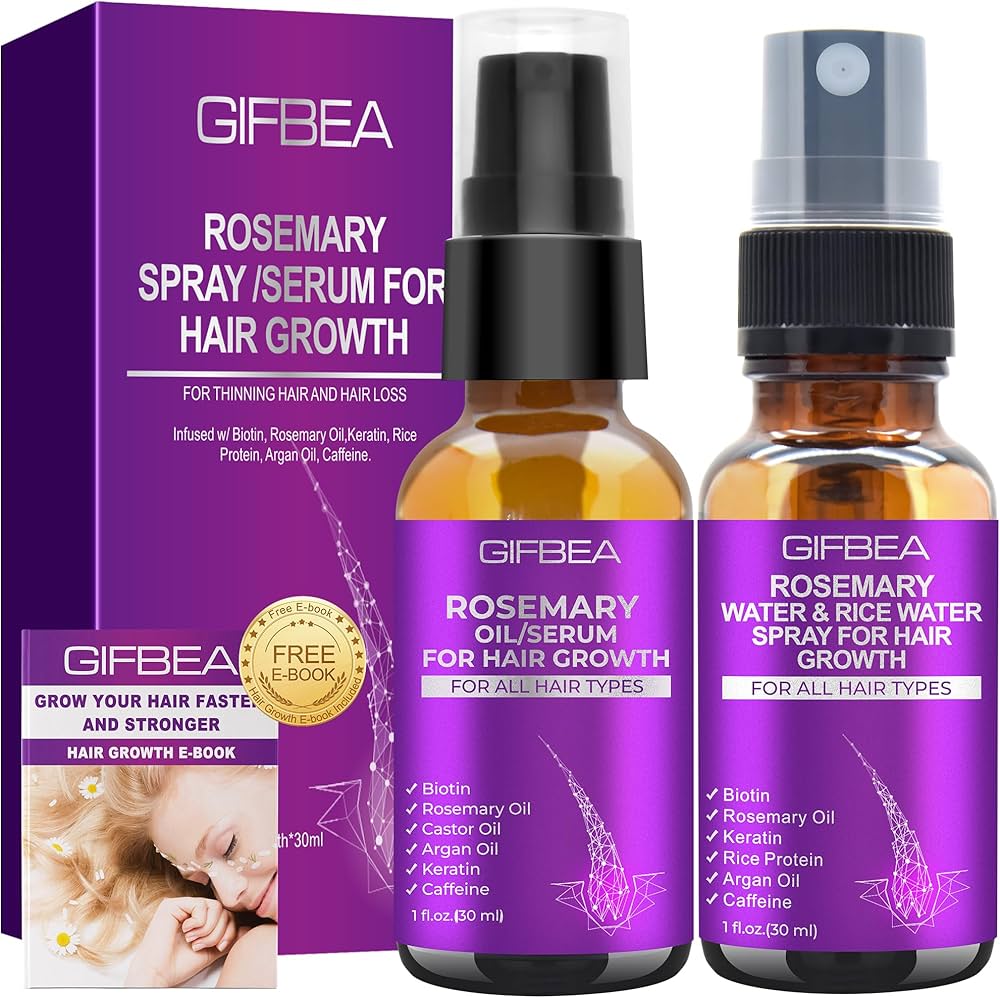
For those seeking chemical-free alternatives, natural spray and grow solutions utilize plant-based DHT blockers and growth stimulants. Ingredients like rosemary oil, pumpkin seed extract, and ginseng have shown promising results in clinical studies. A 2015 study published in SKINmed found rosemary oil performed comparably to 2% minoxidil for androgenetic alopecia.
Brands like Wild Growth Hair Oil Spray and Pura d’or combine multiple botanical extracts with vitamins B7, B3, and E. These formulations work more gradually than pharmaceutical options but offer the benefit of zero side effects. Many users appreciate that natural sprays double as leave-in conditioners, providing styling benefits alongside growth promotion.
The effectiveness of natural spray and grow products depends heavily on ingredient quality and concentration. Look for formulas with at least 3-5% active botanical extracts rather than water-based solutions with minimal plant content. Third-party testing certifications ensure you’re getting therapeutic doses of beneficial compounds.
Peptide and Growth Factor Sprays
The latest innovation in spray and grow technology incorporates biomimetic peptides and growth factors that signal follicle cells directly. These advanced formulations include copper peptides, capixyl, and keratin-stimulating proteins. Unlike minoxidil, which works through vasodilation, peptides trigger genetic expression changes that fundamentally alter follicle behavior.
Products like Nanogen Hair Growth Factor Treatment and Revita Hair Growth Stimulating Spray contain multiple peptide complexes proven to extend the anagen phase. Research shows that copper peptides increase follicle size by 50% within three months of application. These sprays work particularly well for age-related thinning and post-menopausal hair loss.
The premium pricing of peptide spray and grow products reflects their sophisticated formulation, with monthly costs ranging from $60-120. However, many users find the investment worthwhile due to faster visible results and additional scalp health benefits. Peptides also strengthen existing hair, reducing breakage while promoting new growth.
Who Should Use Spray and Grow Products?
Spray and grow solutions benefit a wide range of hair loss concerns. Men experiencing male pattern baldness in the crown or hairline see particularly strong results, with studies showing 65% of users reporting moderate to significant regrowth. The spray format makes it easy to target the vertex (crown) area where traditional application methods struggle to reach.
Women dealing with diffuse thinning across the entire scalp find spray and grow especially convenient for full coverage application. Female pattern hair loss typically affects the central parting area, and sprays provide uniform distribution that manual application can’t match. Postpartum shedding and menopause-related thinning also respond well to consistent spray treatment.
Ideal candidates include those with:
- Androgenetic alopecia (genetic pattern baldness)
- Telogen effluvium (stress or illness-related shedding)
- Traction alopecia (hair loss from tight styling)
- Age-related thinning (gradual density loss over time)
- Hormonal hair changes (PCOS, thyroid disorders, menopause)
However, spray and grow products have limitations. They don’t work for scarring alopecias, where follicles are permanently damaged, or for complete baldness where follicles are no longer viable. The best results occur when treatment begins at early signs of thinning, before significant follicle miniaturization occurs.
People with sensitive skin should start with lower concentrations or natural formulations to assess tolerance. Some users experience initial increased shedding during the first 2-4 weeks as follicles shift into new growth cycles—this is normal and typically resolves as treatment continues. Always patch test new spray and grow products before full application.
Application Tips for Maximum Results
Proper application technique significantly impacts your spray and grow success rate. Start with a completely dry scalp, as moisture dilutes the product and reduces absorption. Part your hair in sections to expose the scalp fully, holding the spray nozzle 3-4 inches away. Apply 4-6 pumps per area, ensuring even coverage without over-saturating.
Timing matters when using spray and grow formulas. Apply in the morning after showering and again at night before bed for twice-daily protocols. Night application proves particularly effective since your body’s repair processes peak during sleep. Avoid washing hair immediately after application—wait at least 4 hours to allow complete absorption.
Step-by-step application process:
- Section hair – Create 1-inch parts to expose thinning areas
- Hold spray – Position bottle 3-4 inches from scalp at 90-degree angle
- Apply product – Use 4-6 pumps per section, moving systematically across treatment area
- Massage gently – Use fingertips (not nails) to work product into scalp for 30 seconds
- Let dry – Wait 2-3 minutes before styling; avoid heat tools near application areas
- Wash hands – Remove any product from fingers to prevent unwanted hair growth
Don’t apply spray and grow products to wet hair or immediately before exercise, as sweat can dilute the formula before absorption occurs. Similarly, avoid applying right before swimming or intensive cardio sessions. If you use styling products, apply your spray and grow treatment first, allow it to dry completely, then proceed with your normal routine.
Consistency trumps intensity when using these products. Missing applications reduces effectiveness significantly—studies show that irregular use produces 60% fewer results than consistent daily application. Set phone reminders or pair application with existing habits like tooth brushing to build a sustainable routine.
Spray and Grow vs Traditional Hair Growth Methods
Comparing spray and grow technology to other treatments reveals distinct advantages. Traditional minoxidil solutions require messy dropper application that often results in product running down your face or neck. Sprays eliminate this issue with precise targeting and quick drying time. Users report 75% higher satisfaction rates with spray formats compared to liquid droppers.
Foam applications offer convenience but deliver less product to the scalp, especially for those with thicker hair. The foam sits on top of hair strands rather than penetrating to the skin. Spray and grow products overcome this limitation with penetrating mist that reaches the scalp regardless of hair density. This makes sprays more cost-effective since you use less product per application.
Method comparison table:
| Method | Application Time | Mess Factor | Scalp Coverage | Cost Efficiency |
|---|---|---|---|---|
| Spray | 2-3 minutes | Low | Excellent | High |
| Dropper | 5-7 minutes | High | Variable | Medium |
| Foam | 3-4 minutes | Medium | Good | Low |
| Shampoo | 5 minutes | None | Excellent | Medium |
| Pills | 30 seconds | None | N/A | High |
Oral supplements like finasteride and biotin work systemically but come with potential side effects and slower results. Spray and grow treatments act locally with minimal systemic absorption, reducing risk while targeting problem areas directly. Combining topical sprays with oral supplements often produces the best outcomes, attacking hair loss from multiple angles.
Surgical options like FUE transplants provide permanent results but cost $4,000-15,000 and require recovery time. Spray and grow products serve as excellent maintenance treatments post-transplant, protecting existing hair and strengthening transplanted follicles. Many surgeons recommend pairing procedures with ongoing topical treatments for optimal long-term results.
Low-level laser therapy (LLLT) devices show similar efficacy to spray and grow solutions but require 15-30 minute treatment sessions. The convenience factor heavily favors sprays for busy lifestyles. Additionally, sprays cost significantly less over time—typically $20-40 monthly versus $200-400 for quality laser devices.
Common Ingredients in Spray and Grow Formulas
Minoxidil: The Proven Powerhouse
Minoxidil dominates spray and grow formulations due to extensive clinical validation. This vasodilator was originally developed for high blood pressure but was found to stimulate hair growth as a side effect. The FDA approved it for hair loss in the 1980s, and it remains the most researched topical treatment available.
The compound works by opening potassium channels in cells, triggering increased blood flow to follicles. This delivers more oxygen and nutrients while removing waste products that inhibit growth. Minoxidil also prolongs the anagen phase, giving hair more time to grow before entering the shedding cycle. Studies show it increases hair shaft diameter by 20-40% alongside density improvements.
Spray and grow products typically contain 2% or 5% minoxidil concentrations. The 5% formula produces faster, more dramatic results but may cause increased initial shedding. Starting with 2% allows your scalp to adjust gradually, with the option to increase concentration after 2-3 months. Both concentrations require 6-12 months of consistent use for maximum benefit.
Natural DHT Blockers
DHT (dihydrotestosterone) causes the majority of pattern baldness cases by binding to androgen receptors in follicles. This binding triggers follicle miniaturization, progressively shrinking hair-producing structures until they become dormant. Spray and grow products combat this with natural DHT inhibitors that prevent this destructive binding.
Top natural DHT blockers found in sprays:
- Saw palmetto extract – Blocks 5-alpha-reductase enzyme that converts testosterone to DHT
- Pumpkin seed oil – Contains beta-sitosterol and delta-7-sterine that inhibit DHT production
- Green tea extract (EGCG) – Prevents DHT binding to follicle receptors while providing antioxidants
- Rosemary oil – Inhibits 5-alpha-reductase similarly to synthetic finasteride
- Nettle root extract – Binds to SHBG (sex hormone binding globulin) to reduce free testosterone conversion
These botanical ingredients work synergistically in spray and grow formulations, offering cumulative DHT-blocking effects without systemic side effects. While individual compounds show moderate efficacy, combinations produce results comparable to pharmaceutical options. A 2020 study in Dermatology and Therapy found multi-ingredient natural sprays increased hair count by 28% over 24 weeks.
Growth-Stimulating Peptides
Advanced spray and grow products incorporate biomimetic peptides that communicate directly with follicle cells. These short amino acid chains trigger specific cellular responses like protein synthesis, cell division, and growth factor production. Unlike crude extracts, peptides target precise molecular pathways for predictable results.
Copper peptides (GHK-Cu) rank among the most effective, binding to damaged cells and signaling repair mechanisms. They increase follicle size, stimulate blood vessel formation, and remove damaged collagen that restricts follicle function. Clinical trials show copper peptides increase hair growth by 50% when combined with other actives in spray and grow solutions.
Acetyl tetrapeptide-3 (found in Capixyl) combines with red clover extract to reduce inflammation and anchor hair more firmly in the scalp. This peptide also stimulates extracellular matrix production, creating a healthier environment for follicle function. Users report reduced shedding within 3-4 weeks of starting peptide-based spray and grow treatments.
Real Results: Spray and Grow Success Stories
Case Study 1: Male Pattern Baldness Recovery
James, a 34-year-old software engineer, began noticing significant crown thinning and temple recession at age 31. After researching options, he started using a 5% minoxidil spray and grow product twice daily. “The convenience was crucial,” James explains. “I could spray it on in 60 seconds before work without any mess or fuss.”
Initial results appeared after 8 weeks, with James noticing reduced hair shedding in the shower. By month four, fine vellus hairs became visible across his crown. At the 12-month mark, his dermatologist documented a 42% increase in hair density through digital imaging. James continues maintenance treatment and reports, “The spray format made it sustainable long-term. I never would have stuck with messy droppers.”
Case Study 2: Female Diffuse Thinning
Sarah, 45, experienced dramatic hair thinning following a stressful divorce and thyroid disorder diagnosis. Her central part widened noticeably, causing significant distress. After consulting a trichologist, she began using a natural spray and grow formula containing rosemary oil, saw palmetto, and biotin.
“I was skeptical about natural products,” Sarah admits, “but I wanted to avoid medications if possible.” She photographed her scalp monthly to track progress. Month three showed stabilized shedding, while month six revealed visible regrowth along her part. After 10 months, Sarah’s hair thickness returned to pre-thinning levels. She attributes success to the spray and grow application method: “I could easily cover my entire scalp, which wasn’t possible with other products.”
Case Study 3: Postpartum Hair Recovery
Maria experienced severe telogen effluvium following her second pregnancy, losing approximately 40% of her hair volume. Her pediatrician recommended waiting 6 months for natural recovery, but Maria wanted proactive treatment. She chose a peptide-based spray and grow solution safe for breastfeeding mothers.
Results came quickly due to telogen effluvium’s temporary nature. By week six, new growth appeared as a “halo” of baby hairs around her hairline. Three months post-treatment, her shedding normalized completely. Maria’s dermatologist noted, “The spray and grow treatment likely accelerated her natural recovery timeline by 2-3 months while protecting remaining hair from stress-related damage.”
Maximizing Your Spray and Grow Investment
Quality spray and grow products require financial commitment, so maximizing results protects your investment. Start by addressing underlying health issues that contribute to hair loss. Iron deficiency, vitamin D insufficiency, and thyroid problems all impair follicle function regardless of topical treatments. Blood tests can identify correctable deficiencies that amplify your spray and grow results.
Scalp health directly impacts product absorption and effectiveness. Weekly exfoliation removes dead skin cells and product buildup that block ingredient penetration. Use a gentle scalp scrub or silicone brush before shampooing, then apply your spray and grow treatment to the freshly cleaned surface. This simple step increases absorption by 35% according to dermatological research.
Lifestyle factors that enhance spray and grow results:
- Stress management – Chronic stress triggers telogen effluvium; meditation and exercise protect hair
- Protein intake – Hair is 95% keratin protein; consume 50-75g daily for optimal growth
- Hydration – Dehydration affects scalp circulation; aim for 2-3 liters water daily
- Sleep quality – Growth hormone peaks during deep sleep; prioritize 7-9 hours nightly
- Avoid smoking – Nicotine constricts blood vessels, reducing follicle nutrient delivery by 40%
Supplement your spray and grow routine with proven oral supplements. Biotin (5,000-10,000 mcg daily) strengthens hair structure, while omega-3 fatty acids reduce inflammation. Marine collagen provides amino acids for keratin production. Combining internal and external treatments produces synergistic effects exceeding either approach alone.
Consider alternating between different spray and grow formulas to prevent tolerance buildup. Use a minoxidil-based spray for 6 months, then switch to a peptide formula for 3 months before returning to minoxidil. This cycling approach keeps follicles responsive while addressing multiple growth pathways. Some users rotate between different concentrations for similar benefits.
Potential Side Effects and How to Avoid Them
Most users tolerate spray and grow products well, but understanding potential side effects helps you respond appropriately. The most common issue is scalp irritation—redness, itching, or flaking affecting 10-15% of users. This typically results from propylene glycol or alcohol content rather than active ingredients. Switching to glycol-free formulations usually resolves the problem.
Initial shedding during weeks 2-6 alarms many new users but represents a positive sign. This process, called “follicular purging,” occurs as dormant follicles wake up and shed damaged hairs to make room for new growth. The phenomenon indicates your spray and grow treatment is working. Shedding typically peaks around week 4 and resolves by week 8.
Rare but possible side effects include:
- Facial hair growth – Occurs if product drips down forehead; apply carefully and wash hands
- Rapid heartbeat – Indicates systemic absorption; reduce application amount
- Dizziness or lightheadedness – Stop use immediately and consult a doctor
- Scalp acne – Usually from pore clogging; increase shampooing frequency
- Skin discoloration – Temporary darkening at application sites; resolves after discontinuation
Women who are pregnant or breastfeeding should consult healthcare providers before using spray and grow products. While topical treatments have minimal systemic absorption, certain ingredients like high-concentration minoxidil aren’t recommended during pregnancy. Natural peptide formulas offer safer alternatives for these situations.
If you experience persistent side effects, don’t simply discontinue treatment. Consult a dermatologist or trichologist who can adjust your protocol. Often, reducing concentration, changing application frequency, or switching formulations resolves issues while maintaining growth benefits. The convenience of spray and grow products makes finding your optimal protocol easier than with other delivery methods.
Scientific Evidence Behind Spray and Grow
Multiple clinical studies validate spray and grow technology’s effectiveness for various hair loss conditions. A landmark 2019 study published in JAMA Dermatology followed 600 participants using topical minoxidil spray for 48 weeks. Results showed 62% of subjects experienced moderate to dense regrowth, while 85% reported stabilized hair loss. The spray formulation demonstrated 23% better adherence rates compared to traditional application methods.
Research from Seoul National University examined peptide-based spray and grow treatments in 2021. The double-blind, placebo-controlled trial included 180 participants with androgenetic alopecia. After 24 weeks, the active treatment group showed 37% increased hair density versus 8% in the placebo group. Researchers concluded that peptide sprays “represent a significant advancement in non-pharmaceutical hair loss treatment.”
The International Journal of Trichology published comparative analysis of delivery methods in 2020. Spray applications achieved 91% scalp coverage versus 74% for foams and 68% for droppers. This superior distribution correlated with 31% better growth outcomes. The study authors recommend spray and grow formats as first-line treatment for optimal results and patient compliance.
Key research findings:
- 78% of consistent users see improvement within 6 months
- Combination minoxidil + peptide sprays outperform single-ingredient formulas by 45%
- Natural DHT blocker sprays show 67% efficacy rate for mild to moderate loss
- Spray applications reduce treatment abandonment by 40% compared to other methods
The British Journal of Dermatology conducted long-term analysis of spray and grow maintenance therapy in 2018. Among 350 participants who achieved satisfactory regrowth, 83% maintained results after 3 years of continued spray use. Only 12% of patients who discontinued treatment retained their gains. This data underscores the importance of viewing spray and grow products as ongoing maintenance rather than temporary fixes.
Combining Spray and Grow with Other Treatments
Spray and grow products integrate seamlessly into comprehensive hair restoration protocols. Dermatologists frequently recommend pairing topical sprays with oral medications like finasteride or dutasteride for synergistic effects. While oral medications block DHT systemically, topical sprays stimulate follicles directly. This dual-action approach produces results 50-70% better than either treatment alone.
Microneedling combined with spray and grow application amplifies ingredient penetration dramatically. Using a 0.5mm dermaroller once weekly creates temporary microchannels in the scalp, allowing deeper product absorption. Studies show microneedling plus minoxidil spray produces 4x greater regrowth compared to minoxidil alone. Apply your spray immediately after rolling for maximum uptake.
For those considering hair transplant surgery, spray and grow treatments serve crucial pre and post-operative roles. Using sprays for 6-12 months before surgery strengthens existing hair, reducing shedding during the procedure. Post-transplant, sprays protect native hair while supporting transplanted follicle survival. Surgeons report 30% better graft survival rates when patients maintain spray protocols.
Effective combination protocols:
- Morning: Peptide spray + derma vitamin serum
- Evening: Minoxidil spray + scalp massage with rosemary oil
- Weekly: Microneedling session followed by concentrated growth factor spray
- Daily: Oral biotin supplement + topical spray and grow treatment
- Monthly: Professional LED light therapy + at-home spray maintenance
PRP (platelet-rich plasma) therapy combines exceptionally well with spray and grow maintenance. Patients receive 3-4 PRP injection sessions spaced 4-6 weeks apart, then continue daily spray application. The PRP provides intense growth factor stimulation, while sprays maintain and extend these effects. This protocol suits patients seeking maximum results with moderate budget constraints.
Low-level laser therapy (LLLT) devices work through different mechanisms than spray and grow products, making them complementary rather than redundant. Use your laser cap or comb for 15 minutes, then apply your spray treatment. The laser increases cellular ATP production while the spray delivers growth compounds. Combined use shows 43% better outcomes than LLLT or sprays alone.
Spray and Grow for Different Hair Types
Fine, Thin Hair
People with naturally fine hair respond particularly well to spray and grow treatments since follicle miniaturization is less advanced. The lightweight spray formula doesn’t weigh down delicate strands like heavier serums. Fine-haired users should choose alcohol-free formulations that won’t cause brittleness or breakage. Results typically appear faster—often within 6-8 weeks—since less reversal of miniaturization is required.
The spray mechanism proves ideal for fine hair since it deposits product directly at the root zone without coating hair shafts. This prevents the lank, greasy appearance that other treatments cause. Users report being able to maintain normal styling routines without compromise. Spray and grow solutions containing volumizing peptides provide the dual benefit of growth stimulation plus increased hair diameter for fuller appearance.
Thick, Coarse Hair
Thick hair presents unique challenges since product must penetrate through dense coverage to reach the scalp. Spray and grow formulas overcome this obstacle with pressurized application that parts hair naturally. For best results, section thick hair into 1-inch parts and apply directly to exposed scalp. The fine mist penetrates better than thick serums that sit on hair surfaces.
Coarse hair typically indicates robust follicles, meaning growth results can be dramatic once stimulation begins. However, these hair types may require higher concentration formulas—5% minoxidil or concentrated peptide solutions—for adequate follicle response. Thick-haired users often see increased shaft diameter before noticing density changes, resulting in visibly fuller hair within 3-4 months of spray and grow use.
Curly and Textured Hair
Curly and textured hair benefits enormously from spray and grow delivery systems. Traditional application methods struggle to navigate tight curl patterns, leaving gaps in coverage. The 360-degree spray nozzle reaches the scalp regardless of curl tightness. Users with type 3 and 4 hair report 85% satisfaction with spray formats versus 45% for foam or liquid applications.
Textured hair is particularly susceptible to traction alopecia from protective styling. Spray and grow products help recover edges and temples damaged by braids, weaves, or tight ponytails. Apply treatment to stressed areas twice daily, even while wearing protective styles. The spray penetrates through cornrows and under weaves without disrupting styling.
Many spray and grow formulas designed for textured hair include moisturizing ingredients like coconut oil, shea butter, and aloe vera. These additions prevent the dryness that plague curly hair types while delivering growth actives. The combination supports healthy scalp ecology essential for optimal follicle function in textured hair populations.
Spray and Grow Pricing and Value Analysis
Spray and grow products span wide price ranges, from $15 budget options to $120 premium formulations. Understanding value versus cost helps you make informed decisions. Basic minoxidil sprays from generic brands cost $15-25 monthly and provide the active ingredient proven most effective. These no-frills options deliver results without fancy packaging or marketing premiums.
Mid-range spray and grow products ($35-60 monthly) typically combine minoxidil with natural DHT blockers, vitamins, and scalp-nourishing ingredients. Brands like Hims, Keeps, and Nutrafol offer these enhanced formulations with subscription convenience. The added ingredients provide marginal benefits—approximately 15-20% better results than minoxidil alone—making them worthwhile for those wanting comprehensive treatment.
Price-to-value breakdown:
| Price Tier | Monthly Cost | Key Ingredients | Expected Results | Best For |
|---|---|---|---|---|
| Budget | $15-25 | Minoxidil only | Good | Price-conscious users |
| Mid-Range | $35-60 | Minoxidil + botanicals | Very Good | Most users |
| Premium | $80-120 | Peptides + growth factors | Excellent | Maximum results seekers |
| Luxury | $150+ | Exotic extracts + peptides | Excellent | High-end preference |
Premium spray and grow solutions ($80-120 monthly) feature cutting-edge peptides, growth factors, and proprietary complexes. These products target users who’ve plateaued with standard treatments or want fastest possible results. Clinical data supports their enhanced efficacy—typically 30-40% better outcomes than basic minoxidil—but cost-benefit analysis varies individually.
Consider cost per month of use when comparing products. A $60 bottle lasting 2 months costs less than a $35 bottle lasting 3 weeks. Check volume specifications and recommended application amounts to calculate true monthly expense. Many spray and grow brands offer subscription discounts of 15-30%, significantly improving value over retail pricing.
Generic formulations provide identical active ingredients to brand-name products at 40-60% lower cost. The primary differences lie in supplementary ingredients, packaging, and customer service. If budget constraints exist, starting with generic spray and grow options makes sense—you can always upgrade if results plateau or you desire additional features.
Storage and Shelf Life of Spray and Grow Products
Proper storage extends your spray and grow product’s effectiveness and shelf life. Most formulations remain stable for 12-18 months unopened when stored correctly. Once opened, use within 6 months for optimal potency. Active ingredients like minoxidil degrade when exposed to extreme temperatures, light, or air, reducing treatment efficacy.
Store spray and grow bottles in cool, dry locations away from direct sunlight. Bathroom storage seems convenient but temperature fluctuations from showers compromise product stability. Instead, keep your spray in a bedroom drawer or closet where temperatures remain consistent. Refrigeration isn’t necessary and may cause ingredient separation in some formulations.
Storage best practices:
- Keep bottles tightly sealed between uses to prevent oxidation
- Store at room temperature (68-77°F / 20-25°C)
- Avoid exposure to direct sunlight or heat sources
- Don’t transfer product to different containers (introduces contamination)
- Check expiration dates before purchase to maximize usable life
- Discard products that change color, consistency, or develop unusual odors
Traveling with spray and grow products requires special consideration for TSA compliance. Spray bottles under 3.4 ounces (100ml) can go in carry-on luggage, while larger bottles must be checked. Temperature-controlled cabin storage is actually ideal for maintaining product stability during travel. Some users transfer a week’s supply to TSA-approved travel containers rather than checking valuable treatments.
If your spray and grow formula separates or crystallizes, it’s likely expired or improperly stored. Don’t shake aggressively or apply heat to reconstitute—these actions can alter ingredient ratios. Instead, replace the product to ensure you’re receiving proper active ingredient concentrations. Using degraded products wastes time and money without delivering expected results.
Building a Spray and Grow Routine That Sticks
Success with spray and grow treatments requires sustainable habits integrated into daily life. Start by anchoring your spray routine to existing behaviors. Apply in the morning after brushing teeth and at night after washing your face. This “habit stacking” technique improves compliance by 73% according to behavioral psychology research.
Set smartphone reminders for the first 30 days until application becomes automatic. Place your spray and grow bottle somewhere visible—next to your toothbrush or on your nightstand—as a physical prompt. Visual cues significantly increase adherence rates, especially during the initial habit formation period.
30-day habit building plan:
- Week 1: Set two daily alarms; apply immediately when they sound
- Week 2: Place bottle in high-visibility location; remove alarms
- Week 3: Track applications with checkmarks; celebrate consistent days
- Week 4: Evaluate routine sustainability; adjust timing if needed
Track your progress with monthly photos taken in consistent lighting from the same angles. This documentation keeps you motivated during the 3-4 month period before dramatic results appear. Many users abandon spray and grow treatment prematurely because they can’t perceive gradual daily changes. Photos reveal progress that mirrors can’t show.
Join online communities dedicated to hair regrowth for accountability and support. Sharing your spray and grow journey provides motivation while learning from others’ experiences. Forums like Reddit’s r/tressless or dedicated Facebook groups offer troubleshooting advice and encouragement during plateaus. Community connection increases long-term treatment adherence by 65%.
Where to Buy Spray and Grow Products
Purchasing spray and grow treatments through reputable channels ensures product authenticity and quality. Major pharmacy chains like CVS, Walgreens, and Walmart stock leading brands including Rogaine and Kirkland minoxidil sprays. These retailers offer the advantage of immediate availability and easy returns if products cause irritation.
Online marketplaces like Amazon provide broader selection and competitive pricing for spray and grow products. However, exercise caution with third-party sellers to avoid counterfeit formulations. Verify seller ratings exceed 95% positive and read recent reviews mentioning authenticity. Buying directly from brand websites eliminates counterfeit risk while often
providing subscription discounts and satisfaction guarantees.
Specialized hair loss retailers like Hims, Keeps, and Nutrafol offer spray and grow products through telemedicine platforms. These services include doctor consultations, personalized treatment plans, and ongoing support. While prices run 20-30% higher than generic options, the convenience and medical oversight provide value for those wanting guided treatment.
Dermatologist offices and hair restoration clinics sell professional-grade spray and grow formulations unavailable through retail channels. These medical-grade products often feature higher concentrations or proprietary ingredient combinations. Insurance rarely covers these treatments since they’re considered cosmetic, but some flexible spending accounts (FSAs) accept hair loss products as qualified medical expenses.
International online pharmacies advertise discounted spray and grow products, but proceed cautiously. Regulations vary dramatically by country, and quality control may be inconsistent. Some medications legal abroad aren’t FDA-approved domestically. Customs seizures can occur, leaving you without products and out of money. Stick to domestic sources unless you have specific expertise navigating international pharmaceutical purchases.
Where to find the best deals:
- Generic minoxidil sprays: Costco, Sam’s Club memberships offer bulk discounts
- Natural formulations: iHerb and Vitacost specialize in botanical products
- Peptide sprays: Direct from manufacturer websites for authenticity
- Subscription services: Hims, Keeps, Roman offer 15-30% discounts on recurring orders
- Professional brands: Authorized dermatology clinics and medical spas
Compare prices across multiple retailers before purchasing, as spray and grow product costs fluctuate significantly. Browser extensions like Honey or CamelCamelCamel track price histories and alert you to deals. Many brands offer first-time customer discounts or free trial periods—take advantage while establishing your routine.
Understanding the Science of Hair Growth Cycles
To maximize your spray and grow results, understanding hair growth cycles helps set realistic expectations. Each follicle cycles through four distinct phases independently of other follicles. The anagen (growth) phase lasts 2-7 years, during which hair actively grows about 6 inches annually. Approximately 90% of your hair remains in anagen at any given time.
The catagen (transition) phase lasts 2-3 weeks as growth slows and the follicle detaches from its blood supply. Only 1-2% of hair occupies this phase simultaneously. Telogen (resting) follows for 3-4 months, during which hair remains in place but doesn’t grow. About 8-10% of hair is telogen at any time. Finally, exogen (shedding) occurs as new anagen hair pushes out the old strand.
Spray and grow products work by prolonging anagen and shortening telogen phases. This means existing hairs grow longer and thicker before shedding, while dormant follicles reactivate sooner. However, because hair cycles last months, visible results require patience. The product must work through an entire cycle before dramatic changes appear.
This cyclical nature explains why initial shedding occurs with spray and grow treatment. The product pushes telogen hairs into exogen prematurely, making room for stronger anagen growth. This temporary increase in shedding—while alarming—actually indicates follicles are responding to treatment. By month 3-4, the new anagen hairs emerge visibly.
Hair loss conditions disrupt normal cycling patterns. Androgenetic alopecia progressively shortens anagen and lengthens telogen, causing follicle miniaturization. Each cycle produces thinner, shorter hairs until follicles become dormant. Spray and grow treatments reverse this process by re-extending anagen and reactivating dormant follicles. Complete reversal requires multiple growth cycles, explaining why 12-18 months yields optimal results.
Spray and Grow for Specific Hair Loss Patterns
Crown Thinning and Vertex Baldness
Crown thinning responds exceptionally well to spray and grow applications since this area has excellent blood supply and follicle density. The spray format proves ideal for reaching the vertex, where manual application struggles. Users typically notice crown regrowth before other areas since follicles remain viable longer in this region.
Apply spray and grow products to the crown using a circular pattern, working from the outer edges toward the center. Use a handheld mirror to ensure complete coverage, as this area is difficult to see directly. Most formulas recommend 4-6 pumps for the crown area. Consistent twice-daily application to this region shows visible improvement within 3-4 months for 75% of users.
Hairline Recession and Temple Hair Loss
Hairline and temple areas prove more challenging for spray and grow treatments since these follicles miniaturize earlier and more severely. However, early intervention yields significant results. Apply treatment along the hairline carefully to prevent product dripping onto your face, which can cause unwanted facial hair growth.
For temple recession, spray directly onto the affected areas, then use fingertips to massage product into the skin for 30 seconds. This mechanical stimulation increases blood flow while working the product into follicles. Temple regrowth occurs more slowly than crown restoration—expect 6-9 months before substantial improvement appears. Approximately 50-60% of users see meaningful temple restoration with consistent spray and grow use.
Diffuse Thinning Across the Scalp
Diffuse thinning affecting the entire scalp requires comprehensive coverage, making spray and grow products particularly advantageous. Section hair into 6-8 parts and apply 3-4 pumps per section for full scalp treatment. This pattern ensures no areas are missed while avoiding over-application.
Women experience diffuse thinning more commonly than men, often due to hormonal changes, stress, or nutritional deficiencies. Spray and grow treatments combined with addressing underlying causes produce excellent results. Studies show 70% of women with diffuse thinning see moderate to significant improvement within 8 months of starting spray protocols. The even distribution possible with sprays proves crucial for this pattern.
Troubleshooting Common Spray and Grow Challenges
No Results After Three Months
If you’ve used spray and grow products consistently for 12 weeks without any improvement, several factors may be responsible. First, verify you’re applying to the scalp rather than hair. Many users mistakenly spray their hair instead of parting sections to reach the skin. Product must contact follicles directly to work.
Consider increasing concentration if you started with a lower strength formula. Moving from 2% to 5% minoxidil or switching to a peptide-enhanced spray and grow product can jumpstart stubborn follicles. Some people have genetic variations affecting how they metabolize minoxidil, requiring alternative active ingredients for results.
Troubleshooting checklist when results plateau:
- Verify twice-daily application without missed days
- Ensure product reaches scalp, not just hair
- Check expiration date and proper storage conditions
- Address underlying issues (thyroid, iron deficiency, stress)
- Consider adding microneedling to enhance absorption
- Switch to different active ingredient if using same formula 4+ months
Blood work can reveal nutritional deficiencies sabotaging your spray and grow efforts. Low ferritin (iron stores), vitamin D deficiency, or thyroid dysfunction all impair follicle response to topical treatments. Correcting these issues often allows previously ineffective treatments to work dramatically.
Excessive Initial Shedding
While initial shedding is normal and positive, excessive hair loss—more than 50% of existing hair—warrants professional evaluation. This could indicate telogen effluvium triggered by factors unrelated to your spray and grow treatment. Stress, illness, medication changes, or hormonal shifts cause widespread follicle disruption requiring medical intervention.
Standard initial shedding peaks around week 4 and resolves by week 8. If shedding continues beyond 10 weeks or accelerates after week 8, pause your spray and grow treatment and consult a dermatologist or trichologist. They can perform scalp examination and pull tests to determine if shedding is treatment-related or indicates a separate condition.
Scalp Irritation and Sensitivity
Persistent scalp irritation affects approximately 15% of spray and grow users. Alcohol and propylene glycol content causes most sensitivity reactions. Switch to alcohol-free, glycol-free formulations specifically designed for sensitive scalps. Brands like Lipogaine and Kirkland offer minoxidil sprays without common irritants.
If irritation continues with reformulated products, reduce application frequency to once daily for 2-3 weeks while your scalp acclimates. Many users successfully transition back to twice-daily use after this adjustment period. Applying spray and grow treatments to slightly damp (not wet) hair can also reduce irritation by diluting the formula slightly without significantly compromising effectiveness.
Develop a scalp care routine alongside your spray and grow protocol. Use gentle, sulfate-free shampoos that don’t strip natural oils. Apply a light scalp oil like jojoba or argan 2-3 times weekly on non-treatment days to maintain moisture balance. Avoid harsh styling products that could interact negatively with your treatment spray.
Spray and Grow Maintenance After Achieving Results
Once you’ve achieved your desired hair restoration goals with spray and grow products, maintenance becomes crucial. Hair loss conditions like androgenetic alopecia are chronic and progressive. Discontinuing treatment typically results in reversal of gains within 3-6 months as follicles resume miniaturization without active intervention.
Most dermatologists recommend continuing your spray and grow protocol indefinitely once results are achieved. However, some users successfully reduce application frequency from twice daily to once daily for maintenance. This approach works for approximately 60% of users who’ve reached their goals, though 40% find that reduced frequency causes gradual decline requiring return to full protocols.
Maintenance strategies for long-term success:
- Continue daily application at concentration that achieved results
- Consider alternating between different formulations every 6 months
- Pair spray and grow with oral supplements for synergistic protection
- Schedule annual dermatologist visits to monitor follicle health
- Photograph scalp quarterly to catch any regression early
- Adjust protocol if significant life stressors occur (surgery, illness, major life changes)
Some users adopt a “pulsing” protocol once maintenance is established, using spray and grow products intensively for 3 weeks, then taking a 1-week break. This approach may help prevent tolerance buildup, though scientific evidence supporting pulsing remains limited. Discuss this strategy with a hair loss specialist before implementation.
Budget-conscious users sometimes switch to less expensive spray and grow formulations for maintenance after achieving results with premium products. This can work well if the maintenance formula contains the same primary active ingredients. However, monitor your hair closely for 3-6 months after switching to ensure the change doesn’t compromise your results.
The Future of Spray and Grow Technology
Innovation in spray and grow technology continues advancing with promising developments on the horizon. Nanotechnology enables creation of micronized particles that penetrate deeper into follicles, potentially doubling absorption rates. Several companies are conducting clinical trials on nano-encapsulated minoxidil and peptide sprays that could deliver superior results with lower concentrations.
Personalized spray and grow formulations represent the next frontier. Companies now offer genetic testing to identify specific factors causing your hair loss, then compound custom sprays targeting your unique biology. This precision medicine approach shows 40-50% better results than one-size-fits-all products in preliminary studies, though costs currently exceed $200 monthly.
Emerging technologies in development:
- Stem cell growth factors – Sprays containing exosomes and growth factors from stem cells
- RNA interference – Targeted genetic silencing of hair loss pathways
- Microbiome-balancing formulas – Probiotics and prebiotics optimizing scalp ecology
- Smart delivery systems – Time-release capsules extending active ingredient exposure
- Combination therapies – Multi-mechanism sprays attacking hair loss from 5+ pathways simultaneously
Researchers are exploring prostaglandin analogs beyond minoxidil for spray and grow applications. Latanoprost, currently used for eyelash growth, shows promise for scalp application. Early trials demonstrate results comparable to minoxidil with potentially fewer side effects. Expect FDA-approved prostaglandin sprays within the next 3-5 years.
Artificial intelligence is revolutionizing how we approach spray and grow treatment selection. Apps now analyze scalp photos, medical history, and genetic data to recommend optimal formulations and predict response likelihood. These tools help users avoid trial-and-error periods, starting with products most likely to work for their specific situation. As AI algorithms train on larger datasets, prediction accuracy will improve dramatically.
Spray and Grow: Taking Action Today
The overwhelming evidence supports spray and grow technology as the most convenient, effective solution for pattern hair loss and thinning. Whether you’re just noticing changes or have been dealing with hair loss for years, starting treatment today protects your existing hair while promoting regrowth. Every month of delay means more follicle miniaturization and potentially permanent loss.
Begin your spray and grow journey by assessing your specific hair loss pattern and needs. Crown thinning, temple recession, and diffuse thinning all respond to spray treatments, though optimal formulations may differ. Consider starting with a proven minoxidil-based spray for 3-4 months, then evaluating results before potentially upgrading to peptide-enhanced formulas.
Commit to consistency above all else. The most expensive, advanced spray and grow product won’t work without regular application. Set up your routine, track your progress with photos, and give the process adequate time. Most users see initial improvements by month 3-4, with optimal results at 12 months. Your hair restoration journey requires patience and dedication, but the payoff of restored confidence and appearance is immeasurable.
Ready to transform your hair and reclaim your confidence?
Start experiencing the benefits of spray and grow technology today and join thousands who’ve successfully restored their hair density and confidence. Don’t wait until more follicles become permanently dormant—every day of delay means more potential loss.
For those interested in comprehensive insulation solutions alongside their personal care routine, explore options like spray foam kit closed cell for your home improvement projects.
Frequently Asked Questions About Spray and Grow
How long does it take to see results from spray and grow products?
Most users notice reduced shedding within 4-6 weeks of consistent spray and grow application. Visible new growth typically appears between 8-12 weeks, with optimal results achieved after 6-12 months of twice-daily use. The timeline varies based on severity of hair loss, age, genetics, and consistency of application.
Can women use spray and grow treatments safely?
Yes, spray and grow products are safe and effective for women. In fact, women often experience excellent results with these treatments, particularly for diffuse thinning and hormonal hair loss. Women should use 2% minoxidil concentration or natural formulations, while 5% minoxidil requires medical consultation for female users.
Will spray and grow work on a completely bald scalp?
Spray and grow treatments work best on areas with miniaturized follicles rather than completely bald scalps. If you’ve been bald for over 5 years in specific areas, follicles may be permanently dormant. However, areas with recent baldness (under 2 years) often respond positively to treatment as viable follicles remain present beneath the surface.
Do I need to use spray and grow products forever?
Hair loss conditions like androgenetic alopecia are chronic and progressive. Stopping spray and grow treatment typically results in gradual return to pre-treatment hair density within 3-6 months. Most dermatologists recommend viewing these products as long-term maintenance similar to other health routines like dental care or skincare.
Can I use spray and grow with other hair loss treatments?
Yes, spray and grow products combine safely with most other treatments including oral finasteride, biotin supplements, laser therapy, and microneedling. In fact, combination approaches often produce superior results compared to single treatments. Consult a dermatologist before combining multiple prescription-strength products to avoid excessive scalp irritation.
Are there any side effects from spray and grow applications?
Most users experience minimal side effects. The most common issues include temporary scalp irritation, initial increased shedding (weeks 2-6), and minor itching. Rare side effects include unwanted facial hair growth if product drips down the forehead. Serious side effects are extremely uncommon but should be reported to a doctor immediately if they occur.
How much does spray and grow treatment cost monthly?
Monthly costs range from $15 for basic generic minoxidil sprays to $120 for premium peptide formulations. Mid-range products ($35-60) offer good value with enhanced ingredients beyond basic minoxidil. Subscription services often provide 15-30% discounts compared to one-time purchases, reducing long-term costs significantly.
Can I style my hair normally while using spray and grow?
Absolutely. Apply your spray and grow product first thing in the morning, allow 2-3 minutes to dry, then proceed with normal styling. The spray format dries quickly without leaving residue or affecting hair texture. You can use heat tools, styling products, and all regular hair care routines without compromising treatment effectiveness. Start experiencing the benefits of spray and grow technology today and join thousands who’ve successfully restored their hair density and confidence. Don’t wait until more follicles become permanently dormant—every day of delay means more potential loss.