So you’ve been scrolling through the natural deodorant aisle, squinting at ingredient lists that look like they belong in a chemistry textbook, and you’re wondering if there’s actually something out there that works without clogging your pores with aluminum or leaving you smelling like a gym locker by noon. Enter magnesium spray deodorant—the minimalist’s dream and the answer to your sweaty prayers.
I’m going to be straight with you: switching to natural deodorant can feel like a gamble. You’ve probably heard horror stories from friends who tried going natural and ended up carrying backup deodorant in their purse like it’s a security blanket. But here’s the thing about magnesium-based spray deodorants—they’re different. They work with your body’s chemistry instead of fighting against it, and once you understand why they’re so effective, you’ll wonder why you didn’t make the switch sooner.
What Exactly Is Magnesium Spray Deodorant?
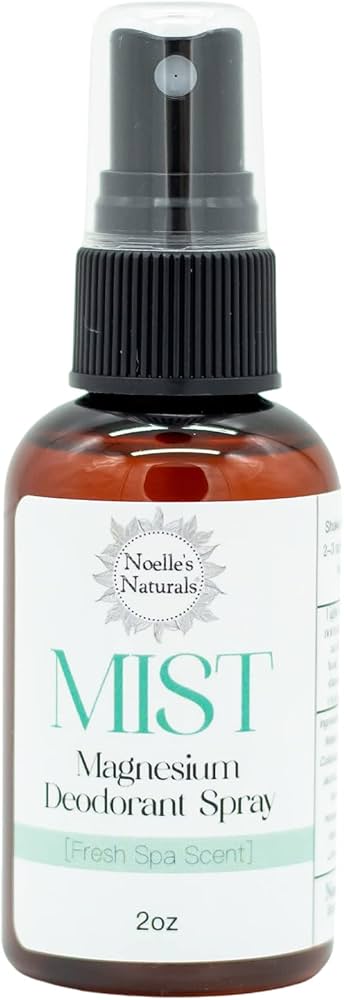
Let’s break this down in plain English. A magnesium spray deodorant is basically a liquid solution containing magnesium chloride (sometimes called magnesium oil, even though it’s not actually oily) that you spray directly onto your underarms. Unlike conventional deodorants that come in stick or cream form, this spray version is incredibly simple—often containing just water and magnesium chloride, maybe with a few essential oils thrown in for scent.
The beauty of magnesium deodorant spray lies in its simplicity. You’re not slathering on a cocktail of synthetic fragrances, parabens, phthalates, or aluminum compounds that have been raising eyebrows in health circles for years. Instead, you’re applying a mineral that your body actually needs and recognizes. According to research published in the journal Magnesium Research, up to 75% of Americans don’t get enough magnesium in their diets, so applying it topically through a spray deodorant actually serves double duty—odor control and mineral absorption.
Here’s what makes magnesium chloride deodorant spray so fascinating from a biological standpoint: magnesium doesn’t block your sweat glands like aluminum-based antiperspirants do. Your body is designed to sweat—it’s a crucial detoxification and temperature regulation system. What magnesium does instead is create an environment on your skin where odor-causing bacteria can’t thrive. These bacteria are what make your sweat smell funky in the first place. Kill the bacteria’s party, and you eliminate the smell without stopping the natural sweating process.
The Science Behind Why Magnesium Deodorant Spray Actually Works
Look, I get it. When someone tells you that spraying mineral water on your pits will keep you smelling fresh, it sounds like wellness marketing nonsense. But the science here is actually pretty solid, and understanding it will help you appreciate why this stuff works.
Odor-causing bacteria, specifically Corynebacterium and Staphylococcus species, love warm, moist environments with a neutral to slightly alkaline pH. Your armpits check all these boxes. When you use a natural magnesium spray deodorant, you’re changing the game in several ways. First, magnesium has inherent antimicrobial properties that inhibit bacterial growth. A study in the Journal of Applied Microbiology found that magnesium salts demonstrated significant antibacterial activity against common skin bacteria. Second, magnesium helps regulate your skin’s pH balance, creating conditions that are less hospitable for these smelly microbes.
But here’s where it gets really interesting. Magnesium spray for body odor doesn’t just mask the problem like fragranced deodorants do—it addresses the root cause. When bacteria break down the proteins and lipids in your sweat, they produce volatile organic compounds that we perceive as body odor. By reducing bacterial populations on your skin, you’re stopping this process before it starts. Think of it like preventing a fire rather than just covering up the smoke.
Key Benefits of Magnesium-Based Deodorant Spray
- Aluminum-free protection: No controversial metals blocking your lymph nodes or sweat glands
- Transdermal magnesium absorption: Your skin actually absorbs magnesium, potentially helping with deficiency
- Minimalist ingredients: Usually just 2-3 ingredients compared to 20+ in conventional deodorants
- Non-staining formula: Sprays don’t leave white marks on your clothes like stick deodorants
- Suitable for sensitive skin: No baking soda or harsh chemicals that irritate many people
- Quick drying: Absorbs in seconds without residue
- Long-lasting effectiveness: Many users report 24+ hours of odor protection
How to Use Magnesium Spray Deodorant (And Why Technique Matters)
Here’s where most people mess up when they first try magnesium chloride spray deodorant. They spray it like it’s their old deodorant, get disappointed when it doesn’t work exactly the same way, and give up before giving their body time to adjust. Let me walk you through the proper technique and the transition period that nobody warns you about.
Start with clean, dry underarms. This is crucial. If you’ve just worked out or you’re already sweating, the magnesium spray won’t be as effective because you’re applying it to an already bacteria-rich environment. Morning after your shower is ideal. Hold the bottle about 4-6 inches from your underarm and spray 3-4 times per side. Some people prefer to spray it into their palm first and then rub it in—totally fine, whatever works for you. Let it dry completely before putting on clothes, which usually takes about 30 seconds to a minute.
Now here’s the real talk about the transition period. If you’re coming from aluminum-based antiperspirants, your body needs to detox. Those products have been blocking your sweat glands for years, and when you stop using them, your body goes a little crazy for a week or two. You might sweat more than usual. You might smell worse temporarily. This is normal and temporary. Your body is purging all the aluminum and adjusting to its natural sweating process. Push through this phase—it usually lasts 1-3 weeks—and you’ll come out the other side with better odor control than you ever had with conventional deodorant.
Application Best Practices
Morning routine: Apply right after showering when skin is clean and dry. The magnesium bonds better to clean skin and works more effectively throughout the day.
Evening touch-up: If you’re going to the gym or have an evening event, reapply after your midday shower or freshen up. One bottle typically lasts 2-3 months with twice-daily use.
Sensitive skin protocol: If you experience tingling or irritation (common when first starting), dilute your organic magnesium deodorant spray with 50% water for the first week, then gradually increase concentration as your skin adjusts.
Travel hack: Magnesium spray deodorant is TSA-friendly in bottles under 3.4 oz, making it perfect for carry-on luggage. No more sticky deodorant melting in your bag or worrying about solid deodorants at security.
Comparing Magnesium Spray Deodorant to Other Natural Options
The natural deodorant market has exploded in recent years, and it can feel overwhelming trying to figure out which option is actually worth your money. Let’s break down how magnesium-based spray deodorant stacks up against other popular alternatives.
| Deodorant Type | Main Ingredients | Pros | Cons | Best For |
|---|---|---|---|---|
| Magnesium Spray | Magnesium chloride, water | Fast-drying, non-staining, mineral absorption, simple ingredients | May tingle initially, requires transition period | Sensitive skin, minimalists, active lifestyles |
| Baking Soda Sticks | Sodium bicarbonate, coconut oil, arrowroot | Very effective odor control, thick consistency | Can irritate skin, may stain clothes, hard to travel with | Those with tough body odor, not sensitive skin |
| Crystal Deodorants | Potassium alum | Long-lasting, no residue | Contains aluminum (natural form), less effective for heavy sweating | Light sweaters, those wanting mineral-based |
| Cream Deodorants | Coconut oil, shea butter, essential oils | Moisturizing, pleasant scents | Can melt in heat, greasy feel, messier application | Dry skin types, home use |
| Charcoal-Based | Activated charcoal, magnesium | Detoxifying properties, absorbs moisture | Can be messy, may darken skin temporarily | Transition period from antiperspirants |
What makes magnesium spray deodorant stand out in this comparison is its simplicity and versatility. You’re not dealing with the greasiness of cream deodorants, the potential skin irritation of baking soda formulas, or the questionable aluminum content in crystal stones. It’s just pure mineral protection in the most straightforward delivery system possible.
Real People, Real Results: Case Studies and Testimonials
Let me share some real-world experiences that illustrate why magnesium deodorant spray has developed such a devoted following. These aren’t cherry-picked success stories—they represent the typical transition journey that most users experience.
Sarah, 34, Marketing Executive: “I was skeptical as hell when my sister recommended magnesium spray. I’d tried three different natural deodorants before and always went back to my aluminum antiperspirant because nothing else worked. The first week with magnesium chloride deodorant spray was rough—I’m not going to lie. I was sweating through my shirts at work and feeling self-conscious. But I stuck with it because my sister promised it gets better. Week three, something clicked. I wasn’t sweating less, but I wasn’t smelling at all. Even after my evening Pilates class, I’d sniff my pits and just… nothing. Six months later, I literally can’t remember the last time I was aware of body odor. It’s wild.”
Marcus, 28, Personal Trainer: “As someone who’s in and out of the gym all day, I need something that can handle serious sweat. Conventional deodorant always left residue on my workout clothes and I’d still end up smelling by my afternoon sessions. Switched to natural magnesium spray deodorant eight months ago and it’s been a game-changer. I spray it morning and night, and even after back-to-back training sessions, I’m not offensive. My girlfriend actually commented that I smell better now than when I was using the expensive department store stuff. Plus, my gym shirts don’t have those crusty armpit stains anymore.”
Jennifer, 45, Teacher: “Perimenopause hit me like a truck. Hot flashes, night sweats, the whole deal. My regular deodorant couldn’t keep up, and I was going through a stick every two weeks. A friend who’s into holistic health stuff suggested trying magnesium spray for body odor. Honestly, I think it works better during my hormonal fluctuations than anything else I’ve tried. There’s something about how it interacts with your skin chemistry that just… works. I also noticed I’m sleeping better, which I later learned might be from the magnesium absorption. Two birds, one stone.”
The Health Benefits Beyond Odor Control
Here’s where magnesium spray deodorant becomes more than just a personal care product—it’s actually contributing to your overall wellness. Let’s talk about why applying magnesium topically is catching the attention of functional medicine practitioners and nutritionists.
Your skin is your largest organ and remarkably effective at absorbing substances—that’s why nicotine patches and hormone creams work. When you apply magnesium chloride spray deodorant to your underarms, you’re creating an opportunity for transdermal magnesium absorption. According to a study published in PLOS One, topical magnesium application can increase serum magnesium levels, though the degree of absorption varies by individual.
Why does this matter? Magnesium is involved in over 300 enzymatic reactions in your body. It’s crucial for muscle function, nerve transmission, energy production, bone health, and even mood regulation. The modern diet—heavy on processed foods and light on magnesium-rich foods like leafy greens, nuts, and seeds—leaves many people deficient. Symptoms of magnesium deficiency include muscle cramps, anxiety, insomnia, and fatigue. While a magnesium-based deodorant spray shouldn’t replace dietary intake or supplements if you’re severely deficient, it’s a nice bonus to your daily routine.
Additional Wellness Benefits
Improved sleep quality: Many users report better sleep after using magnesium spray, likely due to magnesium’s role in regulating neurotransmitters that promote relaxation. Some people even spray it on their feet before bed for this purpose.
Reduced muscle tension: Athletes have discovered that applying organic magnesium deodorant spray after workouts can help with muscle recovery and reduce cramping.
Skin health support: Magnesium supports healthy skin barrier function and may help with conditions like eczema or psoriasis when used consistently.
Stress reduction: The transdermal magnesium may help support your body’s stress response system, particularly when combined with other stress management practices.
What to Look For When Buying Magnesium Spray Deodorant
Not all magnesium spray deodorants are created equal, and knowing what to look for can save you from wasting money on inferior products. The market has gotten crowded with brands jumping on the natural deodorant bandwagon, and unfortunately, quality varies wildly.
First, check the ingredient list. A high-quality magnesium chloride deodorant spray should have a very short ingredient list. The main ingredient should be magnesium chloride hexahydrate (the proper chemical name) dissolved in distilled or purified water. Anything beyond that—essential oils for scent, maybe some trace minerals—should be minimal and recognizable. If you see a bunch of preservatives, thickeners, or synthetic fragrances, keep looking.
Concentration matters. Look for products with at least 30% magnesium chloride concentration. Lower concentrations might be gentler for sensitive skin, but they’re also less effective. Some brands offer different strength options, which is actually really smart—you can start with a lower concentration during your transition period and work up to stronger formulas.
Sourcing quality: The best magnesium chloride comes from ancient seabeds like the Zechstein seabed in the Netherlands, which is prized for its purity and lack of modern pollutants. Brands that specifically mention their magnesium source are usually more transparent about quality.
Spray mechanism: This might seem minor, but a good spray bottle makes a huge difference in daily use. Look for fine-mist sprayers that distribute evenly rather than squirt-gun style bottles that create wet spots.
Scent options: While pure magnesium deodorant spray is unscented, many brands add essential oils. If you’re going this route, make sure they’re using therapeutic-grade essential oils, not fragrance oils. Common choices include lavender (calming), tea tree (extra antimicrobial), eucalyptus (refreshing), and citrus (energizing).
Red Flags to Avoid
- Products claiming to be “antiperspirant” while also being “natural”—you can’t block sweat naturally
- Suspiciously cheap options (quality magnesium chloride isn’t dirt cheap)
- Brands making medical claims about treating diseases
- Products with alcohol high on the ingredient list (unnecessarily drying)
- Anything with added aluminum in any form
DIY Magnesium Spray Deodorant: Is It Worth Making Your Own?
I know some of you are reading this thinking, “Can’t I just make this myself?” The answer is yes, absolutely. Making your own magnesium spray deodorant is probably the cheapest option if you’re willing to put in the minimal effort required. Let’s talk about whether it makes sense for you.
The basic recipe couldn’t be simpler: mix magnesium chloride flakes with distilled water in roughly a 1:1 ratio. Heat the water until it’s warm (not boiling), add the flakes, stir until dissolved, let it cool, pour it into a spray bottle. Done. You’ve just made natural magnesium spray deodorant for about $5 that’ll last you several months. If you want to get fancy, add 10-15 drops of essential oil per 4 ounces of mixture.
The advantages of DIY are obvious—it’s cheaper, you control exactly what goes in it, and you can customize the scent and strength to your preferences. The disadvantages? Storage considerations (homemade versions have a shorter shelf life without preservatives), consistency issues (getting the spray bottle just right can be tricky), and the initial investment in quality magnesium chloride flakes.
Personally, I think DIY makes sense if you’re already into making your own personal care products or if you have multiple family members using it (the cost savings multiply). For most people though, buying a quality commercial magnesium-based spray deodorant is worth the convenience factor. We’re talking maybe $15-20 for a bottle that lasts 2-3 months. The time saved not having to mix batches and find the right bottles is worth it for a lot of people.
Troubleshooting Common Issues with Magnesium Deodorant Spray
Let’s address the elephant in the room—or rather, the tingling in your pits. The most common complaint people have when first using magnesium chloride spray deodorant is the stinging or tingling sensation. Here’s what’s actually happening and how to deal with it.
That tingling feeling is usually a sign of two things: either you have micro-abrasions in your skin (from shaving or exfoliating), or you’re magnesium deficient. When magnesium chloride comes into contact with small cuts or very dry skin, it can sting. This is temporary and actually improves as your skin adjusts and as your body’s magnesium levels increase. If the stinging is unbearable, try these solutions: apply the spray at night instead of after morning shaving, dilute it with water for the first few weeks, or wait 5-10 minutes after showering before applying to let your skin fully settle.
Issue: “I’m still sweating a lot” Remember, magnesium spray deodorant is not an antiperspirant. It’s supposed to let you sweat—that’s healthy. What it does is prevent the odor. If you’re uncomfortable with visible wetness, wear natural fiber clothing that breathes better, or consider that you might need a more concentrated formula.
Issue: “It’s not lasting all day” This usually happens during the transition period or if you’re not applying enough. Make sure you’re spraying 3-4 times per underarm and letting it dry completely. You can also reapply midday if needed—there’s no limit to how often you can use magnesium-based deodorant spray.
Issue: “My skin feels dry or irritated” Some people experience dryness with high-concentration formulas. Try mixing in a drop of jojoba oil with your application, or look for brands that include aloe vera or other moisturizing ingredients. Alternatively, reduce application frequency to once daily until your skin acclimates.
Issue: “The smell came back after a few weeks” This can happen if bacteria build up on your clothes. Wash your shirts with white vinegar in the rinse cycle to kill odor-causing bacteria that have colonized the fabric. Also, make sure you’re applying to clean skin each time.
Environmental and Ethical Considerations
Let’s zoom out for a second and talk about why choosing magnesium spray deodorant is actually a pretty solid choice from an environmental perspective. Personal care products are one of those categories where small individual choices add up to massive collective impact.
Traditional deodorants and antiperspirants come in plastic containers that aren’t always recyclable, contain palm oil derivatives that contribute to deforestation, and use synthetic fragrances that wash down our drains and into waterways. The aluminum mining required for aluminum-based antiperspirants has significant environmental costs. In contrast, magnesium chloride is abundant and typically sourced from seawater or ancient mineral deposits with relatively low environmental impact.
Packaging matters: Many organic magnesium deodorant spray brands use glass bottles instead of plastic, which is infinitely recyclable. Even those using plastic typically use bottles that are easier to recycle than deodorant sticks with their mixed-material construction. Some brands even offer refill options where you can send back your empty bottle or buy concentrated formulas to dilute yourself.
Ingredient transparency: Companies making magnesium-based products tend to be more transparent about sourcing and manufacturing processes. They’re often smaller operations focused on ethical practices rather than massive corporations optimizing for profit margins at any cost.
Waterway impact: When you shower off your natural magnesium spray deodorant, you’re basically washing minerals and maybe some essential oils down the drain. Compare that to the cocktail of synthetic chemicals, preservatives, and aluminum compounds from conventional products. Municipal water treatment plants can handle magnesium—it’s already present in water naturally. They’re less equipped to filter out all the synthetic stuff.
Making the Most Sustainable Choice
- Look for brands using ocean-sourced or ancient seabed magnesium
- Choose glass bottles over plastic when possible
- Buy larger sizes to reduce packaging waste per application
- Consider brands offering refill programs
- Check if the company uses renewable energy in manufacturing
- Support companies transparent about their environmental practices
The Connection Between Magnesium Spray and Other Wellness Products
While we’re on the topic of magnesium and natural wellness, it’s worth mentioning how magnesium spray deodorant fits into a broader approach to health. Many people who discover the benefits of topical magnesium end up exploring other innovative delivery methods for essential nutrients.
For example, there’s growing interest in products like nad+ nasal spray, which delivers NAD+ (nicotinamide adenine dinucleotide) directly through nasal membranes for cellular energy support. Just like magnesium spray bypasses the digestive system for direct absorption, nasal sprays offer an alternative route for nutrients that might be poorly absorbed orally. This reflects a larger trend toward more bioavailable forms of supplementation.
The philosophy is similar: instead of taking something orally where it has to survive stomach acid and liver metabolism, you’re using topical or mucosal routes that offer more direct access to your bloodstream. Whether it’s magnesium through your skin, NAD+ through nasal passages, or B12 sublingual tablets, these alternative delivery methods are gaining scientific validation and consumer interest.
This doesn’t mean magnesium chloride deodorant spray should be your only source of magnesium—you still need dietary intake and possibly supplements if you’re deficient. But it’s a nice complementary approach that serves multiple purposes: odor protection and mineral absorption rolled into one daily habit.
Frequently Asked Questions About Magnesium Spray Deodorant
Does magnesium spray deodorant actually work for body odor?
Yes, magnesium spray deodorant is highly effective at controlling body odor for most people. It works by creating an antibacterial environment on your skin that prevents odor-causing bacteria from thriving. Unlike conventional deodorants that just mask odor with fragrance, magnesium addresses the root cause. Most users find it more effective than other natural deodorants, though there’s typically a 1-3 week transition period when switching from aluminum-based antiperspirants.
How long does magnesium spray deodorant last after application?
Most people experience 24+ hours of odor protection from a single morning application of magnesium spray deodorant. Active individuals or those with particularly strong body odor might prefer to apply it twice daily—morning and evening. Because it’s creating an antibacterial environment rather than just masking odor, the protection tends to last longer than conventional deodorants. One bottle typically lasts 2-3 months with daily use.
Will magnesium spray deodorant stop me from sweating?
No, magnesium spray deodorant will not stop you from sweating, and that’s actually a good thing. Unlike aluminum-based antiperspirants that block your sweat glands, magnesium allows your body to sweat naturally while preventing the odor. Sweating is an essential bodily function for temperature regulation and detoxification. The magnesium works on the bacteria that cause odor, not on your sweat production itself.
Can I use magnesium spray deodorant on sensitive skin?
Yes, magnesium spray deodorant is generally excellent for sensitive skin, which is one of its major advantages over baking soda-based natural deodorants that often cause irritation. However, some people experience tingling when first starting, especially if they have micro-abrasions from shaving or are magnesium deficient. If you have sensitive skin, start with a diluted version (50% water) or look for gentler formulations, and avoid applying immediately after shaving.
Is magnesium spray deodorant safe to use during pregnancy?
Magnesium spray deodorant is generally considered safe during pregnancy and can actually be beneficial since many pregnant women are magnesium deficient and experience increased sweating. The simple ingredient list (typically just magnesium chloride and water) contains no harmful chemicals. However, always consult with your healthcare provider before changing personal care products during pregnancy, especially if you’re planning to use versions with essential oils.
How is magnesium spray deodorant different from regular magnesium oil?
Magnesium spray deodorant and magnesium oil spray are actually very similar—both contain magnesium chloride dissolved in water. The main differences are often concentration (deodorant versions may be slightly more concentrated), added ingredients (deodorant versions might include antibacterial essential oils), and marketing/packaging. Some people use plain magnesium oil as deodorant with great success. The term “deodorant” simply indicates it’s formulated and tested specifically for underarm use.
Where should I apply magnesium spray deodorant for best results?
Apply magnesium spray deodorant directly to clean, dry underarms. Hold the bottle 4-6 inches away and spray 3-4 times per side, ensuring even coverage. Let it dry completely (about 30-60 seconds) before dressing. Some people also spray it on their feet to prevent foot odor. Always apply to clean skin for maximum effectiveness—after showering is ideal. You can reapply throughout the day if needed without any harm.
Why does my magnesium spray deodorant tingle or sting?
Tingling or stinging from magnesium spray deodorant usually indicates either micro-abrasions in your skin (from shaving, exfoliation, or even tight clothing) or magnesium deficiency. The sensation is temporary and typically decreases after a few weeks of use as your skin adjusts and magnesium levels improve. To minimize discomfort, avoid applying immediately after shaving, dilute the spray with water initially, or wait 10 minutes after showering before applying. The tingling is not harmful—just uncomfortable for some people.
Can I make my own magnesium spray deodorant at home?
Absolutely! Homemade magnesium spray deodorant is simple to make. Mix equal parts magnesium chloride flakes and distilled water—heat the water, dissolve the flakes, let it cool, and transfer to a spray bottle. You can add 10-15 drops of essential oil per 4 ounces if desired. DIY versions are much cheaper than commercial products and let you control ingredients and concentration. The main downside is shorter shelf life without preservatives (use within 3-6 months) and the initial investment in quality ingredients.
How do I transition from regular deodorant to magnesium spray deodorant?
Transitioning to magnesium spray deodorant requires patience. Your body needs 1-3 weeks to detox from aluminum-based antiperspirants and adjust to natural sweating. During this period, you might sweat more and smell worse temporarily—this is normal. Tips for easier transition: start on a weekend or vacation, exfoliate your underarms gently before first use, consider using detox masks specifically for underarms, stay hydrated, and push through the uncomfortable phase. Most people find the transition worth it once their body adjusts.
Make the Switch to Magnesium Spray Deodorant Today
Look, I’m not going to tell you that magnesium spray deodorant is going to change your entire life. But what I will tell you is this: it’s probably one of the easiest switches you can make toward a more natural, less chemical-laden lifestyle. You’re already putting something on your underarms every single day—why not make it something that actually benefits your body instead of just clogging up your sweat glands with aluminum?
The transition might be a little awkward. You might sweat through a shirt or two during that first couple of weeks. But on the other side of that transition is genuine confidence that you smell good without synthetic fragrances, without hormone disruptors, without questionable ingredients that you can’t even pronounce. You’re letting your body do what it’s designed to do while working with your natural chemistry instead of against it.
If you’re still on the fence, start with a small bottle. Give it a full month—not just a week, but a solid 30 days for your body to adjust. Pay attention to how you feel, how your skin responds, whether your clothes start smelling fresher because they’re not accumulating deodorant residue. Most people who make it through the transition period never look back.
Ready to try magnesium spray deodorant for yourself? Start with a quality brand that sources pure magnesium chloride, follow the application guidelines we covered, and give your body time to adapt. Your underarms—and probably your overall health—will thank you for it.
Sources and Citations:
- Magnesium Research Journal – Studies on magnesium deficiency prevalence in American populations
- Journal of Applied Microbiology – Research on antimicrobial properties of magnesium salts
- PLOS One – Study on transdermal magnesium absorption through topical application
- Research on aluminum in antiperspirants and breast cancer risk remains inconclusive but drives consumer preference for aluminum-free options
- Environmental Working Group (EWG) – Database on personal care product ingredients and safety ratings
Disclaimer: This article is for informational purposes only and does not constitute medical advice. Consult with a healthcare professional before making significant changes to your personal care routine, especially if you have skin conditions or are pregnant.