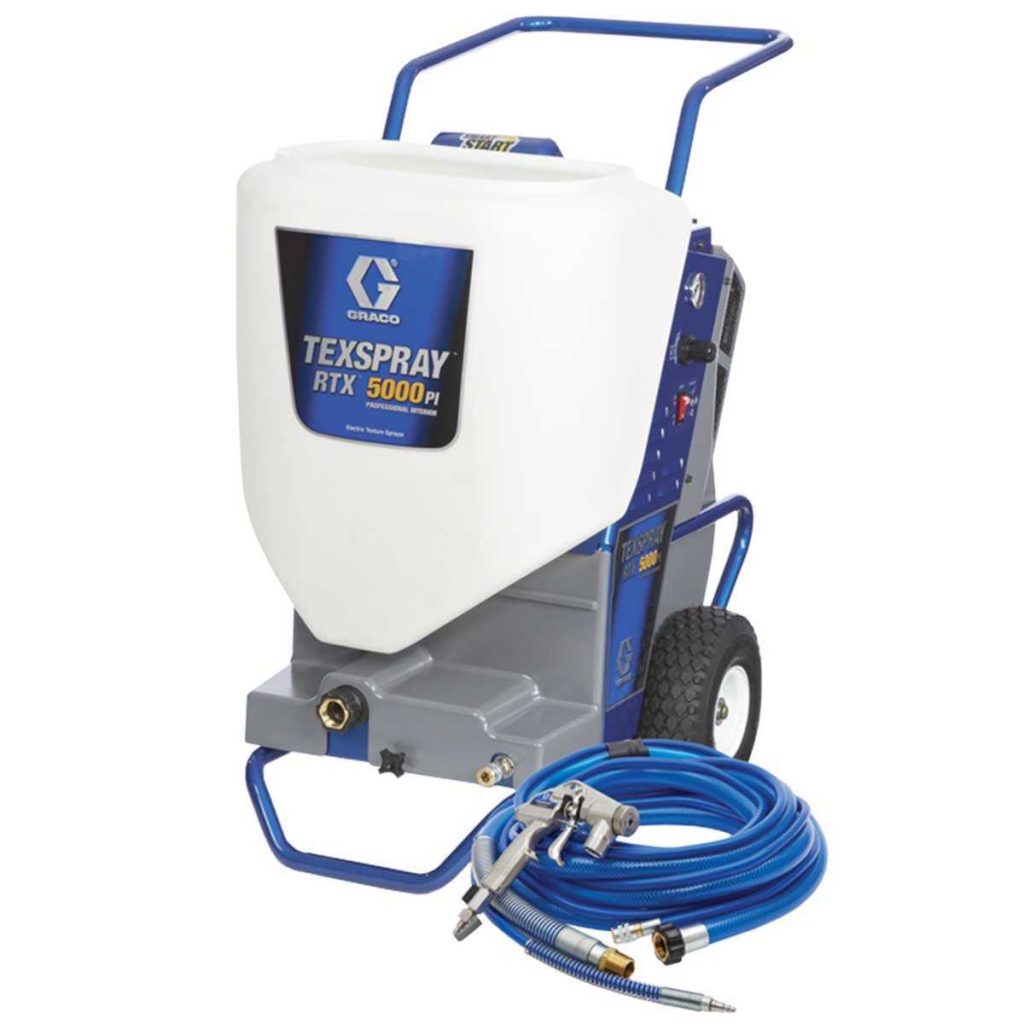
When it comes to professional wall texturing and drywall finishing, few tools deliver the combination of power, precision, and reliability that a Graco texture sprayer provides. Whether you’re a seasoned contractor tackling commercial projects or a DIY enthusiast looking to transform your home’s interior walls, understanding the capabilities and features of these specialized sprayers can make the difference between a mediocre finish and truly professional results.
The texturing process itself has evolved significantly over the past few decades, moving from manual application methods that were labor-intensive and inconsistent to modern spray systems that can cover large areas quickly while maintaining uniform texture patterns. Graco has positioned itself as an industry leader in this space, developing texture sprayers that address the specific challenges contractors face daily, from hopper capacity and spray tip versatility to motor durability and ease of cleaning.
The market for texture sprayers has grown substantially as both professional contractors and homeowners recognize the efficiency gains these tools provide. Unlike traditional methods that might require multiple workers and several days to complete a large texturing job, a quality Graco texture sprayer enables a single operator to achieve consistent, professional-grade results in a fraction of the time.
This efficiency translates directly into cost savings for contractors who can take on more jobs and complete them faster, while homeowners benefit from reduced labor costs and quicker project turnaround times. The technology behind these sprayers has advanced to the point where they can handle various texturing materials, from lightweight joint compounds to heavier aggregated textures, all while maintaining consistent spray patterns and minimal overspray.
Understanding Graco Texture Sprayer Technology
The engineering behind a Graco texture sprayer represents years of refinement and innovation in spray technology. At its core, these machines utilize a high-volume, low-pressure (HVLP) system that’s been optimized specifically for the viscosity and consistency of texturing materials. Unlike paint sprayers that deal with relatively thin liquids, texture sprayers must handle materials with significantly higher viscosity, often containing aggregates, fibers, or other particles that would clog conventional spray systems.
Graco addresses these challenges through oversized fluid passages, specialized pumps, and carefully engineered spray tips that can accommodate the unique characteristics of texturing compounds. The motor systems in these units typically range from 1/2 horsepower to 1 horsepower or more, providing sufficient power to atomize heavy materials while maintaining consistent pressure throughout extended operation periods.
The hopper design on Graco texture sprayers deserves particular attention because it directly impacts productivity and ease of use. Most professional models feature hoppers ranging from 5 to 9 gallons in capacity, strategically sized to balance material capacity with manageable weight when full. The hopper geometry isn’t arbitrary—it’s designed to ensure consistent material flow to the pump intake while minimizing settling of heavier particles. Some advanced models incorporate agitation systems that keep materials thoroughly mixed during operation, preventing separation that could lead to inconsistent texture patterns.
The connection between hopper and pump assembly typically includes easily removable screens or filters that catch debris before it can enter the pump system, protecting sensitive components and reducing maintenance requirements. According to industry research, contractors using properly maintained texture sprayers report up to 40% faster completion times compared to manual application methods, highlighting the significant productivity gains these machines deliver.
Key Features of Professional Grade Graco Texture Sprayers
Professional contractors demand specific features from their equipment, and Graco texture sprayer models are engineered to meet these exacting requirements. One of the most critical features is adjustable pressure control, which allows operators to fine-tune the spray pattern and texture consistency for different materials and desired finishes. This adjustability is typically achieved through a pressure relief valve or electronic controls on higher-end models, giving operators precise control over how the material is atomized and applied. The ability to adjust pressure on the fly means a single sprayer can handle everything from light orange peel textures to heavy knockdown finishes without requiring different equipment or extensive setup changes.
Essential features found in professional Graco models include:
- Powerful motor systems ranging from 1/2 to 1+ HP for consistent performance with heavy materials
- Large capacity hoppers (5-9 gallons) reducing refill frequency on big jobs
- Multiple spray tip options allowing various texture patterns and coverage rates
- Easy-clean design with quick-disconnect fittings and accessible internal components
- Durable construction featuring corrosion-resistant materials that withstand daily jobsite abuse
- Adjustable pressure controls for precise texture consistency across different materials
- Roll cage protection safeguarding critical components during transport and storage
- Flexible hose options typically 25-50 feet for extended reach without moving the machine
- Air-assisted atomization on select models for finer texture control
- Built-in filtration systems preventing clogs and ensuring smooth operation
The spray gun assembly on a Graco texture sprayer represents another critical engineering achievement. These guns must withstand constant exposure to abrasive texturing materials while maintaining precise control over material flow and pattern. Most professional guns feature hardened components at wear points, ergonomic grips that reduce operator fatigue during extended use, and trigger mechanisms designed for smooth, progressive control rather than simple on-off operation. The connection between gun and hose typically uses quick-disconnect fittings that allow rapid gun changes or cleaning without tools, minimizing downtime during work. Some advanced models incorporate interchangeable spray tips that can be swapped in seconds, allowing operators to change texture patterns mid-project as design requirements dictate.
Popular Graco Texture Sprayer Models and Specifications
The Graco texture sprayer product line includes several models designed for different use cases and budget considerations. The RTX 1500 stands as one of the most popular choices among professional contractors, offering a robust 1/2 HP motor capable of handling most texturing materials contractors encounter. This model features a 5-gallon hopper capacity that balances productivity with portability, making it ideal for residential projects and smaller commercial jobs. The RTX 1500 can spray up to 5 gallons per minute depending on material viscosity and pressure settings, allowing a single operator to texture standard residential rooms in minutes rather than hours. The unit weighs approximately 45 pounds when empty, making it manageable for single-person transport to upper floors or across jobsites.
Graco RTX 1500 Specifications:
| Feature | Specification |
|---|---|
| Motor Power | 0.5 HP |
| Hopper Capacity | 5 gallons |
| Maximum Flow Rate | 5 GPM |
| Operating Pressure | 0-3000 PSI |
| Weight (Empty) | 45 lbs |
| Hose Length | 25 ft standard |
| Warranty | 1 year |
| Suitable Materials | Joint compound, popcorn, knockdown |
For contractors handling larger commercial projects or high-volume residential work, the RTX 2000 provides enhanced capabilities with a more powerful 1 HP motor and expanded 9-gallon hopper. This model can maintain higher flow rates over extended periods without motor strain, making it ideal for texturing entire apartment complexes, office buildings, or custom homes with extensive wall square footage. The increased hopper capacity reduces refill frequency, which becomes increasingly important on large jobs where every minute spent refilling represents lost productivity. Professional texturing crews often report that the RTX 2000’s additional capacity and power enable single-day completion of jobs that would require multiple days with smaller equipment.
The Mark V ProContractor series represents Graco’s premium offering in the texture sprayer category, incorporating advanced features like variable speed control, enhanced filtration systems, and air-assisted atomization options. These units are designed for contractors who texture daily and demand maximum reliability and finish quality. The ProContractor models feature heavy-duty components throughout, from reinforced roll cages to industrial-grade motors rated for thousands of hours of operation. While these premium units command higher prices, professional contractors often justify the investment through increased productivity, reduced downtime, and superior finish quality that leads to more referrals and repeat business.
Applications and Project Types for Graco Texture Sprayers
The versatility of a Graco texture sprayer extends across numerous applications in both residential and commercial construction. One of the most common uses is creating popcorn or acoustic ceiling textures, a finish that remains popular in certain markets despite declining use in high-end residential construction. Popcorn ceiling texture serves practical purposes beyond aesthetics—it helps hide imperfections in ceiling drywall, reduces sound transmission between floors in multi-story buildings, and can be applied quickly over large ceiling areas.
A properly configured texture sprayer can apply popcorn ceiling texture at rates exceeding 1000 square feet per hour, dramatically outpacing manual application methods. The key to success with popcorn textures lies in maintaining consistent material viscosity, proper spray distance (typically 24-36 inches from surface), and steady gun movement to ensure uniform coverage.
Knockdown textures represent another popular application where Graco texture sprayers excel. This finish involves spraying a relatively thick texture pattern onto walls or ceilings, then using a trowel or knife to “knock down” the peaks while the material is still wet, creating a subtle, sophisticated finish popular in southwestern and contemporary architecture. The texture sprayer applies the initial pattern rapidly and uniformly, something extremely difficult to achieve manually.
Once applied, contractors typically wait 10-15 minutes for the material to set slightly before knocking down, though timing varies based on ambient temperature, humidity, and specific material formulations. The ability to control spray pattern size and material volume makes texture sprayers ideal for achieving the consistent base layer that knockdown finishes require. Many professional finishers note that machine-applied knockdown bases are more uniform than hand-applied alternatives, leading to more consistent final results.
Common applications for texture sprayers include:
- Popcorn ceiling installation in residential and multi-family construction
- Knockdown wall textures for southwestern and modern architectural styles
- Orange peel finishes providing subtle texture for walls and ceilings
- Splatter textures creating dimensional wall finishes
- Skip trowel preparations applying base coats for hand-finished textures
- Drywall priming using diluted primers for seal coats
- Fireproofing applications spraying cementitious fireproofing materials
- Soundproofing installations applying acoustic dampening compounds
- Stucco texturing for interior decorative finishes
- Concrete sealer application on floors and vertical surfaces
Commercial applications extend the utility of texture sprayers beyond traditional residential work. Many contractors use their Graco texture sprayer units for applying fireproofing materials to structural steel in commercial buildings, a demanding application requiring consistent coverage and material thickness to meet code requirements. The high-volume capabilities of professional texture sprayers make them well-suited for these applications where large surface areas must be covered uniformly. Similarly, soundproofing contractors frequently employ texture sprayers to apply acoustic dampening compounds to walls, ceilings, and mechanical rooms where noise control is critical. The ability to quickly apply uniform coatings of specialized materials makes texture sprayers valuable tools across multiple construction trades beyond traditional drywall finishing.
Material Compatibility and Mixing Requirements
Understanding material compatibility is crucial for achieving optimal results with any Graco texture sprayer. These machines are engineered to handle a wide range of texturing compounds, but each material type has specific viscosity and mixture requirements that affect sprayability and final appearance. Pre-mixed texturing compounds available from manufacturers like USG, National Gypsum, and Georgia-Pacific are formulated to work well in spray applications when used at the consistency specified on packaging. However, many professional contractors prefer mixing their own textures from powder or adjusting pre-mixed materials to achieve specific performance characteristics. The general rule is that materials should flow smoothly from a mixing paddle but still maintain enough body to create and hold texture patterns when sprayed.
Joint compound forms the base for many texture applications, and its mixing ratio significantly impacts spray performance and final texture appearance. For most spray applications, all-purpose joint compound should be thinned to a consistency similar to pancake batter—fluid enough to atomize properly but thick enough to build texture on surfaces. A typical starting mixture might include 5 gallons of joint compound with 1-2 quarts of water, though exact ratios vary based on compound brand, ambient conditions, and desired texture style.
Some contractors add small amounts of paint to their texture mix, which serves multiple purposes: it improves flow characteristics, reduces the need for separate priming steps, and allows the texture to be tinted to approximate final paint colors. When adding paint to texture compounds, ratios typically range from 1 pint to 1 quart of paint per 5 gallons of compound, depending on desired tinting effect and flow modification needed.
Material mixing guidelines for optimal spray performance:
- Popcorn texture: Use manufacturer’s pre-mixed product or mix 40-lb bag with 5-6 gallons water
- Knockdown texture: All-purpose compound thinned to “heavy cream” consistency
- Orange peel: Joint compound thinned significantly, approximately 50% compound to 50% water by volume
- Splatter texture: Thicker consistency similar to pancake batter for better definition
- Aggregate textures: Follow manufacturer’s specifications precisely for proper suspension
- Always mix thoroughly: Use paddle mixer on drill for 3-5 minutes ensuring no lumps remain
- Strain materials: Pass mixed texture through hopper screen to catch debris
- Test spray: Always test mixture on scrap material before starting actual work
- Adjust gradually: Add water in small increments (cups, not gallons) when thinning
The relationship between material viscosity and spray performance cannot be overstated when working with a Graco texture sprayer. Materials mixed too thick will strain the pump, potentially causing motor overheating or premature component wear, while also producing inconsistent spray patterns with excessive material buildup in some areas. Conversely, materials mixed too thin won’t build adequate texture depth, will run or sag on vertical surfaces, and may require multiple coats to achieve desired coverage.
Professional contractors develop intuitive understanding of proper consistency through experience, but beginners should invest time in small-batch testing before mixing large quantities for actual projects. Many professionals keep detailed notes on mixture ratios that work well for specific applications, creating reference guides that ensure consistent results across multiple jobs.
Operating Techniques for Professional Results
Mastering proper operating technique separates amateur results from professional-quality finishes when using a Graco texture sprayer. The spray pattern should be applied in consistent, overlapping passes with the gun held perpendicular to the surface being textured. Most applications work best with the spray gun positioned 18-36 inches from the surface, though optimal distance varies based on material type, pressure settings, and desired texture density.
Maintaining consistent gun speed throughout each pass ensures uniform texture distribution—moving too quickly results in thin, inadequate coverage, while moving too slowly creates heavy buildup that may sag or crack as it dries. Professional texturers develop smooth, rhythmic gun movement through practice, often describing the motion as similar to painting broad strokes on a canvas.
Overlap between spray passes typically ranges from 30-50% depending on spray tip and pressure settings. Insufficient overlap creates visible lines or thin spots in the finished texture where passes meet, a common mistake among inexperienced operators that’s difficult to correct once material begins drying. The key is establishing a systematic pattern that ensures complete coverage—many professionals work from top to bottom in vertical passes when texturing walls, or use a back-and-forth pattern across ceiling surfaces.
Starting and stopping the spray gun while aimed at the work surface often creates heavy spots or “splats” that stand out visibly in the finished work. Instead, experienced operators begin and end each pass off the edge of the work area, maintaining gun movement as they trigger the spray on and off.
Professional texturing techniques include:
- Maintain consistent gun distance: Use arm extension as a measuring guide throughout application
- Overlap passes properly: Aim for 40% overlap to ensure no thin spots or lines appear
- Start/stop off surface: Begin and end spray motion beyond work area edges to avoid buildup
- Work systematically: Follow consistent pattern from top to bottom or left to right
- Monitor pressure: Adjust settings if pattern becomes too coarse or too fine during application
- Keep material mixed: Pause periodically to stir hopper contents, preventing settling
- Clean gun tip regularly: Wipe tip every 10-15 minutes to prevent buildup affecting pattern
- Control overspray: Mask adjacent surfaces and use lowest effective pressure to minimize drift
- Watch for runs: Adjust technique or material consistency if vertical surfaces show sagging
- Inspect continuously: Check coverage from multiple angles during application to catch problems early
Environmental conditions significantly affect texture spraying results, something many operators overlook until encountering problems. Temperature and humidity directly impact how quickly texturing materials set up and cure, influencing everything from spray pattern to final appearance. In hot, dry conditions, materials may begin drying during application, potentially leading to rough texture surfaces or difficulty achieving consistent patterns. Adding small amounts of water-based retarder to texture mixes can extend working time in these conditions, though this should be done cautiously as it also affects material consistency. Conversely, cold or humid conditions slow drying, potentially causing textures to sag or run on vertical surfaces, and extending the time before knockdown operations can be performed or painting can begin.
Maintenance and Troubleshooting Your Graco Texture Sprayer
Proper maintenance directly correlates with the operational lifespan and reliability of any Graco texture sprayer, yet it’s an area where many operators cut corners to their eventual detriment. The single most important maintenance task is thorough cleaning after every use—texturing materials left to dry inside pump assemblies, hoses, or spray guns create blockages that strain motors, restrict material flow, and eventually necessitate expensive repairs or component replacement. Professional contractors typically implement a strict cleaning protocol immediately upon job completion, running clean water through the entire system until discharge runs completely clear. Some operators use specialized cleaning solutions designed for spray equipment, though plain water works effectively for water-based texturing compounds if cleaning is performed promptly before materials cure.
The cleaning process should be systematic and thorough. Begin by emptying any remaining material from the hopper, then fill it with clean water and operate the sprayer through several cycles to flush material from internal passages. Remove the spray gun and trigger it separately to ensure no material remains in gun components. Disassemble easily removable components like hopper screens, inlet filters, and spray tips, cleaning them thoroughly with brushes and water.
Many professional units include reverse flow valves or flush mechanisms that simplify cleaning by routing water backward through the pump, dislodging material that might be trapped in check valves or other components. After flushing with water, some contractors run a small amount of mineral spirits or equipment protectant through the system before storage, particularly if the unit won’t be used for several days.
Essential maintenance tasks for texture sprayers:
- Daily cleaning: Flush entire system thoroughly with clean water after every use
- Weekly inspection: Check hoses for wear, examine spray tip condition, verify proper operation
- Monthly service: Lubricate motor bearings per manufacturer specifications, inspect electrical connections
- Seasonal maintenance: Replace worn components, comprehensive pump inspection, deep cleaning
- Filter changes: Replace inlet filters quarterly or more frequently in high-use applications
- Hose replacement: Swap out hoses annually or when showing wear, cracking, or stiffness
- Pump service: Rebuild or service pump assembly annually for commercial daily use
- Tip rotation: Rotate between multiple spray tips to extend life through even wear patterns
- Storage preparation: Clean thoroughly, add protectant, store in climate-controlled area
- Documentation: Keep maintenance logs tracking service dates and parts replaced
Common operational issues with Graco texture sprayer units typically relate to improper material consistency, inadequate cleaning, or worn components. Inconsistent spray patterns often indicate partially clogged spray tips, requiring cleaning or replacement to restore proper operation. Pulsing or surging during operation suggests air leaks in the intake system, worn pump packings, or material that’s mixed too thick for the pump to handle smoothly. Reduced output pressure accompanied by motor strain typically indicates pump wear or internal blockages restricting material flow. Many of these issues can be diagnosed through systematic troubleshooting—running clean water through the system often reveals whether problems stem from material-related issues or mechanical component wear requiring repair.
Comparing Graco Texture Sprayers to Alternatives
While Graco texture sprayers dominate the professional market, understanding how they compare to alternative brands and application methods provides valuable context for purchasing decisions. Wagner produces several texture sprayer models aimed at the prosumer and light professional markets, generally featuring lower price points but also reduced power and durability compared to Graco’s professional lineup. Wagner’s texture guns work adequately for occasional use or small-scale projects but typically lack the motor power and component durability required for daily professional applications. Contractors who texture regularly almost universally prefer Graco’s professional models despite higher initial investment because the reliability and longevity justify the cost difference through reduced downtime and longer service life.
Manual texturing methods still have their place in certain applications despite the efficiency advantages spray equipment provides. Hand-applied textures using trowels, brushes, or rollers allow greater artistic control and work well for small areas, repair work, or situations where overspray concerns make spraying impractical. Some specialized textures like Venetian plaster or certain decorative finishes require hand application techniques that machines cannot replicate. However, for standard production texturing work on new construction or renovation projects, the productivity gains from spray application are undeniable. A skilled operator with a quality texture sprayer can complete in one day what might require a week of hand application, fundamentally changing project economics.
Comparison of texture application methods:
| Method | Speed | Consistency | Learning Curve | Equipment Cost | Best Applications |
|---|---|---|---|---|---|
| Graco Spray | Very Fast | Excellent | Moderate | $800-2500 | Large areas, production work |
| Wagner Spray | Fast | Good | Moderate | $300-800 | Occasional use, small jobs |
| Hopper Gun | Moderate | Fair | Low | $50-200 | Small repairs, touch-ups |
| Hand Trowel | Slow | Variable | High | $20-100 | Specialty textures, small areas |
| Roller Texture | Moderate | Good | Low | $30-150 | Quick texture over smooth surfaces |
The cost analysis between purchasing quality spray equipment versus manual application methods becomes straightforward for any contractor texturing more than occasionally. A professional-grade Graco texture sprayer represents an investment typically ranging from $800 to $2500 depending on model and features, which may seem substantial for operators accustomed to inexpensive hand tools. However, the time savings on a single large project often approaches or exceeds the equipment cost when labor expenses are factored.
A contractor paying themselves or employees $30-50 per hour who can complete texturing work in 20% of the time required for manual application recoups equipment investment remarkably quickly. Beyond direct time savings, spray equipment also enables one-person operation of jobs that might require multiple workers with hand methods, providing additional cost advantages through reduced labor requirements.
Safety Considerations and Best Practices
Operating a Graco texture sprayer safely requires awareness of several hazards inherent to spray application work. Respiratory protection stands paramount because atomized texturing materials create fine particle mists that can be inhaled deeply into lungs, potentially causing both acute irritation and long-term health effects with repeated exposure. Professional contractors should wear properly fitted NIOSH-approved particulate respirators rated N95 or higher whenever spraying textures, with many opting for N100 or P100 respirators for maximum protection.
Disposable paper dust masks provide inadequate protection despite being common on many jobsites—these masks don’t seal properly and don’t filter fine particles effectively. Operators working in poorly ventilated areas or spraying for extended periods should consider powered air-purifying respirators (PAPRs) that provide positive pressure filtered air, eliminating breathing resistance and providing superior comfort during all-day operation.
Eye protection is equally critical because texturing materials can easily splash or spray into eyes during operation, equipment cleaning, or when working overhead. Safety glasses with side shields provide minimum protection, though goggles or face shields offer superior coverage particularly for ceiling applications where material drips downward. Many contractors have learned this lesson through painful experience after getting texture material in their eyes while looking up to inspect coverage or while cleaning equipment under pressure.
The combination of physical irritation from material particles and chemical irritation from additives in texturing compounds can cause significant discomfort requiring medical attention. Skin protection also deserves attention—texturing compounds contain lime and other alkaline materials that can cause skin irritation and drying with repeated exposure. Long sleeves, gloves, and covered footwear protect skin while making cleanup easier at day’s end.
Critical safety equipment and practices:
- Respiratory protection: N95 or higher rated particulate respirator for all spray operations
- Eye protection: Safety goggles or face shield, especially for overhead work
- Hearing protection: Earplugs or earmuffs when operating equipment for extended periods
- Protective clothing: Long sleeves, pants, gloves to prevent skin contact with materials
- Ventilation: Ensure adequate airflow in work areas, use fans to remove airborne particles
- Electrical safety: Verify proper grounding, use GFCI protection, inspect cords for damage
- Pressure awareness: Never point spray gun at people or animals, treat like power tool
- Material handling: Follow manufacturer MSDS guidelines for material storage and use
- Ladder safety: Use stable work platforms, never overreach while spraying from elevation
- Emergency preparedness: Keep eyewash station available, know location of first aid supplies
The electrical hazards associated with texture sprayers warrant particular attention, especially when working in new construction environments where permanent electrical systems may not be complete or reliable. Most professional texture sprayers draw 10-15 amps during operation, requiring adequate circuit capacity and proper wire gauge for extension cords. Undersized extension cords cause voltage drops that reduce motor power and can lead to overheating, while also creating fire hazards through resistance heating of inadequate conductors.
Professional contractors typically use 12-gauge or heavier extension cords for texture sprayer power, keeping cord runs as short as practical to minimize voltage drop. Ground fault circuit interrupter (GFCI) protection should be standard practice, particularly when working in damp conditions or on concrete floors where electrical safety risks increase. Many jobsites now mandate GFCI protection for all portable power tools regardless of conditions, a sensible precaution given the severe consequences of electrical shock.
Cost Analysis and Return on Investment
The financial considerations surrounding Graco texture sprayer ownership extend beyond initial purchase price to encompass maintenance costs, consumable supplies, and the economic value of time savings achieved. Professional-grade models typically require initial investments ranging from $800 for basic models to $2500 or more for top-tier units with advanced features. These costs may initially seem steep compared to hopper guns ($50-200) or manual texturing tools (under $100), but the productivity differential justifies the expense for anyone texturing regularly. A contractor who can complete one additional medium-sized texture job per month due to equipment efficiency will typically recover equipment costs within 6-12 months, after which the sprayer generates pure productivity gains that flow directly to bottom-line profits.
Operating costs for texture sprayers include replacement parts like spray tips ($15-40 each), hoses ($50-150), pump repair kits ($75-200), and periodic professional service ($100-300 depending on extent). These ongoing expenses remain modest relative to the revenue professional contractors generate using the equipment. Spray tips typically last 40-80 hours of operation before wear affects pattern quality, meaning contractors doing moderate volume work might replace tips quarterly.
Hoses generally last one to three years depending on usage intensity and how carefully they’re handled and stored. Pump components like packings and check valves experience wear and require replacement every 200-500 hours of operation, or annually for contractors texturing regularly. Factoring these maintenance costs into project pricing ensures equipment remains profitable throughout its service life while maintaining optimal performance through timely maintenance.
Cost comparison of texturing methods for 2000 sq ft project:
| Method | Equipment Cost | Labor Hours | Labor Cost ($40/hr) | Material Cost | Total Project Cost |
|---|---|---|---|---|---|
| Graco Sprayer | $1500 (amortized) | 4 hours | $160 | $200 | $410 |
| Hopper Gun | $150 | 8 hours | $320 | $200 | $670 |
| Hand Application | $50 | 16 hours | $640 | $220 | $910 |
The economic advantages of quality spray equipment become even more pronounced when considering contractor business growth potential. Companies limited by manual application speeds may struggle to take on multiple simultaneous projects or large-scale commercial work that requires rapid completion. Investing in professional-grade Graco texture sprayer equipment enables contractors to bid competitively on larger projects while maintaining profitable margins through efficient completion. The reputation benefits of delivering consistently professional results also shouldn’t be underestimated—clients notice quality work and contractors who produce uniform, attractive textures earn referrals and repeat business that manual applicators struggle to match. These intangible benefits compound over time, potentially representing even greater value than direct time savings alone.
Integration with Other Finishing Systems
Experienced contractors understand that Graco texture sprayer equipment integrates into broader finishing systems that streamline workflow and maximize efficiency. Many professionals maintain multiple spray systems dedicated to different applications—texture sprayers for wall and ceiling textures, airless paint sprayers for primers and finish coats, and HVLP systems for cabinetry and detail work. This multi-equipment approach allows dedicated tools optimized for each application rather than constantly cleaning and reconfiguring a single sprayer for different materials. The cost of additional equipment is offset by time savings from not having to thoroughly clean between material types and by longer equipment life when each sprayer handles only compatible materials.
The workflow integration between texturing and subsequent finishing operations deserves consideration when planning projects. Spray-applied textures typically require 12-24 hours drying time before they can be primed or painted, though drying time varies dramatically based on texture thickness, ambient temperature, humidity, and air circulation. Contractors working on tight schedules often texture in the afternoon or evening, allowing overnight drying before returning next morning for priming. Some professionals have explored whether waterproofing considerations affect finishing schedules, and understanding is spray foam waterproof properties helps when working in moisture-prone areas where texture applications might interface with insulation systems. This systematic approach to scheduling ensures crews remain productive without waiting for materials to dry between operations.
Workflow optimization strategies for texture projects:
- Batch similar work: Complete all texturing on a project before moving to priming phase
- Stage materials: Pre-mix adequate texture material before starting to avoid mid-job preparation delays
- Coordinate trades: Schedule texturing after HVAC, electrical, and plumbing completion to avoid rework
- Protect finished surfaces: Use proper masking and drop cloths preventing texture overspray damage
- Plan logistics: Position equipment centrally to minimize hose length and maximize coverage radius
- Prepare surfaces: Ensure drywall finishing complete and dust-free before texturing begins
- Climate control: Maintain jobsite temperatures 50-90°F for optimal material performance
- Inspection protocol: Check coverage systematically before cleanup to catch missed areas
- Document work: Photograph completed textures providing records for warranty and quality assurance
- Cleanup systems: Implement efficient cleaning procedures minimizing downtime between jobs
Material procurement and inventory management also impact overall efficiency when using texture spray equipment. Professional contractors maintain adequate supplies of commonly used texturing compounds, spray tips in various sizes, and replacement parts like gaskets and seals that might fail unexpectedly. This inventory investment prevents project delays waiting for materials or parts while also allowing contractors to take advantage of bulk purchasing discounts. Many building material suppliers offer professional contractor accounts with preferential pricing and delivery services that further streamline material logistics. The ability to call for material delivery to jobsites eliminates time spent traveling to supplier locations, keeping productive crews working rather than running errands.
Advanced Techniques and Specialty Applications
Beyond standard texturing applications, skilled operators can achieve specialty finishes and creative effects with a Graco texture sprayer that set their work apart from standard production texturing. Multi-layer textures involving different materials or colors create depth and visual interest impossible to achieve with single-coat applications. These advanced techniques might involve applying a base texture coat, allowing partial drying, then applying a contrasting topcoat using different material consistency or spray technique. The base layer shows through in some areas while the topcoat dominates others, creating subtle variation that adds character to finished walls. Such techniques require experience and experimentation to master but enable contractors to command premium pricing for unique, custom finishes.
Color washing and faux finishing techniques often incorporate spray-applied texture bases. A contractor might apply neutral-toned texture, allow it to dry completely, then use thinned paint or glazes applied with various techniques to add color variation and aging effects. The texture provides dimensional foundation that makes these finishing techniques more effective than they would be on smooth walls. Some high-end residential and commercial projects specify these artisanal finishes, creating opportunities for contractors who develop specialty skills beyond standard production texturing. While these applications represent a small percentage of overall texturing work, they often carry substantially higher profit margins due to their specialty nature and the artistic skill required.
Specialty applications for texture spray equipment:
- Venetian plaster bases: Apply initial texture coat before hand-finishing plaster layers
- Metallic finishes: Spray-apply bases for metallic paint systems and specialty coatings
- Stone effects: Create dimensional bases for faux stone finishing techniques
- Outdoor applications: Apply exterior stucco textures and cementitious coatings
- Restoration work: Match existing historical textures requiring replication
- Theatrical scenery: Create textured surfaces for stage sets and film backdrops
- Theme environments: Produce specialized textures for themed restaurants and attractions
- Acoustical applications: Apply sound-dampening compounds in recording studios and theaters
- Industrial coatings: Spray specialized materials for fireproofing and protective coatings
- Art installations: Create large-scale textured surfaces for public art projects
Texture removal and surface preparation represent another area where spray equipment proves valuable, though this application requires specific equipment configurations and safety precautions. Removing popcorn ceiling texture involves spraying water or chemical removers onto ceilings to soften material before scraping, a wet and messy process that spray application expedites significantly. Using a texture sprayer configured with appropriate tips for spraying water, contractors can quickly wet large ceiling areas uniformly, improving scraper efficiency and reducing airborne dust.
This application requires proper moisture control to avoid oversaturation that could damage drywall paper, along with comprehensive floor and wall protection to manage the considerable water and debris generated. Many contractors find this renovation application generates substantial income since homeowners increasingly view dated popcorn ceilings as undesirable features worth removing.
Selecting the Right Graco Texture Sprayer for Your Needs
Choosing the appropriate Graco texture sprayer model requires honest assessment of your specific needs, usage frequency, and budget constraints. Occasional users or homeowners tackling a single project might find entry-level models adequate, though contractors should recognize that professional-grade equipment delivers significantly better long-term value despite higher initial cost. The RTX 1500 serves well for contractors texturing intermittently or focusing primarily on residential work, offering a solid balance of capability and affordability.
This model handles all standard texturing materials effectively while remaining light enough for easy transport and setup. Contractors texturing several times weekly or taking on commercial projects should seriously consider the RTX 2000 or higher-end models, as the enhanced durability and larger hopper capacity directly translate to increased productivity and reduced downtime.
Project scale significantly influences appropriate equipment selection. Contractors primarily working on single-family homes where rooms average 200-400 square feet can accomplish excellent results with mid-range models featuring 5-gallon hoppers. However, commercial contractors texturing warehouses, apartment complexes, or office buildings covering thousands of square feet daily need the increased capacity and power of larger units to maintain productivity. The time spent refilling smaller hoppers on large projects accumulates quickly, potentially offsetting any initial cost savings from purchasing less capable equipment. Professional contractors often calculate the “break-even point” where increased equipment cost is justified by measurable time savings, finding that stepping up to more capable models pays for itself within months on high-volume operations.
Factors to consider when selecting texture spray equipment:
- Usage frequency: Daily professional use demands heavy-duty models, occasional use allows budget options
- Project scale: Large commercial work requires higher capacity, residential projects need less
- Material types: Heavier aggregated textures need more powerful motors than light compounds
- Portability requirements: Multi-story work benefits from lighter models, shop-based work allows heavier units
- Budget constraints: Balance initial cost against long-term productivity and durability benefits
- Support availability: Consider local service options and parts availability for chosen brand
- Warranty coverage: Longer warranties indicate manufacturer confidence and protect investment
- Accessory compatibility: Ensure spray tips, hoses, and guns are readily available
- User experience level: Beginners benefit from simpler models, experts appreciate advanced features
- Growth potential: Consider future needs, not just immediate requirements
The used equipment market presents opportunities for budget-conscious contractors willing to accept additional risk. Well-maintained Graco texture sprayers from reputable sellers can provide years of reliable service at significant discounts compared to new equipment prices. However, buyers should carefully inspect used units for signs of poor maintenance, worn components, or damage that might indicate problematic history. Running the machine with clean water before purchase reveals motor issues, pump problems, or leaks that might not be apparent during visual inspection alone.
Asking sellers about maintenance history and requesting documentation of service performed provides insight into how carefully previous owners maintained the equipment. Many contractors successfully build their businesses using quality used equipment, upgrading to new machines once revenue supports the investment.
Rental options deserve consideration for contractors uncertain about equipment needs or facing temporary surges in texturing work. Most equipment rental centers stock texture sprayers, typically charging $75-150 per day or $250-500 weekly depending on model and location. These rental costs accumulate quickly—renting equipment just four times annually approaches the cost of purchasing entry-level equipment outright. However, rental eliminates maintenance responsibilities, provides access to professional-grade equipment without capital investment, and allows contractors to evaluate different models before committing to purchase. Some contractors maintain a hybrid approach, owning basic equipment for routine work while renting more capable units when taking on unusually large projects requiring enhanced capacity.
Regional Considerations and Market Variations
Geographic location significantly influences texturing preferences and material choices, affecting how contractors utilize their Graco texture sprayer equipment. Southwestern United States markets favor heavy knockdown and Spanish-style textures reflecting regional architectural traditions, while southeastern markets show preference for orange peel and light texture finishes. West coast contemporary construction often specifies smooth or very subtle textures, reducing overall texture sprayer usage in those markets. Contractors working across multiple regions should understand these preferences, maintaining versatility to accommodate varying client expectations and architectural styles. The ability to produce different texture styles with a single sprayer adds value for contractors serving diverse markets.
Climate conditions in different regions affect material performance and application techniques. Contractors in humid southern climates must account for slower drying times and potential mold growth in texturing materials if applied to inadequately sealed surfaces. Conversely, contractors in arid western regions deal with rapid drying that can cause textures to set up during application if humidity isn’t controlled. Some professionals use humidity control equipment in work areas, particularly when texturing upscale custom homes where finish quality directly impacts their reputation. Regional building codes also vary, with some jurisdictions requiring specific texture applications for fire rating or acoustic performance, necessitating equipment capable of handling specialized materials that meet these requirements.
Regional texture preferences across major US markets:
- Southwest (AZ, NM, TX): Heavy knockdown, Spanish textures, stucco-effect finishes predominate
- Southeast (FL, GA, SC): Orange peel, light knockdown, smooth finishes most common
- West Coast (CA, WA, OR): Minimal texture or smooth finishes for contemporary aesthetics
- Mountain States (CO, UT, ID): Mix of knockdown and moderate textures for diverse architectural styles
- Midwest (IL, OH, MI): Traditional orange peel and moderate textures standard in residential work
- Northeast (NY, MA, PA): Smooth finishes increasingly popular, light textures for traditional homes
- Plains States (KS, NE, OK): Practical textures focused on durability and cost-effectiveness
- Deep South (LA, MS, AL): Heavy textures traditional but trending toward lighter contemporary finishes
Material availability varies regionally as well, with some specialized texturing compounds only distributed in certain areas. Contractors relocating to new markets sometimes discover their preferred materials aren’t readily available locally, requiring either sourcing from distant suppliers at increased cost or adapting to locally available alternatives. Understanding regional material preferences helps contractors maintain competitive pricing while delivering finishes that meet local market expectations. Many successful contractors make the effort to understand regional preferences before entering new markets, avoiding the costly mistake of proposing texture styles that don’t resonate with local architectural traditions and buyer preferences.
Training and Skill Development
Mastering a Graco texture sprayer requires investment in skill development beyond simply purchasing equipment and reading instruction manuals. While basic operation can be learned in a few hours, producing consistently professional results demands practice and attention to technique refinement. New operators should expect to dedicate several days to practice on non-critical surfaces before attempting work for paying clients. Setting up practice areas using inexpensive drywall panels allows experimentation with different material consistencies, pressure settings, and application techniques without risking expensive mistakes on actual jobs. This practice investment pays dividends through faster proficiency development and fewer costly errors during paid work.
Many manufacturers offer training programs or resources for professional contractors using their equipment. Graco provides technical documentation, video tutorials, and in some regions, hands-on training sessions that accelerate learning curves significantly. Taking advantage of these resources demonstrates professionalism and commitment to quality that clients notice and appreciate. Some contractors document their own training process, creating reference materials and standard operating procedures that help maintain consistency when bringing on additional employees or returning to infrequent applications after periods away from texturing work. This documentation proves particularly valuable for businesses growing beyond single-operator size, providing training materials that accelerate new employee onboarding.
Skill development strategies for texture spraying:
- Practice sessions: Dedicate 20-40 hours to practice before accepting paid texture work
- Manufacturer training: Attend available workshops or webinars covering equipment operation
- Mentorship opportunities: Learn from experienced contractors willing to share knowledge
- Video documentation: Record your work to identify technique issues and track improvement
- Material experimentation: Test various compounds and mixtures to understand performance characteristics
- Feedback solicitation: Ask experienced contractors or clients to critique early work honestly
- Continuing education: Stay current with new techniques and products through industry resources
- Certification programs: Pursue available credentials demonstrating professional competency
- Trade organization membership: Join associations providing education and networking opportunities
- Equipment maintenance training: Learn proper service procedures extending equipment life
The learning curve for texture spraying involves both mechanical skills and artistic judgment. Mechanical skills include maintaining proper gun distance, achieving consistent overlap, controlling trigger pressure, and managing equipment settings for optimal performance. These technical elements can be learned relatively quickly through focused practice and attention to feedback. The artistic judgment component develops more gradually, encompassing decisions about texture density, pattern selection, material consistency, and adapting techniques to specific architectural styles. This judgmental skill separates adequate contractors from exceptional ones, developing through experience across diverse projects and conscious attention to how techniques affect final appearance.
Environmental and Sustainability Considerations
Modern construction increasingly emphasizes environmental responsibility, affecting how contractors approach texturing work with their Graco texture sprayer equipment. Water-based texturing materials represent environmentally preferable alternatives to solvent-based products, fortunately aligning with the fact that most standard drywall textures already use water as their primary vehicle. However, the quantity of water used for mixing materials and cleaning equipment remains substantial, creating opportunities for conservation-minded contractors to implement water-saving practices. Some contractors capture rinse water from equipment cleaning for reuse in mixing subsequent batches of texture, though this requires filtration to remove particles that could affect material quality. Others invest in water reclamation systems that filter and store rinse water for non-potable applications, reducing overall water consumption on projects.
Material waste reduction also deserves attention from environmentally conscious contractors. Careful estimation of material quantities needed for projects minimizes excess that must be disposed of after jobs complete. While texturing compounds are relatively inexpensive, waste disposal costs and environmental impact of sending usable materials to landfills provide motivation for accurate planning. Some contractors donate unused materials to training programs, community organizations, or beginning contractors who appreciate free supplies while keeping materials out of waste streams. Others maintain relationships with other contractors, coordinating material sharing when one has excess another can use. These practices build community goodwill while supporting environmental responsibility.
Sustainable practices for texture spraying operations:
- Accurate estimation: Calculate material needs precisely to minimize waste
- Water conservation: Implement cleaning procedures that minimize water usage
- Material donation: Provide unused supplies to schools, training programs, or community projects
- Low-VOC products: Select texturing compounds with minimal volatile organic compound content
- Efficient application: Optimize techniques reducing overspray and material consumption
- Equipment longevity: Maintain equipment properly to extend service life and reduce replacement frequency
- Recycling programs: Participate in bucket recycling and material packaging recovery initiatives
- Energy efficiency: Use appropriate equipment sizes avoiding oversized units consuming excess power
- Clean air practices: Implement dust control measures protecting air quality for workers and surrounding areas
- Education focus: Stay informed about environmental best practices in construction finishing
The health and safety aspects of environmentally responsible texturing extend beyond immediate worker protection to encompass impacts on building occupants. Low-VOC and zero-VOC texturing materials reduce off-gassing in completed buildings, improving indoor air quality for residents or workers occupying the space. While traditional texturing compounds already feature relatively low VOC content compared to paints or coatings, continued product development focuses on reducing any potentially harmful emissions. Contractors working on green building projects or pursuing LEED certification should familiarize themselves with approved materials and application practices that support these environmental goals. The growing market for environmentally responsible construction creates opportunities for contractors who develop expertise in sustainable practices.
Insurance and Liability Considerations
Operating a Graco texture sprayer as part of professional contracting work involves liability exposures that proper insurance coverage addresses. General liability insurance protects contractors against claims arising from property damage or bodily injury occurring during operations. Texturing work presents several liability scenarios—overspray damage to adjacent surfaces, slip-and-fall accidents on wet floors, or allergic reactions to texturing materials. Adequate insurance coverage typically requires disclosure of specific operations performed, including texturing and spray application work, as these may be considered higher-risk activities affecting premium calculations. Contractors should work with insurance professionals familiar with construction trades to ensure coverage addresses specific operational risks.
Equipment insurance provides additional protection for the substantial investment represented by professional texture sprayers and related tools. While homeowner’s or general business property insurance may provide some equipment coverage, specialized tool and equipment policies offer more comprehensive protection including coverage for theft from vehicles or jobsites, accidental damage during use, and potentially even business income loss during equipment repairs. Given that a professional Graco texture sprayer represents $800-2500 in investment, plus additional expense for hoses, guns, and accessories, adequate insurance protection makes financial sense. Some insurers offer package policies combining liability and equipment coverage tailored specifically for painting and finishing contractors.
Insurance coverage areas for texturing contractors:
- General liability: Property damage and bodily injury protection for third-party claims
- Equipment coverage: Protection for spray equipment against theft, damage, or loss
- Workers compensation: Required in most states for businesses employing others
- Commercial auto: Covers vehicles and equipment being transported to jobsites
- Professional liability: Protects against claims of workmanship errors or omissions
- Umbrella coverage: Provides additional liability limits beyond base policy amounts
- Business interruption: Compensates for income loss during equipment repairs or other disruptions
Beyond insurance, contractors should implement risk management practices that reduce liability exposure. Thorough masking and surface protection prevents overspray damage that could generate claims. Clear contractual agreements specifying work scope, material selections, and client responsibilities provide documentation if disputes arise. Photographic documentation of conditions before, during, and after work creates evidence supporting contractor positions in any disagreements. These proactive measures complement insurance coverage, potentially preventing claims that would affect insurance costs and professional reputation even when ultimately resolved in the contractor’s favor.
Digital Marketing and Business Growth for Texture Contractors
Contractors investing in quality Graco texture sprayer equipment should leverage digital marketing to maximize return on that investment through increased business volume. Professional websites showcasing texture work with high-quality photographs demonstrate capabilities to potential clients researching contractors online. Before-and-after images prove particularly effective, showing dramatic transformations that texturing creates. Many successful contractors maintain active social media presences on platforms like Instagram and Facebook where visual content performs exceptionally well. Regular posting of completed projects keeps the contractor visible to local audiences while demonstrating consistent work quality that builds trust with prospective clients.
Online reviews profoundly influence consumer contractor selection, with many homeowners relying heavily on review platforms like Google, Yelp, and Angie’s List when choosing service providers. Contractors should actively encourage satisfied clients to leave reviews, making the process easy by providing direct links to review platforms. Responding professionally to all reviews, including negative ones, demonstrates commitment to customer satisfaction and provides public evidence of professional business practices. The texture application specialty offers unique opportunities for positive reviews because visible transformations create memorable experiences that clients enthusiastically share. Contractors who consistently deliver quality results naturally accumulate positive reviews that drive new business through online discovery.
Digital marketing strategies for texture contractors:
- Professional website: Showcase portfolio, services, and contact information with mobile-friendly design
- Search engine optimization: Target keywords like “texture sprayer contractor” and location-specific terms
- Social media presence: Regular posting on Instagram, Facebook showing completed projects
- Google Business Profile: Complete listing with photos, hours, services, encouraging customer reviews
- Before/after photography: Document transformations demonstrating value of professional texturing
- Video content: Create time-lapse or process videos showing texturing applications
- Customer testimonials: Feature satisfied client statements prominently on website and marketing materials
- Email marketing: Maintain contact with past clients for repeat business and referrals
- Paid advertising: Strategic use of Google Ads or Facebook ads targeting local homeowners and builders
- Content marketing: Blog posts or videos educating audiences about texturing options and benefits
The combination of quality equipment and effective marketing creates powerful business growth potential. Contractors who invest in professional Graco texture sprayer equipment gain capability to deliver superior results efficiently, while digital marketing ensures potential clients discover these capabilities when searching for texture services. This synergy between operational excellence and marketing effectiveness separates growing contracting businesses from those struggling to find consistent work. Many successful contractors report that investment in both equipment and marketing yields returns exceeding either investment individually, as each amplifies the effectiveness of the other.
Frequently Asked Questions About Graco Texture Sprayers
What is the difference between a Graco texture sprayer and a paint sprayer?
A Graco texture sprayer is specifically designed to handle thick, viscous texturing materials containing aggregates or fibers, featuring larger fluid passages, more powerful motors (typically 0.5-1+ HP), and specialized pumps that can move heavy compounds without clogging. Paint sprayers are engineered for thinner liquids and cannot effectively handle the consistency and particle content of texturing materials without frequent clogs and potential damage to pump components.
How much does a professional Graco texture sprayer cost?
Professional-grade Graco texture sprayers typically range from $800 for entry-level models like the RTX 1500 to $2,500 or more for advanced commercial units with enhanced features. This investment is quickly recovered through time savings and increased project capacity for contractors texturing regularly, with many professionals reporting equipment payback within 6-12 months of purchase.
Can I use a Graco texture sprayer for painting as well?
While technically possible to spray thinned paint through a texture sprayer, it’s not recommended as the optimal solution. The larger spray tips and fluid passages designed for heavy texturing materials produce coarser spray patterns than dedicated paint sprayers, resulting in inferior finish quality. Contractors needing both capabilities should maintain separate sprayers optimized for each application rather than compromising results by using texture equipment for painting.
What maintenance does a Graco texture sprayer require?
Essential maintenance includes thorough cleaning after every use by flushing the entire system with clean water until discharge runs clear, weekly inspection of hoses and spray tips for wear, monthly lubrication of motor bearings, and seasonal comprehensive service including pump inspection and worn component replacement. Proper maintenance dramatically extends equipment life and ensures reliable performance across thousands of hours of operation.
How long does it take to texture a room with a Graco sprayer?
A typical 12×12 room with 8-foot ceilings (approximately 480 square feet of wall area) can be textured in 30-60 minutes by an experienced operator using a Graco texture sprayer, compared to 4-8 hours for manual application methods. Actual time varies based on material type, desired texture density, and surface preparation quality, but spray application consistently delivers 5-10x speed advantages over hand methods.
What materials can I spray with a Graco texture sprayer?
Graco texture sprayers effectively handle most water-based texturing materials including all-purpose joint compound, topping compound, pre-mixed popcorn ceiling texture, knockdown textures, orange peel compounds, aggregate textures, acoustic ceiling materials, and thinned primers. They can also spray specialized materials like fireproofing compounds and soundproofing applications when properly configured with appropriate tips and pressure settings.
Do I need special training to operate a Graco texture sprayer?
While basic operation can be learned quickly, producing consistently professional results requires practice and technique development. Most operators benefit from 20-40 hours of practice on non-critical surfaces before attempting paid work, supplemented by manufacturer training resources, video tutorials, and ideally mentorship from experienced contractors. The investment in proper training prevents costly mistakes and accelerates proficiency development significantly.
How do I choose the right Graco texture sprayer model for my needs?
Model selection depends on usage frequency, project scale, and budget. Occasional users and small residential projects work well with entry-level models like the RTX 1500, while contractors texturing daily or handling commercial work should invest in more robust units like the RTX 2000 or ProContractor series. Consider hopper capacity, motor power, and durability relative to your specific operational requirements when making purchase decisions.
Can a Graco texture sprayer be used outdoors for stucco application?
Yes, Graco texture sprayers can effectively apply exterior stucco textures and cementitious coatings when equipped with appropriate spray tips and pressure settings. However, outdoor applications require careful attention to weather conditions including temperature, wind, and humidity that affect material performance. Some specialized stucco materials may require modified equipment configurations or specific models designed for heavier exterior coatings.
Where can I purchase a Graco texture sprayer and what warranty do they include?
Graco texture sprayers are available through professional painting and construction equipment dealers, some home improvement centers, and online retailers. Most models include a one-year manufacturer’s warranty covering defects in materials and workmanship, with extended warranties available for purchase. Buying from authorized dealers ensures warranty validity and access to technical support and service when needed.
Take Action With Your Graco Texture Sprayer Today
Ready to transform your texturing productivity and quality? Investing in a professional Graco texture sprayer represents one of the most impactful decisions contractors can make for business growth and operational efficiency. Whether you’re texturing your first project or looking to upgrade aging equipment, the combination of Graco’s proven reliability and modern spray technology delivers results that immediately distinguish your work in competitive markets.
Don’t let another project pass where manual application methods limit your capacity and profitability. Explore the complete Graco texture sprayer lineup today to find the model that matches your specific needs and budget. Professional contractors nationwide trust Graco equipment for demanding applications because these sprayers consistently perform day after day, year after year. Your investment in quality equipment pays dividends through every efficiently completed project, every satisfied client referral, and every additional job your enhanced capacity allows you to accept.
Contact your local Graco dealer to discuss which Graco texture sprayer configuration best serves your operational requirements, or visit authorized online retailers to compare specifications and pricing across the product range. Many dealers offer demonstrations allowing hands-on evaluation before purchase, while financing options make professional equipment accessible even for contractors just establishing their businesses. The sooner you upgrade to professional spray equipment, the sooner you’ll experience the productivity gains and quality improvements that separate successful contractors from those struggling with outdated manual methods.