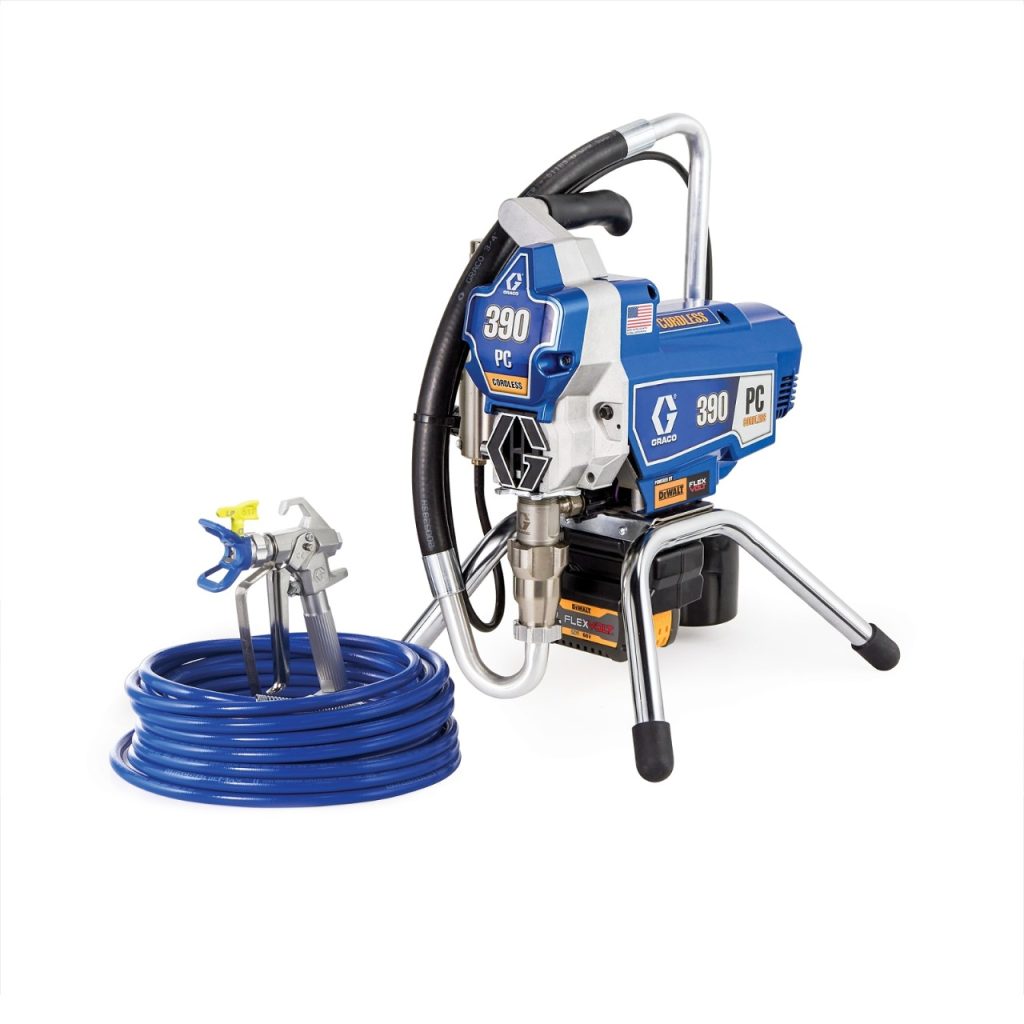
The professional painting industry demands equipment that delivers consistent results, withstands heavy daily use, and provides the versatility needed for diverse applications. The Graco 390 spray gun has established itself as a reliable workhorse in this competitive landscape, offering contractors and serious DIY enthusiasts a blend of power, precision, and durability that justifies its position in the airless sprayer market. This airless paint sprayer system represents Graco’s commitment to engineering equipment that addresses real-world painting challenges while maintaining the quality standards that professionals require.
Understanding what makes the Graco 390 stand out requires examining not just its specifications but how these features translate into practical benefits on actual job sites. From residential repaints to commercial maintenance projects, this sprayer system has been tested in countless scenarios where performance directly impacts profitability and project timelines. The technology behind the Graco 390 spray gun combines proven mechanical design with modern manufacturing precision, creating a tool that balances raw power with controllable application characteristics that experienced painters appreciate.
Understanding the Graco 390 Airless Sprayer System
The Graco 390 spray gun operates within a complete airless sprayer system designed around a piston pump mechanism that generates pressure levels reaching up to 3000 PSI. This high-pressure capability allows the sprayer to atomize coating materials without requiring compressed air, which fundamentally changes how paint particles are delivered to surfaces compared to conventional spray systems. The airless technology pushes paint through a small orifice in the spray tip at extremely high velocity, breaking the liquid into fine droplets that create an even coating pattern across the target surface.
What distinguishes the Graco 390 from entry-level equipment is its 0.54 horsepower motor that drives the piston pump at speeds capable of delivering up to 0.31 gallons per minute. This flow rate specification becomes critical when painting large surface areas where productivity directly correlates with material delivery speed. Professional painters working on exterior homes or commercial interiors understand that every minute saved on material application translates into either completing more projects or reducing labor costs on existing contracts. The motor’s power rating also indicates its ability to handle thicker coating materials like elastomeric paints or block fillers that would overwhelm smaller sprayer systems.
The pump design incorporates stainless steel construction in critical fluid pathway components, addressing one of the most common failure points in paint spraying equipment. When sprayers sit with coating materials in the pump between jobs or overnight, corrosion can develop in lower-grade metal components, leading to premature pump failure or contamination of subsequent paint batches. Stainless steel resists chemical attack from the solvents and additives found in modern architectural coatings, extending the operational lifespan of the equipment significantly. This material choice reflects understanding of how professional contractors actually use equipment in field conditions rather than idealized laboratory settings.
Key Features and Technical Specifications
| Specification | Graco 390 Details | Performance Impact |
|---|---|---|
| Maximum Pressure | 3000 PSI | Handles heavy-bodied coatings and texture materials |
| Flow Rate | 0.31 GPM | Completes 125 gallons per year efficiently |
| Motor Power | 0.54 HP | Consistent pressure with viscous materials |
| Pump Type | Piston pump | Durable performance with proper maintenance |
| Maximum Tip Size | 0.017″ | Versatile application from fine finish to heavy coatings |
| Hose Length | 50 feet standard | Extended reach reduces repositioning |
| Weight | 37 pounds | Portable yet stable during operation |
The maximum tip size of 0.017 inches supported by the Graco 390 spray gun defines the upper boundary of coating thickness the system can effectively atomize. Spray tips in airless systems function as precision orifices that convert hydraulic pressure into spray pattern velocity and shape. Larger tip sizes allow heavier materials to flow through while creating wider fan patterns, but they also require more pump pressure and flow capacity to maintain proper atomization. The 390’s ability to support tips up to this size means contractors can switch from fine finish work with smaller tips to applying texture coatings or primers with larger tips without changing equipment.
The 50-foot hose configuration addresses practical job site logistics that painters encounter daily. This hose length allows operators to position the sprayer unit in a central location while reaching most areas of typical residential rooms or building facades without relocating the machine. Longer hoses create more friction that reduces pressure at the gun, while shorter hoses require frequent machine repositioning that interrupts workflow. The 50-foot standard represents a balance point that Graco engineers determined through extensive field testing and professional painter feedback.
Pressure control adjustability on the Graco 390 gives operators the ability to fine-tune spray characteristics for different coating materials and application techniques. Lower pressure settings work well for thin stains or sealers where excessive pressure would create excessive overspray or bounce-back from the surface. Higher pressure settings become necessary when applying thick latex paints or when trying to achieve deeper penetration into porous substrates like rough wood or concrete block. The adjustment mechanism allows incremental pressure changes so operators can dial in the exact settings their specific project requires rather than choosing from limited preset options.
Applications and Project Suitability
The Graco 390 spray gun excels in residential repaint projects where contractors need to move efficiently through multiple rooms while maintaining consistent finish quality. Interior wall painting benefits from the sprayer’s ability to lay down uniform coatings faster than brush and roller application, particularly in empty rooms where overspray concerns are minimal. The equipment handles standard interior latex paints smoothly, delivering the coverage rates that make spray application economically viable compared to conventional methods. Painters working on rental property turnovers or flip houses particularly value the time savings that quality spray equipment provides.
Exterior painting applications represent another strong use case where the 390’s specifications align well with project requirements. Painting vinyl siding, wood trim, stucco, or fiber cement panels involves coating large, relatively open surfaces where spray application offers clear advantages. The sprayer delivers consistent material coverage across varied surface textures that would require extensive brushwork if done manually. Weather-resistant coatings used on exteriors often have higher viscosity than interior paints, making the 390’s pressure capacity and motor power relevant factors in maintaining productivity throughout long painting days.
Cabinet refinishing and furniture projects push the Graco 390 spray gun toward the finer end of its capability spectrum. While this sprayer can handle such work, operators need to understand that achieving the ultra-smooth finishes expected on cabinetry requires careful technique, proper material thinning, and potentially using the smaller end of the compatible tip size range. Professional cabinet painters often prefer dedicated fine finish sprayers for this work, but contractors who occasionally take on such projects find the 390 capable when paired with appropriate spray tips and proper surface preparation. The key involves matching expectations to equipment capabilities and understanding where technique compensates for equipment specifications.
Fence and deck staining projects benefit significantly from airless spray application, and the Graco 390 handles these applications effectively. Penetrating stains and solid color deck coatings spray well through the system, and the extended hose reach allows operators to work around posts and railings without constantly moving equipment. The challenge in fence staining involves managing overspray around landscaping and neighboring properties, which requires proper masking regardless of sprayer choice. The 390’s adjustable pressure helps control overspray levels by allowing operators to reduce pressure to the minimum needed for adequate atomization.
Comparing the Graco 390 to Other Airless Sprayers
When positioned against entry-level airless sprayers, the Graco 390 demonstrates its value through build quality and performance consistency that becomes apparent after extended use. Budget sprayers often use plastic housings and lower-grade pump components that may perform adequately when new but degrade more quickly under regular professional use. The 390’s construction targets users who need equipment that maintains performance characteristics after hundreds of hours of operation rather than dozens. Professional contractors calculate equipment value based on cost per project over the machine’s lifespan rather than simply initial purchase price.
Comparing the Graco 390 spray gun to higher-end models like the Graco 495 or 595 reveals where the 390 fits in Graco’s product hierarchy. The larger models offer increased flow rates, higher maximum pressure, and enhanced durability features that justify their higher prices for contractors who spray year-round. The 390 serves painters who need professional-grade performance but whose project volume doesn’t require the maximum flow capacity of larger units. Understanding this positioning helps buyers select equipment that matches their actual needs rather than either over-buying or under-buying capabilities.
Key differentiation points include:
- Duty cycle rating: The 390 suits contractors completing up to 125 gallons annually, while heavier-duty models target users spraying 500+ gallons yearly
- Pump warranty coverage: Graco’s warranty terms often vary by model, reflecting expected usage intensity and component durability
- Motor power and flow capacity: Higher-tier models feature more powerful motors that maintain pressure more easily with thick coatings or when using longer hose runs
- Feature sets: Premium models may include additional pressure monitoring, swivel connections, or enhanced pump prime functions
- Price positioning: The 390 typically costs 30-50% less than Graco’s high-output professional models while delivering 60-70% of their flow capacity
The competitive landscape includes Wagner and Titan airless sprayers in similar price ranges, each offering distinct engineering approaches to airless spray technology. Wagner models often emphasize ease of use and lighter weight, appealing to DIY users transitioning to airless equipment. Titan sprayers frequently compete on price while offering reasonable performance specifications. The Graco 390 spray gun maintains market position through brand reputation, dealer network support, and parts availability that matter significantly when equipment needs service or replacement components.
Operating the Graco 390 Spray Gun Effectively
Proper setup procedures lay the foundation for successful spray painting sessions with the Graco 390 spray gun system. Before introducing any coating material, operators should verify that all hose connections are tight, the spray gun filter is clean and properly installed, and the appropriate spray tip size is selected for the planned material and project. Running fresh water or cleaning solvent through the system first helps identify any leaks or connection issues before paint enters the equipment. This preliminary flush also ensures that any protective storage fluids or residual cleaning solution from previous use gets removed before coating material flows through.
Material preparation significantly impacts spray quality regardless of equipment quality. Paint viscosity must fall within ranges that the sprayer can atomize effectively at available pressure levels. Most architectural coatings spray well at manufacturer-supplied consistency, but some specialty products or coatings that have been stored for extended periods may require thinning. Adding thinning agents should follow coating manufacturer guidelines to avoid compromising film properties like adhesion, durability, or hiding power. Stirring paint thoroughly before pouring it into the sprayer hopper prevents settled pigments or additives from creating concentration variations that appear as color streaking or sheen differences in the dried film.
The priming process removes air from the pump and fluid passages, replacing it with coating material so the system can generate pressure and deliver consistent flow. On the Graco 390, priming involves placing the prime valve in the appropriate position, triggering the spray gun to allow material flow, and running the pump until coating material flows steadily without air bubbles. Incomplete priming results in sputtering spray patterns and pressure fluctuations that create uneven coating application. Patient, thorough priming takes a few extra minutes but prevents application problems that waste material and require touch-up work.
Spray technique fundamentals apply regardless of specific equipment but become especially important when using professional-grade sprayers capable of high flow rates. Maintaining consistent distance from the work surface, typically 12-14 inches with airless equipment, ensures uniform coating thickness across the entire painted area. Moving the spray gun parallel to the surface at steady speed prevents heavy spots where the gun slows and thin spots where it accelerates. Overlapping each pass by approximately 50% creates even coating buildup without distinct lines between passes. Triggering the gun after beginning each pass motion and releasing before ending prevents excessive buildup at pass endpoints.
Maintenance Requirements and Best Practices
Daily cleaning procedures represent the single most important maintenance factor affecting the Graco 390 spray gun operational lifespan. Paint residue left in pumps, hoses, and spray guns hardens into deposits that block fluid passages, damage seals, and require extensive disassembly to remove. Professional painters know that spending 15-20 minutes on thorough cleaning after each use prevents hours of restoration work later. The cleaning process involves flushing appropriate solvents through the entire system until the discharge runs clear, then flushing again with clean solvent to remove any remaining coating traces.
Pump packing maintenance involves periodically checking and replacing the seals that prevent paint from leaking around the piston rod. These seals wear gradually through normal use as the piston cycles thousands of times during painting sessions. Warning signs of worn packings include paint seeping from around the piston rod housing or loss of pressure generation capacity. Replacing packings requires basic tools and following procedures outlined in the operator manual, but addressing this maintenance proactively prevents more extensive damage. Many professional painters perform packing replacement on an annual schedule regardless of visible wear as preventive maintenance.
The spray gun filter traps paint particles and contaminants before they reach the spray tip where they could cause blockages or defects in the spray pattern. Checking this filter between paint batches and cleaning or replacing it when material flow seems restricted maintains consistent spray performance. Some painters keep spare filters on hand so they can quickly swap a clean filter rather than stopping to clean the current one during active painting. This small component significantly impacts spray quality when properly maintained but creates frustrating application problems when neglected.
Storage procedures protect equipment during periods between uses, whether overnight or for weeks between projects. Pumping storage fluid or lightweight mineral oil through the system leaves protective coating on internal metal surfaces that prevents corrosion. Storing the unit in temperature-controlled environments prevents damage from freezing conditions that can crack pump housings or damage seals. Releasing pressure from the system before storage reduces stress on seals and hoses. Following these storage practices means equipment remains ready for immediate use rather than requiring restoration before the next project.
Troubleshooting Common Graco 390 Issues
Loss of pressure or flow typically stems from a limited range of root causes that systematic diagnosis can identify. Clogged spray tips represent the most frequent culprit, occurring when paint particles or dried coating material blocks the small orifice. Removing and reversing the spray tip guard usually allows operators to blast the blockage clear using the built-in tip cleaning position. If pressure remains low after tip clearing, checking the gun filter and inlet screen for debris addresses the next likely restriction points. Worn pump packings can also reduce pressure generation capacity, though this develops gradually rather than suddenly.
Uneven spray patterns or sputtering indicate air in the system, inadequate material in the supply hopper, or spray tip damage. Air trapped in fluid passages creates intermittent flow that appears as sputtering or pattern irregularities. Repriming the system thoroughly usually resolves air-related issues. Running the hopper too low allows the pump to draw air along with paint, so maintaining adequate material level prevents this problem. Spray tips damaged by cleaning with metal tools or dropped on hard surfaces develop nicks that disrupt proper spray pattern formation and require tip replacement.
Motor runs but pump doesn’t generate pressure points toward issues with pump internal components like the piston, cylinder, or inlet/outlet valves. This condition sometimes develops if the unit sat unused for extended periods with coating material in the pump. Hardened paint can stick valves in open positions or create deposits that prevent proper valve seating. Thorough cleaning with appropriate solvents and cycling the pump repeatedly while filled with cleaning solution often resolves these issues. Persistent problems may require professional service involving pump disassembly and component replacement.
Excessive overspray or texture in the dried coating results from pressure settings that exceed what the coating material and application require. Reducing pressure until the spray pattern barely begins to lose its clean edges identifies the minimum effective setting for that specific material. Using the smallest spray tip that delivers adequate coverage also reduces overspray compared to unnecessarily large tips. Environmental factors like wind, temperature, and humidity affect overspray levels, so operators must adjust technique and equipment settings to match conditions.
Understanding Graco Paint Sprayer Tips Selection
Selecting appropriate spray tips for the Graco 390 spray gun requires understanding the numbering system that Graco uses to identify tip specifications. The first digit indicates the spray fan width in inches when held 12 inches from the surface, while the last two digits specify the orifice size in thousandths of an inch. For example, a 517 tip produces approximately a 10-inch fan width with a 0.017-inch orifice. This standardized system allows experienced painters to select appropriate tips based on the coating material viscosity and desired coverage speed.
Tip selection guidelines for common materials include:
- Thin stains and lacquers: 208-310 range provides fine atomization for smooth finishes
- Standard latex paints: 310-515 range offers good balance of coverage speed and finish quality
- Primers and thick latex: 415-517 range handles higher viscosity materials effectively
- Heavy coatings and textures: 517-619 range delivers flow capacity for thick materials
The reversible tip design on Graco spray tips allows quick clearing of clogs that occur during use. When the spray pattern begins to show signs of blockage, operators can stop spraying, rotate the tip 180 degrees in its holder, and trigger the gun briefly to blast the obstruction clear using full system pressure. This feature eliminates the need to stop work, remove the tip, and clean it manually every time minor blockages occur. Professional painters consider reversible tips essential equipment because they minimize interruptions during active painting.
Worn spray tips gradually produce wider spray patterns with less defined edges and reduced atomization quality. Paint particles become larger, creating more orange peel texture in the dried film. Replacing tips when pattern quality begins deteriorating maintains consistent finish appearance across entire projects. Many contractors replace tips after every major project or when switching to significantly different coating types. Tip cost represents a small fraction of project expense, making proactive replacement worthwhile compared to accepting reduced finish quality.
Cost Considerations and Value Proposition
The Graco 390 spray gun typically retails between $550-$750 depending on package configuration and retailer. This pricing positions it above consumer-grade airless sprayers costing $300-$400 but substantially below professional-grade units reaching $1,500-$2,500. For contractors who paint regularly enough to justify airless equipment but whose project volume doesn’t require maximum-capacity sprayers, this price point offers reasonable value. Break-even analysis comparing spray application time savings against equipment cost suggests that the 390 pays for itself after completing 3-4 substantial residential repaints for most contractors.
Operating costs beyond initial equipment purchase include spray tips averaging $10-$25 each, pump packings costing approximately $30-$50 per set, and cleaning solvents or solutions. These consumable costs remain relatively modest compared to labor savings that spray application provides. Energy consumption of the 0.54 HP motor amounts to approximately 400 watts during operation, contributing minimal expense to project costs. The primary ongoing expense involves maintenance and repair as equipment ages, though proper care and cleaning dramatically extend intervals between major service requirements.
Comparing the cost of purchasing spray equipment versus renting for occasional projects reveals that ownership becomes economical after relatively few uses. Rental rates for comparable airless sprayers typically run $60-$100 per day plus cleaning fees. A contractor completing just 6-8 rental days worth of painting annually approaches the purchase price of owning a Graco 390 spray gun outright. Ownership also provides the convenience of having equipment available whenever projects arise rather than dealing with rental availability and pickup/return logistics.
Resale value retention on used Graco equipment remains reasonably strong compared to other power tool categories. Well-maintained 390 units several years old still command 40-50% of original retail price in secondary markets, reflecting the brand’s reputation and the equipment’s durability. This residual value provides some downside protection for contractors uncertain about their long-term equipment needs. Professional painters can recoup meaningful portions of their equipment investment when upgrading to higher-capacity systems or exiting the painting business.
Safety Considerations When Operating Airless Sprayers
The extremely high pressures generated by the Graco 390 spray gun system create serious injury risks that operators must understand and respect. Airless spray equipment injects coating material under sufficient pressure to penetrate human skin, causing injection injuries that require immediate emergency medical treatment. Even seemingly minor contact with the spray stream can force paint deep into tissue where it causes severe damage and requires surgical intervention. Safe operation requires never pointing the spray gun at any part of the body and never triggering the gun while touching the tip or attempting to clear blockages with fingers.
Personal protective equipment for airless spray operation should include appropriate respiratory protection, eye protection, and skin coverage. Organic vapor respirators protect against inhaling paint solvents during spraying and cleaning operations. Safety glasses or face shields prevent coating material from contacting eyes if spray bounces back from surfaces or equipment malfunctions. Protective clothing including long sleeves and pants prevents paint from contacting skin where some coating components can cause irritation or sensitization over time. Professional painters invest in proper PPE because the health consequences of inadequate protection accumulate over years of exposure.
Pressure relief procedures must be followed whenever changing spray tips, disconnecting hoses, or performing any maintenance on the system. The prime valve on the Graco 390 provides the mechanism for bleeding system pressure by directing pump output to the material bucket rather than the spray gun. Engaging this valve and triggering the spray gun several times ensures that high-pressure coating material isn’t trapped in hoses or the gun before performing any work. Following lockout/tagout principles when multiple people work around spray equipment prevents accidental pump startup during maintenance.
Ventilation requirements during spray painting depend on coating material type, space volume, and local regulations. Indoor spraying generates airborne coating particles that accumulate in enclosed spaces, potentially reaching concentrations that pose fire, explosion, or health hazards. Opening windows, using exhaust fans, or employing dedicated spray booth ventilation systems reduces airborne concentrations. Water-based coatings generally require less ventilation than solvent-based products, but both generate particulates that proper ventilation should remove. Painters must also consider how overspray affects surrounding areas and whether additional containment measures are necessary.
Environmental Factors Affecting Spray Performance
Temperature conditions significantly influence how coating materials spray and how applied films cure. The Graco 390 spray gun performs optimally when both equipment and coating material remain within temperature ranges specified by paint manufacturers, typically 50-90°F. Cold paint increases viscosity, requiring higher spray pressure and potentially causing incomplete atomization that creates rough finish texture. Extremely hot conditions thin paint excessively, causing runs and sags while also accelerating solvent evaporation before the coating reaches the surface. Professional painters often adjust work schedules to paint during moderate temperature periods or use heated storage for coating materials in cold weather.
Humidity levels affect water-based coating performance more dramatically than solvent-based products. High humidity slows water evaporation from latex paints, extending drying times and potentially causing runs if coating is applied too heavily. Very low humidity accelerates drying, sometimes causing lap marks where coating begins to dry before adjacent areas are painted. The Graco 390’s adjustable pressure allows operators to compensate somewhat for humidity effects by varying application wetness, but extreme conditions may require postponing painting regardless of equipment capabilities.
Wind and air movement create major challenges for exterior spray painting by dispersing coating material away from target surfaces. Even moderate breezes carry overspray significant distances, potentially affecting neighboring properties or landscaping. Professional painters monitor weather forecasts and often paint early mornings when wind speeds remain low. The Graco 390 spray gun generates less overspray than high-volume low-pressure (HVLP) systems due to its airless technology, but substantial wind still makes controlled application impossible. Some contractors use temporary wind barriers on particularly exposed job sites.
Surface temperature affects coating adhesion and film formation independent of ambient air temperature. Surfaces in direct sunlight can reach temperatures 20-30°F higher than air temperature, causing coating materials to flash dry before flowing smoothly. This rapid drying creates a rough, poorly adhered film that may fail prematurely. Infrared thermometers allow painters to check surface temperatures before spraying, avoiding application to surfaces exceeding coating manufacturer specifications. Adjusting work sequences to follow shade patterns or painting during morning and evening hours addresses this issue on sunny days.
Frequently Asked Questions About the Graco 390 Spray Gun
What is the maximum hose length that can be used with the Graco 390 spray gun?
The Graco 390 can effectively operate with hoses up to 100 feet in length, though pressure loss increases with longer hose runs. The standard 50-foot hose provides optimal performance for most applications, while extending to 75-100 feet remains functional but may require higher pressure settings to compensate for friction losses. Using hoses longer than 100 feet risks insufficient pressure at the spray gun for proper atomization.
Can the Graco 390 spray oil-based paints and stains?
Yes, the Graco 390 spray gun handles oil-based coatings effectively. The system’s stainless steel fluid pathway resists chemical attack from the solvents used in oil-based products. Operators must follow thorough cleaning procedures using appropriate solvents like mineral spirits after spraying oil-based materials to prevent coating residue from hardening in the pump and hoses.
How often should pump packings be replaced on the Graco 390?
Pump packing replacement frequency depends on usage intensity but typically ranges from 125-200 gallons of coating material sprayed. Contractors who use the sprayer heavily may need annual packing replacement, while occasional users might go several years between changes. Visible paint leakage around the piston rod or pressure loss indicates worn packings requiring replacement.
What spray tip size should be used for standard interior latex paint?
For typical interior latex wall paints, spray tip sizes in the 310-515 range work well with the Graco 390 spray gun. A 515 tip provides good coverage speed for walls and ceilings while maintaining acceptable finish quality. Smoother finish work might benefit from a 413 or 415 tip, while thick primers could use a 517 tip effectively.
Is the Graco 390 suitable for commercial painting contractors?
The Graco 390 serves light-duty commercial applications effectively but may not provide sufficient capacity for high-volume commercial contractors who spray daily. It works well for commercial maintenance painting, small commercial repaints, or contractors who split work between commercial and residential projects. Full-time commercial painters typically benefit from higher-capacity models like the Graco 495 or 595.
Can the Graco 390 be used for cabinet painting and refinishing?
The Graco 390 can handle cabinet painting when paired with appropriate fine-finish spray tips and proper material preparation. Achieving the ultra-smooth finishes expected on cabinetry requires careful technique, potentially thinning coating materials, and using smaller tip sizes (310-313 range). Dedicated fine-finish sprayers may produce superior results, but the 390 remains capable for contractors who occasionally take on cabinet projects.
What maintenance is required after each use of the Graco 390 spray gun?
After each painting session, thoroughly flush the entire system with appropriate cleaning solvent until discharge runs clear, then flush again with clean solvent. Remove and clean the spray gun filter, inspect seals and connections for wear or damage, and store the unit with protective fluid in the pump if it won’t be used for several days. This daily maintenance prevents coating residue from hardening and damaging components.
How much does it cost to operate the Graco 390 per painting project?
Operating costs beyond initial equipment purchase include spray tips ($10-25), cleaning solvents ($5-15 per project), and electricity (approximately $0.50-$1.00 for a full day of operation). The primary expense involves your time for setup, operation, and cleaning. Material waste from overspray typically adds 5-15% to paint costs depending on technique and project complexity. Total operating costs remain modest compared to labor savings spray application provides.
Ready to upgrade your painting equipment? Check current pricing and availability for the Graco 390 spray gun directly from Graco’s authorized dealers. Professional painters trust Graco equipment for consistent performance across thousands of projects—discover why the 390 model continues earning recommendations from contractors nationwide.
For more insights on optimizing your spray painting technique, explore our detailed guide on graco paint sprayer tips selection and maintenance strategies that maximize equipment performance and finish quality.