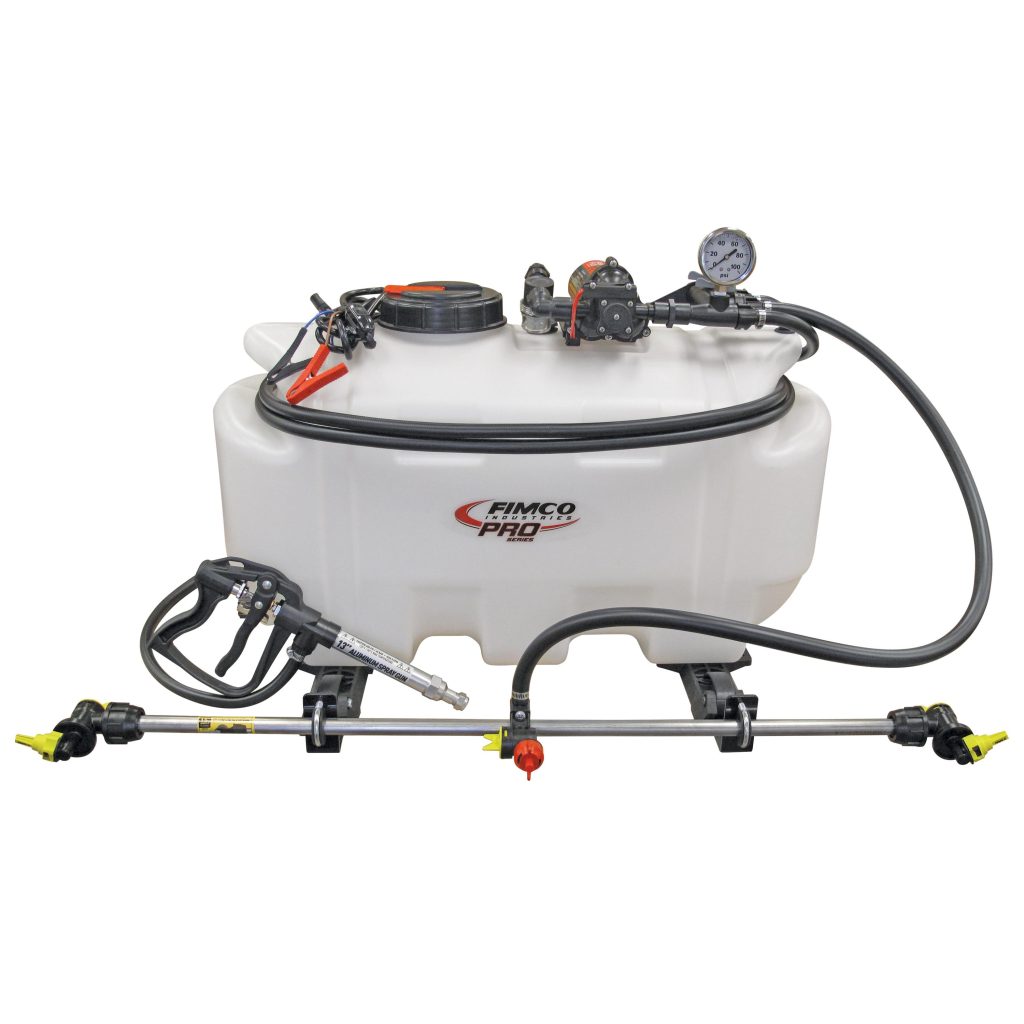
The agricultural equipment market offers numerous spraying solutions, but few combine capacity, durability, and performance quite like the Fimco 25 gallon sprayer. This professional-grade equipment has become a cornerstone for farmers, landscapers, and property managers who need reliable, high-capacity spraying capabilities for pesticides, herbicides, fertilizers, and other liquid applications. Unlike smaller capacity units or inefficient backpack sprayers, this commercial-grade system delivers the power and volume necessary to handle extensive acreage without constant refilling or performance degradation.
Understanding the capabilities and specifications of the 25 gallon Fimco sprayer is essential for anyone considering an investment in professional spraying equipment. This comprehensive guide explores every aspect of this powerful agricultural tool, from its robust construction and advanced features to practical applications and maintenance requirements. Whether you’re managing a large farm operation, maintaining commercial properties, or handling extensive lawn care contracts, the information presented here will help you determine if this sprayer system meets your specific operational needs and performance expectations.
What Makes the Fimco 25 Gallon Sprayer Stand Out in Professional Applications
The Fimco 25 gallon sprayer distinguishes itself through a combination of industrial-grade components, thoughtful engineering, and practical design features that address real-world challenges faced by agricultural professionals. At its core, this sprayer system utilizes a polyethylene tank that resists corrosion, chemical degradation, and UV damage far better than metal alternatives. The 25-gallon capacity strikes an optimal balance between sufficient volume for extended operations and manageable weight when fully loaded, allowing operators to cover significant acreage without the logistical complications of constantly returning to a fill station or hauling excessive weight that could damage mounting equipment or vehicles.
The pump system integrated into Fimco’s 25-gallon model represents one of its most critical performance factors. Most configurations feature a 12-volt diaphragm pump capable of delivering between 2.2 to 2.5 gallons per minute at 40-60 PSI, providing consistent spray patterns and adequate pressure for various nozzle types and application requirements. This pump technology offers several advantages over roller pumps or piston pumps, including self-priming capabilities, dry-run protection, and resistance to chemical corrosion. The diaphragm design also minimizes pulsation compared to older pump technologies, resulting in more uniform spray distribution and reduced wear on system components over time.
Construction quality separates professional-grade equipment like the Fimco 25 gallon ATV sprayer from consumer-level alternatives. The tank mounting system typically incorporates heavy-duty straps or brackets designed to secure the unit to ATV racks, UTV beds, or truck beds without shifting during transport over rough terrain. Reinforced tank walls maintain structural integrity even when completely filled and subjected to vibration and impact during field operations. The boom assembly, when included, features adjustable nozzle spacing and height settings to accommodate different crop types, row spacing, and application scenarios. Quality brass or stainless steel fittings throughout the system resist thread stripping and chemical corrosion, ensuring long-term reliability and reducing the frequency of replacement parts.
Key Technical Specifications and Performance Capabilities
| Specification | Details |
|---|---|
| Tank Capacity | 25 gallons (94.6 liters) |
| Tank Material | UV-resistant polyethylene |
| Pump Type | 12-volt diaphragm pump |
| Flow Rate | 2.2-2.5 GPM |
| Operating Pressure | 40-60 PSI (adjustable) |
| Power Requirement | 12-volt DC (vehicle battery) |
| Hose Length | 15-25 feet (varies by model) |
| Boom Width | 3-7 feet (when included) |
| Weight (Empty) | 35-45 lbs |
| Weight (Full) | Approximately 245 lbs |
Understanding these specifications helps operators match the Fimco sprayer 25 gallon capacity to their specific application requirements. The 2.2 to 2.5 gallons per minute flow rate means that under ideal conditions with minimal pressure drops, operators can completely empty the tank in approximately 10-12 minutes of continuous spraying. However, real-world applications typically involve intermittent spraying patterns, nozzle changes, and pressure adjustments that extend the operational time per tank fill to 20-30 minutes depending on coverage area and application rate.
The pressure range of 40-60 PSI accommodates a wide variety of nozzle types and spray patterns. Lower pressures around 40 PSI work well for broadcast spraying with wider fan patterns and larger droplet sizes, which proves advantageous in windy conditions or when drift control is paramount. Higher pressures approaching 60 PSI enable finer atomization for applications requiring thorough coverage of plant surfaces or penetration into dense canopy structures. Most 25 gallon Fimco sprayer units include an adjustable pressure regulator that allows operators to dial in the exact pressure needed for their specific task, optimizing both coverage quality and chemical efficiency.
The 12-volt DC power requirement offers both convenience and flexibility for mobile applications. Drawing power directly from the vehicle’s electrical system eliminates the need for gasoline engines, reducing maintenance requirements, noise levels, and exhaust emissions. The typical current draw ranges from 5 to 8 amps under normal operating conditions, well within the capacity of standard vehicle alternators and battery systems. However, operators should be mindful of battery drain during extended stationary operations and consider running the vehicle engine periodically to maintain adequate charge, especially when working away from readily available charging sources.
Primary Applications and Use Cases for Maximum Efficiency
The Fimco 25 gallon sprayer excels in agricultural settings where medium to large-scale applications demand reliability and efficiency. Row crop farmers utilize these systems for targeted herbicide applications between crop rows, taking advantage of the boom configuration to treat multiple rows simultaneously while minimizing chemical waste on planted areas. The 25-gallon capacity provides sufficient volume to treat 5-10 acres per fill depending on application rates, chemical concentration, and nozzle selection. This capacity range aligns perfectly with small to medium-sized field sections, allowing operators to complete logical work units without excessive trips to refill stations while avoiding the physical burden and mounting challenges associated with larger capacity units.
Pasture and rangeland management represents another primary application domain where this sprayer configuration demonstrates exceptional value. Property managers dealing with invasive species control, brush management, or pasture fertilization benefit from the mobility and terrain-handling capabilities that ATV or UTV mounting provides. The ability to navigate uneven ground, ford small streams, and access remote areas that would challenge tractor-mounted systems makes the Fimco 25 gallon ATV sprayer an indispensable tool for managing extensive grazing lands. The handgun or boom configurations allow operators to switch between spot treatment of individual problem plants and broadcast applications across larger areas, providing operational flexibility that fixed-pattern systems cannot match.
Lawn care professionals and landscape maintenance companies find the 25-gallon capacity ideal for servicing commercial properties, golf courses, and residential developments. The system’s mobility enables treatment of multiple properties during a single operational day without requiring a support vehicle for chemical refills. Mosquito abatement programs, turf disease prevention, and selective weed control in landscape beds all fall within the performance envelope of this equipment. The professional appearance and efficient operation of a properly maintained Fimco sprayer also project competence and reliability to clients, supporting business development and customer retention in competitive service markets.
Installation and Mounting Considerations for Different Vehicles
Proper installation of your Fimco 25 gallon sprayer directly impacts both safety and performance throughout its operational life. ATV mounting typically involves securing the tank and pump assembly to the rear cargo rack using heavy-duty straps or custom mounting brackets. The combined weight of the unit when fully loaded approaches 250 pounds, necessitating careful evaluation of the ATV’s cargo capacity and rear axle weight rating. Exceeding these specifications compromises vehicle handling, accelerates wear on suspension components, and creates dangerous operating conditions on slopes or uneven terrain. Many operators choose to mount the tank slightly forward of the rear axle centerline when possible, improving weight distribution and maintaining more neutral handling characteristics.
UTV bed mounting offers several advantages over ATV rack mounting, primarily related to weight distribution and operational convenience. The lower mounting position in a UTV bed lowers the center of gravity, enhancing stability during transport and operation. The enclosed bed structure also provides natural mounting points for securing straps and prevents the tank from shifting during aggressive maneuvering. Some operators fabricate custom bed liners or mounting platforms that elevate the sprayer slightly above the bed floor, facilitating complete drainage and simplifying cleaning procedures. When installing in UTV beds, ensure adequate clearance for the pump and fittings, and position the tank to maintain accessibility for filling operations without removing bed panels or tailgates.
Pickup truck installations of the 25 gallon Fimco sprayer provide maximum versatility for operators who need spraying capabilities alongside other cargo-hauling requirements. Truck bed mounting can be permanent or semi-permanent, depending on operational needs. Permanent installations typically involve bolting a platform to the bed floor or utilizing bed rail mounting systems that provide secure attachment points without drilling holes in the truck bed itself. Semi-permanent setups allow removal of the entire sprayer assembly when not needed, preserving full bed utility for other purposes. Regardless of approach, secure the tank to prevent shifting that could damage the bed liner or compromise handling safety, and route electrical connections to avoid pinching or abrasion from cargo or tailgate operation.
Pump Technology and Hydraulic System Components
The heart of any Fimco 25 gallon sprayer lies in its pump and hydraulic system, which must reliably move chemicals from the tank through hoses and nozzles under consistent pressure regardless of environmental conditions. Diaphragm pump technology dominates this capacity class due to its unique combination of chemical resistance, self-priming capability, and tolerance for running dry without immediate damage. The pump operates through the reciprocating motion of flexible diaphragms that create pressure differentials, drawing liquid through inlet check valves and expelling it through outlet check valves. This design isolates pumped fluids from mechanical components like motors and bearings, dramatically extending service life when handling corrosive agricultural chemicals.
The typical Fimco pump incorporated into 25-gallon systems features a Viton diaphragm and santoprene valves, materials specifically selected for their resistance to a broad spectrum of agricultural chemicals including herbicides, insecticides, fungicides, and liquid fertilizers. Viton’s exceptional chemical resistance prevents premature failure from exposure to harsh substances, while its flexibility across wide temperature ranges ensures reliable operation in both hot summer conditions and cool spring or fall weather. The santoprene valve material provides similar chemical resistance with excellent memory characteristics that help valves maintain proper seating over thousands of operating cycles, minimizing pressure loss and maintaining consistent flow rates.
Understanding the pump’s pressure-flow relationship helps operators optimize performance for different application scenarios. As system pressure increases through nozzle restriction or pressure regulator adjustment, flow rate decreases according to the pump’s characteristic curve. Most diaphragm pumps used in Fimco 25 gallon sprayer configurations deliver maximum flow at minimum pressure, with output declining as resistance increases. For example, a pump rated at 2.5 GPM might deliver that full flow at 20 PSI but only 2.0 GPM at 60 PSI. This relationship matters when selecting nozzles and planning application rates—higher pressure settings reduce overall flow, requiring slower ground speeds to maintain target application rates per acre.
The pressure regulation system typically consists of an adjustable relief valve that bypasses excess pump output back to the tank when system pressure reaches the set point. Quality pressure regulators feature gradual adjustment mechanisms that allow fine-tuning of operating pressure to match specific nozzle requirements and application goals. Some advanced Fimco sprayer models incorporate pressure gauges that provide real-time feedback on system pressure, enabling operators to verify consistent performance and quickly identify problems like clogged nozzles or failing pump components. Regular monitoring of pressure gauge readings during operation helps detect developing issues before they result in application failures or equipment damage.
Boom Systems and Nozzle Configuration Options
Boom configurations transform the Fimco 25 gallon sprayer from a spot-treatment tool into a broadcast application system capable of efficiently covering large areas. Standard boom assemblies range from 3 to 7 feet in width, with longer booms providing faster coverage rates at the expense of maneuverability in tight spaces or around obstacles. The boom structure itself typically consists of square or rectangular aluminum tubing that offers excellent strength-to-weight ratios and corrosion resistance. Mounting systems allow adjustment of boom height above the target surface, typically ranging from 12 to 24 inches, enabling operators to optimize spray pattern overlap and minimize drift risk based on nozzle selection and wind conditions.
Nozzle selection represents perhaps the most critical decision for achieving application goals while minimizing chemical waste and environmental impact. Flat fan nozzles dominate agricultural applications due to their even distribution pattern and predictable performance characteristics. These nozzles produce tapered-edge spray patterns that, when properly overlapped, create uniform coverage across the boom width. The spray angle, typically ranging from 80 to 110 degrees, determines the optimal nozzle height and spacing for even coverage. Operators must match nozzle angle to boom height and spacing—wider angles require lower boom heights for proper pattern overlap, while narrower angles permit higher mounting positions that better accommodate crop canopies or uneven terrain.
Nozzle flow rates, designated by color-coded orifice sizes, must be carefully selected to match desired application rates with practical ground speeds. The relationship follows a straightforward formula: Application Rate (gallons per acre) = (5940 × GPM × Number of Nozzles) ÷ (MPH × Nozzle Spacing in inches). For example, a Fimco 25 gallon sprayer equipped with a 6-foot boom, three nozzles on 24-inch spacing, each flowing 0.4 GPM at operating pressure, traveling at 5 MPH would deliver approximately 28 gallons per acre. Understanding this relationship allows operators to adjust any variable to achieve target application rates, whether by changing nozzles, adjusting pressure (which affects flow rate), or modifying ground speed.
Drift reduction technology has become increasingly important as regulatory requirements tighten and public awareness of pesticide drift grows. Modern nozzle designs incorporate features that produce larger droplet sizes while maintaining adequate coverage. Venturi-style nozzles introduce air into the spray stream, creating air-filled droplets that are less susceptible to wind drift while still providing good target coverage. Pre-orifice designs restrict flow before the main orifice, reducing pressure at the spray tip and producing larger, less drift-prone droplets. When operating near sensitive areas like organic farms, residential properties, or water bodies, investing in drift-reduction nozzles for your 25 gallon Fimco sprayer provides both regulatory compliance and good neighbor relations.
Essential Maintenance Procedures for Long-Term Reliability
Proper maintenance of your Fimco 25 gallon sprayer dramatically extends equipment life while ensuring consistent performance and preventing application failures during critical operational windows. The single most important maintenance practice involves thorough cleaning after every use, particularly when switching between different chemical types. Chemical residues left in the tank, lines, or pump can contaminate subsequent applications, potentially damaging sensitive crops or reducing efficacy of incompatible products. Begin the cleaning process by spraying out all remaining solution, then fill the tank with clean water and operate the pump to flush the entire system. For thorough decontamination between incompatible chemicals, use a tank cleaner specifically formulated for agricultural sprayers, following manufacturer recommendations for concentration and contact time.
Pump maintenance focuses primarily on inspecting and replacing wear components before they fail during operation. The diaphragm and check valves represent the most critical wear items in the system. Diaphragms typically last 200-300 hours of operation under normal conditions but may degrade faster when exposed to highly corrosive chemicals or operated at excessive pressures. Signs of diaphragm failure include sudden pressure loss, erratic pressure gauge readings, or visible chemical leakage from the pump body.
Check valves can become stuck or worn, indicated by reduced flow rates or loss of prime when the pump sits idle. Most Fimco sprayer pumps feature easily accessible valve assemblies that allow inspection and replacement without special tools, making preventive replacement during the off-season a straightforward and cost-effective maintenance practice.
Strainer and filter maintenance prevents debris from damaging pump components or clogging nozzles during operation. Inline strainers located between the tank outlet and pump inlet capture larger particles that could damage check valves or diaphragms. These strainers require checking and cleaning after every few uses, more frequently when working with wettable powder formulations that tend to leave residues. Nozzle strainers, typically 50-100 mesh screens installed inside each nozzle body, protect the small orifices from clogging. When application quality deteriorates or individual nozzles produce irregular patterns, remove and inspect these screens for debris accumulation. Ultrasonic cleaners provide excellent results for removing stubborn deposits from nozzle screens and bodies without damaging delicate components.
Electrical system maintenance ensures reliable starting and operation throughout the spraying season. Battery connections should be cleaned and protected with dielectric grease to prevent corrosion that increases resistance and reduces available current to the pump motor. Wiring harnesses should be inspected for damage from abrasion, chemical exposure, or rodent activity, with particular attention to areas where wires pass through metal panels or contact moving parts.
The pressure switch, which automatically activates the pump when trigger guns are opened, occasionally requires cleaning or replacement as contacts become worn or corroded. Testing the entire electrical circuit at the beginning of each season, before heading to the field, prevents frustrating troubleshooting sessions when weather windows are tight and applications need to proceed on schedule.
Chemical Compatibility and Safety Considerations
Understanding chemical compatibility with your Fimco 25 gallon sprayer materials prevents premature equipment failure and ensures safe handling of agricultural chemicals. The polyethylene tank material demonstrates excellent resistance to most agricultural chemicals including glyphosate-based herbicides, 2,4-D formulations, common insecticides, and liquid fertilizers. However, certain chemicals, particularly those containing aromatic solvents or at extreme pH ranges, may gradually degrade polyethylene over extended exposure. Manufacturers typically provide compatibility charts specifying which chemicals are safe for extended contact with tank materials. When working with unfamiliar products, consult both the chemical label and sprayer documentation to verify compatibility before filling the tank.
Viton seals and diaphragm materials used in quality pump assemblies offer broad chemical resistance but have limitations. Strong oxidizing agents, certain ketones, and some concentrated acids can degrade Viton over time. When the product label warns against use with certain pump materials, take these warnings seriously—the cost of pump rebuilding or replacement far exceeds the savings from attempting to use incompatible products. For applications requiring chemicals incompatible with standard sprayer materials, specialty pump models with different seal materials may be necessary, or alternative application methods should be considered.
Personal protective equipment requirements for handling agricultural chemicals deserve serious attention regardless of experience level. Chemical labels specify minimum PPE requirements, typically including chemical-resistant gloves, protective eyewear, long-sleeved shirts, long pants, and closed-toe shoes. Many labels also require respirators when handling concentrated products or during mixing operations. The Fimco 25 gallon sprayer design should facilitate safe chemical handling—wide tank openings simplify filling operations and reduce spillage risk, while mounted pump switches allow operators to activate and deactivate the system without contacting spray solution. Always fill tanks in well-ventilated areas, use proper measuring containers to ensure accurate chemical rates, and have clean water available for immediate decontamination in case of accidental exposure.
Environmental protection extends beyond proper application technique to include preventing point-source contamination during filling, mixing, and disposal operations. Never fill your sprayer directly from natural water bodies, as the potential for back-siphoning can introduce chemicals into aquatic environments. Conduct mixing and filling operations on impermeable surfaces or contained areas where spills can be controlled and cleaned up without soil or water contamination. Rinse water from cleaning operations should be disposed of according to label instructions and local regulations, typically involving application to labeled crops at rates that prevent environmental harm. The fine mist spray bottle serves different purposes than agricultural sprayers, but proper chemical handling principles apply across all application equipment scales.
Troubleshooting Common Performance Issues
Even well-maintained equipment occasionally experiences performance problems that require diagnosis and correction. Loss of prime, where the pump fails to draw solution from the tank, ranks among the most common Fimco 25 gallon sprayer issues. This problem typically stems from air leaks in the suction line between the tank outlet and pump inlet. Check all connection points for loose fittings, cracked hoses, or degraded O-rings that allow air infiltration. The tank outlet fitting gasket commonly deteriorates over time, creating a perfect entry point for air that prevents proper pump operation. Tightening connections or replacing gaskets usually resolves prime-loss issues quickly, getting operations back on track without significant downtime.
Pressure fluctuations during operation indicate problems with the pump or pressure regulation system. Erratic pressure gauge movement suggests worn check valves that fail to seal properly, allowing pressure pulses that should be dampened by the accumulator to reach the spray line. Steadily declining pressure points to a failing diaphragm or leak in the pressure side of the system. Start diagnosis by observing the pressure gauge while operating the pump with the spray gun closed—pressure should build to the regulator set point and remain steady. If pressure continues climbing beyond the set point, the pressure regulator requires adjustment or replacement. If pressure peaks below the normal range, investigate pump wear components.
Uneven spray patterns from boom-mounted nozzles frustrate operators and result in poor application quality. When all nozzles produce weak or distorted patterns, look for system-wide issues like insufficient pressure, partially clogged in-line filters, or pump performance problems. When only one or a few nozzles spray poorly, focus on those specific components. Remove and inspect affected nozzles for damage, wear, or debris. Nozzle bodies can crack from impact damage or freeze damage if water isn’t fully drained before cold weather. Nozzle tips wear over time, particularly on the orifice edges, causing pattern distortion and increased flow rates. Replace worn nozzles as complete sets to maintain uniform flow rates across the boom and consistent application rates.
Electrical issues manifest as complete pump failure, intermittent operation, or reduced performance. Start electrical diagnosis by verifying adequate voltage at the pump motor terminals—12 volts or higher under load indicates proper power delivery. Lower voltages suggest problems with wiring, connections, or the power source itself. Measure voltage at the battery, at intermediate connection points, and finally at the pump to isolate where voltage drops occur.
Significant voltage drop between any two points indicates excessive resistance from corrosion, undersized wiring, or damaged connections. The pump motor itself can fail, though this occurs less frequently than wiring problems. A motor that hums but doesn’t run may have a seized bearing or internal electrical failure requiring motor replacement or complete pump assembly replacement depending on the design.
Comparing Capacity Options Within the Fimco Sprayer Lineup
While the Fimco 25 gallon sprayer occupies a sweet spot for many applications, understanding how it compares to other capacity options helps operators select the optimal equipment for their specific needs. The 15-gallon Fimco models appeal to operators with limited mounting space or those primarily performing spot treatments where the reduced capacity means less weight and improved vehicle handling. These smaller units typically feature the same quality pump components as larger models but may have shorter hose lengths and simpler boom configurations. For property owners maintaining 5-10 acres or service providers handling primarily residential properties, the 15-gallon capacity often proves sufficient while offering easier storage and transport when not in use.
Moving up the capacity scale, 40-gallon and 60-gallon Fimco sprayers serve operations requiring extended run times between refills or treating larger contiguous areas. These systems typically feature more powerful pumps capable of 3-5 GPM flow rates, supporting wider boom configurations or multiple simultaneous spray guns for increased productivity. The weight increase when fully loaded becomes substantial—a 60-gallon unit can weigh over 550 pounds when full, necessitating robust mounting systems and vehicles with adequate payload capacity. While the productivity gains are significant for large-scale operations, the 25 gallon Fimco sprayer often represents the upper limit for practical ATV mounting and provides more flexibility for operators who need to balance spraying capabilities with other equipment requirements.
The 25-gallon capacity strikes an optimal balance for mixed operations where productivity matters but extreme weight and size create logistical challenges. A single operator can reasonably manage filling, transporting, and operating a 25-gallon system without special equipment or additional personnel. The capacity supports 2-4 hours of actual spray time depending on application rates, matching typical half-day work sessions.
When projects extend beyond what one tank fill can cover, refill breaks provide natural rest periods for operators and opportunities to inspect equipment, assess coverage quality, and adjust tactics based on observed results. This operational rhythm promotes both efficiency and quality, making the 25 gallon Fimco ATV sprayer a pragmatic choice for professional applicators who value both productivity and attention to detail.
Real-World Performance Data and User Experiences
Agricultural contractors specializing in pasture management report impressive productivity figures with Fimco 25 gallon sprayer systems. One Oklahoma-based operation treating grassland for invasive cedar encroachment documents treating an average of 8-12 acres per day with a single operator using a UTV-mounted 25-gallon system. The operation uses a 6-foot boom with three nozzles for broadcast applications and switches to a handgun for targeted treatment of individual cedar trees in areas with desirable native vegetation. The contractor reports that the 25-gallon capacity allows completing most treatment areas without leaving to refill, maintaining productive momentum throughout the workday. Equipment reliability has proven excellent, with pump rebuilds required only every 300-400 hours of operation and no tank failures despite years of rough-terrain transport.
Landscape maintenance companies servicing commercial properties find the Fimco sprayer 25 gallon capacity ideal for mosquito control applications. A Florida-based company treating residential communities and golf courses reports that the 25-gallon capacity allows treating 3-4 properties before requiring refills, optimizing route efficiency and reducing non-productive travel time. The company operates six UTV-mounted systems, accumulating over 2,000 hours annually across the fleet. They report that proper maintenance, particularly thorough post-use cleaning and regular pump inspection, has resulted in average equipment lifespan exceeding six years before requiring major component replacement. The investment in quality mounting systems and protective equipment storage has minimized damage from transport and weather exposure, protecting their capital equipment investment.
Row crop producers incorporating precision spot spraying for weed control in soybeans and cotton describe the 25 gallon Fimco sprayer as an invaluable complement to larger field sprayers. When isolated weed patches appear after broadcast applications, the mobility and quick deployment of ATV-mounted systems allows immediate treatment without the expense and logistics of mobilizing tractor-mounted equipment. One Arkansas operation reports reducing overall herbicide usage by 15-20% through strategic use of a 25-gallon spot sprayer to address problem areas identified through field scouting. The cost savings on chemical inputs combined with improved weed control that prevents localized infestations from spreading has generated impressive return on the sprayer investment, paying for the equipment in less than two growing seasons.
Advanced Features and Upgrade Options
Several manufacturers offer enhanced Fimco 25 gallon sprayer configurations incorporating advanced features that extend capability and improve operational efficiency. Electronic pressure monitoring systems replace traditional analog gauges with digital displays that provide more precise pressure readings and can log pressure data over time for quality assurance documentation. Some systems integrate with GPS receivers to map application areas, ensuring complete coverage without gaps or excessive overlap. These technology additions prove particularly valuable for commercial applicators who must document treatment areas and rates for regulatory compliance or customer billing purposes. The data logging capabilities also facilitate troubleshooting by recording operating conditions when performance issues occur.
Variable rate application technology, once exclusive to large agricultural operations, has become accessible for smaller-scale systems including 25-gallon capacity sprayers. Simple variable rate systems adjust application rates based on ground speed, maintaining consistent gallons-per-acre coverage even when operator speed varies across terrain. More sophisticated systems incorporate prescription maps that automatically adjust rates based on GPS position, enabling site-specific management even with smaller capacity equipment. While the Fimco 25 gallon sprayer serves admirably for straightforward broadcast applications, operators handling high-value specialty crops or complex treatment protocols should investigate available technology upgrades that can significantly enhance application precision and documentation capabilities.
Boom width extensions and adjustable-width boom systems provide flexibility for operations encountering varying row spacing or working in areas with different space constraints. Quick-disconnect boom mounting systems allow switching between boom configurations and handgun-only setups in minutes rather than the lengthy process required with permanent installations. Operators working diverse properties—from wide-open pastures to tight vineyard rows—benefit enormously from this configurability.
Multiple spray tip configurations including spot jets for targeted applications, flood jets for high-volume drenching, and adjustable-pattern tips that change from narrow streams to wide fans provide tactical flexibility without carrying multiple specialized sprayers. When specifying your 25 gallon Fimco ATV sprayer, consider which attachments and features align with your most common applications while leaving room for adaptation as operational needs evolve.
Cost Analysis and Return on Investment Considerations
The purchase price for a complete Fimco 25 gallon sprayer system typically ranges from $800 to $1,500 depending on configuration and included accessories. Basic ATV-mounted units with standard pumps and minimal accessories occupy the lower end of this range, while fully-equipped systems with extended booms, premium pumps, and complete plumbing packages approach the upper limits. This represents a significant investment for small operations but proves quite reasonable when evaluated against the value generated through improved application efficiency, reduced chemical waste, and enhanced crop protection or property maintenance outcomes. Commercial applicators should analyze investment payback based on billable hours of operation, with most systems reaching break-even within one to two seasons of regular professional use.
Operating costs beyond the initial purchase include chemical products, replacement parts, maintenance supplies, and labor for operating and maintaining the equipment. Chemical costs dominate the operating budget for most spraying operations, typically representing 70-85% of total treatment costs. The Fimco 25 gallon sprayer’s ability to deliver precise application rates through proper nozzle selection and consistent pressure regulation directly impacts chemical efficiency.
Reducing application rates by even 10% through improved application uniformity generates substantial cost savings over a full season while often improving efficacy by ensuring adequate coverage without waste. The relatively low maintenance requirements of diaphragm pump systems minimize parts costs, with annual maintenance typically consuming less than 5% of the system’s purchase price when proper care practices are followed.
Return on investment analysis must consider both direct cost savings and indirect value creation. Direct savings include reduced labor time through efficient coverage rates, lower chemical costs through precise application, and decreased equipment downtime from reliable operation. Indirect value derives from improved treatment outcomes that enhance crop yields, reduce re-treatment requirements, or maintain property aesthetics that support higher lease rates or property values. A custom applicator charging $25-35 per acre for pasture treatments needs to complete only 30-50 acres to recover the system purchase price through service fees alone. Property managers achieving better weed control that reduces subsequent treatment needs or protects forage quality for livestock operations often realize returns exceeding 300-400% over the equipment’s useful life.
Regulatory Compliance and Application Documentation
Professional applicators using Fimco 25 gallon sprayer equipment for commercial applications must navigate an increasingly complex regulatory environment governing pesticide use, applicator certification, and treatment documentation. Most jurisdictions require commercial applicators to hold appropriate pesticide applicator licenses specific to the categories of pesticides being applied and the target environments. These licensing programs typically involve written examinations covering pesticide safety, environmental protection, application technology, and integrated pest management principles. Continuing education requirements maintain license validity, ensuring applicators stay current with evolving regulations and best practices. Even private applicators treating their own property face restrictions on certain restricted-use pesticides that require certification for purchase and use.
Application records serve multiple purposes including regulatory compliance, liability protection, and operational analysis. Required record elements vary by jurisdiction but typically include treatment date, location description, target pest, pesticide product name and EPA registration number, total amount applied, and applicator identification. Weather conditions at application time, particularly wind speed and direction, should be documented to demonstrate compliance with label restrictions and defend against drift complaints. GPS coordinates or mapped treatment areas provide precise location documentation that proves invaluable when questions arise about where treatments occurred relative to sensitive areas. Digital record-keeping systems simplify documentation while enabling analysis of treatment efficacy, cost trends, and operational efficiency over time.
Buffer zones and setback requirements mandate leaving untreated areas adjacent to water bodies, property boundaries, or sensitive land uses. Sprayer equipment capabilities and operator skill directly impact the ability to comply with these restrictions while still effectively treating target areas. The 25 gallon Fimco sprayer’s handgun option allows precise edge treatment with better control than wide booms that may overspray regulated buffers. Drift reduction nozzles and pressure management further enhance compliance by minimizing the risk of pesticide movement beyond intended treatment areas. Professional applicators should thoroughly understand applicable buffer requirements before beginning treatments and configure their sprayer system to support compliance rather than fighting equipment limitations while trying to meet regulatory obligations.
Seasonal Preparation and Winterization Protocols
Preparing your Fimco 25 gallon sprayer for storage at season’s end prevents freeze damage and corrosion that could sideline equipment when spring applications begin. The most critical winterization step involves complete removal of all water from the system. Even small amounts of water remaining in pump chambers, hoses, or fittings can freeze and crack components, leading to expensive repairs and frustrating delays when attempting to start operations. Begin winterization by thoroughly flushing the entire system with clean water to remove all chemical residues. Follow this with a solution of RV antifreeze pumped through the system until it appears at all nozzles and drain points, ensuring complete displacement of water from every component.
Pump protection extends beyond water removal to include lubrication of moving parts and protection of seals from drying and degradation. After evacuating all fluids, introduce a light coating of food-grade mineral oil or specific pump storage oil into the pump chamber through the inlet port. Rotate the pump shaft by hand several times to distribute lubricant across diaphragms and internal surfaces. This lubrication prevents diaphragm material from sticking to housing surfaces during storage, reducing the risk of tears when operation resumes. Store the pump motor in a protected environment if possible, as extreme temperature cycling and moisture exposure accelerate deterioration of electrical components and wiring insulation.
Tank cleaning and preparation protects the polyethylene material and eliminates odors and residues that could contaminate next season’s applications. After flushing away all chemical residues, fill the tank partially with a solution of tank cleaner or diluted bleach solution following manufacturer recommendations. Operate the pump to circulate the cleaning solution through all system components, then let it sit for the prescribed contact time. Drain and flush thoroughly with clean water, then leave the tank open to the atmosphere to dry completely.
Store the tank with the lid secured but vented to prevent pressure buildup from temperature changes while keeping debris and pests from entering. Remove or protect boom assemblies from impact damage during storage, and inspect all hoses for signs of degradation that might suggest replacement before next season rather than discovering failures during critical application windows.
Optimizing Ground Speed and Application Rates
Achieving target application rates with your Fimco 25 gallon sprayer requires careful coordination between ground speed, nozzle flow rates, and system pressure. Many operators underestimate the importance of consistent ground speed, assuming that variations of 1-2 MPH don’t significantly impact results. However, the relationship between speed and application rate is inversely proportional—doubling your speed halves your application rate per acre. A sprayer calibrated to apply 20 gallons per acre at 4 MPH will only deliver 10 gallons per acre if speed increases to 8 MPH, potentially reducing efficacy below acceptable thresholds while wasting time and fuel on inadequate treatments.
Practical calibration methods allow operators to verify actual application rates under field conditions rather than relying solely on theoretical calculations. The most straightforward approach involves measuring the output from all nozzles over a timed interval, then calculating the area covered at your operating speed. Collect spray output from all nozzles simultaneously into measuring containers for exactly one minute while operating at typical system pressure.
Total the collected volume and convert to gallons if necessary. Next, measure a test course of known distance—100 feet works well for most situations—and time how long it takes to travel that distance at your normal operating speed. Convert this to miles per hour using the formula: MPH = (Distance in feet × 60) ÷ (Time in seconds × 88). With flow rate and speed known, calculate gallons per acre using the formula provided earlier, comparing results to your target rate.
Adjusting application rates to match label requirements or specific treatment goals involves modifying one or more of three variables: nozzle size, operating pressure, or ground speed. Changing nozzle orifice size provides the most dramatic adjustment range—switching from an 02 nozzle to an 04 nozzle doubles flow rate and application rate if other factors remain constant. Pressure adjustments offer finer tuning within a narrower range—increasing pressure by 50% only increases flow rate by about 22% due to the square root relationship between pressure and flow.
Ground speed provides infinite adjustability but requires disciplined operation to maintain consistency, particularly across varying terrain. Most experienced operators establish an optimal speed for their equipment and conditions, then select nozzles that deliver target rates at that speed, avoiding the difficulty of maintaining unusual speeds that don’t match natural operating rhythms.
The Fimco 25 gallon ATV sprayer typically operates most efficiently at ground speeds between 3-6 MPH. Slower speeds provide thorough coverage and excellent spray deposition but reduce productivity and may result in excessive application that wastes chemicals and increases runoff risk. Faster speeds improve productivity but challenge the system’s ability to deliver adequate volume, especially when applying at rates exceeding 15-20 gallons per acre. Wind effects also increase at higher speeds, with equipment motion adding to ambient wind to increase drift potential. Finding the sweet spot for your operation requires testing different combinations under actual field conditions, evaluating both efficiency metrics and treatment outcomes to identify the optimal balance between productivity and application quality.
Tank Agitation and Chemical Mixing Strategies
Proper chemical mixing and tank agitation prove essential for maintaining uniform concentration throughout the Fimco 25 gallon sprayer tank, preventing settling of suspended particles and ensuring consistent application rates from first spray to last. Many agricultural chemicals, particularly wettable powder formulations and suspension concentrates, contain solid particles that settle rapidly when agitation ceases. Without continuous agitation during application, the concentration sprayed progressively decreases as liquid depletes, resulting in under-application near the end of the tank and wasted chemical settled in the tank bottom. Some formulations separate so aggressively that visible stratification occurs within minutes of stopping agitation.
Most Fimco sprayer systems achieve agitation through bypass flow from the pressure regulator, which returns excess pump output to the tank through a fitting designed to create turbulence and circulation. The effectiveness of this agitation method depends on bypass flow volume, return jet positioning, and tank shape. Pump output typically ranges from 2.2-2.5 GPM, but nozzle consumption may only be 0.5-1.5 GPM during actual spraying, leaving 1.0-2.0 GPM available for agitation. This flow volume provides adequate agitation for most liquid formulations and maintains suspension of moderately heavy particles, but may prove insufficient for dense wettable powders or when operating at higher nozzle flow rates that reduce available bypass volume.
Positioning the agitation return jet influences mixing effectiveness significantly. Jets directed at the tank bottom near the outlet fitting provide optimal agitation where settling occurs and where uniform concentration matters most as liquid enters the pump. Jets positioned too high in the tank fail to disturb settled material effectively, particularly as tank level drops during application. Some operators add supplementary agitation jets or modify return fittings to improve circulation patterns, especially when regularly applying difficult-to-suspend formulations.
When working with particularly problematic chemicals, perform a simple settlement test by filling the sprayer, operating briefly to achieve full mixing, then shutting down for 15-30 minutes. Restart and spray a small quantity into a clear container—visible stratification or concentration variation indicates inadequate agitation requiring system modifications or more frequent agitation during operation.
The mixing sequence for multiple-product tank mixes follows specific guidelines that prevent incompatibility problems and ensure proper dispersion. Start with the tank partially filled—roughly half capacity for a 25 gallon Fimco sprayer—which provides enough liquid for initial agitation while leaving room for additional products. Add products in the “WALES” sequence: Wettables first, allowing complete dispersion before proceeding; Agitate thoroughly; Liquids next, followed by Emulsifiable concentrates; and finally Solubles.
This sequence minimizes compatibility problems that can occur when certain formulation types contact each other in concentrated form. Activate agitation before adding any products and maintain continuous agitation throughout the mixing process and during application. Rinse emptied product containers thoroughly, adding rinse water to the spray tank to ensure complete transfer of purchased product and minimize disposal complications.
Understanding Spray Drift and Mitigation Techniques
Spray drift—the movement of pesticide droplets away from the target area—represents one of the most significant risks associated with operating any agricultural sprayer, including Fimco 25 gallon sprayer systems. Drift potential increases exponentially as droplet size decreases, with fine droplets below 200 microns particularly susceptible to wind transport. These small droplets may remain airborne for extended periods, traveling hundreds or even thousands of feet from application sites before settling. The consequences of drift extend from reduced application efficacy in target areas to potential damage of sensitive crops, contamination of water bodies, and legal liability for off-target impacts. Understanding the factors that influence drift and implementing appropriate mitigation strategies protects both the environment and the operator’s business interests.
Nozzle selection provides the primary means of controlling droplet size distribution. Standard flat fan nozzles operated at typical pressures produce a range of droplet sizes from very fine to coarse, with 40-60% of the volume consisting of droplets small enough to present drift risk. Air induction nozzles and venturi-style drift reduction nozzles incorporate design features that produce dramatically larger droplet sizes—often 80-90% of volume consists of medium to extremely coarse droplets above 300 microns that resist wind transport.
While these larger droplets reduce drift potential substantially, they may provide less thorough coverage of plant surfaces, requiring higher volumes or multiple applications in some scenarios. When operating your Fimco sprayer 25 gallon system near sensitive areas, the slight coverage reduction from drift-reduction nozzles represents an acceptable trade-off against the risk of damaging neighboring crops or violating buffer zone requirements.
Operating conditions dramatically affect drift potential, with wind speed ranking as the most influential factor under operator control. Label restrictions typically prohibit application when wind exceeds 10-15 MPH, though best practices suggest limiting applications to periods with winds below 5-7 MPH when working near sensitive areas. Wind direction matters as much as speed—never apply when wind blows toward sensitive crops, organic operations, water bodies, or occupied structures.
Temperature inversions, which occur when air temperature increases with altitude rather than the normal decrease, trap small droplets in a stable air layer that can transport them considerable distances before the inversion breaks. Inversions typically form in evening hours as surface air cools and persist through early morning, making these periods particularly risky for applications despite the often-calm conditions that tempt operators to work during these times.
Boom height and ground speed interact with nozzle characteristics and wind conditions to influence drift potential. Lower boom heights reduce the time droplets spend airborne before reaching targets, minimizing opportunity for wind to carry fine droplets away. However, excessively low booms compromise spray pattern overlap and make vegetation contact more likely. A boom height of 18-24 inches above the target provides a reasonable compromise for most situations, though specific optimal heights depend on nozzle spray angles and spacing.
Ground speed affects droplet behavior through equipment-induced turbulence—higher speeds create more air disturbance that can loft fine droplets upward where they become susceptible to wind transport. When drift risk is elevated due to wind conditions or proximity to sensitive areas, reducing ground speed below 5 MPH helps minimize this turbulence effect while providing more uniform coverage that may offset the productivity reduction.
Comparing Fimco to Competitive Brands
The agricultural sprayer market includes numerous manufacturers offering 25-gallon capacity systems, making brand comparison essential for informed purchasing decisions. Fimco 25 gallon sprayer products compete primarily with brands like Northstar, Chapin, and Field King, each offering distinct advantages and compromises. Fimco has built a strong reputation for component quality, particularly in pump assemblies where robust construction and quality seals deliver reliable long-term performance. The company’s extensive dealer network and parts availability provide significant advantages for operators who need replacement components quickly to minimize operational downtime during critical application windows.
Northstar sprayers often feature higher flow rate pumps in the 3-5 GPM range compared to Fimco’s typical 2.2-2.5 GPM output, supporting applications requiring greater volume or wider boom configurations. However, these higher-output pumps typically consume more electrical power and may challenge the charging systems of smaller ATVs during extended use. Northstar systems also tend toward premium pricing, with comparable configurations costing 20-30% more than equivalent Fimco sprayer models. For operations where maximum productivity justifies the additional investment and where power supply adequately supports higher-output pumps, Northstar equipment delivers impressive performance. Budget-conscious operators or those with adequate productivity from standard flow rates will find Fimco products offer better value without significant performance compromise.
Chapin and Field King occupy the value segment of the market, offering 25-gallon systems at price points 30-40% below comparable Fimco equipment. These cost savings come through compromises in component quality, pump performance, and durability under demanding professional use. Consumer-grade sprayers serve homeowners and part-time operators adequately but often fail to withstand the rigors of daily commercial operation. Pump assemblies may use less chemical-resistant materials that require more frequent rebuilding, tank construction may be lighter-gauge material prone to cracking under rough handling, and mounting hardware may lack the robustness needed to secure heavy loads across challenging terrain.
Professional operators investing in a 25 gallon Fimco sprayer typically find the additional upfront cost offset by reduced maintenance expenses and longer equipment lifespan, delivering lower total cost of ownership despite higher purchase price.
Quality indicators help evaluate sprayers across brands and price points. Examine pump construction carefully—cast metal pump bodies with easily serviceable valve assemblies suggest professional-grade design, while plastic housings with non-serviceable components indicate consumer-grade equipment unlikely to satisfy commercial demands. Tank wall thickness and mounting bracket gauge provide clues about durability—thicker walls and heavy-duty mounting systems better withstand the stresses of loaded transport over rough terrain.
Hose quality matters more than many operators recognize—reinforced chemical-resistant hose with secure crimp fittings justifies higher cost through reliable service life, while economy hose may crack or leak within a single season. Warranty terms reflect manufacturer confidence in product durability, with longer warranty periods typically indicating more robust construction and better long-term reliability.
Expanding Capabilities with Accessory Attachments
The versatility of the Fimco 25 gallon sprayer platform extends considerably through aftermarket accessories and attachments designed for specialized applications. Foam markers, which create visible foam lines to guide subsequent passes and prevent gaps or overlaps, prove invaluable when broadcast spraying large uniform areas. These systems inject foaming agent into a dedicated nozzle that produces a highly visible foam bead visible from considerable distance.
While primarily associated with large tractor-mounted sprayers, scaled-down foam marker systems adapted for ATV sprayers help maintain accurate guidance, particularly when natural landmarks are scarce or when treating areas where GPS guidance isn’t available. The modest investment in a foam marking system can generate significant returns through reduced skip and overlap, lowering chemical costs while improving treatment uniformity.
Spot spray guns with adjustable patterns allow targeted treatment of individual weeds or small patches without activating boom nozzles that would waste chemical on untreated areas. Quality spray guns feature comfortable grips with intuitive controls, adjustable nozzles spanning from narrow streams to wide fan patterns, and flow control valves allowing output adjustment independent of system pressure. Extended wands, typically 24-48 inches long, enable treatment of targets without excessive bending or reaching, reducing operator fatigue during extended spot-treatment sessions. When equipping your Fimco 25 gallon ATV sprayer for pasture weed control or similar applications requiring frequent switching between broadcast and spot treatment modes, a high-quality spray gun assembly represents an essential investment that enhances both efficiency and operator comfort.
Electric hose reels eliminate the tedious manual winding and unwinding of spray hose, particular beneficial when using 50-100 feet of hose for treating areas inaccessible to the vehicle. These powered reels mount to the sprayer frame or vehicle and operate from the 12-volt electrical system, automatically retrieving hose at the push of a button. While adding cost and complexity to the system, electric reels dramatically improve productivity when hose deployment and retrieval occur frequently throughout the workday.
The time savings alone often justify the investment for professional applicators, with the additional benefits of reduced physical strain and properly stored hose that avoids damage from improper coiling or ground contact. Budget-conscious operators can achieve similar benefits through manual spring-rewind reels that provide automatic retrieval without electrical components, though these require more initial effort to deploy hose against spring tension.
Chemical injection systems enable on-the-go mixing that supports applying multiple products without tank mixing or allows adjusting concentration based on GPS-mapped prescription requirements. These systems maintain concentrated chemical in a separate reservoir and inject precise amounts into the spray stream based on flow rate and programmed injection rate. While adding significant complexity and cost to basic sprayer systems, chemical injection technology benefits operators handling multiple products across diverse properties or implementing precision agriculture practices with variable-rate applications.
Most Fimco 25 gallon sprayer systems lack the sophistication for full integration of advanced injection systems, but simpler venturi injection devices provide basic on-the-go mixing capability for operations requiring this functionality. Evaluate whether your application requirements justify the added complexity and cost of injection technology or whether traditional tank mixing meets operational needs more economically.
Professional Calibration and Performance Verification
Accurate calibration of your Fimco sprayer 25 gallon system transforms theoretical application rates into verified field performance, eliminating guesswork and ensuring label compliance. Professional calibration begins with verifying nozzle flow rates under actual operating conditions. Mount spray nozzles in their operational positions on the boom, connect the system to power, and establish target operating pressure using the pressure regulator. Collect output from each nozzle simultaneously into graduated containers for exactly one minute, ensuring pressure remains constant throughout the test. Record the volume collected from each nozzle—variations exceeding 10% between nozzles suggest worn tips requiring replacement or pressure distribution problems needing investigation before proceeding with field application.
The measured nozzle flow rates combine with boom width and operating speed to determine actual application rate per acre. For boom applications, use the formula: GPA = (5940 × GPM per nozzle × number of nozzles) ÷ (MPH × nozzle spacing in inches). This calculation assumes uniform ground speed and consistent nozzle output, both requiring verification under field conditions. To verify ground speed accurately, mark a test course of 200-300 feet in typical operating terrain. Operate the sprayer at your normal working speed while timing the course transit with a stopwatch.
Repeat this test three to five times to account for operator variation and terrain effects, averaging the results to determine reliable speed data. Convert your measured speed to MPH using: MPH = (Distance in feet × 0.6818) ÷ Time in seconds.
Tank depletion tests provide ultimate verification that theoretical calculations match field reality. Fill the spray tank to exactly 25 gallons using measuring containers rather than relying on tank markings, which may be inaccurate. Operate the sprayer at your calibrated pressure and ground speed while measuring the area covered until the tank empties completely. Careful measurement of treated area combined with known tank volume directly calculates actual application rate: GPA = (gallons sprayed × 43,560) ÷ area in square feet.
This measured rate should match calculated rate within 5-10%—larger discrepancies indicate errors in assumptions, measurement, or system performance requiring investigation. Document calibration results including date, pressure setting, nozzle configuration, and ground speed for future reference, particularly when label requirements demand specific application rates for regulatory compliance.
Periodic recalibration maintains accuracy as components wear and operating conditions change. Nozzle orifices gradually enlarge from abrasion by suspended particles in spray solution, increasing flow rates over time. A nozzle showing 10% flow increase has reached the end of its service life and requires replacement to maintain accurate application rates. Pump performance may decline as diaphragms and valves wear, reducing output pressure at a given throttle setting or flow rate at target pressure.
Pressure gauge accuracy degrades over time from chemical exposure and vibration, potentially displaying incorrect readings that lead operators to believe they’re achieving target pressure when actual pressure differs significantly. Plan calibration verification at least annually before the application season begins, with additional mid-season checks if application quality concerns arise or after any component replacement that affects system hydraulics.
Selecting the Right Fimco Model for Your Operation
Navigating Fimco’s product lineup requires understanding model designations and configuration options to select equipment matching your specific requirements. The Fimco 25 gallon sprayer category encompasses several distinct models differentiated by pump type, mounting configuration, and included accessories. Entry-level models typically feature 2.1-2.2 GPM pumps adequate for handgun applications and narrow boom configurations, appealing to budget-conscious buyers or operations with modest productivity requirements. Mid-range models incorporate 2.5 GPM pumps supporting wider booms or multiple simultaneous spray points, balancing performance and cost for general agricultural and property maintenance applications. Premium models may include 3.0+ GPM pumps, extended boom assemblies, electric hose reels, and integrated tank agitation systems serving professional applicators demanding maximum productivity and features.
Mounting style represents another critical selection factor. ATV-specific models include mounting brackets and straps designed for cargo rack installation with minimal tools or modifications. These complete kits provide everything needed for installation except basic hand tools, appealing to operators wanting turnkey solutions. UTV models often feature different mounting hardware designed for bed installation rather than rack mounting, sometimes including bed mats or platforms that protect vehicle surfaces and provide stable mounting bases. Universal mounting kits accommodate installation across various vehicle types but require more operator ingenuity to adapt brackets and straps to specific vehicle configurations. Understanding your primary vehicle platform before purchasing ensures compatibility and simplifies installation.
Boom configurations span from basic three-nozzle assemblies on fixed-width frames to sophisticated seven-nozzle systems with adjustable width and height settings. The three-nozzle boom represents the minimum practical configuration for broadcast applications, typically spanning 4-5 feet of effective spray width. Five-nozzle systems on 5-6 foot booms suit operations requiring better uniformity from overlapping patterns or increased productivity from wider coverage.
Seven-nozzle configurations extending 6-7 feet provide maximum productivity for open-area applications but sacrifice maneuverability in constrained spaces or around obstacles. Some Fimco 25 gallon ATV sprayer models offer boom-only configurations for operators who already own compatible spray guns or prefer building custom systems from components. Evaluate your typical application environments—open pastures favor wide booms for productivity while diverse properties with fences, buildings, and plantings may work better with narrower, more maneuverable configurations.
Bundled accessories influence total system cost and immediate functionality. Complete kits including spray guns, hoses, boom assemblies, and all necessary plumbing provide ready-to-use systems straight from the box, ideal for operators without spare parts inventories or specialized plumbing expertise. Component-only packages appeal to experienced operators with existing accessories or those building custom configurations requiring specific components.
While purchasing complete systems typically costs more upfront, the convenience and assurance of component compatibility often justify premium pricing versus cobbling together individual components that may not integrate seamlessly. Review included accessories carefully—some attractively priced systems achieve low costs by omitting essential components like pressure gauges, hose, or boom assemblies that must be purchased separately, potentially negating apparent savings when total system cost is calculated.
Environmental Stewardship and Sustainable Practices
Responsible operation of agricultural spraying equipment extends beyond regulatory compliance to encompass environmental stewardship practices that protect ecosystems while maintaining productive agriculture. The Fimco 25 gallon sprayer can support or undermine environmental goals depending on how operators employ the equipment and make decisions about chemical selection, application timing, and treatment strategies. Integrated Pest Management (IPM) principles encourage using chemical applications as one tool within a broader strategy incorporating cultural practices, biological controls, and mechanical methods. Rather than defaulting to calendar-based spraying regardless of pest pressure, IPM practitioners scout fields regularly, identifying pest populations and determining whether economic thresholds justify chemical intervention.
When chemical applications are warranted, selecting products with favorable environmental profiles minimizes ecosystem impacts. Modern herbicides and insecticides span a wide range of toxicity profiles, environmental persistence, and non-target organism effects. Products with short environmental half-lives break down quickly after application, reducing long-term accumulation in soils or risk of movement into water bodies. Selective chemistries targeting specific pest species while leaving beneficial organisms unharmed support biological diversity that provides natural pest control and pollination services. Lower application rates enabled by more potent active ingredients reduce both chemical loads on the environment and operational costs—properly calibrated Fimco sprayer equipment ensures these reduced rates are applied accurately, maintaining efficacy while minimizing environmental introduction of agricultural chemicals.
Buffer zones around water bodies, wetlands, and sensitive habitats protect aquatic ecosystems from chemical exposure while maintaining productive use of agricultural lands. Voluntary buffers exceeding minimum regulatory requirements provide enhanced protection for sensitive areas, demonstrating environmental commitment that supports social license to operate in communities increasingly concerned about agricultural chemical use. The maneuverability and precision of ATV or UTV-mounted sprayers like the 25 gallon Fimco sprayer enables treatment right up to buffer zone boundaries without overspray, maximizing productive acreage while respecting environmental setbacks. Boom shutoff controls allow deactivating individual nozzles when approaching buffer zones from angles that would otherwise cause overspray, providing tactical flexibility that large field sprayers cannot match.
Container disposal and triple rinsing protocols minimize point-source contamination while ensuring complete product transfer from purchased containers into application tanks. After emptying chemical containers into the spray tank, add clean water to approximately 10-20% of container capacity, replace the cap, and agitate vigorously. Pour this rinse water into the spray tank, then repeat the process two more times. Triple rinsing removes 99.99% of chemical residue, allowing containers to be recycled where programs exist or disposed in regular waste streams where permitted.
The rinse water added to your Fimco 25 gallon sprayer tank represents product already purchased, ensuring complete value extraction while preventing concentrated chemical residues in disposed containers. Some label instructions specify pressure rinsing rather than triple rinsing—follow label directions specifically, as these constitute legal requirements, not suggestions.
Frequently Asked Questions About the Fimco 25 Gallon Sprayer
What is the average lifespan of a Fimco 25 gallon sprayer with proper maintenance?
With diligent maintenance including thorough post-use cleaning, regular pump inspection, and proper winterization, a quality Fimco 25 gallon sprayer typically delivers 7-10 years of reliable service in professional applications. The tank itself often outlasts other components, with pump assemblies requiring rebuilding every 300-400 operating hours. Operators who neglect cleaning or operate pumps dry may experience significant failures within 2-3 years, while those following manufacturer maintenance guidelines report equipment lasting over a decade. Component-level replacement allows extending system life indefinitely—when pump assemblies eventually wear beyond economical repair, replacing just the pump while retaining tank, boom, and mounting hardware costs far less than complete system replacement.
Can I use the Fimco 25 gallon sprayer for liquid fertilizer applications?
Yes, the Fimco sprayer 25 gallon system handles most liquid fertilizer formulations effectively, though some considerations apply. Liquid fertilizers, particularly those with high salt content or extreme pH values, can be more corrosive than typical pesticides. Ensure thorough rinsing immediately after fertilizer applications to prevent salt crystallization in pump components or nozzles. Some liquid fertilizers contain suspended solids requiring vigorous agitation—verify that bypass agitation adequately maintains suspension for uniform application. Fertilizer application rates often exceed pesticide rates significantly, requiring larger nozzle orifices or multiple passes to deliver target nutrient pounds per acre. Calculate required application rates carefully, as depleting a 25-gallon tank may only cover 1-3 acres at typical fertilizer rates compared to 8-12 acres for pesticide applications.
How do I prevent clogging when using wettable powder formulations?
Wettable powder products challenge sprayer systems more than liquid formulations due to suspended particles that settle rapidly and clog strainers or nozzles. Start by using clean water for mixing rather than water containing sediment or organic material that adds to particle load. Mix wettable powders thoroughly before adding to the Fimco 25 gallon sprayer tank, creating a slurry in a separate container if necessary to break up clumps. Add products slowly while agitation operates, allowing complete dispersion before adding additional material. Select larger mesh strainers (30-50 mesh rather than 100 mesh) that pass particles more readily while still protecting pump components.
Choose nozzle tips with larger orifices less prone to clogging—80° or 110° fan angle nozzles in 03 or 04 sizes work better with wettable powders than finer 01 or 015 sizes. Maintain continuous agitation throughout application and clean the system immediately after emptying to prevent dried powder from cementing in components.
What size generator do I need to run the pump if I’m not mounting to a vehicle?
Operating a Fimco 25 gallon sprayer pump from a generator requires matching generator capacity to pump power draw with adequate safety margin. Most 12-volt DC pumps used in 25-gallon sprayers draw 5-8 amps under normal operating pressure, translating to approximately 60-100 watts of power. However, starting current can spike to 15-20 amps momentarily, requiring generator capacity exceeding steady-state requirements. A 12-volt DC power supply or battery charging system capable of delivering 15+ amps continuously with 25+ amp surge capacity provides reliable operation.
Alternatively, a 120-volt AC generator with 200+ watt capacity paired with a DC power supply or battery charger converts AC generator output to the 12-volt DC required by the pump. Using a deep-cycle battery charged from a generator between spray sessions often provides more practical power delivery than attempting to run the pump directly from generator output, as battery voltage remains stable despite the pulsing current demands of diaphragm pumps.
Can I convert my Fimco sprayer from 12-volt to 120-volt AC power?
Direct conversion of a 12-volt DC Fimco 25 gallon sprayer pump to 120-volt AC operation isn’t possible without replacing the pump motor entirely. The motor windings, brushes, and control circuitry designed for 12-volt DC operation cannot safely accept 120-volt AC power—attempting this conversion risks immediate motor failure and potential fire hazard. However, operators wanting AC power capability have alternatives. Purchase a dedicated 120-volt AC pump as a replacement component, noting that these pumps may have different mounting dimensions requiring bracket modifications.
Alternatively, continue using the existing 12-volt pump while supplying power through an AC-to-DC power supply that converts 120-volt AC from a generator or wall outlet to the 12-volt DC the pump requires. Quality 12-volt power supplies rated for 15+ amps cost $50-150 and provide flexible power options without requiring pump replacement or system modifications.
How accurate are the tank level markings on Fimco sprayers?
Tank level markings molded into or applied to Fimco sprayer tanks provide approximate volume indications but should not be relied upon for precise mixing or application rate calculations. Manufacturing tolerances, tank wall flex under load, and mounting angles all affect actual volume at a given marking position. Variances of 10-15% between marked and actual volume are common, with greater inaccuracies possible if tanks are mounted at non-level angles during use.
For applications requiring precise chemical mixing ratios or accurate application rate documentation, measure actual tank capacity using calibrated containers or fill from metered water sources. Mark the tank at verified volume points using waterproof markers or adhesive measuring tapes specifically designed for tank applications. When conducting calibration tests, always fill to verified known volumes rather than relying on molded markings that may misrepresent actual capacity by several gallons.
What is the maximum effective boom width for a 25-gallon capacity sprayer?
The Fimco 25 gallon sprayer practically limits boom width based on pump flow rate rather than tank capacity. With typical pump output of 2.2-2.5 GPM and target application rates of 10-20 gallons per acre common for many agricultural chemicals, boom width combines with ground speed and nozzle flow rates to determine coverage area and application rate. A 6-foot boom with three nozzles on 24-inch spacing, each flowing 0.4 GPM (1.2 GPM total), traveling at 5 MPH delivers approximately 20 GPA.
Extending boom width to 8 feet with four nozzles flowing 0.4 GPM each (1.6 GPM total) reduces application rate to 15 GPA at the same ground speed—still acceptable for many applications. Beyond 8-foot boom width, nozzle flow requirements to maintain adequate application rates begin exceeding pump capacity, forcing either reduced ground speeds that sacrifice productivity or inadequate application rates that compromise efficacy. Most operators find 6-7 foot boom widths optimal for 25-gallon sprayers, balancing productivity with system capabilities and maneuverability requirements.
Ready to upgrade your agricultural spraying capabilities? Shop the complete line of Fimco 25 gallon sprayer systems and accessories today. Whether you need an ATV-mounted unit for pasture management or a UTV configuration for professional lawn care, Fimco offers proven reliability and performance for demanding applications.