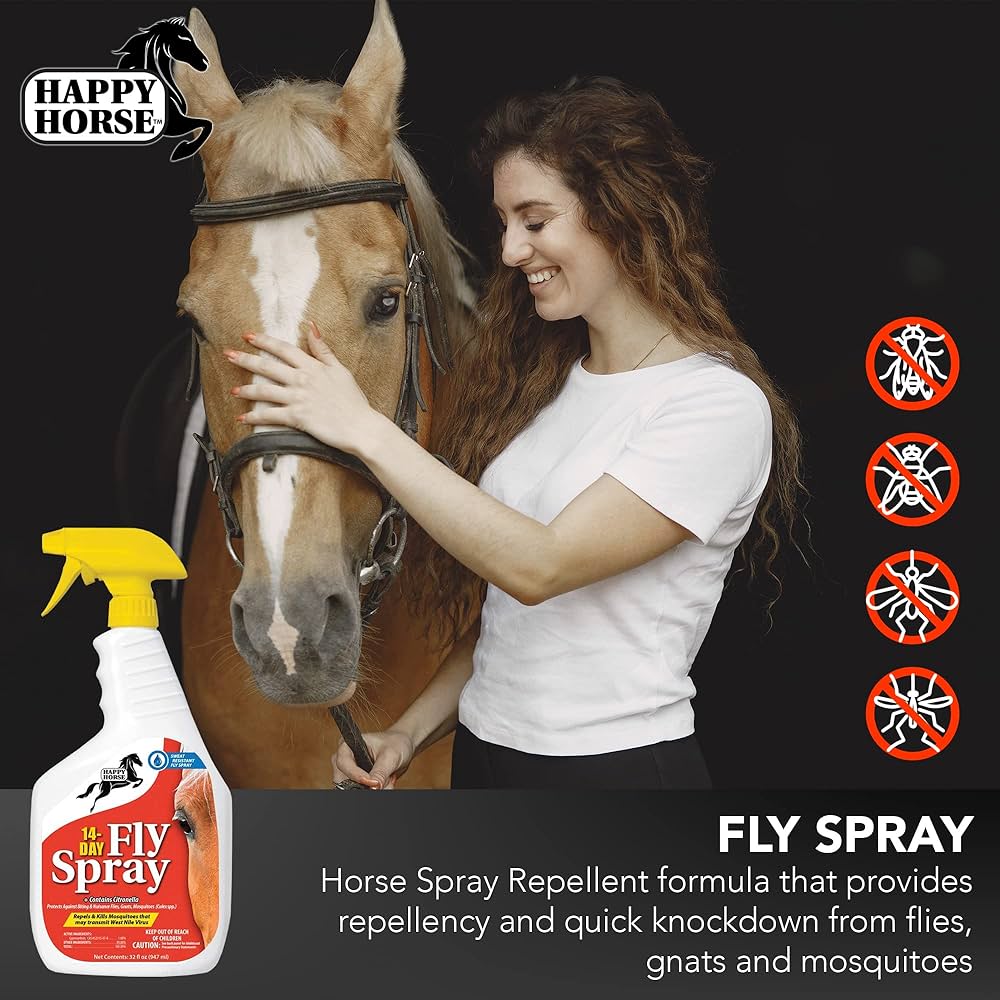
The persistent buzzing of flies around your horse’s face during a trail ride isn’t just annoying—it’s a serious threat to your equine companion’s health and comfort. Every horse owner knows the frustration of watching their beloved animal constantly swishing their tail, stomping their hooves, and shaking their head trying to escape the relentless assault of biting insects. Finding the right equestrian fly spray can transform your horse’s summer experience from miserable to magnificent, allowing them to focus on training, competitions, or simply enjoying time in the pasture without constant harassment from flying pests.
Understanding how to select and properly use fly protection products for horses is essential knowledge for any responsible equestrian. The market offers hundreds of different formulations, each claiming superior results, but not all products deliver the same level of protection or value. This comprehensive guide will walk you through everything you need to know about horse fly spray solutions, from understanding the science behind effective insect repellents to making informed purchasing decisions that protect both your horse and your wallet.
Understanding Why Your Horse Needs Quality Fly Spray Protection
Horses are particularly vulnerable to flying insects due to their large body surface area, sensitive skin, and inability to protect themselves effectively from persistent pests. Unlike humans who can simply walk indoors or apply repellent to any body part, horses depend entirely on their owners to provide adequate protection from the numerous flying insects that can cause serious health problems beyond simple irritation.
Biting flies such as horse flies, deer flies, stable flies, and horn flies don’t just cause discomfort—they can transmit dangerous diseases including equine infectious anemia, vesicular stomatitis, and various parasitic infections. Black flies, though smaller, attack in swarms and their bites can cause severe allergic reactions in sensitive horses. Mosquitoes carry West Nile virus and Eastern equine encephalitis, both potentially fatal conditions that have no cure once contracted. The stakes are genuinely high when it comes to protecting your horse from flying pests.
Beyond disease transmission, constant fly harassment causes significant stress that impacts your horse’s overall wellbeing and performance. Studies have shown that horses spending time in fly-infested areas experience elevated cortisol levels, reduced grazing time, weight loss, and behavioral changes including irritability and reduced trainability. Performance horses may develop dangerous habits like head-shaking, bucking, or bolting when startled by biting insects during work sessions. The economic impact extends to damaged tack, increased veterinary bills, and lost training time.
Research published by the University of Florida’s Department of Entomology indicates that horses without adequate fly protection can lose up to 20 pounds during peak fly season simply from the stress of constant harassment and reduced feeding time. This weight loss combined with the energy expenditure from continuous movement to escape flies creates a perfect storm for decreased performance and compromised immune function. Quality equestrian fly spray applications can prevent these negative outcomes while improving your horse’s quality of life dramatically.
Active Ingredients That Actually Work in Horse Fly Repellents
Understanding the active ingredients in equestrian fly spray products empowers you to make informed decisions rather than relying solely on marketing claims. The Environmental Protection Agency (EPA) regulates insect repellents for animals, and only certain ingredients have proven effective through rigorous scientific testing. Not all fly sprays are created equal, and the concentration and combination of active ingredients directly impacts protection duration and effectiveness.
Pyrethrin and permethrin are among the most popular and effective ingredients found in horse fly sprays. Pyrethrin is a natural compound derived from chrysanthemum flowers that kills insects on contact by attacking their nervous systems. Permethrin, a synthetic version of pyrethrin, provides longer-lasting protection and offers residual effects that continue working even after the spray dries. Products containing 0.5% to 1% permethrin typically provide protection for several days when applied correctly, making them ideal for horses living in heavily infested areas or those spending long periods outdoors.
DEET (N,N-diethyl-meta-toluamide) is widely recognized as one of the most effective insect repellents available for humans, but its use in equine products is less common due to potential skin sensitivity issues in some horses. When found in horse fly sprays, DEET concentrations typically range from 5% to 15%, significantly lower than human formulations. While effective at repelling rather than killing insects, DEET-based horse fly spray products may require more frequent reapplication compared to permethrin-based alternatives.
Citronella, eucalyptus oil, and other botanical ingredients appeal to owners seeking natural alternatives to synthetic chemicals. While these plant-based repellents can provide some protection, they generally require more frequent reapplication—often every 2-4 hours compared to 24-48 hours for synthetic options. The University of Kentucky’s Cooperative Extension Service research shows that natural fly sprays typically provide 40-60% less protection time than synthetic alternatives, though they may be suitable for horses with sensitive skin or for owners committed to using only natural products on their animals.
How to Choose the Best Equestrian Fly Spray for Your Horse’s Needs
Selecting the optimal equestrian fly spray requires evaluating multiple factors beyond simply grabbing the first bottle you see at the feed store. Your horse’s living environment, skin sensitivity, the severity of local fly populations, and your budget all play crucial roles in determining which product will deliver the best results. A horse living in a coastal area with moderate fly pressure has very different needs compared to one stabled in a humid inland region with heavy insect populations.
Consider your horse’s daily routine and exposure level when making your selection. Performance horses that spend most of their time in well-maintained stables with fly control systems may only need occasional applications before turnout or trail rides. In contrast, horses living in pastures 24/7 during summer months require longer-lasting, more robust protection. Products containing permethrin offer extended protection ideal for pastured horses, while lighter, water-based sprays might suffice for horses with limited outdoor exposure.
Skin sensitivity and allergic reactions must factor heavily into your decision-making process. Some horses develop contact dermatitis or other allergic responses to specific ingredients, particularly synthetic chemicals like DEET or certain preservatives. If your horse has a history of skin issues, start with a small test application on a limited area before covering their entire body. Natural, botanical-based horse fly spray formulations provide gentler alternatives for sensitive horses, though you’ll trade some effectiveness and longevity for reduced risk of irritation.
Application method and convenience also deserve consideration when choosing your fly spray. Traditional pump spray bottles work well for thorough application but can startle nervous horses with their hissing sound. Roll-on formulations allow precise application around sensitive areas like eyes and ears without overspray. Wipe-on products give you maximum control and work excellently for face application. Automatic spray systems dispense product without direct horse contact, ideal for extremely nervous animals. Consider investing in an evo oil sprayer style applicator that provides even, controlled distribution while minimizing waste and overspray.
Price vs. Performance Comparison
| Product Type | Average Cost per Oz | Protection Duration | Best For |
|---|---|---|---|
| Premium Permethrin Spray | $0.80-$1.20 | 48-72 hours | Pastured horses, heavy fly pressure |
| Standard Pyrethrin Formula | $0.40-$0.70 | 12-24 hours | Moderate protection needs |
| Natural Botanical Blend | $1.00-$1.50 | 2-4 hours | Sensitive horses, light fly pressure |
| Water-Based Repellent | $0.30-$0.50 | 4-8 hours | Stabled horses, occasional use |
| Concentrated Formula | $1.50-$2.00 | 72+ hours (diluted) | Budget-conscious, multiple horses |
Proper Application Techniques for Maximum Fly Protection
Even the most effective equestrian fly spray won’t deliver optimal results if applied incorrectly. Proper application technique makes the difference between mediocre results and comprehensive protection that keeps your horse comfortable throughout the day. Many horse owners make critical mistakes during application that significantly reduce product effectiveness, essentially wasting money while leaving their horses vulnerable to biting insects.
Begin with a clean, dry horse whenever possible for optimal product adherence and effectiveness. Dirt, sweat, and dried mud create barriers that prevent the spray from reaching your horse’s skin where it needs to work. If your horse is wet from rain, bathing, or heavy sweating, towel dry them before applying fly spray or wait until they’re completely dry naturally. Applying horse fly spray to wet horses dilutes the product significantly and dramatically reduces its effectiveness and longevity.
Use a systematic approach to ensure complete coverage without missing vulnerable areas. Start at the head, carefully applying around ears, forehead, and cheeks while avoiding direct contact with eyes and nostrils. Move down the neck, covering both sides thoroughly, then address the body in sections—shoulders, barrel, hindquarters. Don’t forget commonly missed areas including the belly, between front legs, and along the tailhead where flies often congregate. For face application, spray the product onto a soft cloth or sponge rather than directly spraying near sensitive areas.
Pay special attention to high-target zones where flies prefer to feed and rest. The legs, belly, and face are prime real estate for biting insects. Apply extra product to these areas, but avoid oversaturation that causes dripping. For leg protection, spray upward from the hooves toward the body to ensure coverage against stable flies and horn flies that attack lower extremities. The dock of the tail and tailhead area requires generous application as horse flies particularly favor this location.
Application Best Practices
- Apply spray 8-12 inches from the horse’s body for even coverage without waste
- Use 20-30 pumps for an average-sized horse (adjust based on horse size and product instructions)
- Reapply after heavy rain or excessive sweating even if the product claims water resistance
- Apply fly spray before turnout or exercise to allow drying time before insect exposure
- Store products in cool, dry locations away from direct sunlight to maintain effectiveness
- Check expiration dates as expired fly sprays lose potency and may irritate skin
According to research from Texas A&M University’s Department of Animal Science, proper application technique can increase fly spray effectiveness by up to 35% compared to haphazard application methods. Their studies showed that horses with systematic, complete coverage experienced fewer fly-related stress behaviors and maintained better body condition throughout fly season compared to horses receiving incomplete applications of the same products.
Natural vs. Synthetic: Which Equestrian Fly Spray Formula Works Best?
The debate between natural and synthetic equestrian fly spray formulations continues to divide horse owners, with passionate advocates on both sides presenting compelling arguments for their preferred approach. Understanding the genuine pros and cons of each option, backed by scientific research rather than marketing hype, enables you to make the best choice for your specific situation and philosophical preferences regarding chemical use on animals.
Natural fly sprays utilizing botanical ingredients like citronella, eucalyptus, cedarwood, lemongrass, and peppermint oils offer several advantages that appeal to environmentally conscious horse owners. These products typically have pleasant scents, cause fewer skin irritation issues, and pose minimal environmental impact when they wash off during rain or bathing. Many horses tolerate natural sprays better, particularly those with sensitive skin or previous allergic reactions to synthetic chemicals. The gentle formulations make natural horse fly spray options ideal for young horses, pregnant mares, or animals with compromised immune systems.
However, natural formulations come with significant limitations that owners must acknowledge honestly. Protection duration rarely exceeds 2-4 hours, requiring frequent reapplication throughout the day to maintain effectiveness. Cost per application is typically higher since you’ll use more product over the same time period. Research from the University of California’s Integrated Pest Management Program demonstrates that natural fly repellents provide 40-60% shorter protection compared to synthetic alternatives containing permethrin or DEET. For horses spending long days in pastures or working in fly-heavy environments, natural products alone may provide insufficient protection.
Synthetic fly sprays containing permethrin, pyrethrins, or DEET deliver superior effectiveness and longevity that makes them the preferred choice for serious fly pressure situations. Products with permethrin concentrations of 0.5-1% can provide protection lasting 48-72 hours or even longer with proper application. These formulations actually kill insects on contact rather than simply repelling them, providing both immediate and residual protection. For performance horses, trail riders, or animals living in high-population fly zones, synthetic equestrian fly spray products offer the robust protection necessary to maintain health and comfort.
The drawbacks of synthetic formulations include potential skin sensitivity in some horses, stronger chemical odors that some owners find unpleasant, and environmental concerns when products wash into waterways. Some horses develop contact dermatitis from repeated exposure to permethrin, though these reactions are relatively uncommon. Cost-wise, synthetic products often represent better value despite higher per-bottle prices because they require less frequent application and last longer per use.
Hybrid Approaches Offer Middle Ground
Many modern equestrian fly spray products combine synthetic active ingredients with natural botanical additives to balance effectiveness with gentleness. These hybrid formulations might contain low concentrations of permethrin (0.25-0.5%) enhanced with essential oils that provide additional repellent properties while reducing the total synthetic chemical load. This approach can extend protection duration compared to purely natural products while minimizing potential skin irritation from high synthetic concentrations.
Consider a dual-system approach where you use synthetic long-lasting sprays for body coverage and save gentler natural formulations for facial application and sensitive areas. This strategy maximizes protection where your horse needs it most while exercising caution around eyes, nostrils, and other delicate tissues. Many professional trainers and barn managers employ this split approach successfully, reporting excellent fly control with minimal adverse reactions.
Essential Features to Look for When Buying Horse Fly Spray
Walking down the fly spray aisle at your local tack shop or scrolling through hundreds of online options can quickly become overwhelming without clear criteria for evaluation. Understanding the essential features that separate premium equestrian fly spray products from mediocre alternatives helps you cut through marketing hype and focus on products that deliver genuine value. Not every expensive fly spray is worth the premium price, and some budget options provide excellent results for specific applications.
Protection duration stands as the single most important factor in determining product value. Check product labels and verified user reviews to understand how long each application actually lasts under real-world conditions. Marketing claims often reflect ideal circumstances that don’t account for sweating, rolling, or rain exposure. Products offering 24-48 hours of protection in normal conditions provide the sweet spot between effectiveness and cost-efficiency for most horse owners. Longer-lasting formulations justify higher prices by reducing application frequency and overall product consumption.
Sweat and water resistance dramatically impacts whether your horse fly spray continues working during exercise or after unexpected weather changes. Quality products should maintain effectiveness even when your horse sweats during riding sessions or gets caught in light rain. Look for formulations specifically labeled as sweat-resistant or water-resistant, and pay attention to whether they’re alcohol-based or oil-based, as this affects how well they adhere to the coat. Oil-based sprays generally provide better water resistance but may feel slightly greasy initially.
Sunscreen protection represents an often-overlooked feature that adds significant value, particularly for horses with pink skin or white markings prone to sunburn. Combined equestrian fly spray and sunscreen products eliminate the need for separate applications while protecting against both insect bites and UV damage. Horses with blazes, snips, or large white facial markings especially benefit from this dual protection during summer months when sun exposure peaks alongside fly pressure.
Key Features Checklist
Must-Have Features:
- EPA-registered active ingredients with proven efficacy
- Clear concentration percentages listed on the label
- Protection duration of at least 12-24 hours
- Safe for use on horses of all ages (or clear age restrictions)
- Non-staining formula that won’t damage tack or blankets
Valuable Bonus Features:
- Coat conditioning agents like aloe vera or lanolin
- Pleasant scent that doesn’t overwhelm humans or horses
- Spray nozzle that provides even, fine mist application
- UV protection for horses with sensitive skin
- Botanical ingredients that enhance the base formula
Red Flags to Avoid:
- Vague “proprietary blend” ingredients without specific actives listed
- Unrealistic claims like “100% effective” or “lasts all week”
- Extremely cheap prices that suggest diluted or ineffective formulas
- Strong alcohol smells indicating potential skin irritation
- Absence of EPA registration numbers or approval stamps
Common Mistakes Horse Owners Make with Fly Spray Applications
Even experienced equestrians frequently make errors when using equestrian fly spray that undermine product effectiveness and waste money on repeated applications. Understanding these common pitfalls and learning proper techniques can dramatically improve your fly control results while extending the life of each bottle. Small changes in application habits often yield surprisingly large improvements in how well your horse stays protected throughout the day.
Insufficient product application ranks as the most widespread mistake among horse owners who unconsciously try to conserve expensive fly spray by using too little product per application. While concerns about cost are understandable, skimping on spray quantity results in incomplete coverage that leaves vulnerable gaps where flies can attack freely. Manufacturers design their products to work at specific application rates, and using less than recommended means your horse receives inadequate protection despite your efforts. For an average 1,000-pound horse, you should expect to use 20-30 pumps of spray for complete body coverage.
Neglecting reapplication schedules leads to protection gaps that allow flies to harass your horse during the hours when spray effectiveness has worn off. Many owners apply horse fly spray in the morning and assume their horse stays protected all day regardless of product claims or circumstances. Even long-lasting permethrin formulas require reapplication after heavy sweating, swimming, or rain exposure. Setting phone reminders for reapplication times helps maintain consistent protection, particularly during peak fly season when insect pressure is highest.
Ignoring face and leg protection creates major vulnerability zones that flies exploit aggressively. The face represents one of the most targeted areas for biting insects, yet many owners either skip facial application entirely or use such light coverage that it provides minimal protection. Legs, particularly the lower portions, attract stable flies and horn flies that feed exclusively on these areas. Taking extra time to carefully apply product to faces and thoroughly spray all four legs from hoof to body significantly improves overall protection without requiring additional product purchases.
Applying fly spray to dirty horses dramatically reduces effectiveness as dirt, sweat, and mud create barriers that prevent active ingredients from reaching the skin. While it’s not always practical to fully groom your horse before every application, at least brush off heavy dirt and dried sweat from areas you’ll be spraying. The five minutes invested in quick grooming can double the effectiveness of your equestrian fly spray application by ensuring active ingredients make proper skin contact.
Real-World Case Study: Improving Fly Control Through Better Technique
Sarah Mitchell, a barn manager overseeing 20 horses in central Texas, struggled with persistent fly problems despite using premium fly spray products regularly. After consulting with an equine entomologist, she implemented systematic application training for all staff members focusing on complete coverage, proper timing, and reapplication schedules. Within two weeks, the barn saw a 65% reduction in fly-related behaviors like tail swishing and head shaking despite using the same products at the same frequency. The only change was proper application technique, demonstrating how critical methodology is to achieving optimal results.
Equestrian Fly Spray Safety Considerations and Precautions
While equestrian fly spray products undergo rigorous EPA testing before approval for animal use, responsible application requires attention to safety guidelines that protect both horses and handlers. Understanding potential risks and taking appropriate precautions ensures you provide pest protection without inadvertently creating health problems through careless product use. Many adverse reactions attributed to fly spray products actually result from improper application techniques rather than the products themselves.
Avoid direct eye contact at all costs when applying spray around your horse’s face and head. Even products labeled as “face safe” can cause severe irritation, pain, and potential corneal damage if sprayed directly into eyes. Always apply facial horse fly spray by spraying onto a clean cloth, sponge, or your gloved hand first, then wiping carefully around eyes, ears, and nostrils. This controlled application method provides excellent protection without risking eye exposure. Keep veterinary eye wash on hand in case of accidental contact and flush immediately with copious water if exposure occurs.
Ventilation matters significantly during application, particularly when using aerosol formulations or working in enclosed spaces like stalls or small wash stalls. Concentrated exposure to spray mist can cause respiratory irritation in both horses and humans. Apply fly spray outdoors or in well-ventilated areas whenever possible, and consider wearing a dust mask if you’re applying spray to multiple horses in succession. Horses with respiratory conditions like recurrent airway obstruction (RAO) may require special consideration—consult your veterinarian about appropriate products and application methods for sensitive animals.
Proper storage extends product life while preventing dangerous exposure situations. Store equestrian fly spray in cool, dry locations away from direct sunlight, extreme temperatures, and open flames. Temperatures exceeding 120°F can cause containers to rupture or active ingredients to degrade, reducing effectiveness. Keep all pest control products in secured areas away from children, pets, and feed storage to prevent accidental ingestion or misuse. Never transfer fly spray into unmarked containers that might be confused with other products.
Watch for allergic reactions after introducing any new fly spray product to your horse’s routine. Initial applications should cover only small areas so you can observe for adverse responses before full-body use. Warning signs include hives, swelling, excessive rubbing, agitation, or skin lesions developing within hours of application. If your horse shows concerning symptoms after fly spray use, immediately wash the affected area with mild soap and water, discontinue product use, and contact your veterinarian. Document which product caused the reaction to avoid future exposure.
Handler Safety Guidelines
Personal protective equipment for humans applying fly spray should include:
- Gloves to prevent skin absorption of chemicals
- Long sleeves to minimize direct product contact
- Safety glasses when applying overhead or in windy conditions
- Mask or respirator for sensitive individuals or when applying to multiple horses
Pregnant women should exercise particular caution around fly spray products containing permethrin or DEET, as these chemicals can potentially affect fetal development. Consult your healthcare provider about appropriate precautions or consider delegating fly spray applications to other handlers during pregnancy. If you must apply products yourself, maximize protective equipment use and ensure excellent ventilation during application.
Integrated Fly Management Beyond Just Sprays
While quality equestrian fly spray forms the foundation of effective pest control for horses, a comprehensive approach incorporating multiple management strategies delivers far superior results than spray applications alone. Integrated pest management (IPM) combines chemical, mechanical, and cultural control methods to reduce fly populations at their source while providing horses with layered protection that minimizes insect harassment and disease transmission risks.
Environmental management addresses breeding sites that generate the thousands of flies plaguing your horses each summer. Flies reproduce in manure, wet hay, spilled feed, and standing water, with a single pair of house flies potentially producing over one million offspring in just six weeks under ideal conditions. Regular manure removal—ideally daily but at minimum three times weekly—dramatically reduces fly breeding opportunities. Spread manure in thin layers in fields away from high-traffic areas or compost it properly to kill fly larvae. Eliminate standing water sources including poorly draining areas, overflowing water troughs, and clogged gutters that create mosquito breeding grounds.
Physical barriers provide chemical-free protection that complements your horse fly spray applications effectively. Fly masks protect eyes and faces from biting insects while preventing eye damage and disease transmission. Modern fly masks come in multiple styles including full-face coverage, ear protection, and extended nose coverage for maximum protection. Fly sheets cover the body, reducing the surface area available for fly feeding while also providing UV protection. While horses initially may resist wearing protective gear, most adapt quickly and show obvious preference for covered comfort over constant fly harassment.
Biological control methods harness nature’s pest management systems to suppress fly populations without chemicals. Parasitic wasps lay their eggs inside fly pupae, killing developing flies before they emerge as adults. These beneficial insects, available from agricultural suppliers, provide season-long fly suppression when released regularly according to supplier instructions. Stable fly traps, strategically placed around barns and paddocks, attract and capture thousands of flies daily using visual attractants and adhesive surfaces. While traps won’t eliminate flies entirely, they significantly reduce populations when used consistently throughout fly season.
Barn Management Best Practices
Implement these practices for comprehensive fly reduction:
- Install fans in stalls and run-in sheds to create airflow that disrupts fly movement
- Use fly predator releases monthly during fly season (March-October in most regions)
- Keep feed rooms clean and sealed to prevent fly attraction to grain
- Trim tall grass and weeds around facilities where flies rest during heat
- Consider automatic misting systems for high-traffic areas like grooming stalls
- Schedule turnout during early morning or evening hours when fly activity is lowest
According to the American Association of Equine Practitioners, barns implementing comprehensive IPM programs reduce their reliance on equestrian fly spray products by 30-50% while achieving better overall fly control than facilities depending solely on chemical applications. This reduction translates to significant cost savings, reduced chemical exposure for horses and handlers, and improved horse welfare throughout fly season.
Where to Buy Quality Equestrian Fly Spray: A Shopping Guide
Purchasing equestrian fly spray has never been easier with numerous retail channels offering thousands of products at various price points. However, more options create more confusion, and knowing where to shop for the best combination of selection, price, and product authenticity helps ensure you get genuine, effective products rather than counterfeit or expired merchandise that puts your horse at risk.
Local tack shops and feed stores offer the advantage of immediate availability, personalized service from knowledgeable staff, and the opportunity to examine products before purchase. Staff at quality equestrian retailers can provide recommendations based on your specific needs and local fly conditions. You’re supporting local businesses that serve the equestrian community, and returns or exchanges are typically straightforward if you’re dissatisfied with a product. However, selection may be limited compared to online retailers, and prices are often higher due to overhead costs associated with maintaining physical retail spaces.
Online equestrian retailers like SmartPak, Dover Saddlery, and Valley Vet Supply offer enormous selections of horse fly spray products at competitive prices with convenient home delivery. Customer reviews provide valuable insights into real-world product performance beyond marketing claims. Price comparison is simple when shopping online, and you can easily research product ingredients and efficacy studies before purchasing. Subscription services offered by many online retailers provide additional discounts and ensure you never run out of fly spray mid-season. Be cautious of extremely discounted products from unknown sellers, as these may be expired, counterfeit, or improperly stored merchandise.
Big-box retailers like Tractor Supply and Rural King stock popular equestrian fly spray brands at reasonable prices with the convenience of local pickup. These stores often run sales and promotions that provide excellent value, particularly if you’re buying fly spray for multiple horses or stocking up for the entire season. Selection focuses on mainstream brands rather than specialty products, but their offerings cover most standard fly control needs adequately. Loyalty programs and credit cards frequently offer additional savings that make these retailers attractive for budget-conscious horse owners.
Best Value Strategies
Buy concentrated formulas that you dilute yourself rather than ready-to-use sprays when managing multiple horses. Concentrates typically cost $30-50 per gallon but yield 10-20 gallons of diluted spray, reducing per-application costs dramatically compared to pre-mixed products. You’ll need spray bottles for application, but the savings quickly offset this minimal equipment investment.
Stock up during off-season sales when retailers clear inventory in fall and winter. Many equestrian retailers offer 30-50% discounts on fly spray and pest control products after fly season ends. Products maintain effectiveness for 2-3 years when stored properly, so buying a season’s worth of supplies during November-December sales represents smart financial planning.
Join loyalty programs at retailers you frequent regularly to accumulate points or rewards that offset future purchases. SmartPak’s Superstars program, for example, provides free shipping and exclusive discounts that quickly pay for the annual membership fee if you purchase equestrian fly spray and other supplies regularly throughout the year.
Read verified purchase reviews before committing to any new product, particularly expensive premium formulations. Real user experiences provide far more valuable information than marketing materials, revealing actual protection duration, scent profiles, and any potential problems like skin reactions or application difficulties.
For authentic equestrian fly spray products from trusted retailers, always verify seller credentials and check for EPA registration numbers on product labels to ensure you’re purchasing legitimate, effective pest control solutions.
Frequently Asked Questions About Equestrian Fly Spray
How often should I apply equestrian fly spray to my horse?
Application frequency depends on the product formula and your specific circumstances. Permethrin-based sprays typically require reapplication every 48-72 hours under normal conditions, while natural botanical formulas need reapplication every 2-4 hours for continuous protection. Reapply immediately after heavy sweating, bathing, or rain exposure regardless of product type, as moisture significantly reduces effectiveness.
Can I use human bug spray on my horse?
While some human insect repellents contain similar active ingredients to equestrian fly spray products, they’re formulated for human skin chemistry and may cause irritation or adverse reactions on horses. Human bug sprays often contain higher DEET concentrations than appropriate for equine use and lack the conditioning agents that protect horse skin and coat. Always use EPA-approved products specifically formulated for horses to ensure safety and effectiveness.
Is equestrian fly spray safe for pregnant mares?
Most standard horse fly spray products are safe for pregnant mares when used according to label directions, though some manufacturers recommend avoiding use during the first trimester. Natural botanical formulations present the safest option for pregnant mares if you have concerns about chemical exposure. Always consult your veterinarian about specific products if your mare has a history of pregnancy complications or product sensitivities.
Why does fly spray work better on some horses than others?
Individual horses vary in their attractiveness to flies based on body temperature, sweat chemistry, carbon dioxide output, and even coat color. Dark-colored horses typically attract more flies than lighter-colored horses due to visual attraction and heat absorption. Some horses also produce more sebum and sweat that attract insects. The same equestrian fly spray may provide different protection durations on different horses due to these individual variations.
Can I make my own homemade equestrian fly spray?
Homemade fly spray recipes using apple cider vinegar, essential oils, and other natural ingredients provide some repellent effect but generally offer significantly less protection than commercial products with EPA-approved active ingredients. Homemade formulations haven’t undergone efficacy testing and may cause unexpected skin reactions. If you prefer natural ingredients, consider purchasing commercial natural fly sprays that have been tested for safety and effectiveness.
What should I do if my horse has an allergic reaction to fly spray?
Immediately wash affected areas with mild soap and cool water to remove remaining product. Stop using the problematic equestrian fly spray and document which product caused the reaction for future reference. Contact your veterinarian if swelling, hives, or respiratory symptoms develop. Apply cool compresses to reduce inflammation and keep your horse comfortable in a fly-free environment until symptoms resolve. Future applications should use alternative products with different active ingredients.
Does temperature affect equestrian fly spray effectiveness?
Extreme temperatures can impact fly spray performance significantly. Very high temperatures may cause products to degrade or evaporate quickly, reducing protection duration. Cold temperatures may affect spray nozzle function and product viscosity. Store horse fly spray in temperature-controlled environments between 40-90°F for optimal effectiveness and always allow chilled products to reach room temperature before applying to horses.
How much equestrian fly spray should I use per application?
An average 1,000-pound horse requires approximately 20-30 pumps of spray for complete body coverage depending on spray nozzle design and product concentration. Larger horses or those with thick coats may require additional product. Focus on even distribution rather than soaking the coat, as excessive product doesn’t improve effectiveness and wastes expensive spray.
Take Action to Protect Your Horse Today
Don’t let another day pass watching your horse suffer from relentless fly harassment. The right equestrian fly spray delivers immediate relief while protecting against disease transmission and stress-related health problems. Whether you choose premium synthetic formulations for maximum protection or prefer gentler natural alternatives for sensitive horses, taking action now will dramatically improve your horse’s comfort and wellbeing throughout fly season.
Research shows that horses receiving consistent, proper fly protection maintain better body condition, display fewer stress behaviors, and remain healthier than unprotected horses facing constant insect harassment. The investment in quality fly spray pays dividends through improved performance, reduced veterinary bills, and the simple satisfaction of seeing your horse comfortable and content rather than constantly fighting off biting pests.
Start implementing the strategies outlined in this comprehensive guide today. Evaluate your current equestrian fly spray products and application techniques, identify areas for improvement, and commit to providing your horse with the professional-level protection they deserve. Your horse depends on you for defense against the millions of flies seeking to feed on them this season—don’t let them down.
Order your equestrian fly spray today and experience the difference that proper fly protection makes in your horse’s quality of life. Select products with proven active ingredients, follow proper application techniques, and combine spray use with integrated pest management strategies for comprehensive protection that keeps your horse happy, healthy, and fly-free all season long.
References:
- University of Florida Department of Entomology (2024). “Economic Impact of Fly Control in Equine Management”
- Texas A&M University Department of Animal Science (2024). “Optimizing Fly Spray Application Techniques”
- American Association of Equine Practitioners (2024). “Integrated Pest Management Guidelines for Equestrians”
- Environmental Protection Agency. “Registered Insect Repellent Products for Animal Use”