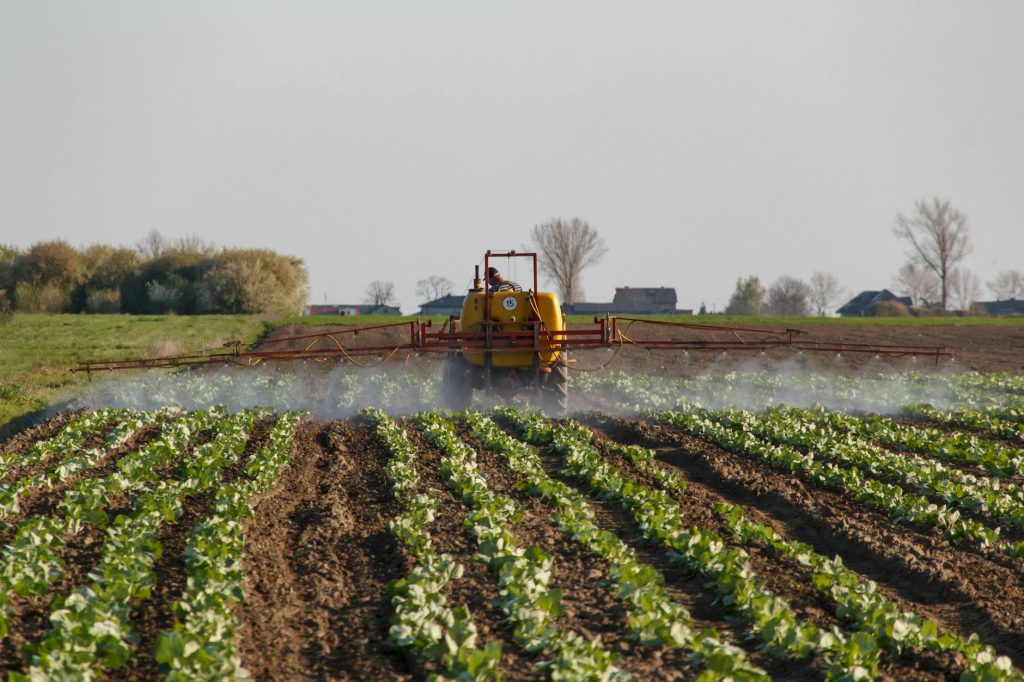
When you’re looking to upgrade your agricultural spraying equipment, understanding sprayer boom technology is essential for maximizing efficiency and crop coverage. A sprayer boom represents the horizontal structure that extends from your sprayer unit, holding multiple nozzles that distribute pesticides, herbicides, or fertilizers across your fields. This critical piece of equipment can make or break your spraying operations, affecting everything from chemical distribution uniformity to your overall operational costs.
Modern boom sprayers have evolved significantly from simple pipe structures to sophisticated systems featuring GPS guidance, automatic section control, and boom height management. Whether you’re a small-scale farmer or managing thousands of acres, selecting the right sprayer boom configuration directly impacts your bottom line through reduced chemical waste, improved crop protection, and faster field coverage.
What Makes a Quality Sprayer Boom System?
The backbone of any effective spraying operation lies in its boom construction and design. A quality sprayer boom must balance several competing demands: it needs to be lightweight enough to reduce strain on your tractor or self-propelled sprayer, yet robust enough to withstand constant flexing and vibration during field operations. The materials used in construction range from steel to aluminum to carbon fiber composites, each offering distinct advantages for different farming operations.
Key components of professional sprayer booms include:
- Boom breakaway systems that protect against collision damage
- Height control sensors for maintaining optimal distance from crop canopy
- Folding mechanisms for transport and storage efficiency
- Anti-drift nozzles for environmental compliance
- Individual section valves for precise application control
The width of your boom determines how much ground you can cover in each pass. Common boom widths range from 60 feet for smaller operations to over 120 feet for large-scale commercial farming. According to recent agricultural equipment studies, farmers using sprayer booms over 90 feet wide can reduce their field time by up to 40% compared to narrower configurations, while also decreasing soil compaction through fewer passes.
Types of Sprayer Boom Configurations
Rigid Frame Boom Sprayers
Rigid frame boom sprayers offer the most economical entry point into precision spraying. These systems feature a fixed structure without complex suspension components, making them ideal for relatively flat terrain and smaller acreage. The simplicity of rigid frames means less maintenance and fewer potential failure points, though they sacrifice some adaptability to field contours.
Most rigid spray booms work best on farms under 500 acres where ground speed can remain moderate and field conditions are predictable. You’ll find these systems commonly mounted on ATV sprayers, compact tractors, and entry-level pull-type sprayers. The trade-off for their affordability is reduced boom stability at higher speeds and increased risk of boom bounce on uneven terrain.
Pendulum Suspension Systems
Pendulum-style sprayer boom suspension represents the next evolution in boom stability technology. These systems allow the boom to swing freely along its central pivot point, helping maintain consistent height above the crop canopy even as your sprayer navigates rolling terrain. The pendulum motion naturally compensates for lateral movements, reducing the jarring that can throw nozzles out of their optimal spray pattern.
Farmers report that pendulum boom sprayers significantly reduce the stress and fatigue associated with long spraying days. The automatic leveling action means less constant adjustment and more consistent application rates across the entire boom width. This technology shines in moderate terrain with gradual elevation changes, though it may still struggle in extremely rough conditions.
Trapeze and Full Suspension Boom Systems
For serious commercial operations, trapeze and full suspension sprayer boom systems deliver unmatched stability and precision. These sophisticated setups incorporate multiple pivot points, shock absorbers, and sometimes active damping systems to isolate boom movement from the chassis motion. The result is a boom that seemingly floats above the crop, maintaining its position regardless of ground conditions.
Advanced suspension benefits include:
- Reduced chemical waste through consistent nozzle-to-target distance
- Ability to operate at speeds exceeding 15 mph while maintaining accuracy
- Decreased crop damage from boom strikes
- Extended equipment lifespan through reduced stress
- Improved operator comfort and reduced fatigue
The investment in full suspension spray boom technology typically pays for itself within 2-3 seasons through reduced chemical costs, faster field completion, and minimized crop damage. For operations over 2,000 acres, this technology transitions from luxury to necessity.
Sprayer Boom Width Considerations
Selecting the appropriate boom width for your sprayer boom requires careful analysis of your specific farming operation. While wider booms deliver obvious efficiency advantages, they also introduce challenges in transport, storage, and maneuverability. Your field size, shape, and access points all play crucial roles in determining the optimal width.
Common boom width categories:
| Boom Width | Ideal Farm Size | Typical Speed | Coverage Rate |
|---|---|---|---|
| 40-60 ft | Under 500 acres | 5-8 mph | 20-30 acres/hr |
| 60-90 ft | 500-1,500 acres | 8-12 mph | 35-60 acres/hr |
| 90-120 ft | 1,500-5,000 acres | 10-15 mph | 60-100 acres/hr |
| 120-150 ft | Over 5,000 acres | 12-18 mph | 100-150 acres/hr |
Transport regulations in your area may restrict boom widths on public roads without special permits. Most states allow up to 16 feet without permits, while wider boom sprayers require either escort vehicles or specific transport times. Consider how often you’ll need to move between fields when evaluating boom width options.
Boom Height Control Technology
Maintaining the correct distance between your sprayer boom nozzles and the target surface is critical for achieving uniform coverage and minimizing drift. Modern boom height control systems use ultrasonic sensors or laser technology to constantly monitor and adjust boom position, responding to terrain changes faster than any human operator could manage manually.
Ultrasonic sensors mounted along the boom send sound waves downward and measure the return time to calculate height. These systems typically maintain boom height within 2-4 inches of the target setting, even at higher ground speeds. The technology works best over established crops or soil surfaces, though it can struggle with extremely rough ground or sparse vegetation.
Benefits of automatic boom height control:
- Consistent spray pattern overlap ensuring no skips or double applications
- Reduced drift potential by maintaining optimal nozzle height
- Decreased boom damage from automatic lift when obstacles detected
- Operator stress reduction allowing focus on navigation and monitoring
- Extended operational window enabling spraying in more challenging conditions
Laser-based systems offer even greater precision, measuring height to within 1 inch of target. While more expensive than ultrasonic alternatives, laser sensors perform better in dusty conditions and over bare soil. For high-value crops like vegetables or fruits where precision matters most, laser boom height control on your spray boom represents a worthwhile investment.
Section Control and Variable Rate Application
Modern sprayer boom systems increasingly incorporate section control valves that allow independent on/off control of boom sections. This technology prevents over-application in field irregularities, point rows, and areas near sensitive features like waterways or organic plots. When integrated with GPS guidance, section control can reduce chemical usage by 5-15% on typical field shapes while ensuring complete coverage.
Variable rate application takes section control further by adjusting application rates on-the-fly based on prescription maps. Your boom sprayer can deliver different chemical rates to different management zones within the same field, optimizing inputs based on soil types, historical yield data, or real-time crop sensing. This precision agriculture approach maximizes return on investment for expensive crop protection products.
The number of sections on your boom directly impacts control precision. Entry-level systems might offer 3-5 sections across the boom width, while professional sprayer booms feature 10-20+ sections for incredibly precise control. More sections mean better accuracy around field boundaries and obstacles, though also increased system complexity and cost.
Nozzle Selection and Spacing for Boom Sprayers
Your sprayer boom is only as effective as the nozzles mounted to it. Nozzle selection involves balancing droplet size, coverage uniformity, drift potential, and application rate. Standard nozzle spacing ranges from 10 to 30 inches along the boom, with closer spacing generally providing better coverage uniformity but requiring more nozzles and potentially limiting nozzle body size options.
Common nozzle types for boom applications:
- Flat fan nozzles – Standard choice for broadcast applications with overlapping patterns
- Turbo or venturi nozzles – Produce larger droplets for drift reduction
- Air induction nozzles – Incorporate air bubbles for extremely low drift
- Flood or wide angle nozzles – Used for soil-applied herbicides and high-volume applications
- Drift control nozzles – Specialized designs meeting regulatory requirements
The relationship between nozzle height, spray angle, and spacing determines your pattern overlap. Most spray boom applications aim for 100% overlap, where each nozzle’s pattern reaches at least to the adjacent nozzles’ centerline. This ensures uniform coverage even with slight boom movement or height variation. Higher pressure increases droplet velocity but can decrease droplet size, potentially increasing drift.
Boom Stability and Dampening Systems
Excessive sprayer boom movement destroys application accuracy faster than any other factor. Boom yaw (side-to-side swinging), roll (tilting), and bounce (vertical oscillation) all contribute to uneven coverage and potential crop damage. Professional boom sprayers incorporate sophisticated dampening systems to minimize these movements across varying terrain and speed conditions.
Passive dampening relies on shock absorbers, springs, and friction dampers to absorb energy from boom movement. These systems provide consistent performance without electrical complexity, though they can’t adapt to changing conditions. Active dampening systems use sensors and hydraulic or electric actuators to counteract boom movement in real-time, essentially predicting and canceling oscillations before they build.
Factors affecting boom stability:
- Boom width – Longer booms are more susceptible to oscillation
- Ground speed – Higher speeds increase movement amplitude
- Terrain roughness – Uneven ground transmits more energy to boom
- Boom height – Lower positioning generally improves stability
- Sprayer suspension – Chassis stability affects boom behavior
- Chemical tank volume – Liquid surge affects center of gravity
Some premium sprayer boom systems now incorporate gyroscopic stabilization technology adapted from marine and aviation applications. These systems can reduce boom movement by up to 80% compared to conventional suspensions, enabling consistent spraying at speeds approaching 20 mph even in moderate terrain.
Material Choices for Boom Construction
The materials used in your spray boom construction significantly impact its durability, weight, and cost. Traditional steel booms offer unmatched strength and affordability but carry substantial weight penalties. A 100-foot steel boom can weigh 1,500-2,000 pounds empty, limiting your chemical payload capacity and increasing the structural demands on your sprayer chassis.
Aluminum sprayer booms reduce weight by 30-40% compared to steel while maintaining adequate strength for most applications. The weight savings translate directly to increased tank capacity or reduced power requirements. Aluminum also resists corrosion better than steel, an important consideration given constant chemical exposure. However, aluminum costs 2-3 times more than steel and requires more careful handling to avoid damage.
High-end boom sprayer manufacturers have begun incorporating carbon fiber and advanced composite materials in boom construction. These exotic materials can reduce boom weight by 50-60% compared to steel while matching or exceeding its strength. The weight savings prove particularly valuable on wide booms where the outer sections experience the highest stress loads. Carbon fiber booms represent a significant investment but may be justified for operations prioritizing maximum efficiency.
Folding Mechanisms and Transport Features
Unless you’re operating exclusively in a single field, your sprayer boom needs an efficient folding system for transport and storage. The folding mechanism represents a significant failure point in boom design, subjected to constant use and high stress loads. Quality hinges, latches, and hydraulic cylinders in the folding system are worth the investment to avoid downtime during critical spraying windows.
Most boom sprayers utilize either forward-folding or backward-folding designs. Forward-folding systems bring the boom sections forward alongside the sprayer tank, resulting in a narrower transport width that eases navigation through gates and between buildings. Backward-folding designs fold the sections behind the sprayer, allowing better visibility during transport but potentially creating a longer overall vehicle length.
Hydraulic fold cylinders should include positive locking mechanisms that hold the boom sections securely during transport without relying solely on hydraulic pressure. Many farmers have experienced expensive boom damage from hydraulic leaks that allowed boom sections to unfold unexpectedly during road transport. Mechanical locks provide peace of mind and protect your investment.
Maintenance Requirements for Boom Sprayers
Proper maintenance extends sprayer boom life and maintains application accuracy throughout the equipment’s service life. Daily inspections should include checking nozzle condition, verifying all section valves operate correctly, inspecting hoses and fittings for leaks, and ensuring boom folding mechanisms function smoothly. These quick checks prevent minor issues from escalating into expensive repairs or lost spraying opportunities.
Critical maintenance intervals:
- After each use – Flush entire boom system with clean water, inspect for damage
- Weekly – Check all nozzles for wear, calibrate output, lubricate pivot points
- Monthly – Inspect boom structure for cracks or stress, verify sensor operation
- Seasonally – Replace worn components, perform complete system calibration
- Annually – Professional inspection of suspension and folding systems
Nozzle wear directly impacts your spray boom performance and often goes unnoticed until application quality suffers noticeably. Worn nozzles increase flow rate and alter spray pattern, leading to over-application, increased drift potential, and uneven coverage. Most manufacturers recommend replacing nozzles after 200-300 hours of operation, though abrasive formulations may accelerate wear. Regular calibration catches nozzle wear before it impacts your crops.
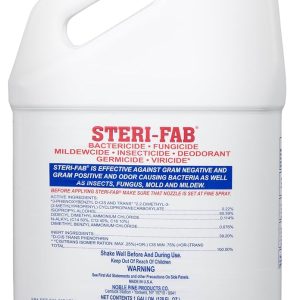
For those also dealing with indoor pest control, check out our guide on steri fab spray applications for comprehensive sanitation solutions.
GPS Integration and Guidance Systems
Modern sprayer boom operations increasingly rely on GPS guidance to eliminate overlaps and skips in coverage. When integrated with auto-steer systems, GPS guidance allows consistent spacing between spray passes regardless of operator fatigue or visibility conditions. The technology proves particularly valuable when spraying at night or in dusty conditions where visual references become unreliable.
Section control benefits multiply when combined with GPS. The system knows exactly where you’ve sprayed and automatically shuts off boom sections that would overlap previously covered areas. In irregular fields or around obstacles, GPS-controlled section management can reduce chemical usage by 10-20% while ensuring complete coverage. The system also creates application maps documenting exactly where and when you sprayed.
Real-time kinematic (RTK) GPS provides centimeter-level accuracy, enabling your boom sprayer to follow the same paths year after year. This consistency matters for controlled traffic farming systems where you minimize soil compaction by restricting vehicle traffic to permanent lanes. RTK accuracy also enables true cut-to-cut spraying where adjacent passes meet precisely without overlap or skip, maximizing efficiency.
Cost Analysis: Entry Level vs. Professional Boom Systems
Budget considerations play a major role in sprayer boom selection, with prices ranging from a few thousand dollars for basic pull-type booms to over $100,000 for sophisticated self-propelled sprayer boom systems. Understanding the total cost of ownership beyond initial purchase price helps make informed decisions that align with your operation’s financial reality.
Investment comparison:
| System Level | Initial Cost | Annual Maintenance | Coverage Rate | Chemical Savings |
|---|---|---|---|---|
| Basic rigid boom | $3,000-$8,000 | $200-$400 | 20-30 ac/hr | Baseline |
| Pendulum suspension | $8,000-$15,000 | $400-$600 | 35-50 ac/hr | 5-8% |
| Full suspension | $15,000-$35,000 | $600-$1,000 | 50-80 ac/hr | 10-15% |
| Advanced GPS | $35,000-$100,000+ | $1,000-$2,500 | 80-150+ ac/hr | 15-25% |
Entry-level boom sprayers make sense for operations under 500 acres where spraying efficiency isn’t the limiting factor in your operation. The simplicity reduces maintenance costs and eliminates complexity that might intimidate less mechanically-inclined operators. However, the lack of sophisticated controls means accepting higher chemical costs and longer field times.
Mid-range sprayer boom systems with pendulum suspension and basic section control represent the sweet spot for many commercial farms. These systems deliver substantial efficiency gains and chemical savings while remaining affordable for operations of 500-2,000 acres. The technology pays for itself relatively quickly through reduced input costs and faster field completion.
Environmental Considerations and Drift Management
Spray drift from boom sprayers remains a significant concern for environmental protection and neighboring property relations. Uncontrolled drift can damage sensitive crops, contaminate organic fields, impact pollinator habitat, and violate environmental regulations. Modern boom technology includes multiple features specifically designed to minimize drift potential while maintaining application effectiveness.
Boom height directly impacts drift potential, with lower positioning reducing the distance droplets must travel before reaching the target. Most sprayer boom applications should maintain 18-24 inches above the crop canopy, though this varies by nozzle type and chemical label requirements. Automated boom height control ensures consistent positioning throughout the field, eliminating the high-risk scenarios created by boom bounce or operator inattention.
Drift reduction strategies:
- Use air induction or drift control nozzles that produce larger droplets
- Lower boom height to manufacturer recommendations
- Reduce pressure to minimum effective level
- Avoid spraying when wind speeds exceed 10 mph
- Add drift reduction adjuvants to spray mix
- Monitor weather conditions and suspend operations when inappropriate
- Implement buffer zones near sensitive areas
Some regions now mandate drift reduction technology on boom sprayers, particularly for certain chemical classes. Understanding local regulations before purchasing equipment prevents costly compliance issues down the road. Many manufacturers offer drift reduction packages that include appropriate nozzles, pressure controls, and documentation systems to demonstrate regulatory compliance.
Retrofit Options for Existing Boom Sprayers
If you’re not ready to invest in a completely new sprayer boom system, numerous retrofit options can modernize your existing equipment. Upgrading individual components often delivers significant performance improvements at a fraction of new equipment costs. This approach works especially well when your basic boom structure remains sound but control systems or suspension components have become outdated.
Adding section control to your existing spray boom represents one of the most cost-effective upgrades available. Aftermarket kits include GPS receiver, controller, and electric valves that retrofit to most boom designs. The investment typically ranges from $3,000-$8,000 depending on the number of sections, but can reduce chemical costs by 10-15% while improving coverage accuracy. Installation usually takes a skilled technician one to two days.
Boom height control retrofits similarly offer substantial benefits without replacing the entire boom structure. Ultrasonic sensor kits mount to your existing boom and integrate with your sprayer’s hydraulic system to provide automatic height adjustment. These systems cost $4,000-$10,000 installed and dramatically improve application consistency, particularly valuable when operating in rolling terrain.
Sprayer Boom Accessories and Add-ons
Enhancing your sprayer boom with carefully selected accessories can significantly improve functionality and operator convenience. While not essential for basic operation, these additions often prove their value through increased efficiency, reduced downtime, or improved application quality. Evaluating accessories based on your specific operational challenges yields the best return on investment.
Popular boom sprayer accessories:
- Boom lights – LED strips for night spraying operations
- Nozzle bodies with quick-change caps – Rapid nozzle swapping for different applications
- Pressure gauges – Section-specific pressure monitoring for troubleshooting
- Strainers and filters – Protect nozzles from debris and clogging
- Foam markers – Visual guides for pass alignment in low-visibility conditions
- Camera systems – Monitor boom ends and potential obstacles
- Automatic rinse systems – Thorough cleanout between chemical changes
End-of-boom assemblies deserve particular attention as these sections experience the highest stress and most frequent damage. Breakaway systems that allow boom ends to swing backward when contacting obstacles can prevent thousands in repair costs from a single collision. Quality breakaway systems reset automatically without operator intervention, allowing you to continue spraying immediately.
Calibration and Application Accuracy
Even the most sophisticated sprayer boom system delivers poor results without proper calibration. Regular calibration ensures your application rates match label requirements and prescription maps. The process involves verifying actual output against expected output, then adjusting pressure, nozzle selection, or speed to achieve target rates. Most experts recommend calibrating before each season and whenever changing nozzles or chemicals.
Calibration begins with measuring actual boom output by collecting spray from individual nozzles for a set time period. Compare these measurements to verify uniform output across all nozzles, as variation exceeding 10% indicates worn or clogged nozzles requiring attention. Calculate actual application rate using your sprayer’s speed, boom width, and measured output, then adjust as needed to match target rates.
Key calibration factors:
- Ground speed – Most critical variable affecting application rate
- Pressure – Impacts droplet size and pattern quality
- Nozzle wear – Gradually increases output over equipment life
- Chemical mix – Viscosity affects flow characteristics
- Temperature – Influences spray pattern and drift potential
Digital flow meters and controllers on modern boom sprayers simplify calibration by automatically adjusting spray pressure to maintain target application rates regardless of speed variation. However, even these systems require periodic verification through manual output measurement. The few hours spent on thorough calibration prevent thousands in wasted chemicals and potential crop damage from misapplication.
Safety Considerations for Boom Sprayer Operation
Operating a sprayer boom involves multiple safety considerations beyond the chemical handling procedures that rightfully receive primary attention. The boom’s extended width creates visibility challenges, increasing collision risk with buildings, power lines, trees, and other obstacles. The folding mechanism’s hydraulic systems operate under high pressure and pose pinch point dangers during the fold/unfold process.
Power line contact represents the most serious hazard associated with wide boom sprayers. The boom’s height during transport often brings it dangerously close to overhead lines, particularly on smaller roads or farmyard entries. Always scout routes for clearance issues before transport, and establish maximum safe boom heights for different areas of your operation. Many farmers mark power line crossings with warning signs visible from both directions.
Essential safety practices:
- Always lower boom completely before transport on public roads
- Use spotter when folding or unfolding boom in tight spaces
- Maintain clear zone around boom during hydraulic operation
- Inspect folding mechanisms before each use for wear or damage
- Post warning signs on boom ends for visibility in field operations
- Train all operators on boom controls and safety procedures
- Never allow riders on boom structures or sprayer platforms
Personal protective equipment requirements extend beyond chemical handling to include high-visibility clothing when working around the spray boom in field conditions. Other farm workers, family members, or passersby may not recognize the hazards posed by the extended boom, particularly during folding operations. Clear communication and established safety zones prevent tragic accidents.
Comparing Top Sprayer Boom Manufacturers
The sprayer boom market includes numerous manufacturers offering equipment ranging from economy-oriented to premium professional systems. Understanding each manufacturer’s strengths helps narrow your options to brands that align with your operational priorities and budget constraints. While individual model specifications matter most, manufacturer reputation for durability and parts availability influences long-term satisfaction.
Leading boom sprayer brands:
- Case IH Patriot – Known for robust construction and dealer network
- John Deere – Technology integration and precision agriculture features
- AGCO RoGator – Sophisticated suspension systems and operator comfort
- CNH Hagie – Purpose-built sprayer expertise and stability
- Hardi – European engineering focused on precision application
- Demco – Value-oriented pull-type sprayers for smaller operations
- Top Air – Innovative designs for specialized applications
Each manufacturer approaches sprayer boom design with different priorities. Some emphasize maximum capacity and coverage rates for large commercial operations, while others focus on maneuverability and versatility for diverse farming operations. Research parts availability and service support in your area, as even the best equipment becomes a liability when replacement parts require weeks for delivery during critical spraying windows.
Financing Options for Boom Sprayer Investment
The significant investment required for quality sprayer boom equipment makes financing an important consideration for many operations. Multiple financing approaches exist, each with distinct advantages depending on your farm’s financial situation, tax strategy, and long-term equipment plans. Understanding your options helps secure equipment access while managing cash flow and tax obligations effectively.
Traditional equipment loans spread the purchase cost over 3-7 years with fixed or variable interest rates. This approach builds equipment equity and works well when you plan to use the boom sprayer long-term. Current interest rates for agricultural equipment loans typically range from 4-8% depending on credit quality and loan term, with seasonal payment structures available to align with crop income timing.
Alternative financing approaches:
- Operating leases – Fixed payments without ownership, preserve capital
- Finance leases – Payment plan ending in ownership, tax advantages
- Custom application – Outsource spraying to specialized contractors
- Equipment sharing – Cooperative ownership with neighboring farms
- Government programs – USDA guaranteed loans and conservation incentives
Leasing sprayer boom equipment makes particular sense when technology advancement creates rapid obsolescence risk. Rather than owning equipment that becomes outdated, leasing allows upgrading to current technology every 3-5 years without the capital requirements of purchasing. The trade-off involves slightly higher long-term costs and never building equity in the equipment.
Regional Considerations for Boom Sprayer Selection
Your geographic location and typical growing conditions should heavily influence sprayer boom selection. Equipment that performs perfectly in flat, dry wheat country may prove completely unsuitable for humid vegetable production regions with rolling terrain. Matching boom design to your specific environmental conditions and crop mix prevents disappointing performance and buyer’s remorse.
Regions with significant terrain variation require superior boom suspension systems to maintain application accuracy. Hilly or rolling land demands full suspension or trapeze boom sprayers that can independently adjust to constantly changing ground angles. Operating rigid frame booms in these conditions creates uneven applications and frustrated operators constantly fighting to control boom height.
Climate-specific considerations:
- Humid regions – Prioritize corrosion resistance and drainage systems
- Dusty/arid areas – Emphasize filtration and seal protection
- High wind areas – Focus on drift control technology and boom stability
- Short seasons – Maximize coverage rate and reliability for compressed spraying windows
- Intensive cropping – Consider chemical compatibility and cleanout features
Crop types also impact sprayer boom requirements. Row crop operations benefit from GPS section control and guidance to prevent overlap in point rows and irregular fields. Specialty crop producers need precise height control and smaller droplet sizes for thorough canopy penetration. Small grains allow higher speeds and wider booms since crop damage concerns are minimal compared to higher-value crops.
Future Trends in Boom Sprayer Technology
The sprayer boom industry continues evolving rapidly with precision agriculture advancement and autonomy development. Understanding emerging trends helps evaluate whether current technology purchases will remain relevant or whether waiting for next-generation features makes sense for your operation. The pace of innovation in agricultural technology has accelerated significantly, with capabilities impossible five years ago becoming commonplace today.
Pulse width modulation (PWM) nozzle systems represent the next generation of spray application technology for boom sprayers. Rather than controlling application rate through pressure changes that affect droplet size, PWM systems maintain constant pressure while using high-speed solenoid valves to pulse nozzles on and off. This allows wide-ranging flow rate adjustments without compromising spray quality, enabling true variable rate application of multiple products simultaneously.
Emerging technologies:
- Artificial intelligence – Automated weed detection and spot spraying
- Autonomous operation – Self-driving sprayers reducing labor requirements
- Real-time sensors – In-canopy monitoring adjusting application rates
- Electrostatic charging – Improving coverage on leaf undersides
- Drone-mounted booms – Ultra-precise application in specialty crops
Autonomous sprayer boom systems under development would eliminate operator labor for routine broadcast applications while potentially enabling 24-hour operation during optimal spraying windows. These systems combine GPS guidance, obstacle detection sensors, and sophisticated AI to navigate fields safely without human intervention. Early commercial versions may appear within 3-5 years for large, uniform field applications, though complex terrain and obstacle-rich environments will require longer development timelines.
Making Your Final Sprayer Boom Decision
Selecting the right sprayer boom requires balancing numerous competing factors including budget, acreage, terrain, crop types, and operational philosophy. The “perfect” boom for your neighbor’s operation may prove completely wrong for yours despite similar farm sizes. Methodically evaluating your specific needs against available options leads to satisfying purchasing decisions that serve your operation for many years.
Start by honestly assessing your current limitations and future growth plans. If you’re consistently behind on spray timing due to equipment limitations, investing in higher capacity boom sprayers makes obvious sense. However, if current equipment handles your acreage adequately, upgrading may deliver minimal benefit beyond operator comfort or reduced fatigue. Understanding whether you’re solving actual problems or simply wanting newer technology prevents wasteful spending.
Decision-making framework:
- Calculate current coverage rates and chemical costs – Establish baseline metrics
- Identify specific pain points – Target improvements that matter most
- Research options within budget range – Avoid wasting time on unrealistic choices
- Compare total ownership costs – Include financing, maintenance, and operational savings
- Consider parts and service availability – Evaluate dealer support in your area
- Arrange demonstrations – Hands-on experience reveals practical considerations
- Verify compatibility – Ensure new boom matches existing equipment if applicable
- Review financing options – Structure payment terms aligned with cash flow
Talk with other farmers operating similar equipment in comparable conditions. Their real-world experience provides insights no manufacturer brochure can match, particularly regarding reliability, maintenance requirements, and dealer support quality. Most farmers are willing to share honest assessments of their equipment’s strengths and weaknesses, helping you avoid expensive mistakes.
Frequently Asked Questions About Sprayer Booms
What is the optimal boom height for sprayer applications?
Most sprayer boom applications work best at 18-24 inches above the target surface, though this varies by nozzle type and application. Lower positioning reduces drift potential but increases boom damage risk from crop contact. Check specific chemical labels and nozzle manufacturer recommendations for optimal height specifications for your particular application.
How often should sprayer boom nozzles be replaced?
Replace spray boom nozzles after approximately 200-300 hours of operation, or sooner if using abrasive formulations or poor water quality. Regular calibration catches excessive wear before it impacts application accuracy. Maintain spare nozzle sets to enable immediate replacement when wear exceeds acceptable limits rather than delaying until convenient.
Can I add GPS section control to my existing boom sprayer?
Most sprayer booms manufactured within the past 15 years can accommodate aftermarket GPS section control retrofits. The installation requires adding electric control valves, GPS receiver, and controller compatible with your existing boom configuration. Consult with precision agriculture dealers about compatibility and installation for your specific equipment model.
What boom width is right for my farm size?
Boom width selection depends on total acreage, field size and shape, and transport limitations rather than just total farm size. As a general guide, farms under 500 acres work well with 60-foot booms, 500-1,500 acres benefit from 80-90 foot boom sprayers, while operations over 2,000 acres should consider 100+ foot booms for efficiency.
How do I prevent boom bounce during field operations?
Minimize sprayer boom bounce by maintaining appropriate ground speed for terrain conditions, ensuring proper boom suspension adjustment, keeping adequate chemical volume in the tank for stability, and maintaining recommended tire pressure. Advanced boom suspension systems with active dampening provide the most effective bounce control in challenging conditions.
What maintenance does a sprayer boom require?
Essential spray boom maintenance includes flushing the system after each use, regular nozzle inspection and replacement, lubricating all pivot points and folding mechanisms, checking for cracks or stress in the boom structure, and annual professional inspection of suspension and hydraulic systems. Preventive maintenance prevents expensive failures during critical spraying windows.
Are carbon fiber booms worth the extra cost?
Carbon fiber sprayer booms make economic sense for operations prioritizing maximum efficiency through weight reduction. The weight savings increase payload capacity and reduce power requirements, while improved durability extends service life. However, the 2-3x price premium over aluminum means most small to mid-size operations see better returns investing in other technology upgrades.
How does wind affect boom sprayer applications?
Wind above 10 mph significantly increases drift potential from boom sprayers and can cause uneven coverage patterns. Always check wind conditions before spraying and suspend operations when conditions exceed label requirements or your drift control capabilities. Early morning or evening often provide the most favorable wind conditions for spray applications.
Ready to upgrade your spray application efficiency? Explore the latest sprayer boom options from leading manufacturers and calculate your potential return on investment. Contact local agricultural equipment dealers for demonstrations and customized recommendations based on your specific farm operation. Modern boom sprayer technology delivers measurable improvements in efficiency, accuracy, and profitability that justify serious consideration for operations of all sizes.
For additional information and research on sprayer boom technology, visit the Agricultural Spray Application Guide from Penn State Extension. This resource provides detailed calibration procedures and application best practices from university research experts.