Coconut oil spray has emerged as one of the most versatile products in modern kitchens and beauty routines. This convenient aerosol format transforms traditional coconut oil into an easy-to-apply solution that offers all the benefits of virgin coconut oil without the mess or hassle of scooping from a jar. Whether you’re looking to revolutionize your cooking methods, enhance your hair care routine, or explore natural skincare solutions, understanding the full potential of coconut oil spray can significantly improve your daily life.
The popularity of coconut oil spray has skyrocketed in recent years, driven by consumer demand for healthier cooking alternatives and natural beauty products. Unlike conventional cooking sprays that often contain additives, propellants, and questionable ingredients, high-quality coconut oil sprays typically feature just one ingredient: pure coconut oil. This simplicity appeals to health-conscious consumers who scrutinize product labels and seek transparency in what they consume and apply to their bodies. The spray format also addresses one of the main complaints about traditional coconut oil—the difficulty of measuring and applying it evenly, especially when the oil solidifies at temperatures below 76°F (24°C).
What Is Coconut Oil Spray and How Does It Work?
Coconut oil spray is essentially pure coconut oil that has been packaged in a pressurized aerosol container, allowing for even distribution without the need for brushing or pouring. The technology behind these sprays typically uses either chemical propellants or air pressure systems to dispense the oil in a fine mist. Premium brands have moved toward propellant-free designs that rely on bag-on-valve technology or simple air pressure, eliminating concerns about inhaling harmful chemicals or affecting the oil’s nutritional profile. This innovation represents a significant advancement in food technology, making healthy fats more accessible and convenient for everyday use.
The production process for quality coconut oil spray begins with selecting premium coconuts, typically from tropical regions known for superior coconut cultivation. The oil is extracted through cold-pressing methods that preserve the beneficial medium-chain triglycerides (MCTs), lauric acid, and antioxidants naturally present in coconut oil. After extraction and filtering, the oil undergoes quality testing before being transferred to specialized spray containers. The result is a product that maintains the nutritional integrity of virgin coconut oil while offering unprecedented convenience. Many manufacturers now offer organic, non-GMO verified, and sustainably sourced options, catering to environmentally conscious consumers who want their purchasing decisions to align with their values.
Types of Coconut Oil Spray Available
The market offers several distinct categories of coconut oil spray, each designed for specific applications and consumer preferences. Understanding these variations helps consumers make informed purchasing decisions based on their intended use:
- Pure Virgin Coconut Oil Spray: Made from 100% virgin coconut oil with no additives, this type maintains the natural coconut flavor and aroma. It’s ideal for those who want the full nutritional benefits and don’t mind the subtle coconut taste in their food.
- Refined Coconut Oil Spray: Processed to remove the coconut flavor and aroma, this variant works well for cooking applications where you don’t want coconut flavor to interfere with other ingredients. The refining process also raises the smoke point slightly, making it suitable for higher-heat cooking.
- Organic Coconut Oil Spray: Certified organic versions ensure that the coconuts were grown without synthetic pesticides, herbicides, or fertilizers. These products often carry USDA Organic certification and appeal to consumers prioritizing organic food choices.
- Blended Coconut Oil Spray: Some products combine coconut oil with other beneficial oils like avocado oil or olive oil, creating unique flavor profiles and nutritional combinations. These blends can offer advantages like higher smoke points or varied nutritional profiles.
Nutritional Profile and Health Benefits of Coconut Oil Spray
The nutritional composition of coconut oil spray mirrors that of traditional coconut oil, making it a powerhouse of beneficial fats and compounds. Each spray typically delivers a serving of healthy saturated fats, primarily in the form of medium-chain triglycerides (MCTs), which the body metabolizes differently than long-chain fatty acids found in most other dietary fats. A typical one-second spray provides approximately 5-7 calories and 0.5-1 gram of fat, with no carbohydrates, protein, or cholesterol. This macronutrient profile makes coconut oil spray an excellent choice for various dietary approaches, including ketogenic, paleo, and whole-food diets.
The medium-chain triglycerides in coconut oil spray deserve special attention because they offer unique metabolic advantages. MCTs, particularly lauric acid which comprises about 50% of coconut oil’s fatty acid content, are absorbed rapidly and transported directly to the liver, where they can be converted into ketones for quick energy. Research published in the Journal of Nutrition and Metabolism has shown that MCT consumption can increase energy expenditure and fat oxidation, potentially supporting weight management goals. Additionally, lauric acid exhibits antimicrobial properties, with studies demonstrating its effectiveness against various bacteria, viruses, and fungi. This makes coconut oil spray not just a cooking aid but a functional food ingredient with potential health-promoting properties.
Key Nutritional Components
| Nutrient | Amount per 1-second spray | Percentage of Daily Value |
|---|---|---|
| Calories | 5-7 | <1% |
| Total Fat | 0.5-1g | 1-2% |
| Saturated Fat | 0.5-0.9g | 3-5% |
| MCTs | 0.3-0.6g | * |
| Lauric Acid | 0.25-0.5g | * |
| Vitamin E | Trace amounts | <1% |
*Daily Value not established
The antioxidant content in virgin coconut oil spray includes polyphenols and vitamin E compounds that help protect cells from oxidative stress. These antioxidants remain stable even when exposed to moderate heat during cooking, unlike some polyunsaturated oils that oxidize easily and form harmful compounds. The phenolic compounds found in coconut oil have been studied for their potential anti-inflammatory effects, which may contribute to overall health and wellness. When you choose organic, cold-pressed coconut oil spray, you maximize these beneficial compounds while minimizing exposure to processing chemicals.
Culinary Applications: Transforming Your Kitchen Experience
Using coconut oil spray in the kitchen opens up a world of possibilities for healthier cooking without sacrificing flavor or convenience. The even distribution achieved through spraying means you use significantly less oil than traditional methods, reducing overall calorie intake while still preventing food from sticking to pans and baking sheets. Professional chefs and home cooks alike appreciate how the spray format eliminates cold spots and ensures consistent coverage, leading to better browning and more predictable cooking results. The ability to control portion sizes through spray duration also supports mindful eating practices and precise recipe execution.
For baking applications, coconut oil spray excels at preparing pans, muffin tins, and baking sheets. Unlike butter or solid coconut oil that can create thick, uneven layers, the spray provides a thin, uniform coating that releases baked goods effortlessly while adding minimal calories. When making muffins, cupcakes, or quick breads, a two-second spray in each cup creates the perfect non-stick surface without the excess fat that can make baked goods greasy. Many bakers have discovered that using coconut oil spray instead of traditional pan preparation methods results in more consistent baking outcomes and easier cleanup. The spray also works beautifully for preparing waffle irons, pancake griddles, and other specialty cooking surfaces where even coverage is crucial.
Cooking Methods Optimized with Coconut Oil Spray
- Sautéing and Stir-Frying: The high smoke point of coconut oil (around 350°F for virgin, 450°F for refined) makes coconut oil spray suitable for medium to medium-high heat cooking. Spray the pan, heat it properly, then add vegetables, proteins, or grains for quick, healthy meals. The MCTs in coconut oil remain more stable under heat than many polyunsaturated oils.
- Roasting Vegetables: Transform ordinary vegetables into caramelized delights by spraying them lightly before roasting. The even coating ensures every piece develops that desirable golden exterior while keeping the interior tender. Try this technique with Brussels sprouts, cauliflower, carrots, or sweet potatoes for restaurant-quality results.
- Grilling Proteins: Prevent fish, chicken, or vegetables from sticking to grill grates by spraying both the food and the grates before cooking. The coconut oil creates a protective barrier while adding subtle flavor enhancement. This technique works particularly well with delicate fish fillets that tend to fall apart when stuck to grill surfaces.
- Air Frying: Coconut oil spray has become a favorite among air fryer enthusiasts because it helps achieve crispy exteriors on foods without deep frying. A light mist on frozen foods, vegetables, or homemade items ensures even browning and prevents drying. The spray format is ideal for air fryer baskets where traditional oils can pool at the bottom.
- Popcorn Seasoning: After air-popping popcorn, a light coating of coconut oil spray helps seasonings adhere while adding healthy fats and subtle flavor. This method creates a more evenly seasoned snack compared to melted butter that tends to settle at the bottom of the bowl.
Beauty and Personal Care Applications
Beyond the kitchen, coconut oil spray has found a devoted following in the beauty and personal care industry. The same qualities that make it excellent for cooking—purity, easy application, and beneficial compounds—translate perfectly to skincare and haircare routines. The spray format eliminates the messiness associated with dipping fingers into jars, reduces contamination concerns, and allows for targeted application on specific areas. Beauty enthusiasts appreciate the portability of spray bottles, making it easy to carry coconut oil in gym bags, travel kits, or purses for on-the-go moisturizing needs.
The lauric acid content in coconut oil spray provides natural antimicrobial properties that benefit skin health. Studies published in the Journal of Investigative Dermatology have shown that lauric acid can reduce inflammation and fight acne-causing bacteria, making it a valuable addition to natural skincare routines. The fatty acids in coconut oil also help strengthen the skin’s barrier function, preventing moisture loss and protecting against environmental stressors. For individuals with eczema, psoriasis, or other inflammatory skin conditions, the anti-inflammatory properties of virgin coconut oil spray may provide soothing relief, though it’s always advisable to patch-test new products and consult with dermatologists for specific skin concerns.
Hair Care Benefits and Application Methods
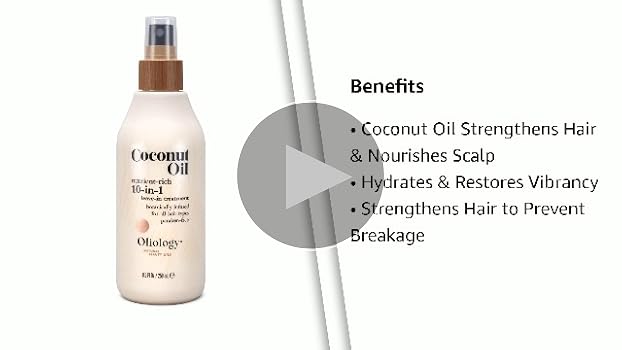
Coconut oil spray revolutionizes hair care by making it incredibly easy to apply this nourishing oil from roots to tips without greasy hands or uneven distribution. The molecular structure of coconut oil is uniquely suited for penetrating the hair shaft, unlike many other oils that simply coat the exterior. This penetration ability allows coconut oil to reduce protein loss from hair, strengthen strands, and improve overall hair health. Research published in the Journal of Cosmetic Science demonstrated that coconut oil significantly reduces hair protein loss for both damaged and undamaged hair when used as a pre-wash or post-wash treatment.
For individuals dealing with dry, damaged, or color-treated hair, coconut oil spray offers a convenient deep conditioning treatment. Apply the spray generously to dry hair, focusing on mid-lengths to ends, then leave it on for 30 minutes to overnight before shampooing. The MCTs penetrate the hair cuticle, providing intense hydration and repair. Many users report dramatic improvements in hair texture, shine, and manageability after incorporating regular coconut oil spray treatments. The spray format also makes it practical to apply small amounts to damp hair after showering as a leave-in treatment, taming frizz and adding shine without weighing hair down.
Scalp health benefits from coconut oil spray as well, particularly for those experiencing dandruff, itchiness, or dryness. The antimicrobial properties help balance scalp microbiome, while the moisturizing fats soothe irritation and flakiness. To treat scalp issues, section the hair and spray directly onto the scalp, then massage gently with fingertips to distribute the oil and stimulate circulation. Leave the treatment on for at least an hour before washing as usual. Some users with oily hair types may find that coconut oil is too heavy, so experimentation with application amounts and frequency is recommended to find what works best for individual hair needs.
Skincare Applications and Techniques
- Makeup Remover: Spray coconut oil onto a cotton pad and gently wipe away makeup, including waterproof mascara and long-wearing foundation. The oil breaks down makeup effectively while nourishing the skin, making it a dual-purpose product that eliminates the need for harsh chemical removers.
- Body Moisturizer: After showering while skin is still slightly damp, spray coconut oil over the body and massage it in. This locks in moisture and creates a protective barrier against environmental dryness. The spray application is faster and less messy than traditional body oils or thick creams.
- Cuticle Treatment: Spray directly onto cuticles and massage in to soften dry, rough skin around nails. The vitamin E and fatty acids promote healthier nail growth and prevent hangnails. This works equally well for fingernails and toenails.
- Lip Balm Alternative: A quick spray on lips provides instant moisture and protection from chapping. Unlike petroleum-based lip products, coconut oil is safe to ingest and doesn’t contain synthetic ingredients. Keep a small bottle in your purse or pocket for frequent application.
- Massage Oil: The smooth glide of coconut oil spray makes it perfect for self-massage or professional massage therapy. Apply it to sore muscles, massage in circular motions, and enjoy both the physical relief and aromatherapy benefits of natural coconut scent.
Choosing the Best Coconut Oil Spray: A Comprehensive Buying Guide
Navigating the crowded marketplace of coconut oil spray products requires understanding key quality indicators and making informed decisions based on your specific needs. Not all coconut oil sprays are created equal—the source of the coconuts, extraction methods, packaging technology, and additional ingredients can dramatically affect the product’s performance and health benefits. Consumers who invest time in reading labels and researching brands often discover significant differences in quality, effectiveness, and value for money. Armed with proper knowledge, you can avoid inferior products and select options that truly deliver on their promises.
The first consideration when selecting coconut oil spray should be the ingredient list. Premium products contain only one ingredient: coconut oil. Beware of sprays that list multiple additives, including propellants like propane, butane, or isobutane, which while generally recognized as safe, are unnecessary in modern spray designs. Some lower-quality products add soy lecithin, dimethyl silicone, or other anti-foaming agents that dilute the pure coconut oil and may introduce allergens or unwanted chemicals.
If you see more than one or two ingredients on the label, consider whether those additions align with your health goals and dietary restrictions. Organic certification from USDA or equivalent international bodies provides additional assurance that the coconuts were grown without synthetic pesticides and that processing met strict organic standards.
Quality Indicators to Look For
| Quality Factor | What to Look For | Why It Matters |
|---|---|---|
| Oil Type | Virgin/Extra Virgin | Preserves natural nutrients and flavor compounds |
| Extraction Method | Cold-pressed | Maintains nutritional integrity without heat damage |
| Propellant Type | Propellant-free or air pressure | Avoids chemical propellants and potential health concerns |
| Certification | USDA Organic, Non-GMO | Ensures quality standards and sustainable practices |
| Packaging | Dark or opaque container | Protects oil from light degradation |
| Spray Mechanism | 360-degree spray capability | Allows spraying at any angle for convenience |
| Country of Origin | Philippines, Indonesia, Sri Lanka, Thailand | Traditional coconut-producing regions with expertise |
Price considerations for coconut oil spray vary widely, typically ranging from $6 to $15 for a standard 5-6 ounce bottle. While it might seem expensive compared to traditional cooking sprays, remember that you’re paying for pure, high-quality oil without fillers or additives. When comparing prices, calculate the cost per ounce and factor in how long the bottle will last based on your intended use frequency. Professional chefs and serious home cooks often find that investing in premium coconut oil spray pays dividends through superior cooking results, better flavor, and health benefits that justify the higher upfront cost. Budget-conscious consumers can watch for sales, buy in multi-packs, or purchase larger sizes that offer better per-ounce pricing.
Environmental and Sustainability Considerations
The environmental impact of coconut oil spray production and consumption deserves careful consideration, especially as sustainability becomes increasingly important to conscientious consumers. Coconut farming can be either environmentally beneficial or problematic depending on agricultural practices employed. Sustainable coconut plantations often use intercropping systems, growing coconuts alongside other crops to maximize land use efficiency and biodiversity. These systems support local ecosystems, provide habitat for wildlife, and contribute to carbon sequestration. However, coconut monocultures, particularly when replacing natural forests, can lead to soil degradation, reduced biodiversity, and negative impacts on local water systems.
Fair trade practices in coconut oil production ensure that farmers and workers receive fair compensation and work under ethical conditions. Many premium coconut oil spray brands partner with cooperatives that prioritize farmer welfare, community development, and environmental stewardship. When you choose products with Fair Trade certification or those that transparently share their supply chain information, you support business models that benefit both people and planet. These companies often invest in local communities, providing education, healthcare, and infrastructure improvements that elevate quality of life beyond just fair wages. Your purchasing power can drive positive change when directed toward socially responsible brands.
The packaging of coconut oil spray presents both challenges and opportunities from an environmental perspective. Aerosol cans are typically made from aluminum or steel, both highly recyclable materials when properly processed. However, the spray mechanism and any remaining oil content can complicate recycling, and many recycling facilities have specific requirements for aerosol container disposal. Progressive brands are developing more sustainable packaging solutions, including recyclable components, reduced packaging materials, and take-back programs. Some companies now offer refillable spray bottles where you can purchase coconut oil in bulk and refill your spray container, significantly reducing packaging waste while saving money over time.
Storage, Shelf Life, and Safety Information
Proper storage of coconut oil spray maximizes shelf life and maintains product quality throughout its usable period. Unlike liquid oils that can quickly turn rancid when exposed to light, heat, or oxygen, the saturated fat structure of coconut oil provides excellent stability and resistance to oxidation. Store your coconut oil spray in a cool, dry place away from direct sunlight, ideally at temperatures between 60-75°F (15-24°C). Avoid storing near heat sources like stoves, ovens, or dishwashers, as excessive heat can affect the spray mechanism and potentially compromise the oil quality over time. The bathroom, despite being a common storage location for beauty products, may not be ideal due to temperature fluctuations and humidity from showers.
The shelf life of coconut oil spray typically ranges from 18 to 24 months from the manufacturing date when stored properly. Check the “best by” or expiration date printed on the bottom or side of the can, and note that this indicates peak quality rather than safety. Coconut oil’s natural antimicrobial properties and stable fatty acid profile mean it rarely spoils in the traditional sense.
However, quality can degrade over time, with the oil developing off-flavors or losing its characteristic aroma. If your coconut oil spray develops a rancid smell, unusual taste, or changes in color, discontinue use even if it’s within the printed date range. Proper storage dramatically extends usable life, with some users reporting excellent quality two or more years after purchase when kept in optimal conditions.
Safety Precautions and Best Practices
Coconut oil spray is generally very safe when used as directed, but certain precautions ensure optimal safety and performance:
- Flammability Warning: Like all oil-based aerosols, coconut oil spray is flammable. Never spray near open flames, heat sources, or lit stovetops. Always spray the pan before placing it on the heat source, not during cooking when the pan is hot.
- Inhalation Concerns: While coconut oil itself is harmless, avoid intentionally inhaling the spray mist. Use in well-ventilated areas, and if using the spray for hair or body, hold your breath briefly during application or spray away from your face.
- Allergy Considerations: True coconut allergies are relatively rare, but they do exist. If you have a known tree nut allergy, consult with an allergist before using coconut products, though coconut is technically a fruit, not a nut. Perform a patch test when using coconut oil spray for skincare purposes.
- Slip Hazard: Coconut oil is extremely slippery when spilled on floors or surfaces. Clean spills immediately with hot, soapy water and wipe dry to prevent falls. This is particularly important in kitchens and bathrooms where water may mix with the oil.
- Pressurized Container Precautions: Never puncture, incinerate, or expose the aerosol can to temperatures above 120°F (49°C). Don’t store in vehicles during hot weather, as excessive heat can cause container rupture.
Comparing Coconut Oil Spray to Other Cooking Sprays
Understanding how coconut oil spray compares to other popular cooking spray options helps consumers make informed decisions based on their health goals, cooking needs, and taste preferences. Traditional vegetable oil cooking sprays typically contain soybean, canola, or corn oil, often with added propellants, emulsifiers, and anti-foaming agents. While these products prevent sticking effectively, they lack the nutritional benefits and natural composition of coconut oil spray. Many conventional cooking sprays also use oils extracted through chemical processes and may contain genetically modified organisms (GMOs), which concern health-conscious consumers seeking cleaner food options.
Olive oil spray represents perhaps the closest competitor to coconut oil spray in the natural cooking spray category. Both offer healthy fat profiles with minimal processing, though their applications differ significantly. Olive oil contains primarily monounsaturated fats and polyphenol antioxidants, making it excellent for heart health and anti-inflammatory benefits. However, olive oil has a lower smoke point (around 325-375°F for extra virgin) compared to refined coconut oil (450°F), limiting its use in high-heat cooking. The flavor profiles also differ dramatically—olive oil imparts a distinct, sometimes assertive taste that works beautifully in Mediterranean cuisine but may clash with Asian or tropical dishes where coconut oil’s subtle sweetness complements the flavors perfectly.
Avocado oil spray has gained popularity among health enthusiasts due to its exceptionally high smoke point (around 520°F) and neutral flavor profile. Rich in monounsaturated fats and vitamin E, avocado oil spray works excellently for high-heat cooking and grilling. However, it typically costs significantly more than coconut oil spray, and some consumers report that mass-market avocado oil sprays may contain refined avocado oil blended with other oils. When comparing these options, consider your primary use case: coconut oil spray excels for medium-heat cooking, baking, and dual-purpose culinary and beauty applications, while avocado oil spray works best when you need extremely high heat tolerance and completely neutral flavor.
DIY: Making Your Own Coconut Oil Spray at Home
Creating homemade coconut oil spray offers several advantages including cost savings, complete control over ingredients, and the satisfaction of a DIY project. While commercial coconut oil sprays use specialized equipment to achieve their fine mist, home cooks can create functional spray versions using simple tools and techniques. The most straightforward method involves purchasing a high-quality refillable oil mister or spray bottle designed specifically for oils, which typically cost between $10-20 and last for years. These bottles use a pump mechanism to pressurize the container, creating a spray effect without propellants or electricity.
To make your own coconut oil spray, start with high-quality virgin or refined coconut oil depending on whether you want coconut flavor in your finished product. If using virgin coconut oil in cooler climates where the oil solidifies below 76°F, you’ll need to warm it slightly to achieve liquid consistency before filling your spray bottle. Add the liquified coconut oil to your clean, dry spray bottle, filling it about three-quarters full to allow room for air pressure.
Some DIY enthusiasts add a small amount of liquid sunflower lecithin (about 1 teaspoon per cup of oil) to help prevent clogging and improve spray consistency, though this is optional. Pump the bottle according to manufacturer instructions until you feel resistance, then test the spray pattern on a paper towel before using on food.
Maintenance and troubleshooting for homemade coconut oil spray requires minimal effort but ensures optimal performance. Clean your spray bottle every few weeks by filling it with very hot water and a drop of dish soap, pumping it through the mechanism, and rinsing thoroughly. If the spray nozzle becomes clogged (common when using unrefined coconut oil in cool temperatures), remove it and soak in hot water or run under hot tap water until the solidified oil melts away.
Store your homemade spray in a warm location to keep the coconut oil liquid, or simply run the bottle under hot water for a minute before each use if it has solidified. While homemade versions won’t achieve the ultra-fine mist of commercial aerosol products, they provide a satisfactory spray effect at a fraction of the cost and with complete ingredient transparency.
Coconut Oil Spray in Special Diets and Lifestyle Approaches
Coconut oil spray has become a staple ingredient across numerous dietary approaches and lifestyle movements, valued for its versatility, health properties, and alignment with various nutritional philosophies. In the ketogenic diet community, coconut oil spray serves as an easy way to increase fat intake while keeping carbohydrates minimal. The MCTs in coconut oil convert readily to ketones, supporting the metabolic state of ketosis that defines this diet. Keto practitioners often use coconut oil spray for cooking eggs, vegetables, and proteins, or even spray it directly into coffee or smoothies for an instant fat boost. The convenient format makes it simple to add healthy fats throughout the day without the hassle of measuring and melting solid coconut oil.
For individuals following paleo or Whole30 protocols, coconut oil spray offers a compliant cooking option that aligns with these programs’ emphasis on whole, minimally processed foods. These dietary approaches eliminate seed oils, vegetable oils, and processed cooking sprays, leaving coconut oil, olive oil, and animal fats as primary cooking fats. The spray format makes coconut oil more practical for everyday cooking while maintaining adherence to program guidelines. Many Whole30 participants report that having coconut oil spray on hand makes meal preparation easier and helps them stick with the program through its challenging elimination phase.
Vegan and plant-based eaters appreciate coconut oil spray as a versatile ingredient that replaces butter and other animal fats in cooking and baking. While some vegan nutritionists debate whether coconut oil’s saturated fat content makes it the healthiest choice, most agree that using it in moderation as part of a varied diet poses no concerns. The spray format helps vegans use minimal amounts, getting the functional benefits without excessive fat intake. Many plant-based athletes use coconut oil spray to increase calorie density in their diets, supporting high energy needs without having to consume massive volumes of food.
Integration with Other Health Routines and Products
The versatility of coconut oil spray extends to its compatibility with various health products and routines beyond basic cooking and skincare. Many users have discovered creative applications that complement their existing wellness practices. For example, individuals using cofix nasal spray for sinus health often incorporate coconut oil spray into their broader respiratory wellness routine, using it to moisturize dry nasal passages externally or create steam inhalation treatments. The antimicrobial properties of coconut oil may provide additional benefits when used as part of comprehensive sinus care protocols, though it should never replace prescribed medical treatments.
Oil pulling practitioners have adapted coconut oil spray for this ancient Ayurvedic practice believed to improve oral health. Traditional oil pulling involves swishing a tablespoon of oil in the mouth for 15-20 minutes, which many find unpleasant or inconvenient. Some users report that spraying coconut oil into the mouth makes the practice more palatable and easier to maintain as a daily habit. While scientific evidence for oil pulling remains limited, anecdotal reports suggest benefits including fresher breath, healthier gums, and potentially whiter teeth. The antimicrobial lauric acid in coconut oil provides theoretical support for these claims, though more research is needed to establish definitiveness.
Fitness enthusiasts integrate coconut oil spray into their pre and post-workout nutrition strategies. The MCTs provide quick energy that doesn’t spike insulin, making it useful before morning workouts when training in a fasted state. Some athletes spray coconut oil on pre-workout snacks like fruit or rice cakes for sustained energy without digestive discomfort. Post-workout, the anti-inflammatory properties may support recovery, and the fats help with absorption of fat-soluble vitamins from whole food meals. Sports massage therapists increasingly use coconut oil spray for treatments, appreciating its glide, skin benefits, and easy application compared to traditional massage oils that require pouring and warming.
Commercial and Professional Uses
Beyond home kitchens and personal care routines, coconut oil spray has found applications in commercial settings including restaurants, catering operations, salons, and spas. Professional chefs appreciate the product consistency and food safety benefits of spray formats, which eliminate cross-contamination concerns associated with shared jars or bottles. High-volume cooking operations value the efficiency of spray application, allowing staff to prepare hundreds of pans or portions quickly without the time investment of brushing or pouring oil. Many health-focused restaurants and cafes market their use of coconut oil spray as a differentiator, appealing to customers seeking cleaner, healthier dining options.
Professional hair salons and spas incorporate coconut oil spray into their service menus, offering it as a deep conditioning treatment or scalp therapy option. The spray format allows stylists to apply precise amounts without product waste or messy hands that would slow down service. Some salons retail small bottles of coconut oil spray for clients to maintain treatments at home between appointments, creating an additional revenue stream. Massage therapy clinics find that coconut oil spray provides excellent glide for various massage techniques while delivering aromatherapy benefits from the natural coconut scent, creating a more luxurious experience for clients.
Food service and hospitality industries benefit from the food safety advantages of coconut oil spray. Pre-portioned spray applications reduce the risk of contamination from shared containers, and the sealed aerosol format maintains product freshness longer than bulk oils exposed to air. Hotels offering continental breakfasts use coconut oil spray for waffle irons and griddles, ensuring consistent results and easy cleanup. Catering companies appreciate the portability and ease of use during off-site events where traditional cooking oils might spill or require additional equipment. The premium positioning of coconut oil also allows these businesses to market their commitment to quality ingredients and healthier food preparation methods.
Recent Research and Scientific Studies
Scientific interest in coconut oil spray and coconut oil generally has expanded significantly over the past decade, with researchers investigating its effects on metabolism, cardiovascular health, cognitive function, and antimicrobial activity. A study published in the Journal of the Academy of Nutrition and Dietetics examined the metabolic effects of MCT consumption, finding that medium-chain triglycerides like those abundant in coconut oil increased energy expenditure compared to long-chain triglycerides. The research suggested that substituting MCTs for other fats might support weight management efforts when combined with calorie reduction and exercise, though the effects were modest and required consistent consumption over time.
The cardiovascular effects of coconut oil remain a subject of ongoing debate and research within the scientific community. While early concerns focused on coconut oil’s high saturated fat content and potential impacts on cholesterol levels, more nuanced research has revealed a complex picture. A 2020 meta-analysis published in Circulation examined multiple studies comparing coconut oil to other cooking fats, finding that coconut oil did raise LDL cholesterol levels compared to unsaturated plant oils but performed similarly to butter and better than palm oil.
Importantly, the research noted that coconut oil also raised HDL (beneficial) cholesterol levels, leading to a relatively neutral impact on total cholesterol ratios. These findings suggest that moderate coconut oil consumption as part of a balanced diet rich in fruits, vegetables, and whole grains likely poses minimal cardiovascular risk for most people.
Antimicrobial research provides perhaps the strongest scientific support for coconut oil’s health benefits. Studies have consistently demonstrated that lauric acid and other medium-chain fatty acids in coconut oil exhibit broad-spectrum antimicrobial activity against bacteria, viruses, and fungi. Research published in the Journal of Medicinal Food showed that lauric acid effectively killed Staphylococcus aureus, including antibiotic-resistant MRSA strains, suggesting potential applications in wound care and topical treatments. While these studies typically use purified compounds rather than whole coconut oil spray, they provide scientific rationale for traditional uses and support continued investigation into therapeutic applications. Dermatological research has also confirmed that coconut oil improves skin barrier function and reduces inflammation in conditions like eczema, validating its use in skincare routines.
Common Myths and Misconceptions Debunked
The popularity of coconut oil spray has unfortunately been accompanied by misinformation and exaggerated claims that require clarification. One persistent myth suggests that coconut oil is a “miracle cure” capable of treating virtually any health condition from Alzheimer’s disease to thyroid disorders. While coconut oil does offer genuine benefits including antimicrobial properties, skin hydration, and MCT content, it is not a panacea and should not replace conventional medical treatments. Reputable health professionals recommend coconut oil as one component of a healthy lifestyle rather than a standalone solution to health problems. Be skeptical of sources making extreme claims about coconut oil’s curative powers, especially those selling products or promoting specific brands.
Another common misconception claims that coconut oil spray can effectively promote weight loss simply by consuming it regularly. While research shows that MCTs may slightly increase energy expenditure and fat oxidation, these effects are too small to produce meaningful weight loss without accompanying dietary changes and exercise. Some marketing materials suggest that coconut oil’s MCTs “melt away” body fat or “boost metabolism” dramatically, but scientific evidence doesn’t support such dramatic claims. The reality is more modest: substituting coconut oil for other fats while maintaining overall calorie balance may provide marginal metabolic benefits, but coconut oil is still calorie-dense at 120 calories per tablespoon, and excessive consumption will contribute to weight gain just like any other fat.
The belief that coconut oil is unhealthy due to its saturated fat content represents the opposite extreme of misconceptions. This view stems from decades-old dietary guidelines that vilified all saturated fats without distinguishing between types and sources. Modern nutritional science recognizes that saturated fats affect health differently depending on chain length, food source, and overall dietary context. The
medium-chain saturated fats in coconut oil behave differently in the body compared to the long-chain saturated fats in red meat or processed foods. Current evidence suggests that coconut oil, when used in moderation as part of a diet rich in whole foods, doesn’t pose the cardiovascular risks once attributed to all saturated fats. The key is moderation and dietary context—using coconut oil spray to replace trans fats, heavily processed oils, or excessive amounts of animal fats represents a health upgrade for most people.
Creative and Unconventional Uses for Coconut Oil Spray
Beyond standard culinary and beauty applications, inventive users have discovered numerous unconventional uses for coconut oil spray that showcase its remarkable versatility. In woodworking and furniture care, coconut oil spray provides a natural conditioning treatment for cutting boards, wooden utensils, and unfinished wood furniture. The oil penetrates wood fibers, preventing drying and cracking while creating a subtle water-resistant barrier. Unlike petroleum-based wood treatments, coconut oil is food-safe and non-toxic, making it ideal for items that contact food. Apply a light coating, let it absorb for 15-20 minutes, then buff with a soft cloth for a beautiful, natural finish that enhances wood grain.
Pet care applications represent another creative use category that many animal owners have embraced. The same moisturizing and antimicrobial properties beneficial for human skin work equally well for pets dealing with dry paw pads, minor skin irritations, or dull coats. Spray a small amount onto your hands, then massage into your dog’s paws after winter walks when salt and ice can cause cracking and irritation. For coat conditioning, lightly mist your pet’s fur and brush through for added shine and detangling benefits. Always ensure your pet doesn’t lick excessively after application, and consult with a veterinarian before using coconut oil spray to address specific health concerns or skin conditions in animals.
Household applications extend coconut oil spray’s utility beyond personal care and cooking. Use it to silence squeaky door hinges, lubricate stuck zippers on clothing or bags, remove sticky residue from labels or tape, and condition leather shoes or accessories. The natural composition makes it safer than chemical lubricants, especially in homes with children or pets. Some crafters use coconut oil spray as a mold release agent for soap making, candle crafting, or resin projects, appreciating its natural origin and easy application. Gardeners have even reported using small amounts to create a barrier on plant leaves that deters certain pests, though this should be done cautiously and researched thoroughly for specific plant species.
Market Trends and Future Innovations
The coconut oil spray market continues evolving rapidly, driven by consumer demand for convenient, healthy, and sustainable products. Industry analysts project significant growth in the natural cooking spray segment over the next five years, with coconut oil spray capturing an increasingly larger market share. This growth reflects broader consumer trends toward clean labels, functional foods, and plant-based alternatives to conventional products. Manufacturers are responding with innovation in packaging, formulations, and positioning, creating specialized products for different market segments including fitness enthusiasts, beauty consumers, and health-focused families.
Flavor innovation represents one exciting frontier in coconut oil spray development. While traditional products offer virgin and refined options, newer entries feature infused varieties with garlic, herbs, chili, or citrus for specialized culinary applications. These flavored sprays combine coconut oil’s health benefits with additional taste dimensions, eliminating the need for multiple products or manual seasoning steps. Some brands are experimenting with coconut oil blends that combine it with other beneficial oils like avocado, MCT concentrate, or algae oil, creating custom fatty acid profiles optimized for specific uses. These innovations cater to sophisticated consumers who understand nutritional nuances and seek products aligned with their precise health goals.
Sustainability initiatives are reshaping how companies source, produce, and package coconut oil spray. Leading brands now emphasize regenerative agriculture practices that improve soil health, increase biodiversity, and sequester carbon while producing coconuts. Some companies have introduced carbon-neutral coconut oil sprays, offsetting emissions from transportation and processing through verified environmental projects. Packaging innovation focuses on increasing recyclability, using recycled materials in aerosol cans, and developing refill systems that reduce single-use container waste. As younger, environmentally conscious consumers gain purchasing power, brands that authentically commit to sustainability will likely capture market leadership positions.
Price Analysis and Value Comparison
Understanding the economics of coconut oil spray helps consumers make value-conscious purchasing decisions that balance cost with quality and performance. A typical 5-ounce can of premium coconut oil spray retails for $8-12, translating to approximately $1.60-2.40 per ounce. While this seems expensive compared to conventional cooking sprays at $0.50-1.00 per ounce, consider that you’re purchasing pure coconut oil rather than heavily processed vegetable oils with additives. When compared to bulk coconut oil in jars, which typically costs $0.80-1.50 per ounce for quality virgin varieties, the spray format commands a modest premium of roughly 50-100% for the convenience and proprietary spray technology.
Cost-effectiveness depends heavily on usage patterns and priorities. For individuals using coconut oil spray exclusively for occasional cooking, the investment pays dividends through healthier meals and convenient application that saves time. Those incorporating it into daily beauty routines, using it for hair treatments, skincare, and cooking, will find the multi-purpose functionality offers excellent value by replacing multiple specialized products. Calculate your total spending on separate cooking spray, hair conditioner, body oil, and makeup remover—many users discover that coconut oil spray consolidates these purchases while providing superior quality and natural ingredients without synthetic additives.
Bulk purchasing strategies can significantly reduce the per-unit cost of coconut oil spray. Many brands offer multi-pack discounts, with three-packs or six-packs providing savings of 15-25% compared to individual bottle purchases. Subscribe-and-save programs through online retailers often add another 5-15% discount for recurring deliveries, ideal for regular users who can predict their consumption patterns. Warehouse clubs occasionally stock coconut oil spray at competitive prices, though selection may be limited to one or two brands. Budget-conscious consumers might also consider the DIY approach outlined earlier, which can reduce costs to approximately $0.80-1.00 per ounce including the initial spray bottle investment, though this requires more effort and foregoes the fine mist achieved by commercial aerosol products.
Integration with Smart Home and Connected Kitchen Technology
As smart home technology becomes increasingly sophisticated, coconut oil spray finds itself at the intersection of traditional cooking products and modern connected kitchens. While the spray itself remains decidedly low-tech, its role in recipe execution is being transformed by cooking apps, smart displays, and connected appliances that guide users through precise preparation steps. Popular recipe apps now include specific instructions for coconut oil spray application, specifying spray duration (typically 2-5 seconds) and techniques that deliver consistent results. These digital cooking assistants help novice cooks achieve professional outcomes by eliminating guesswork from oil quantity and distribution.
Voice-activated cooking assistants like Amazon Alexa, Google Assistant, and Apple’s Siri can provide hands-free guidance on coconut oil spray usage, answering questions about appropriate amounts, temperature settings, and application techniques while your hands are busy with food preparation. Users can ask questions like “How do I use coconut oil spray for baking?” or “What temperature should I use with coconut oil spray for sautéing?” and receive immediate, accurate guidance. This integration makes cooking more accessible for beginners and provides confidence that builds culinary competence over time. Smart displays in kitchens can show visual demonstrations of spray techniques, helping users learn proper distance, angle, and duration for various applications.
Connected kitchen scales and nutrition tracking apps increasingly incorporate coconut oil spray into their food databases, allowing health-conscious users to accurately log their intake. By specifying spray duration (many apps suggest 0.5 grams of fat per second of spray), these tools help users maintain precise macronutrient targets for weight management, athletic performance, or medical nutrition therapy. Fitness apps designed for ketogenic dieters, bodybuilders, or endurance athletes include coconut oil spray in their meal planning features, calculating how spray application contributes to daily fat intake goals. This technological integration elevates a simple cooking product into a component of sophisticated personal health management systems.
Global Variations and Cultural Adaptations
The international market for coconut oil spray reveals fascinating cultural variations in how different regions adopt and adapt this product to local cuisines and preferences. In Southeast Asian countries where coconut production originates, coconut oil spray serves as a bridge between traditional cooking methods and modern convenience. Filipino, Thai, and Indonesian consumers particularly appreciate products that maintain authentic coconut flavor profiles while offering the ease of spray application. These markets often prefer virgin coconut oil sprays with stronger coconut taste and aroma, as these characteristics enhance traditional dishes rather than interfering with them.
Western markets, particularly in North America and Europe, demonstrate different preferences shaped by local culinary traditions and health trends. Many consumers in these regions prefer refined coconut oil spray with minimal coconut flavor, allowing it to substitute for butter, vegetable oil, or other neutral cooking fats without altering dish characteristics. The marketing emphasis in Western markets focuses heavily on health benefits, clean label attributes, and premium positioning, with products commanding higher prices than in coconut-producing regions. European markets show particular interest in organic certification, sustainability claims, and transparent supply chains, reflecting stronger regulatory frameworks and consumer expectations around food quality and environmental responsibility.
Emerging markets in Latin America, Africa, and parts of Asia present significant growth opportunities for coconut oil spray manufacturers. As middle-class populations expand and health awareness increases in these regions, demand for premium cooking products that offer functional benefits continues rising. Local brands in these markets often compete with international manufacturers by emphasizing regional sourcing, supporting local coconut farmers, and pricing products more accessibly than imported alternatives. Cultural adaptation also plays a role, with some manufacturers developing coconut oil sprays specifically formulated for local cooking styles, such as versions with higher smoke points for frying-intensive cuisines or flavored varieties that complement regional spice profiles.
Professional Chef Perspectives and Culinary Techniques
Professional chefs and culinary experts offer valuable insights into optimizing coconut oil spray usage for superior cooking results. Renowned chefs emphasize the importance of proper spray technique, including maintaining the correct distance (typically 6-8 inches) from the cooking surface to ensure even distribution without pooling. They recommend heating pans properly before adding food—spray the cold pan, then heat it to the appropriate temperature rather than spraying onto a hot surface, which can cause smoking and potentially unpleasant flavors. This technique applies whether you’re searing proteins, sautéing vegetables, or preparing eggs for breakfast service.
Temperature management represents another critical consideration from culinary professionals using coconut oil spray. While refined coconut oil can handle relatively high temperatures (up to 450°F), virgin coconut oil has a lower smoke point around 350°F, making it suitable for medium-heat cooking rather than high-heat searing or stir-frying. Professional kitchens that embrace coconut oil spray typically maintain separate bottles of refined and virgin varieties, selecting the appropriate type based on the cooking technique and desired flavor profile. For delicate applications like fish en papillote, gentle sautés, or baked goods, virgin coconut oil spray provides subtle flavor enhancement. For high-heat grilling, roasting at 400°F+, or searing, refined coconut oil spray delivers performance without burning.
Pastry chefs and bakers share specialized techniques for using coconut oil spray in desserts and baked goods. They note that coconut oil spray works exceptionally well for preparing intricate molds, bundt pans, and detailed baking vessels where traditional greasing might miss crevices. The spray reaches into decorative patterns and corners that are difficult to access with brushes or paper towels, ensuring clean release of finished products.
Some pastry professionals spray coconut oil between phyllo dough layers instead of brushing with butter, creating lighter, crispier results with less saturated fat. Others use it to lightly coat dried fruit or nuts before incorporating them into batters, preventing sinking and ensuring even distribution throughout the finished product. These professional techniques translate easily to home baking, elevating results with minimal additional effort.
Quality Control and Product Testing Standards
Understanding the quality control measures and testing standards applied to coconut oil spray helps consumers identify truly premium products versus those making empty claims. Reputable manufacturers implement rigorous testing protocols beginning with coconut selection and continuing through every production stage. Initial quality assessment examines coconuts for ripeness, moisture content, and absence of contaminants like mold or pesticides. Only coconuts meeting strict criteria proceed to processing, ensuring the final coconut oil maintains high standards for purity, flavor, and nutritional content. Third-party testing laboratories analyze samples for fatty acid composition, ensuring the oil contains the expected MCT percentages and lauric acid levels that provide coconut oil’s distinctive health benefits.
Microbial testing represents another critical quality control component, particularly important for products marketed for both culinary and cosmetic applications. Laboratories test finished coconut oil spray for bacterial contamination, yeast, mold, and pathogenic organisms that could compromise safety or shelf life. The natural antimicrobial properties of coconut oil provide some inherent protection, but thorough testing ensures products meet food safety standards and regulatory requirements. Premium brands often exceed minimum standards, implementing more stringent internal quality specifications that guarantee consistent excellence across production batches.
Spray performance testing evaluates the functional characteristics that determine user satisfaction with coconut oil spray products. Manufacturers assess spray pattern consistency, ensuring even distribution without sputtering or irregular output. They measure particle size to optimize the balance between fine mist application and adequate coverage without excessive dispersion that wastes product.
Temperature stability testing confirms that the spray mechanism functions properly across the range of storage and usage temperatures consumers might encounter, from refrigerator cold to warm pantry conditions. Continuous spray duration tests verify that products deliver consistent performance from first use until the can is empty, without pressure loss or clogging issues. These detailed testing protocols separate premium coconut oil sprays from inferior products that may work initially but fail to maintain performance over time.
Frequently Asked Questions About Coconut Oil Spray
What is coconut oil spray used for?
Coconut oil spray serves multiple purposes including cooking, baking, hair conditioning, skin moisturizing, and makeup removal. In the kitchen, it works as a non-stick cooking spray for pans, baking sheets, and grills while adding nutritional benefits from MCTs and lauric acid. For personal care, it functions as a deep hair conditioner, body moisturizer, cuticle treatment, and natural makeup remover without harsh chemicals.
Is coconut oil spray healthy for cooking?
Yes, coconut oil spray offers several health advantages for cooking compared to conventional vegetable oil sprays. It contains medium-chain triglycerides that the body metabolizes differently than other fats, potentially supporting energy production and weight management. The saturated fat structure resists oxidation during cooking, producing fewer harmful compounds than polyunsaturated oils when heated. However, moderation remains important as coconut oil is calorie-dense, and overall dietary balance matters more than any single ingredient.
Can coconut oil spray be used on hair every day?
Daily use of coconut oil spray on hair depends on your hair type and the amount applied. Fine or thin hair may become weighed down with daily application, while thick, dry, or damaged hair often benefits from regular treatments. For most hair types, applying a light mist to damp hair ends 2-3 times weekly provides conditioning benefits without buildup. Deep conditioning treatments with generous application work best as weekly or bi-weekly sessions rather than daily routines.
Does coconut oil spray need to be refrigerated?
No, coconut oil spray does not require refrigeration and should be stored at room temperature in a cool, dry place away from direct sunlight. Refrigeration can actually cause coconut oil to solidify and potentially affect the spray mechanism’s functionality. Store the product between 60-75°F (15-24°C) for optimal performance and longevity, keeping it away from heat sources like stoves or windowsills.
What’s the difference between virgin and refined coconut oil spray?
Virgin coconut oil spray retains the natural coconut flavor and aroma along with maximum nutritional compounds from minimal processing. It works well when you want coconut taste in recipes and offers slightly higher antioxidant content. Refined coconut oil spray undergoes additional processing to remove flavor and odor, creating a neutral-tasting product with a higher smoke point (around 450°F vs 350°F). Choose virgin for flavor enhancement and maximum nutrition, refined for neutral taste and high-heat cooking.
Can you use coconut oil spray for frying?
Coconut oil spray can be used for light frying and sautéing, particularly if using refined coconut oil with its higher smoke point of 450°F. However, the spray format isn’t ideal for deep frying where you need substantial oil volume. For shallow frying or pan-frying small quantities, spray the pan generously, allow it to heat properly, then cook your food. The saturated fat structure makes coconut oil more stable at frying temperatures compared to many vegetable oils.
Is coconut oil spray good for weight loss?
While coconut oil spray alone won’t cause weight loss, it may support weight management efforts when used appropriately. The MCTs in coconut oil increase energy expenditure slightly and may promote satiety compared to other fats. However, the spray format’s main weight management benefit comes from portion control—using a measured spray instead of pouring oil helps reduce overall calorie intake. Successful weight loss requires comprehensive dietary changes and exercise, with coconut oil spray serving as one component of a healthy eating pattern.
How long does coconut oil spray last after opening?
Opened coconut oil spray typically maintains quality for 12-18 months when stored properly in a cool, dry location away from direct sunlight and heat sources. The saturated fat structure and natural antimicrobial properties of coconut oil provide excellent stability compared to other oils. Always check the “best by” date on the container and discontinue use if the product develops off-odors, unusual taste, or changes in appearance, even if within the printed date range.
Where to Buy Quality Coconut Oil Spray
Finding reliable sources for premium coconut oil spray requires knowing where to look and what quality indicators to prioritize. Major grocery stores increasingly stock coconut oil spray in the cooking oil aisle or natural foods section, with selection varying based on store size and focus. Whole Foods Market, Natural Grocers, and similar health-focused retailers typically offer the widest variety including organic, fair trade, and specialty options. Conventional supermarket chains have expanded their natural foods sections in response to consumer demand, making quality coconut oil spray more accessible than ever before. When shopping in-store, examine labels carefully for ingredient lists, certifications, and country of origin information that indicates product quality.
Online retailers provide the most extensive selection and competitive pricing for coconut oil spray products. Amazon carries dozens of brands with detailed customer reviews that help inform purchasing decisions, though be cautious of fake reviews on highly competitive products. Specialty retailers like Thrive Market, Vitacost, and iHerb focus specifically on natural and organic products, often offering better prices than general retailers and featuring detailed product information including sourcing practices and sustainability certifications. Manufacturer websites frequently sell direct to consumers, sometimes offering subscription programs with automatic deliveries at discounted prices. Direct purchasing also ensures product freshness since inventory doesn’t sit in retail distribution chains for extended periods.
Warehouse clubs like Costco and Sam’s Club occasionally stock coconut oil spray at compelling prices, particularly during promotional periods or seasonal displays. While brand selection may be limited to one or two options, the per-unit cost can represent significant savings for regular users willing to purchase multi-packs. Some wholesale clubs also feature organic and premium brands at prices lower than traditional retail, making them worthwhile for budget-conscious consumers who prioritize quality. Health food cooperatives and local natural markets represent another purchasing avenue, often featuring locally-produced or small-batch coconut oil sprays that support regional businesses and offer unique formulations not available through major retailers.
Take Action: Start Your Coconut Oil Spray Journey Today
Ready to experience the versatility and benefits of coconut oil spray in your own kitchen and beauty routine? Don’t wait to upgrade your cooking methods and personal care practices with this remarkable multi-purpose product. Visit your local health food store or browse quality coconut oil spray options online to find the perfect product for your needs. Whether you’re looking to create healthier meals, enhance your hair’s natural shine, or simplify your skincare routine, coconut oil spray delivers convenience and effectiveness in one eco-friendly package.
Start small if you’re new to coconut oil spray—try one bottle for your primary intended use, whether that’s cooking or personal care. Experiment with different applications to discover which ones work best for your lifestyle and preferences. Track your results over a few weeks, noting improvements in cooking outcomes, hair texture, or skin hydration. Many users report that once they incorporate coconut oil spray into their routines, it quickly becomes an indispensable product they can’t imagine living without. Join the growing community of health-conscious individuals who have discovered this simple yet powerful tool for better living.
Citation and Sources:
- Coconut Oil Spray Products on Amazon
- Journal of Nutrition and Metabolism – MCT Research Studies
- Journal of Cosmetic Science – Hair Care Research
- Journal of Investigative Dermatology – Skin Health Studies
- Circulation – Cardiovascular Health Meta-Analysis
- Journal of Medicinal Food – Antimicrobial Properties Research
- Journal of the Academy of Nutrition and Dietetics – Metabolic Effects Study
Note: This article is for informational purposes only and does not constitute medical advice. Consult with healthcare professionals before making significant dietary changes or using coconut oil spray to treat medical conditions. Individual results may vary based on product quality, usage patterns, and personal health factors.